
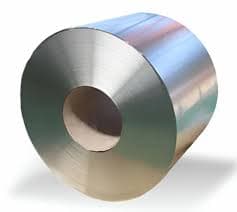
Coil, Sheet, or Cut-to-Length: How to Choose the Right Supply Form
Why Supply Form Matters in Tinplate Procurement
When industrial buyers source tinplate or packaging steel, they often focus first on thickness, temper, coating weight, and application. But one more factor can significantly affect production efficiency and procurement performance: the supply form.
For most buyers, the choice usually comes down to three options:
- coil
- sheet
- cut-to-length
At first glance, this may look like only a packaging or logistics decision. In reality, it directly influences line efficiency, material utilization, labor handling, storage planning, and total operating cost.
For large-volume buyers, choosing the right supply form is not just a matter of convenience. It is part of a better sourcing strategy.
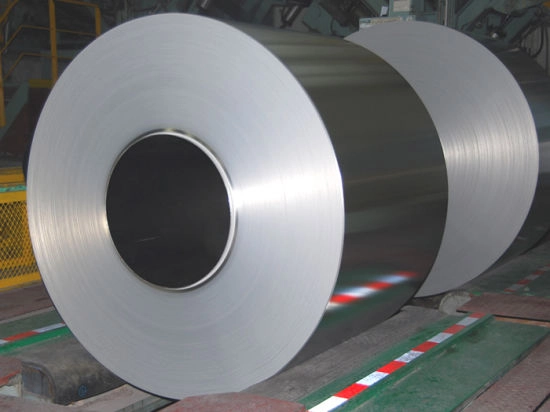
What Is Tinplate Coil?
Tinplate coil is supplied in continuous rolled form. It is commonly used by factories with their own processing capability or high-volume production lines that require continuous feeding.
Tinplate coil is often preferred when buyers need:
- higher production continuity
- better suitability for automated or high-speed processing
- flexibility to slit or cut material internally
- efficient bulk purchasing and stock planning
For buyers with established production capacity, coil supply can support stronger control over internal processing and material planning.
What Is Tinplate Sheet?
Tinplate sheet is supplied in pre-cut sheet form, usually in standard sizes or agreed dimensions.
This format is often chosen by buyers who:
- use sheet-fed equipment
- do not want to process coil internally
- need easier handling for specific production steps
- prefer simpler storage and batch organization
For some customers, sheet supply reduces internal workload and helps make production preparation more straightforward.
What Is Cut-to-Length Tinplate?
Cut-to-length tinplate is material processed from coil into custom sheet sizes according to the buyer’s production requirement.
This option is often useful when buyers need:
- non-standard dimensions
- reduced internal cutting work
- better adaptation to specific line requirements
- improved material utilization
- simplified downstream processing
For customers that want the efficiency of custom sizing without managing full internal processing, cut-to-length supply can be a practical middle path.
How to Decide Between Coil, Sheet, and Cut-to-Length
There is no one best format for every buyer. The right decision depends on the factory’s production model, equipment setup, labor structure, order volume, and supply-chain planning.
The most important question is not which form is most common.
It is which form creates the best balance between efficiency, control, and reliability.
When Coil Is the Better Choice
Coil is often the better option for buyers who run larger production volumes and already have the ability to slit, cut, or feed material into continuous processing lines.
Buyers may prefer coil when they want:
- higher line efficiency
- better flexibility in internal processing
- stronger control over material allocation
- easier support for large repeat orders
- a more scalable supply model
However, coil also requires the buyer to have suitable handling equipment, internal processing capability, and storage management.
For some factories, coil improves efficiency. For others, it simply adds complexity.
When Sheet Is the Better Choice
Sheet is often the better choice for buyers who want a more direct production-ready format without additional internal processing.
Buyers may prefer sheet when they need:
- easier handling on specific equipment
- simpler warehouse organization
- less internal processing labor
- clearer per-batch or per-size material separation
- more convenient use for lower-volume or multi-size operations
Sheet supply can also help buyers reduce the need for extra equipment investment if their line is already designed around sheet-fed production.
When Cut-to-Length Is the Better Choice
Cut-to-length is often the better solution when buyers want material tailored to their process without managing full slitting or cutting operations in-house.
This option can be valuable when buyers want:
- custom dimensions matched to production equipment
- reduced waste from unnecessary trimming
- more efficient use of raw material
- faster setup at the next production stage
- simplified procurement of application-specific sizes
For many industrial customers, cut-to-length supply is attractive because it supports production efficiency while reducing part of the internal workload.
What Large Buyers Should Review Before Choosing Supply Form
Before finalizing an order, industrial buyers should review the following:
- Production line setupIs the line designed for coil feeding, sheet feeding, or custom-size input?
- Internal processing capabilityDoes the buyer have the equipment and labor to process coil efficiently?
- Order volumeIs the purchase large and standardized enough to benefit from coil supply, or does the operation require more flexibility?
- Warehouse and handling conditionsCan the factory safely store and manage coil, or is sheet handling more practical?
- Waste and utilization goalsWould cut-to-length reduce trimming loss and improve material yield?
- Lead time needsCan the chosen format support the buyer’s production schedule, especially in peak season?
For high-volume customers, this decision should be reviewed as part of the total supply model, not only per single order.
Supply Form and Procurement Efficiency
Many buyers compare only material price while ignoring how supply form affects actual factory performance. This can be a costly mistake.
A lower-priced coil offer may not be the best choice if the buyer lacks the processing ability to use it efficiently.
A sheet-based purchase may appear simpler but could increase cost or limit flexibility in some large-scale operations.
A cut-to-length program may improve yield and save labor even if the price per ton is not the lowest on paper.
That is why experienced buyers evaluate:
- process fit
- labor efficiency
- handling convenience
- total waste
- delivery readiness
- overall operational cost
The best supply form is the one that supports smoother production, not just a better quotation line.
Why This Matters for Seasonal Packaging Buyers
For customers serving food canning, wet can packaging, and other seasonal packaging industries, choosing the wrong supply form can create problems at the worst possible time.
During the critical purchasing season, buyers often need:
- fast inbound handling
- reliable production flow
- reduced preparation time
- lower risk of line interruption
In such cases, supply form should be aligned early with the production schedule. Waiting until the final procurement stage may increase both delivery pressure and production risk.
FAQ
What is the difference between tinplate coil and tinplate sheet?
Tinplate coil is supplied in continuous rolled form, while tinplate sheet is supplied as pre-cut flat sheets.
What is cut-to-length tinplate?
It is tinplate that has been processed from coil into custom sheet sizes according to the buyer’s requirements.
Which supply form is better for high-volume production?
Coil is often preferred for high-volume operations with continuous processing capability, but the best choice depends on the factory setup.
Can cut-to-length help reduce waste?
Yes. In some cases, custom sizing can improve material utilization and reduce unnecessary trimming.
Should buyers choose supply form based only on price?
No. The decision should also consider processing fit, labor efficiency, storage, waste, and delivery readiness.
---
Looking for the right tinplate supply form for your production line? Send us your required dimensions, application, and supply preference to discuss a more suitable coil, sheet, or cut-to-length solution.
Related News
Other news you might be interested in

Metal Packaging Sourcing Simplified: Choosing Tinplate, TFS, and Easy Open Ends for Your Product Line
Discover how strategic sourcing of tinplate, TFS, and easy open ends reduces risk, stabilizes lead times, and supports flexible can production for food and industrial packaging buyers.
Secure Your Metal Packaging Supply with Premium Tinplate, TFS, and Easy Open Ends
Secure your metal packaging supply with premium tinplate and TFS. Learn how integrated sourcing reduces downtime, cuts costs, and ensures reliable delivery for two-piece and three-piece cans.
Want to know more?
Get in touch with us for more information about our services and products.