

How Buyers Plan Procurement Before Peak Seafood Packaging Seasons
Why Peak Seafood Packaging Seasons Change Procurement Logic
In many seafood packaging programs, procurement behavior changes noticeably before peak season begins. During normal periods, buyers may still have time to compare suppliers, review schedules, and adjust order timing more gradually. But before peak seafood packaging seasons, the pressure usually increases. That is because buyers are often preparing for:
- higher packaging demand
- tighter production windows
- repeated canning schedules
- repeated replenishment needs
- more sensitive delivery timing
- stronger pressure on supply continuity
In these periods, procurement is no longer only about whether material or components can be purchased. It becomes a planning issue. That is why serious buyers often start procurement preparation before peak packaging demand becomes active.
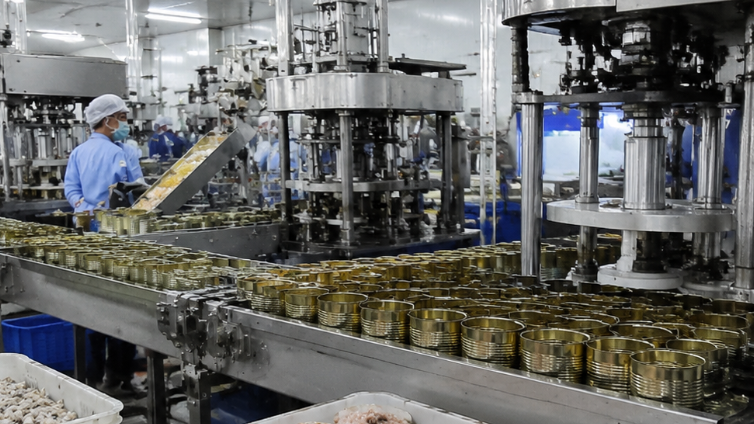
Peak Season Planning Usually Starts Earlier Than Many New Suppliers Expect
New suppliers sometimes assume that buyers place orders only when the production schedule is already close. In reality, experienced industrial buyers often prepare earlier because they understand that peak-season supply risk does not begin when the factory gets busy. It begins when too many buyers start needing the same support at the same time. That is why strong buyers often plan earlier around:
- recurring material demand
- repeated packaging formats
- recurring component sizes
- long-term stock pressure
- delivery timing risk
- repeated industrial order cycles
Early planning helps buyers reduce the risk of entering the peak period with weak supply visibility.

Why Early Procurement Planning Reduces Supply Risk
Before peak seafood packaging seasons, procurement risk usually increases in several ways:
- demand becomes more concentrated
- repeated replenishment becomes more urgent
- production timing becomes tighter
- delays become more expensive
- buyers have less room to correct problems later
That is why early procurement planning matters. When buyers plan earlier, they usually gain:
- better visibility on recurring demand
- more time to confirm repeated sizes
- more confidence in delivery arrangements
- stronger coordination between purchasing and production
- better long-term packaging continuity
In other words, early planning helps buyers reduce reactive procurement behavior and build a more controlled packaging schedule.
What Buyers Usually Review Before Peak Season
Before peak seafood packaging periods, industrial buyers often review several key areas.
Recurring dimensions and repeated formats
Buyers usually confirm whether the same can sizes, component sizes, or recurring packaging formats will remain active during the coming cycle.
Material and component continuity
Buyers want to know whether repeated material or component support can remain stable once peak demand begins.
Delivery timing
Lead time becomes more sensitive in peak periods, so buyers often review whether replenishment timing is realistic and whether schedules should be moved forward.
Repeated-order structure
Some buyers plan around recurring order cycles rather than one large isolated order because they want better continuity and easier control.
Supplier coordination fit
Peak periods often expose which suppliers can support repeated industrial demand and which suppliers become harder to work with once timing pressure increases. These reviews help buyers move from reactive ordering to structured procurement planning.
Why Timing Discipline Becomes More Valuable Before Peak Demand
In normal conditions, buyers may still have some flexibility if supply timing shifts slightly. Before peak seafood packaging seasons, that flexibility often becomes much smaller. A delayed delivery during peak preparation may affect:
- production readiness
- filling schedules
- warehouse balance
- shipment coordination
- customer commitments
- repeated packaging continuity
That is why buyers often start valuing timing discipline even more strongly before peak demand. A supplier that delivers predictably and communicates clearly during pre-peak planning often becomes much more valuable than one that only offers a lower initial quotation.

Buyers Also Use Peak Planning to Evaluate Long-Term Supplier Fit
Peak periods are often when supplier differences become more visible. A supplier may appear acceptable during slower periods, but buyers often learn more during peak planning by asking:
- Can this supplier support recurring demand under pressure?
- Can repeated dimensions still be handled clearly?
- Does communication stay organized when timing becomes tighter?
- Can the supplier support long-term continuity instead of only one urgent order?
That is why peak-season procurement planning is also a supplier evaluation process. Buyers often use this stage to identify which suppliers are suitable for long-term repeated industrial cooperation.
Common Procurement Mistakes Buyers Try to Avoid Before Peak Seasons
Professional buyers often try to avoid several recurring mistakes.
- Waiting too long to confirm repeated requirements
Late clarification of recurring sizes or repeated packaging formats increases avoidable pressure.
- Treating peak demand like normal demand
Peak periods usually require earlier coordination and better supply visibility.
- Over-relying on reactive replenishment
Repeated emergency buying is often more expensive and less stable than earlier structured planning.
- Comparing only price
During peak preparation, delivery reliability and repeated support often matter more than small quotation differences.
- Not checking long-term supplier fit under pressure
Some suppliers look fine when demand is light but weaker when repeated industrial demand becomes more active. These are the reasons serious buyers often move procurement planning forward before peak seafood packaging demand begins.
What Strong Buyers Usually Do Better
Stronger buyers often improve peak-season procurement by:
- reviewing recurring demand early
- confirming repeated sizes sooner
- aligning purchasing with production timing
- comparing suppliers by continuity and reliability
- improving replenishment visibility
- reducing reactive ordering under pressure
These practices help buyers protect packaging continuity before the most demanding period begins. That is why early planning is often one of the strongest competitive advantages in repeated seafood packaging procurement.

FAQ
Why do buyers plan seafood packaging procurement before peak season?
Because early planning helps reduce supply risk, improve timing control, and support repeated packaging continuity before demand pressure increases.
What do buyers usually review before peak demand?
They often review recurring dimensions, repeated formats, replenishment timing, supplier fit, and long-term supply continuity.
Why does delivery discipline matter more before peak season?
Because delays become more expensive and harder to correct once production schedules tighten.
Is peak planning only about placing orders earlier?
No. It is also about clarifying repeated needs, improving supplier coordination, and reducing reactive procurement risk.
What makes a supplier stronger during peak planning?
A stronger supplier usually communicates more clearly, supports repeated demand more predictably, and fits long-term packaging programs better.
---
Related News
Other news you might be interested in

Tinplate Coating Peeling Risk Analysis and Avoidance Under High-Temperature Retort Sterilization
High-temperature retort sterilization is an essential process for shelf-stable food cans. However, long-term high-temperature and high-pressure environments easily cause coating blistering, delamination and peeling on the inner wall of metal cans. Many can manufacturers attribute coating failure solely to lacquer quality or baking process. In fact, **tinplate substrate performance, surface condition and material matching** are the core hidden causes of most high-temperature coating peeling problems. This article professionally analyzes the root causes of tinplate coating peeling under retort conditions, explains the difference in high-temperature resistance between ETP tinplate and TFS steel, and summarizes practical and operable avoidance solutions for mass production.
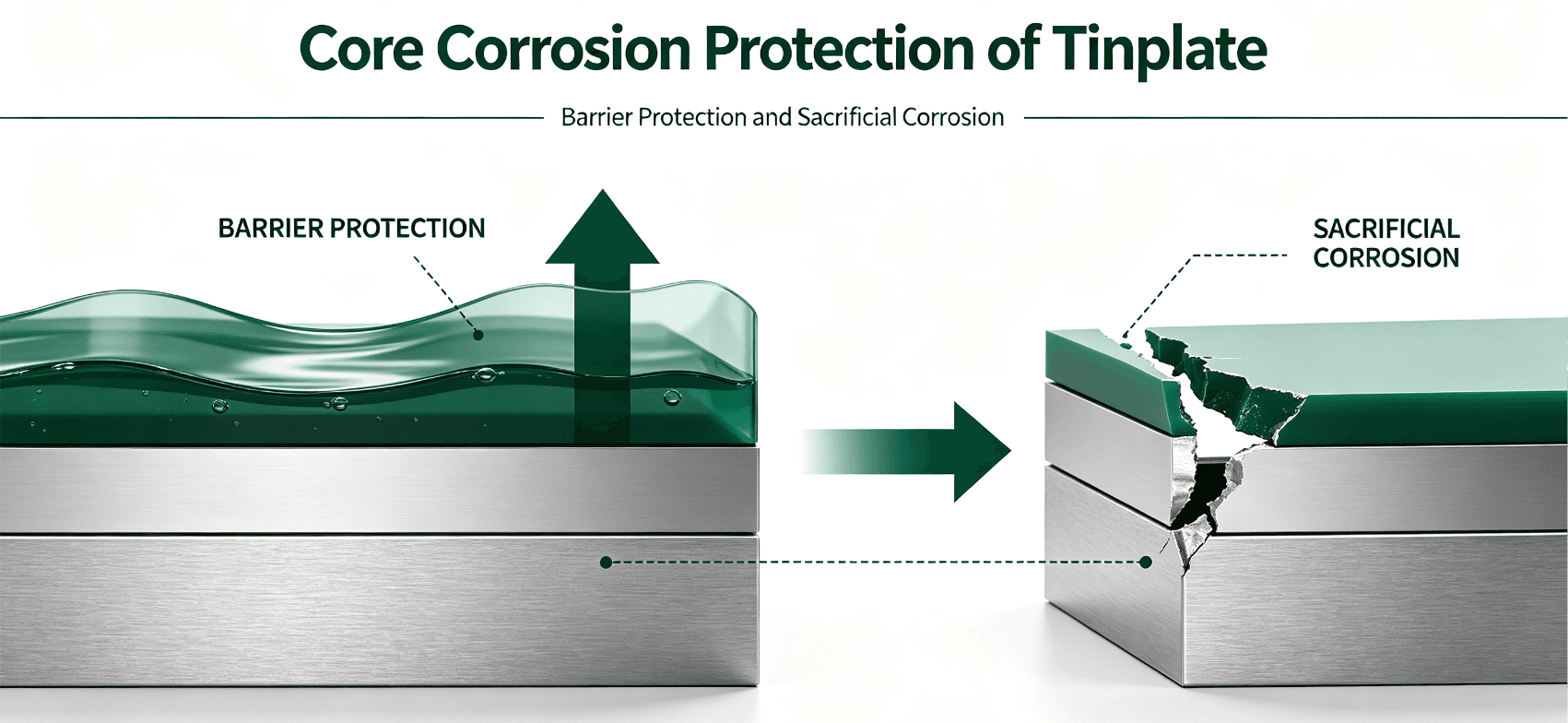
Sacrificial Corrosion & Barrier Protection: Core Anti-Corrosion Principle of Tinplate
The service life and storage safety of metal food cans largely depend on the anti-corrosion performance of packaging materials. As the most widely used substrate for food cans and general metal containers, ETP electrolytic tinplate adopts two core anti-corrosion mechanisms: barrier protection and sacrificial anode protection. These two protection systems work together to ensure stable corrosion resistance in complex food filling and high-temperature sterilization environments.
Want to know more?
Get in touch with us for more information about our services and products.