
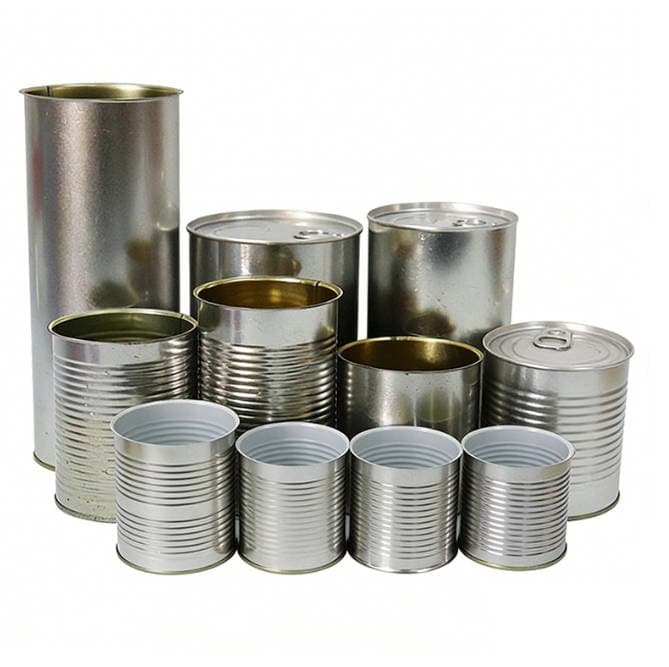
How to Choose the Right Tinplate Temper for Three-Piece Can Bodies: Single Reduced vs. Double Reduced
For can manufacturers and packaging procurement teams, selecting the correct electrolytic tinplate (ETP) temper is not just a pricing decision—it is a strict engineering requirement. Choosing the wrong temper can lead to catastrophic production failures, including flanging cracks, irregular body rolling, and high scrap rates on high-speed seaming lines.
When manufacturing three-piece can bodies, buyers frequently debate between Single Reduced (SR) tinplate and Double Reduced (DR) tinplate. Understanding the mechanical properties of these two specifications is critical to balancing production efficiency with material cost.
Here is a practical guide to making the right technical choice for your metal packaging line.
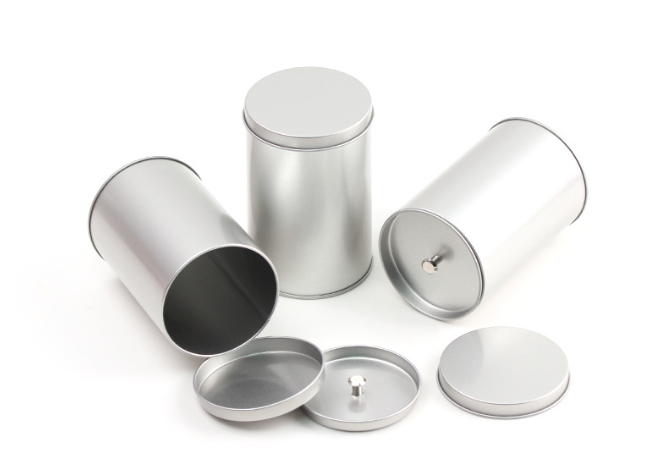
Understanding Tinplate Temper: Single Reduced vs. Double Reduced
The "temper" of tinplate refers to its hardness, yield strength, and forming characteristics, determined by the cold rolling and annealing processes at the steel mill.
- Single Reduced (SR): The steel is cold-rolled once to the desired thickness, then annealed and skin-passed. It offers excellent ductility and elongation, making it forgiving during shaping.
- Double Reduced (DR): The steel undergoes a second cold-rolling process after annealing. This makes the material significantly thinner and harder, but less ductile. It has a highly directional grain structure.
Quick Comparison: SR vs. DR Tinplate
| Material Type | Typical Temper Grades | Ductility & Formability | Base Rigidity | Primary Application for Can Bodies |
|---|---|---|---|---|
| Single Reduced (SR) | T1, T2, T3, T4, T5 | High | Standard | Standard food cans, severe flanging, expanding, deep beading |
| Double Reduced (DR) | DR7, DR8, DR9 | Low (Directional) | Extremely High | High-pressure aerosol cans, cost-saving thin-wall food cans |
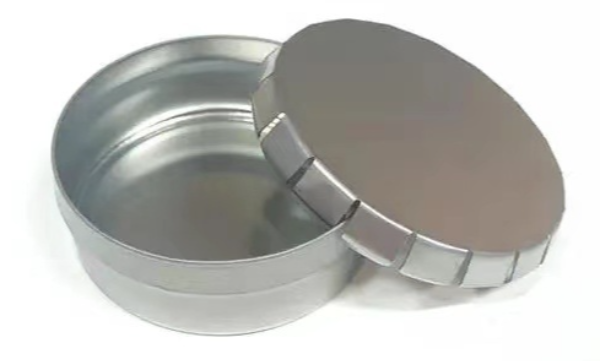
When to Choose Single Reduced (SR) Tinplate
SR tinplate is widely considered the industry standard for general three-piece food cans (such as fruit, vegetable, and meat cans).
Key Advantages
- Superior Flanging Performance: The high elongation of SR material allows the edge of the cylinder to be flared outward (flanged) without splitting or cracking.
- Forgiving on Older Equipment: If your can-making line is older or runs at varying speeds, SR tinplate accommodates slight mechanical inconsistencies better than DR materials.
- Beading Capability: It allows for deep beading (the concentric ridges on the can body) to increase the radial strength of the can without tearing the metal.
The Trade-off
Because it is softer, SR tinplate generally requires a higher base thickness (gauge) to achieve the same structural integrity as a DR can, meaning higher material weight per 1,000 cans.
When to Choose Double Reduced (DR) Tinplate
In recent years, many can manufacturers have shifted to DR tinplate to aggressively reduce material costs. Because DR tinplate is exceptionally strong, you can downgauge (use thinner steel) while maintaining the can's top-load and radial compression strength.
Key Advantages
- Cost Efficiency: Thinner material means more sheets per metric ton, directly lowering the unit cost of each can.
- High Rigidity: Excellent for pressurized contents, making it a standard choice for three-piece aerosol can bodies.
The Trade-off (What Buyers Must Know)
DR tinplate has high directional stiffness. The rolling direction of the steel is critical. When cutting the sheets (especially in scroll cutting), the grain direction must be strictly parallel to the circumference of the can body. If the cylinder is rolled against the grain, the can body will kink (paneling) or the weld seam will fail. Furthermore, DR cannot handle severe necking or excessive flanging due to its low ductility.
How to Prevent Manufacturing Defects
To avoid costly downtime on your production line, ensure your supplier guarantees the following when you order:
- Strict Thickness Tolerance: For DR materials, because the sheet is already thin, any negative thickness deviation can cause the can to collapse under vacuum or pressure. Ensure your supplier adheres to strict international tolerances.
- Clear Grain Direction Marking: If you are buying cut-to-length sheets, your supplier must know your can's height and diameter to cut the sheet with the correct rolling direction.
- Authentic Mill Test Certificates (MTC): Never buy ETP based on price alone. Always demand an MTC from Tier-1 mills to verify the exact Rockwell hardness and yield strength. Substandard steel with inconsistent temper across the coil will jam high-speed welding machines.
Secure Your Metal Packaging Supply with Zenjoy Packaging
Choosing between SR and DR tinplate requires balancing your seaming machinery's capabilities with your budget. At Zenjoy Packaging, we don't just sell steel; we provide technical solutions to ensure your canning lines run without interruption.
With over 20 years of expertise and strategic partnerships with top mills like HBIS, Shougang, and Baosteel, we supply premium ETP and TFS materials tailored to your exact manufacturing requirements.
- Regular Stock: 40,000 MT ready for rapid deployment.
- Quality Assurance: Full QC documentation and ISO 9001 / FSSC 22000 certifications.
- Flexible Supply: MOQ starts at 25 Metric Tons.
Related News
Other news you might be interested in

Choosing the Right Metal Packaging Partner: A Guide to Tinplate, TFS, and Easy Open Ends
Avoid hidden costs in metal packaging with consistent tinplate, TFS, and easy open ends. Compare substrates, source lids, and streamline supply chain with a full-spectrum partner.
How to Select the Right Metal Packaging Materials for Your Food Products
Learn how to select tinplate, TFS, two-piece or three-piece cans, and easy open ends for food packaging. Avoid hidden costs of low-quality materials. Partner with a reliable B2B supplier for consistent quality and supply chain efficiency.
Want to know more?
Get in touch with us for more information about our services and products.