
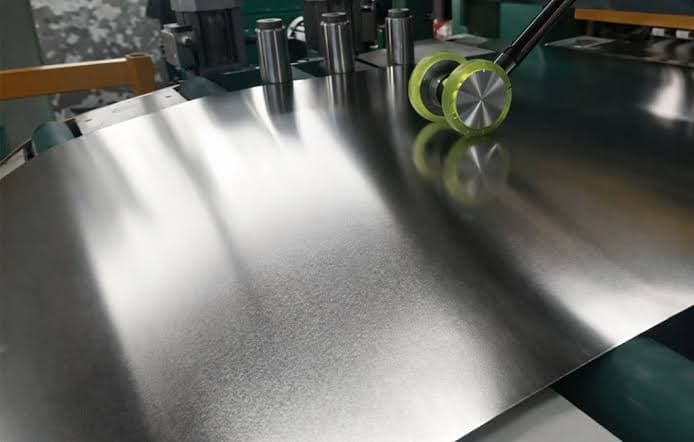
Real Customer Case: Tinplate Sheet Trial Optimization Project for a Southeast Asian Paint Can Factory
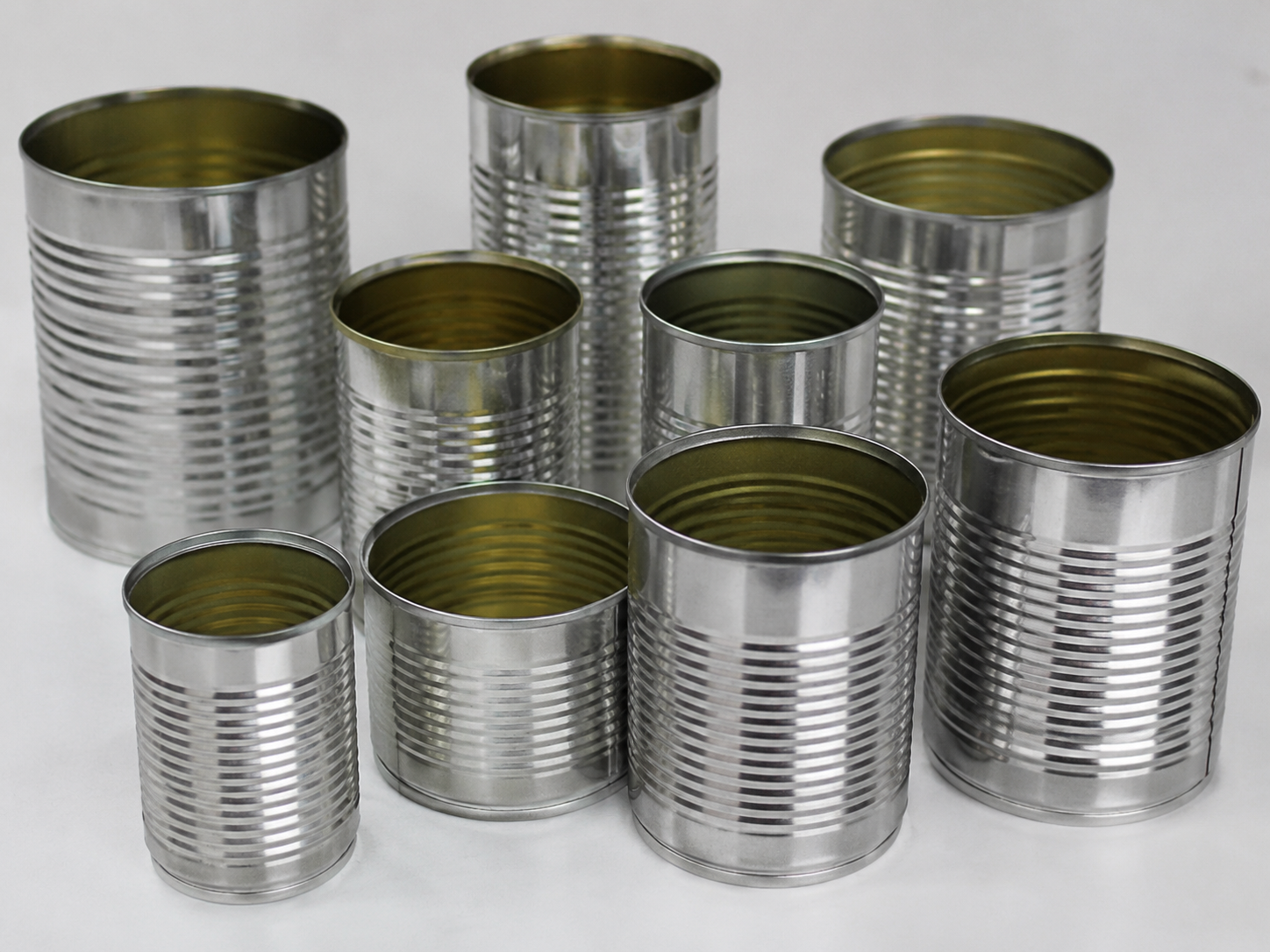
A Southeast Asian customer, mainly producing paint cans, chemical cans, and other general metal containers, uses tinplate sheet as its main raw material. The factory serves a market where production schedules can be tight and material handling may be affected by high temperature, humidity, and frequent movement between storage, printing, and forming areas.
The customer's purchasing focus was not only price. They cared more about practical issues such as:
- whether the material could run stably on their production line
- whether the printed surface would stay clean and consistent
- whether the lid and body fit would remain stable
- whether the defect rate could be controlled in mass production
- whether the material could remain manageable during storage and production handling
When we first spoke with the customer, they were cautious. They had already changed suppliers several times before. In some cases, the samples looked acceptable at first, but once they went into production, small problems appeared, such as slight edge scratches, surface whitening after forming, unstable feeding on some batches, or inconsistent appearance after stamping.
These issues were especially important for a factory coordinating regular production with local and regional deliveries. So this time, the customer did not want to place a bulk order immediately. Instead, they decided to run a trial first and then evaluate whether the material could be used for long-term cooperation.
Stage 1: Sample Confirmation
The customer first shared their current product specification and application requirements. They clearly explained three things:
- The material would be used mainly for paint cans and chemical cans.
- The sheet needed to work well for printing and forming.
- They wanted to reduce setup time and edge waste as much as possible.
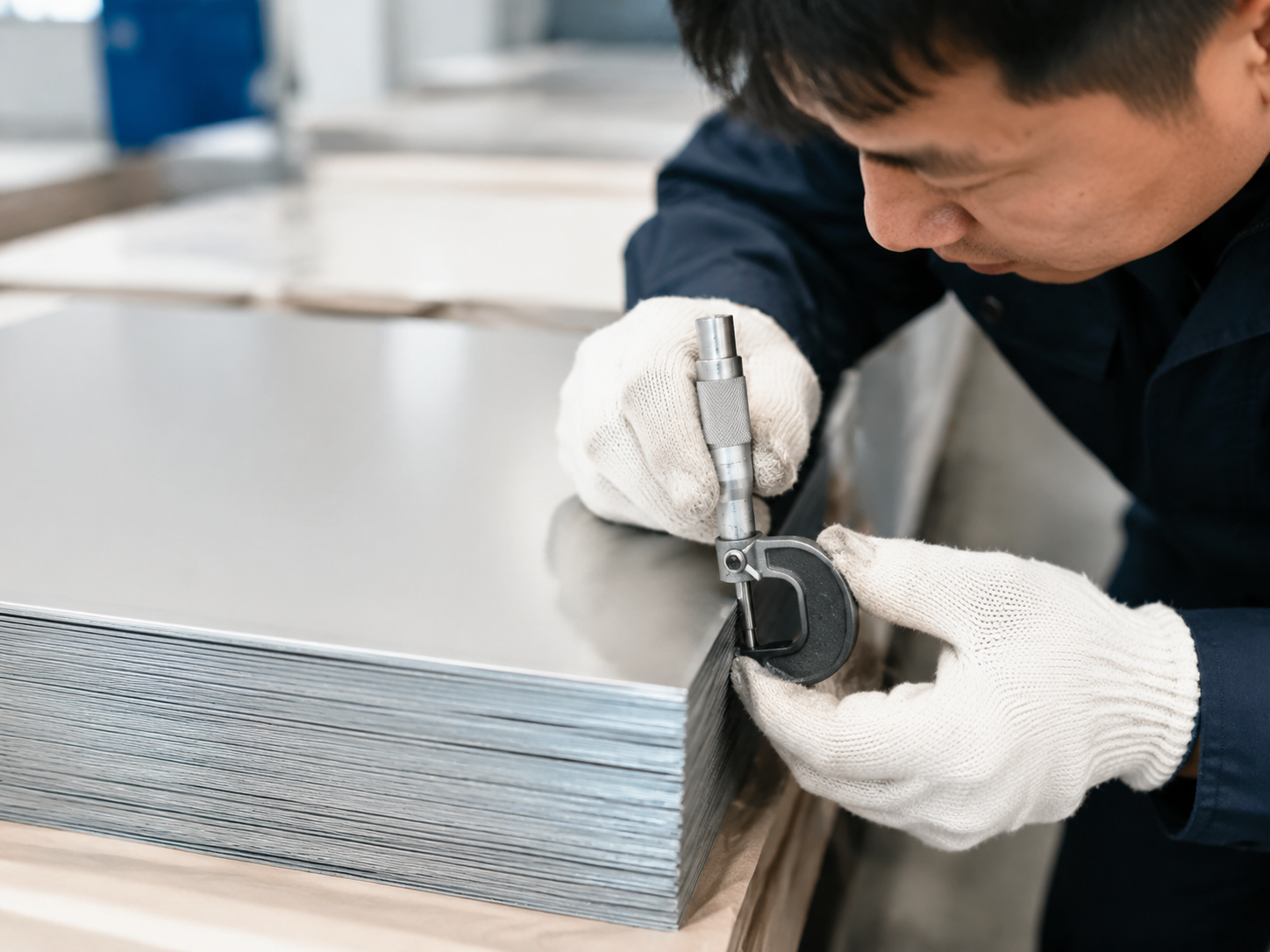
Based on their application, we supplied several tinplate sheet samples for basic evaluation, including checks for:
- flatness
- thickness stability
- surface condition
- edge quality
- forming compatibility
After receiving the samples, the customer carried out a small test run using both manual and machine checks. The first result was generally acceptable, but the customer gave two important comments:
- a slight edge wave appeared during feeding on some sheets
- minor fine marks were visible in local areas after high-speed forming
These issues were not severe, but for a factory running repeat production in a demanding operating environment, even small problems can affect line stability. The customer therefore did not rush into a bulk order. Instead, they asked for one more trial closer to real production conditions.
Stage 2: Specification and Process Adjustment
Based on the customer feedback, we reviewed several key points together:
- whether the sheet size needed a small adjustment
- whether thickness should remain unchanged
- whether the surface finish was better suited for printing and stamping
- whether edge and corner protection in packing needed to be improved
- whether the first trial run should use a slightly lower speed to check stability first
The customer also adjusted their own production settings:
- slightly reduced feeding speed during the first trial
- increased surface inspection frequency
- shortened the waiting time between printing and forming
- strengthened control over edge contact and handling
- paid closer attention to material storage and movement before production
The goal at this stage was not to make the material sound more advanced or more complicated. The goal was simply to make the material and the production line work together more smoothly.
In many cases, the issue is not only the material itself. It is often that the material specification, handling process, and factory production habits are not fully matched yet. This is why a controlled trial is useful before a regular supply arrangement is established.

Stage 3: Small-Batch Continuous Trial
The second trial lasted about three weeks. This time, the customer ran the material under normal production conditions to evaluate stability over time, not just one-sheet performance.
They mainly checked:
- whether feeding was smooth
- whether there was any jamming or shifting
- whether the finished can appearance stayed consistent
- whether there were visible surface defects after printing
- whether the lid and body fit remained stable
- whether the defect rate could be controlled
The result was much more stable than the first trial. The customer reported several clear improvements:
- feeding became smoother and setup time was reduced
- the surface fine-mark issue was much less visible than before
- the appearance of the formed cans became more consistent
- the defect rate dropped from about 2.3% to around 1.4%
- the production team accepted the material much more easily
What the customer cared about most was not one single data point. What mattered most was whether the whole line could run steadily through repeated production cycles.
For them, a material that runs smoothly is more valuable than a material that only looks good on paper.
Final Result
After the trial was completed, the customer fixed this tinplate sheet specification for future paint can and some industrial can orders. For repeat orders, they kept the same specification instead of changing parameters again and again, which made production management much easier.
The project brought three main improvements:
1.The material matched their equipment better
They did not chase the most complicated specification. They chose the one that worked best with their actual line.
2.Production became more stable
Setup time was reduced, the defect rate improved, and operations became smoother.
3.Repeat orders became easier
Once the specification was fixed, purchasing and production communication became much simpler, including coordination for regular regional shipments.
Practical Takeaways for Southeast Asian Buyers
If you are a Southeast Asian can maker, industrial packaging buyer, paint can factory, or metal packaging factory, here are a few practical points to keep in mind when sourcing tinplate sheet:
- Do not compare price only. Check whether the material can run stably on your line.
- Always confirm thickness, temper, surface finish, and sheet size.
- If printing or forming is involved, a trial run is strongly recommended.
- Pay attention to edge condition, flatness, and surface quality before mass production.
- Consider storage, handling, and packing protection when materials may be exposed to warm or humid conditions during local operations.
- If you plan to reorder regularly, keep the specification stable to reduce rework and setup time.
- Confirm packing, shipping marks, and delivery arrangements early when purchasing across Southeast Asia.
---
For Southeast Asian customers, tinplate procurement is not just about comparing prices. The more important question is whether the material matches the factory's real production habits, equipment, handling process, and delivery requirements.
A suitable tinplate sheet is not always the cheapest one, but it is often the one that runs more steadily, causes fewer problems, and works better for long-term production.
We can help review the most suitable material option for your production needs in Southeast Asia.
Related News
Other news you might be interested in

Sulfuration Black Spot Analysis: Material Causes and Solutions for Food Cans
Sulfuration black spots inside food cans are one of the most common quality puzzles for can manufacturers. Many factories mistakenly attribute the problem to coating or sterilization process issues. In fact, most recurring sulfuration discoloration stems from **incorrect metal substrate selection and surface passivation defects. This article professionally analyzes the essential material causes of can sulfuration black spots, clarifies the performance differences between ETP tinplate and TFS tin-free steel in anti-sulfur scenarios, and provides targeted, actionable solutions for mass can production.

Metal Packaging Sourcing Simplified: Choosing Tinplate, TFS, and Easy Open Ends for Your Product Line
Discover how strategic sourcing of tinplate, TFS, and easy open ends reduces risk, stabilizes lead times, and supports flexible can production for food and industrial packaging buyers.
Want to know more?
Get in touch with us for more information about our services and products.