
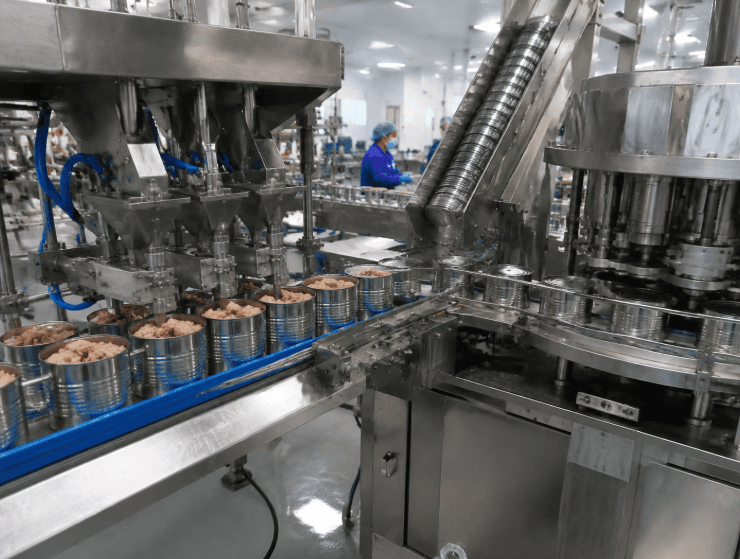
Rising Demand for Shelf-Stable Foods: Why Tinplate Cans Remain a Strategic Packaging Choice for Seafood, Pet Food, and Ready Meals
Demand for Shelf-Stable Foods Continues to Grow
In recent years, the market for shelf-stable foods has continued to expand. Consumers are showing stronger interest in convenient foods, ready-to-eat products, wet pet food, and ambient ready meals. As a result, canned food is once again becoming an important category for food brands and manufacturers.
Compared with packaging formats that rely heavily on cold-chain logistics, shelf-stable canned foods offer greater flexibility in warehousing, transportation, retail distribution, and cross-border trade. For food manufacturers, packaging is no longer just a container. It directly affects product shelf life, supply chain efficiency, and market coverage.
Seafood cans, meat cans, wet pet food, sauces, and ready meals often need to withstand high-temperature sterilization, long-distance transportation, and extended shelf display. This creates higher requirements for packaging strength, sealing performance, and food safety stability.
Tinplate Cans Provide Reliable Food Protection
Tinplate cans have been widely used in the food industry for many years because of their excellent barrier performance and structural strength. Metal cans can effectively block oxygen, light, and external moisture, helping reduce the risk of oxidation, contamination, and product deterioration during storage.
This is especially important for seafood, meat, sauces, and wet pet food, which often contain high protein, oil, salt, or moisture. In addition, tinplate cans offer strong compression resistance during stacking and transportation, helping reduce the risk of deformation, leakage, and packaging damage.
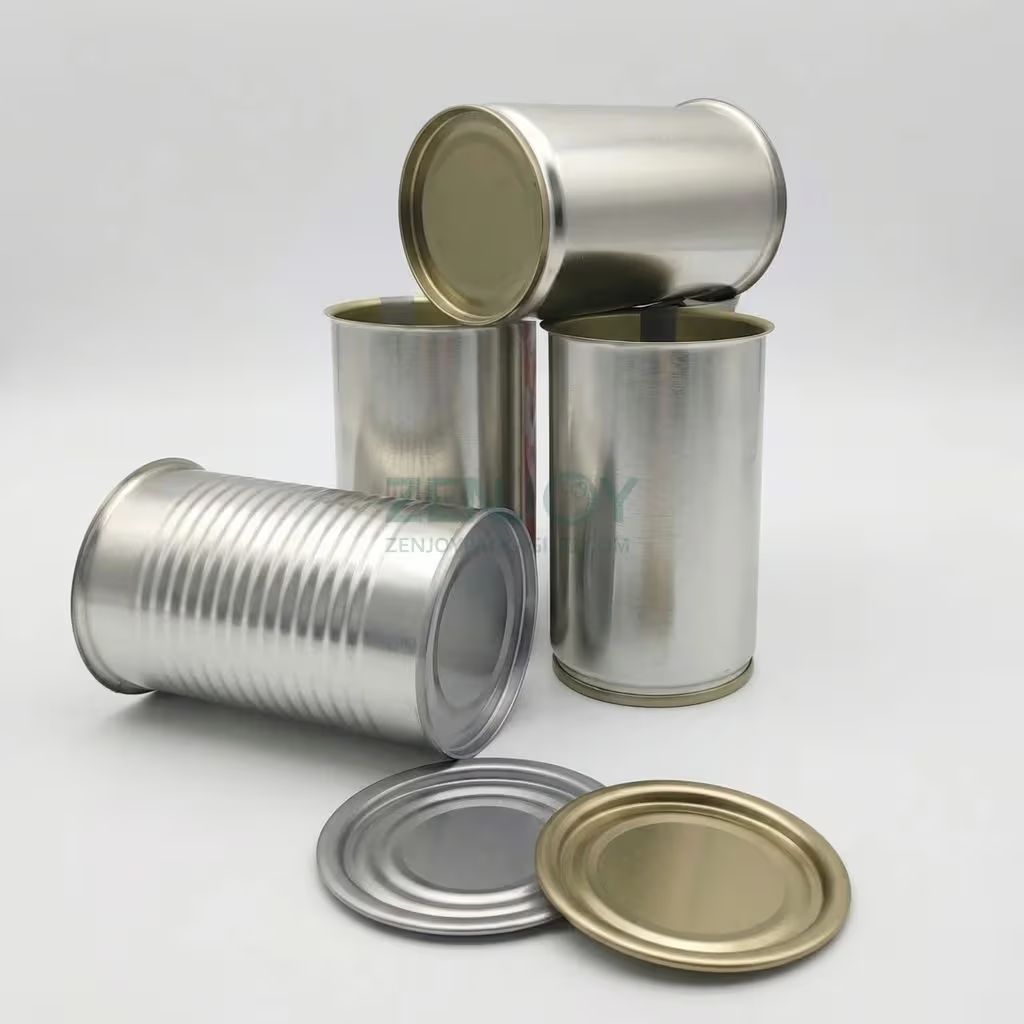
Three-piece can can be used for a wide range of food can packaging applications, including seafood, meat, condiments, and other shelf-stable food products. For brands that require different sizes, coatings, and printed designs, three-piece cans also offer strong customization flexibility.
Seafood and Wet Pet Food Drive Easy-Open End Applications
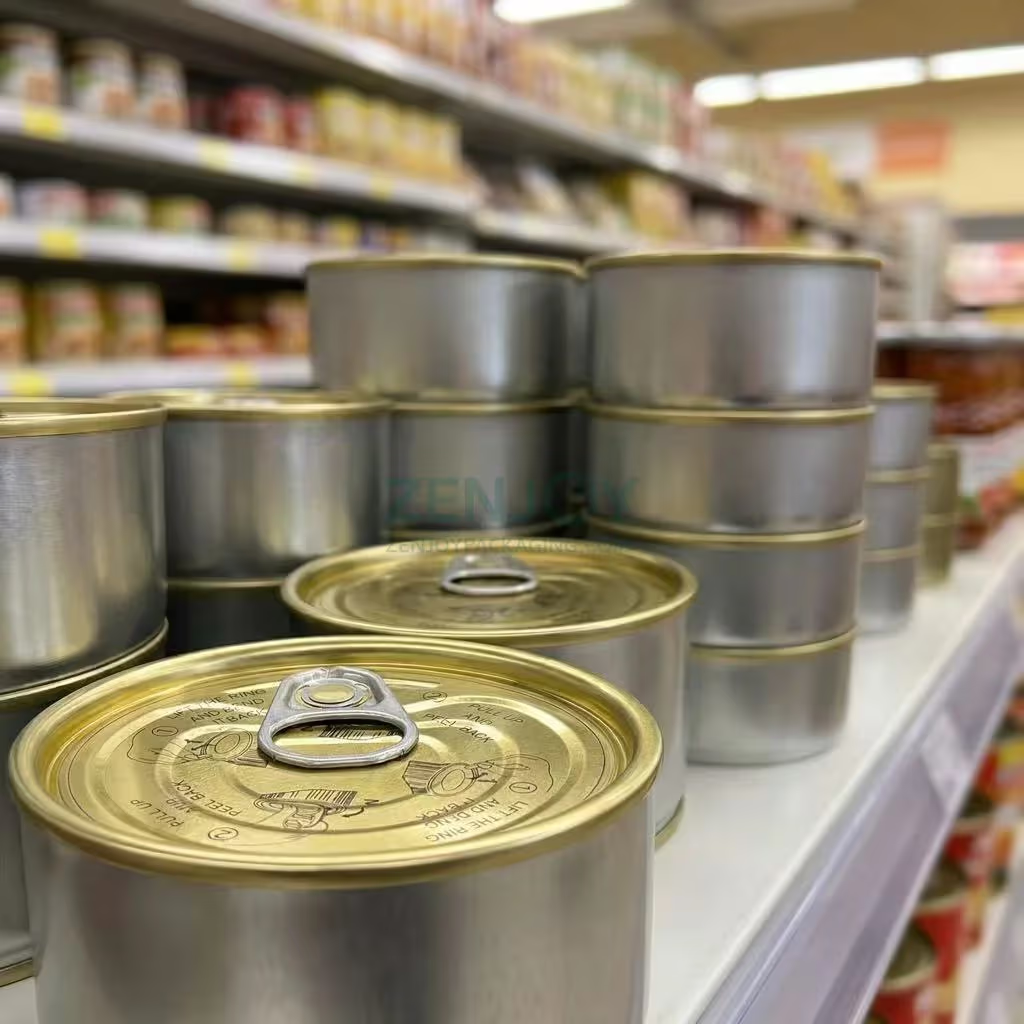
Seafood cans and wet pet food are two important application areas driving demand for tinplate packaging. Seafood products usually contain higher salt levels, which means the can body coating, sealing performance, and corrosion resistance must meet stricter requirements. Wet pet food, meanwhile, places greater emphasis on freshness protection, convenient opening, and consumer experience.
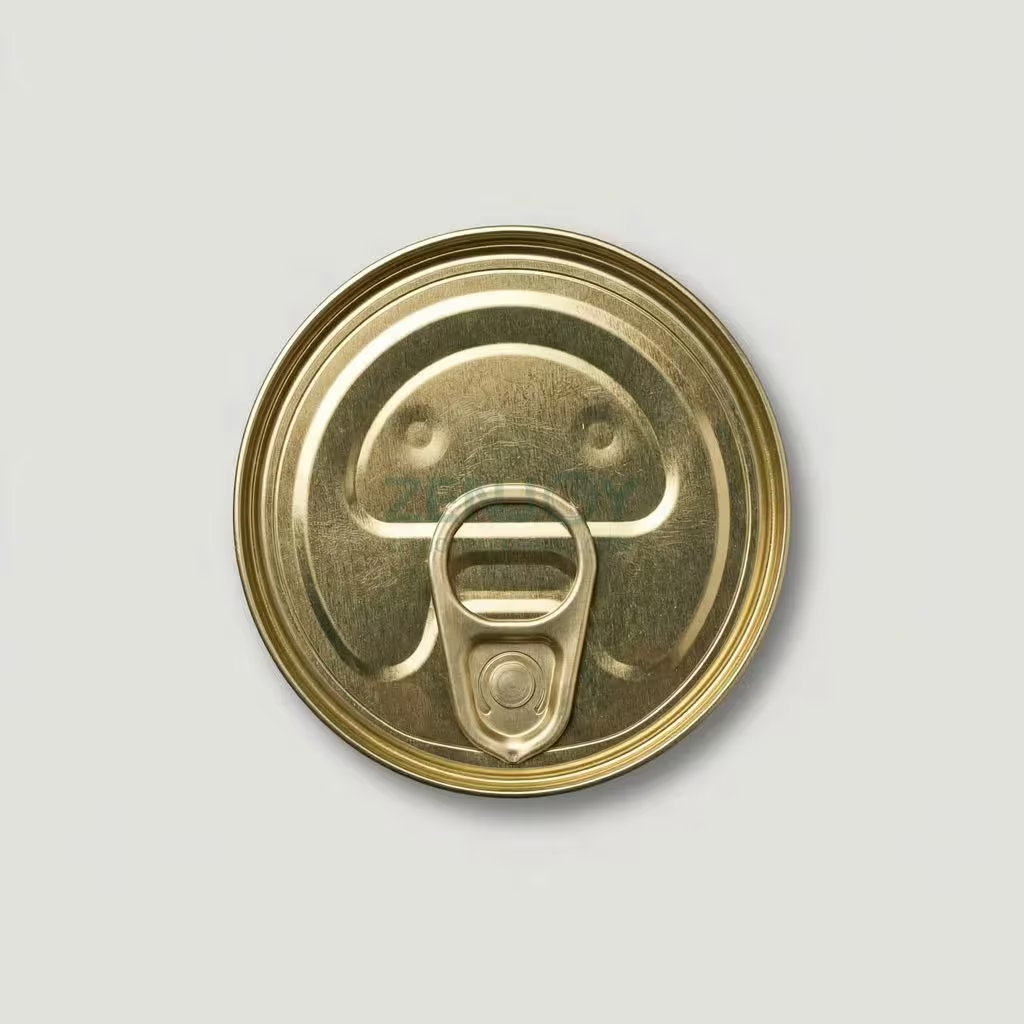
For these applications, the can end is just as important as the can body. Easy-open ends not only improve user convenience but also help maintain sealing stability during sterilization, storage, and transportation.
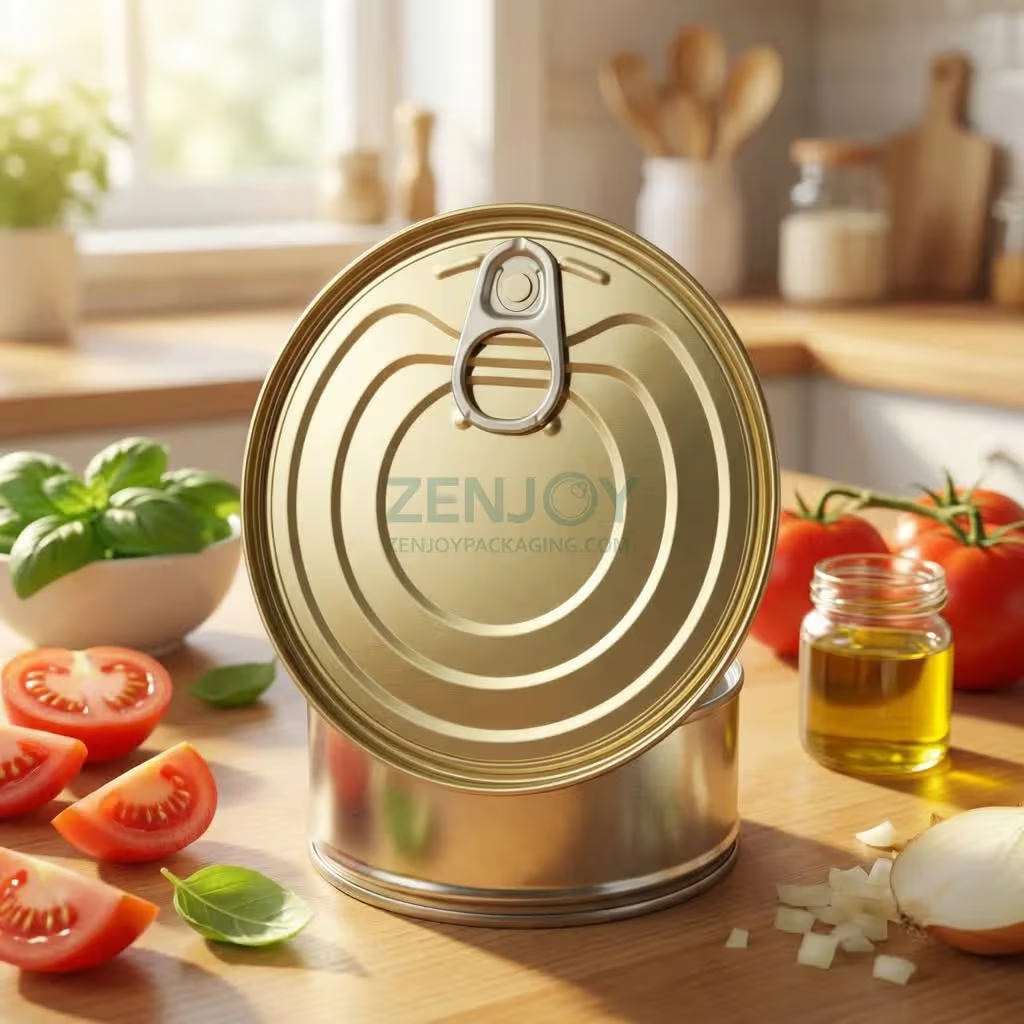
Full Aperture - Round can be used for pet food cans, luncheon meat, jam, seafood, and other food can packaging applications. It helps food manufacturers improve opening convenience while maintaining reliable sealing performance and product competitiveness on the shelf.
Ready-Meal Packaging Requires Strong Channel Adaptability
The growth of ready meals and prepared foods has made channel adaptability more important in packaging decisions. Shelf-stable canned foods do not require cold-chain distribution, making them suitable for supermarkets, convenience stores, e-commerce warehouses, wholesale channels, and overseas markets.
For export-oriented food manufacturers, tinplate cans can help products better adapt to long-distance transportation and multi-level distribution environments. Stable can types, end types, coatings, and printing solutions also help brands maintain consistency across different production batches.
For food companies with multiple flavors, sizes, or market versions, planning the packaging structure in advance can reduce later supply chain adjustment costs and improve order delivery efficiency.
Sustainability Trends Strengthen the Long-Term Value of Tinplate Cans
As the global packaging industry moves toward recyclability, plastic reduction, and circular economy models, the sustainable value of tinplate cans is receiving renewed attention. Steel packaging has a mature recycling system and can re-enter the material cycle after recovery, making it more attractive in markets with stricter environmental regulations and stronger brand sustainability commitments.
Overall, the rising demand for shelf-stable foods is not a short-term trend. It is being driven by convenience-focused consumption, pet food upgrades, cross-border food trade, and sustainable packaging requirements.
Related News
Other news you might be interested in
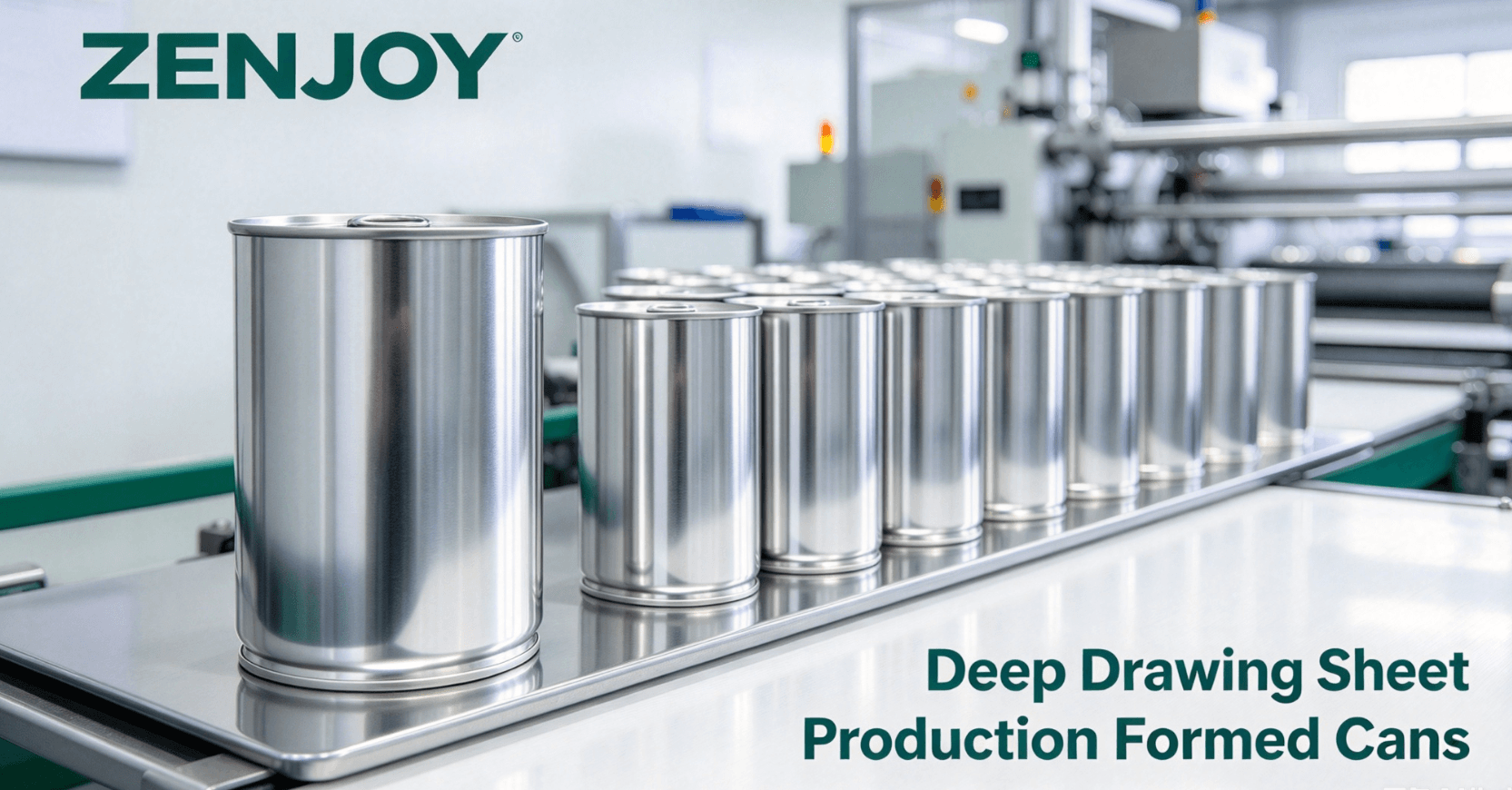
Deep Drawing Cracking Dilemma: How Tinplate Hardness and Elongation Affect Can Forming
Deep drawing cracking is one of the most common mechanical defects in DRD two-piece cans and complex shaped metal containers. Most stamping failures are not caused by mold parameters or lubrication issues, but by mismatched tinplate hardness and insufficient elongation. Unreasonable material temper selection will lead to edge cracking, body tearing and high scrap rate during high-speed continuous forming.

Tinplate Coating Peeling Risk Analysis and Avoidance Under High-Temperature Retort Sterilization
High-temperature retort sterilization is an essential process for shelf-stable food cans. However, long-term high-temperature and high-pressure environments easily cause coating blistering, delamination and peeling on the inner wall of metal cans. Many can manufacturers attribute coating failure solely to lacquer quality or baking process. In fact, **tinplate substrate performance, surface condition and material matching** are the core hidden causes of most high-temperature coating peeling problems. This article professionally analyzes the root causes of tinplate coating peeling under retort conditions, explains the difference in high-temperature resistance between ETP tinplate and TFS steel, and summarizes practical and operable avoidance solutions for mass production.
Want to know more?
Get in touch with us for more information about our services and products.