
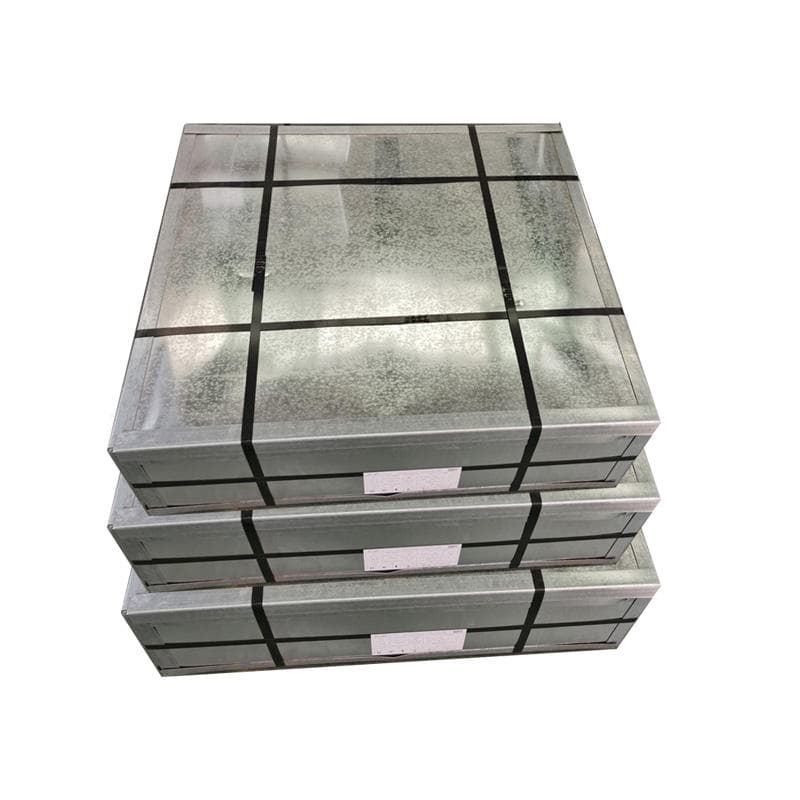
TFS vs Tinplate for Can Ends: How to Choose Based on Coating, Stamping, and Printing
When choosing material for can ends, lids or easy‑open ends, buyers usually compare TFS and Tinplate. Both materials are widely used in metal packaging, but they have different surface treatments and processing characteristics.
The right choice depends on the can end design, product contents, coating system, stamping process and printing requirements. Neither material is automatically better for every application.
What Is the Difference Between TFS and Tinplate?
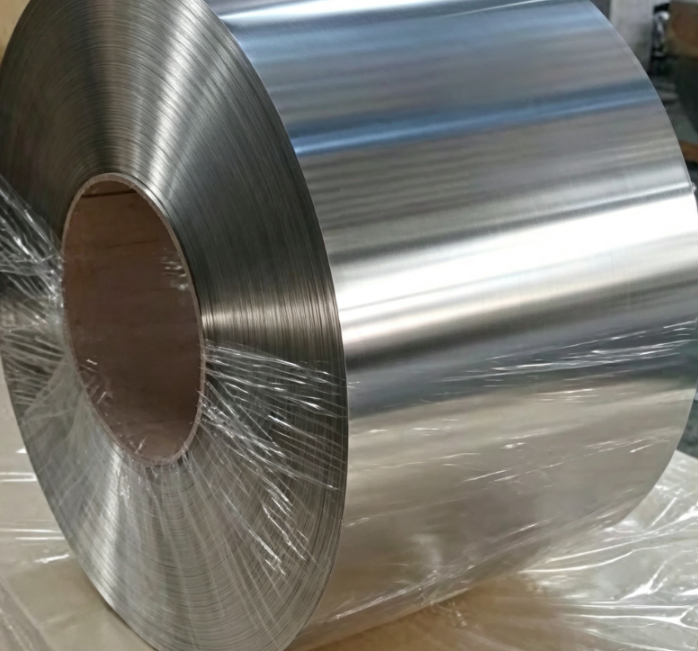
Tinplate, also called ETP, is low‑carbon steel coated with tin through an electrolytic process. It is widely used for food cans, beverage cans, chemical containers, metal lids and decorative tins.
TFS, also known as tin‑free steel or ECCS, uses a chromium‑based surface treatment instead of a tin coating. It is commonly used for can ends, easy‑open ends, twist‑off closures and shallow‑drawn packaging components.
| Feature | Tinplate / ETP | TFS / ECCS |
|---|---|---|
| Surface treatment | Electrolytic tin coating | Chromium‑based treatment |
| Common applications | Food cans, beverage cans, lids, closures and decorative tins | Can ends, easy‑open ends, closures and shallow‑drawn cans |
| Main selection factors | Corrosion protection, appearance and forming | Coating adhesion, forming and lacquer compatibility |
| Printing | Suitable for printed and decorative packaging | Suitable when the coating and printing system are compatible |
| Final performance | Depends on material, lacquer and processing | Depends strongly on the lacquer and coating system |
1. Coating and Corrosion Protection
Coating is one of the most important factors when selecting material for can ends.
Tinplate provides a tin‑coated surface and is widely used in food and beverage packaging. The correct coating weight should be selected according to the product contents, storage conditions and internal lacquer system.
TFS does not use a tin coating. Its final corrosion protection depends more heavily on the selected lacquer or coating system. Therefore, buyers using TFS should confirm:
- Lacquer compatibility
- Coating adhesion
- Resistance during stamping
- Internal coating requirements
- Product contents and storage conditions
For both materials, the substrate, surface treatment, lacquer and forming process must be considered together.
2. Stamping and Forming Performance
Can ends are normally produced through stamping, forming, scoring, curling and riveting. Material performance can be affected by thickness, temper grade, annealing condition, tooling design and machine settings.
Tinplate is commonly used for different types of lids and can ends. Buyers should confirm:
- Thickness
- Steel grade
- Temper grade
- BA or CA annealing
- Coating weight
- Surface finish
- Required forming depth

TFS is also widely used for can ends and easy‑open ends. Before ordering, buyers should confirm:
- TFS thickness and temper grade
- Coating condition
- Stamping depth
- Tooling design
- Lubrication requirements
- Coating performance after forming
A material that performs well on one production line may require different settings on another line. Trial production is recommended before bulk ordering, especially when changing from Tinplate to TFS or the reverse.
3. Printing and Surface Finish
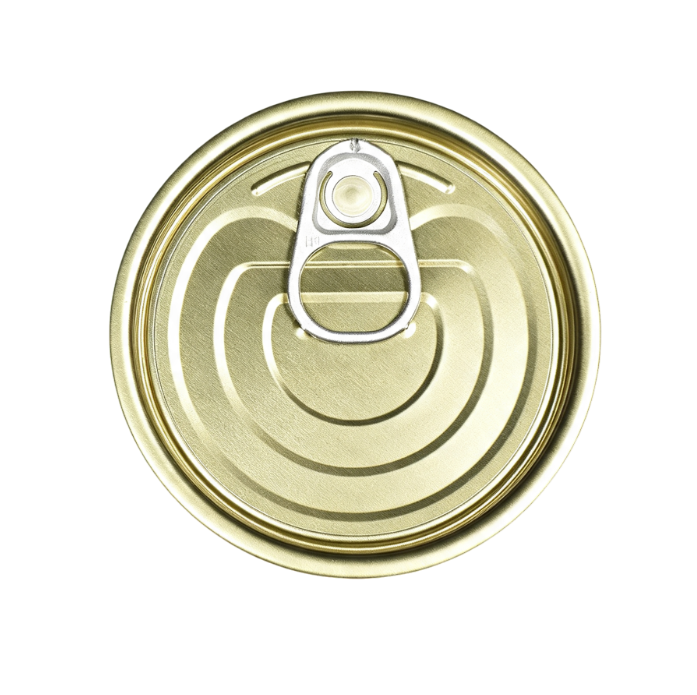
For printed can ends, tea tins, biscuit tins, gift tins and decorative packaging, surface quality is important.
Tinplate may be supplied with different surface finishes, such as bright, matte, stone or silver. Buyers should check:
- Surface cleanliness
- Sheet flatness
- Ink adhesion
- Printing method
- Over‑varnish compatibility
- Scratch resistance
- Forming after printing
TFS can also be used for lacquered and printed packaging components. However, the base coat, ink and over‑varnish must be compatible with the TFS surface.
If the sheet will be printed before stamping, the printing and forming processes should be tested together. Poor coating adhesion or unsuitable varnish may lead to peeling, scratches or appearance problems after forming.
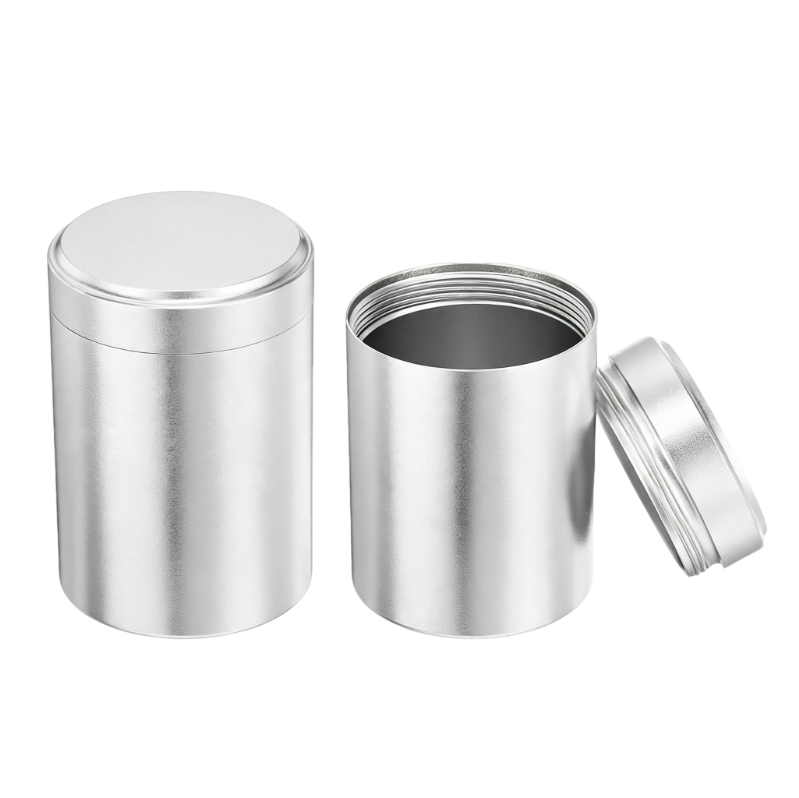
How Should Buyers Choose?
| Application | Material to Evaluate | Key Checks |
|---|---|---|
| Food can ends | Tinplate or TFS | Product contents, internal lacquer and forming |
| Easy‑open ends | TFS or Tinplate | Thickness, temper, scoring and coating |
| Printed decorative ends | Tinplate or coated TFS | Surface finish, ink adhesion and varnish |
| Chemical or paint containers | Tinplate or TFS | Chemical compatibility and corrosion protection |
| Trial production | Either material | Existing machine, tooling and coating system |
Tinplate may be a good option when the project requires a tin‑coated surface, established food packaging performance or a specific appearance.
TFS may be suitable for can ends, easy‑open ends and painted packaging components when the customer already has a compatible lacquer and forming process.
---
TFS and Tinplate can both be used for can ends, lids and metal packaging components. The final decision should not be based only on material price.
Buyers should compare coating performance, stamping requirements, printing quality, product compatibility and production conditions. A trial order is recommended when changing material or developing a new can end design.
Zenjoy Packaging supplies Tinplate and TFS in coil and cut‑to‑length sheet formats.
Related News
Other news you might be interested in

Tinplate Coating Peeling Risk Analysis and Avoidance Under High-Temperature Retort Sterilization
High-temperature retort sterilization is an essential process for shelf-stable food cans. However, long-term high-temperature and high-pressure environments easily cause coating blistering, delamination and peeling on the inner wall of metal cans. Many can manufacturers attribute coating failure solely to lacquer quality or baking process. In fact, **tinplate substrate performance, surface condition and material matching** are the core hidden causes of most high-temperature coating peeling problems. This article professionally analyzes the root causes of tinplate coating peeling under retort conditions, explains the difference in high-temperature resistance between ETP tinplate and TFS steel, and summarizes practical and operable avoidance solutions for mass production.
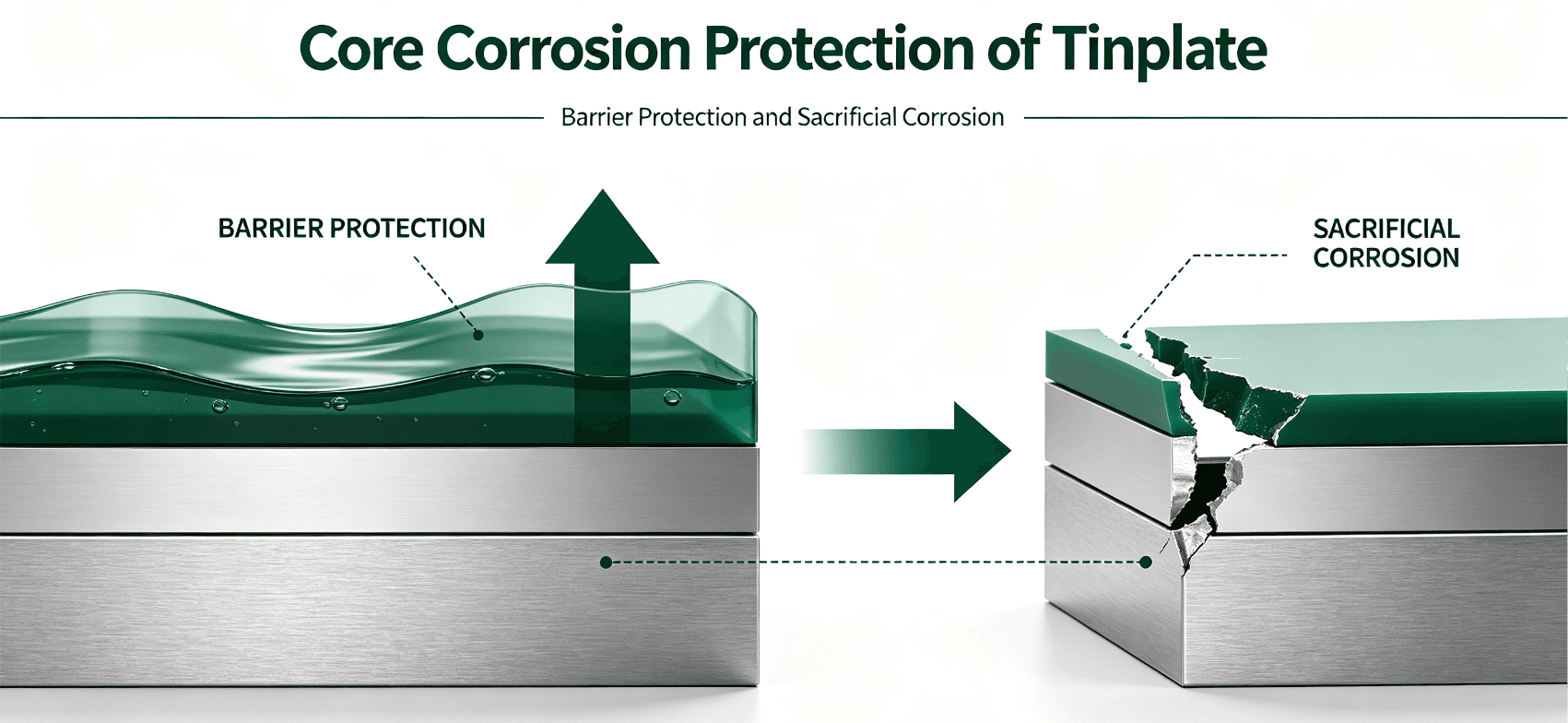
Sacrificial Corrosion & Barrier Protection: Core Anti-Corrosion Principle of Tinplate
The service life and storage safety of metal food cans largely depend on the anti-corrosion performance of packaging materials. As the most widely used substrate for food cans and general metal containers, ETP electrolytic tinplate adopts two core anti-corrosion mechanisms: barrier protection and sacrificial anode protection. These two protection systems work together to ensure stable corrosion resistance in complex food filling and high-temperature sterilization environments.
Want to know more?
Get in touch with us for more information about our services and products.