
Tinplate Inquiry Guide: What Information Buyers Should Provide Before Ordering
Many tinplate inquiries start with a short message such as “Please quote tinplate” or “Send your best price.” This is common, but it is usually not enough for an accurate quotation.
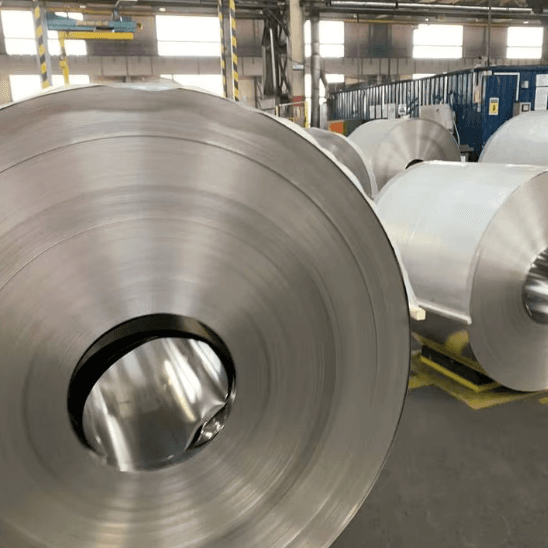
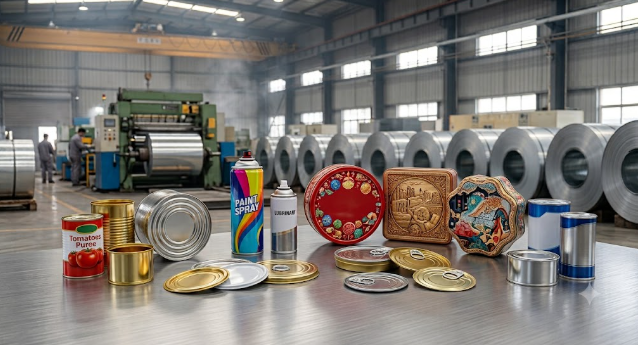
Tinplate is not one single standard product. It can be supplied in coil, sheet, cut sheet, scroll cut sheet, lacquered sheet, or printed sheet. It may be used for food cans, dry food cans, aerosol cans, paint cans, can ends, lids, gift tins, tea tins, biscuit tins, and other metal packaging products.
Different applications may need different thickness, temper, coating, surface finish, size, and packing. If the inquiry is not clear, the supplier may need to ask many follow-up questions, and the first quotation may not match the buyer’s real production need.
For can manufacturers, lid producers, metal printing factories, and packaging material buyers, providing clear order information from the beginning can save time and reduce purchasing risk.
Key Information Buyers Should Provide
Before asking for a quotation, buyers should try to provide the following information.
1. Application
The application is the foundational detail for material recommendation. It helps suppliers judge whether the material needs specific printing, welding, stamping, forming or corrosion resistance performance. For example, tinplate for printed decorative tins has very different requirements from material for industrial paint cans or food can bodies.
2. Material Form
Confirm whether you need tinplate coils, standard sheets, cut-to-length sheets, scroll cut sheets, slit coils, lacquered sheets, printed sheets, or TFS materials. Different production lines are designed for different material forms: large can makers usually prefer coils, while metal printing factories mostly use sheets.
3. Thickness and Temper
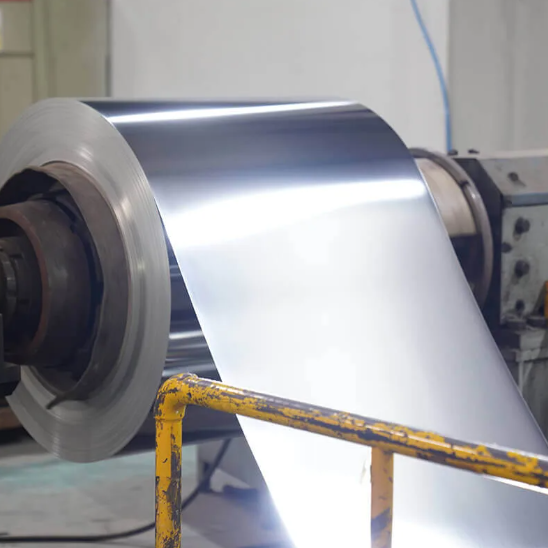
Thickness affects strength, forming, cost, and material yield. Temper affects hardness and forming performance.
Buyers should provide the required thickness and temper if available. If they are not sure, they can share the final product application or current material specification.
4. Coating Requirement
For tinplate, buyers should provide the required tin coating if they know it. For lacquered or printed materials, buyers should also explain whether inner lacquer, outer lacquer, or printing is required.
If the material will be used for food packaging, buyers should mention the packed product type, such as dry food, wet food, sauce, powder, or chemical product.
5. Surface Finish
Surface finish affects appearance, printing, coating, and final packaging quality.
Common surface finishes include:
- Bright
- Stone
- Silver
- Matte
Printed packaging, food cans, industrial cans, and decorative tins may need different surface finishes.
6. Size
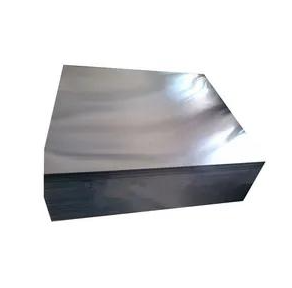
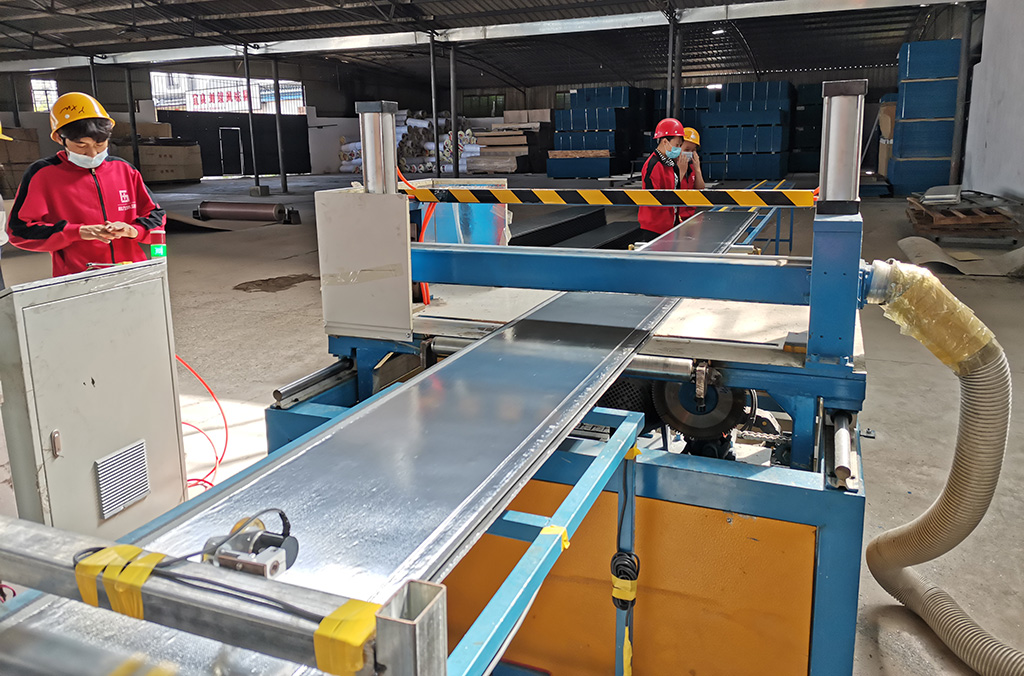
Size information is necessary for quotation and production planning.
Buyers should provide:
- Coil width
- Sheet width and length
- Slit width
- Scroll cutting size or drawing
Clear size information helps reduce waste and avoid production mismatch.
7. Quantity
Quantity affects price, packing, production planning, and delivery time.
Buyers can provide:
- Trial order quantity
- First order quantity
- Monthly usage
- Container quantity
- Annual demand if available
If the order is only for testing, it is better to say it clearly.
8. Packing and Destination Port
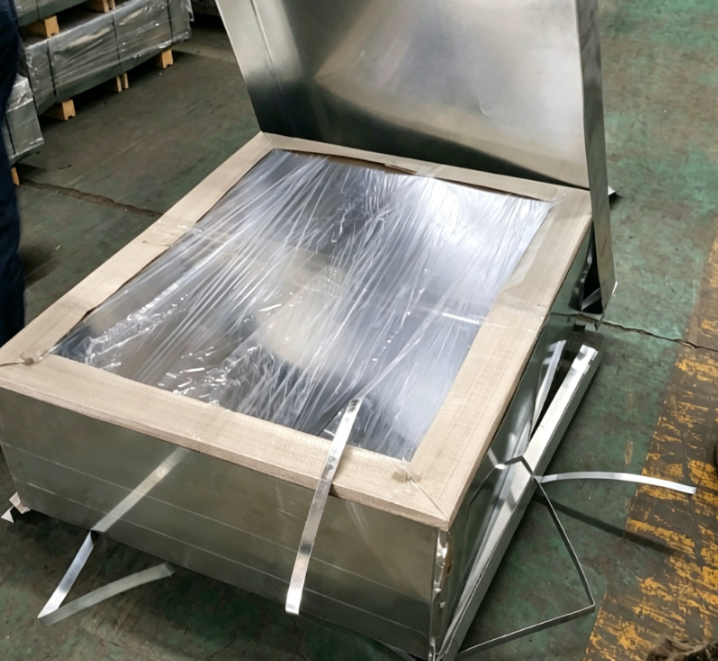
Tinplate and TFS materials need proper packing to reduce the risk of rust, scratches, edge damage, and moisture during transport.
Buyers should confirm whether they need export seaworthy packing, pallet packing, moisture protection, or special labeling.
For export quotations, buyers should also provide the destination port and trade term, such as FOB, CFR, or CIF.
Simple Tinplate Inquiry Checklist
| Item | Information to Provide |
|---|---|
| Application | Food can, lid, aerosol can, gift tin, paint can, etc. |
| Material form | Coil, sheet, cut sheet, scroll cut sheet, slit coil |
| Thickness | Required thickness in mm |
| Temper | T1, T2, T3, T4, T5, DR, or current specification |
| Coating | Tin coating, lacquer, printing, or TFS coating requirement |
| Surface finish | Bright, stone, silver, matte, or other |
| Size | Coil width, sheet size, slit width, scroll cutting size |
| Quantity | Trial order, first order, monthly usage, or bulk order |
| Packing | Export packing, pallet, moisture protection, labeling |
| Delivery | Destination port and trade term |
Example of a Clear Tinplate Inquiry
A clear inquiry may look like this:
We need tinplate sheets for food can body production.
Application: food can body
Material: tinplate sheet
Thickness: 0.20 mm
Temper: T3 Tin coating: 2.8/2.8 g/m2
Surface finish: stone finish
Size: 712 x 512 mm
Process: printing, lacquering, welding, forming
Quantity: 25 tons for first order
Packing: export seaworthy packing on pallets
Destination port: CIF Callao, Peru
Please quote price and delivery time.
A very general inquiry such as “Please quote tinplate with best price” is usually not enough. The supplier still needs to confirm the application, thickness, size, coating, surface finish, and quantity before giving a useful quotation.
FAQ
1. What is the most important information when ordering tinplate?
The most important information includes application, material form, thickness, temper, coating, surface finish, size, quantity, packing requirement, and destination port.
2. Can I ask for a quotation if I do not know the temper or coating?
Yes. If you are not sure, you can provide the final application, current material specification, or photos of the product. The supplier can help check suitable options.
3. Why does the supplier ask about the final application?
Because tinplate for food cans, lids, aerosol cans, paint cans, and printed tins may require different material performance.
4. Should I provide destination port when asking for a quotation?
Yes, if you need CFR or CIF pricing. The destination port helps the supplier calculate freight and delivery time more accurately.
Conclusion
When ordering tinplate, a clear inquiry is more useful than a short request for the lowest price. Buyers should provide application, material form, thickness, temper, coating, surface finish, size, quantity, packing requirement, and destination port.
If you are sourcing tinplate coil, tinplate sheet, TFS, lacquered tinplate, printed tinplate, or scroll cut sheets for metal packaging production, please send us your application, thickness, temper, coating requirement, surface finish, size, quantity, packing requirement, and destination port.
Our team can help review suitable material options and provide a practical quotation for your order.
Related News
Other news you might be interested in
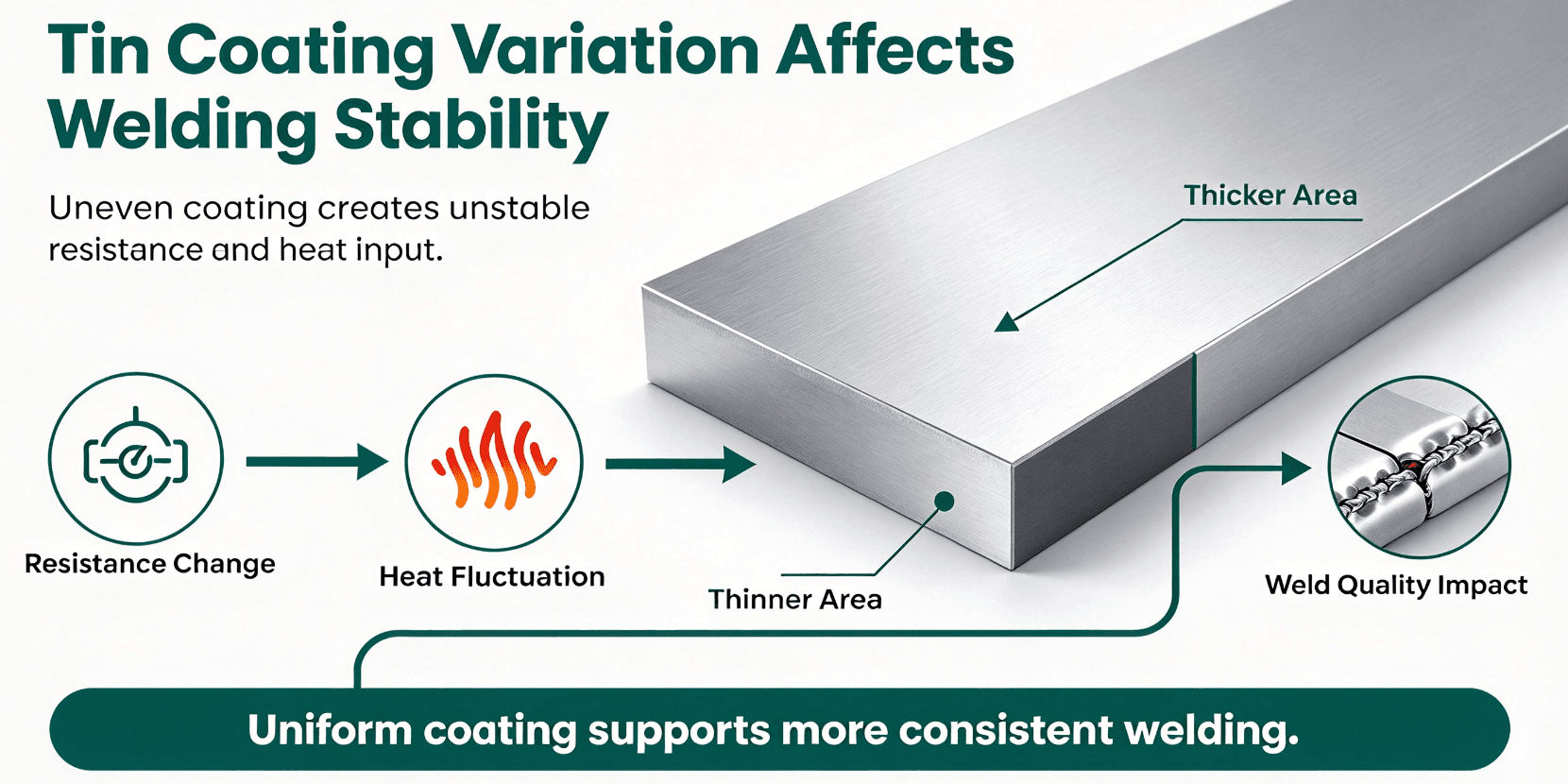
Weld Spatter & Leakage Defects: The Decisive Role of Tin Coating Uniformity in Can Welding Quality
High-speed resistance seam welding is the core forming process for three-piece metal cans. In actual mass production, persistent weld spatter, granular slag residue and hidden seam micro-leakage severely compromise sealing consistency, sterilization resistance and finished product yield. Most manufacturers tend to attribute these defects to unstable current, improper pressure or worn welding wheels. However, industrial verification proves that uneven tin coating distribution on tinplate is the fundamental material-induced root cause of recurring welding spatter and leakage issues.
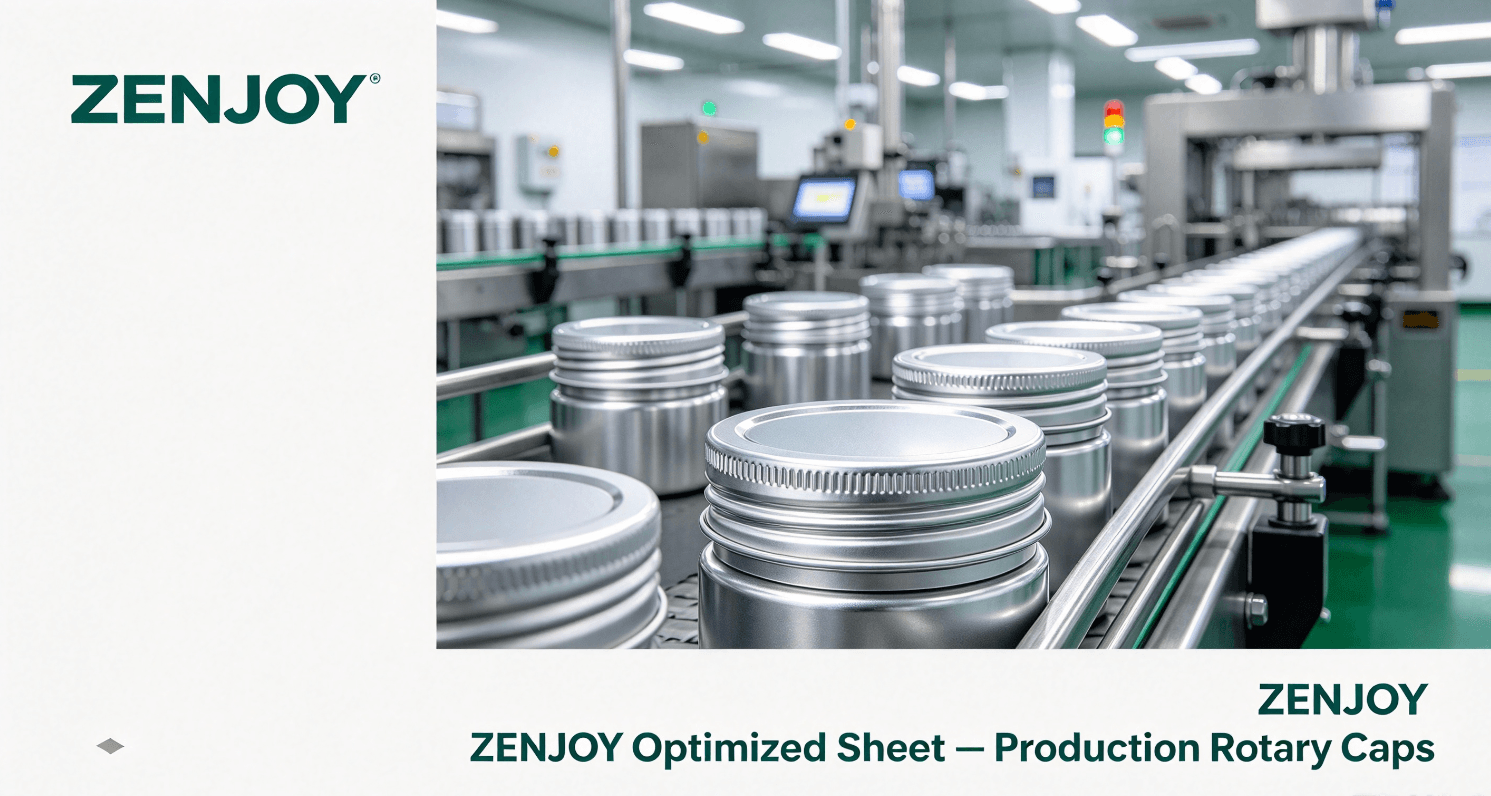
Low-Earing CA Annealed Tinplate: The Optimal Material for Stable Twist-Off Lid Deep Drawing & High Yield Rate
Twist-off lid manufacturing has extremely strict requirements on material anisotropy and ductility. Different from regular can bodies, twist-off lids undergo complex deep drawing, edge trimming and crimping processes, making them highly sensitive to uneven steel performance. According to actual mass production verification, no alternative tinplate grades can achieve stable forming results for twist-off lid production. Low-earning CA continuous annealed tinplate remains the most suitable and high-performance material dedicated for twist-off lid stamping.
Want to know more?
Get in touch with us for more information about our services and products.