
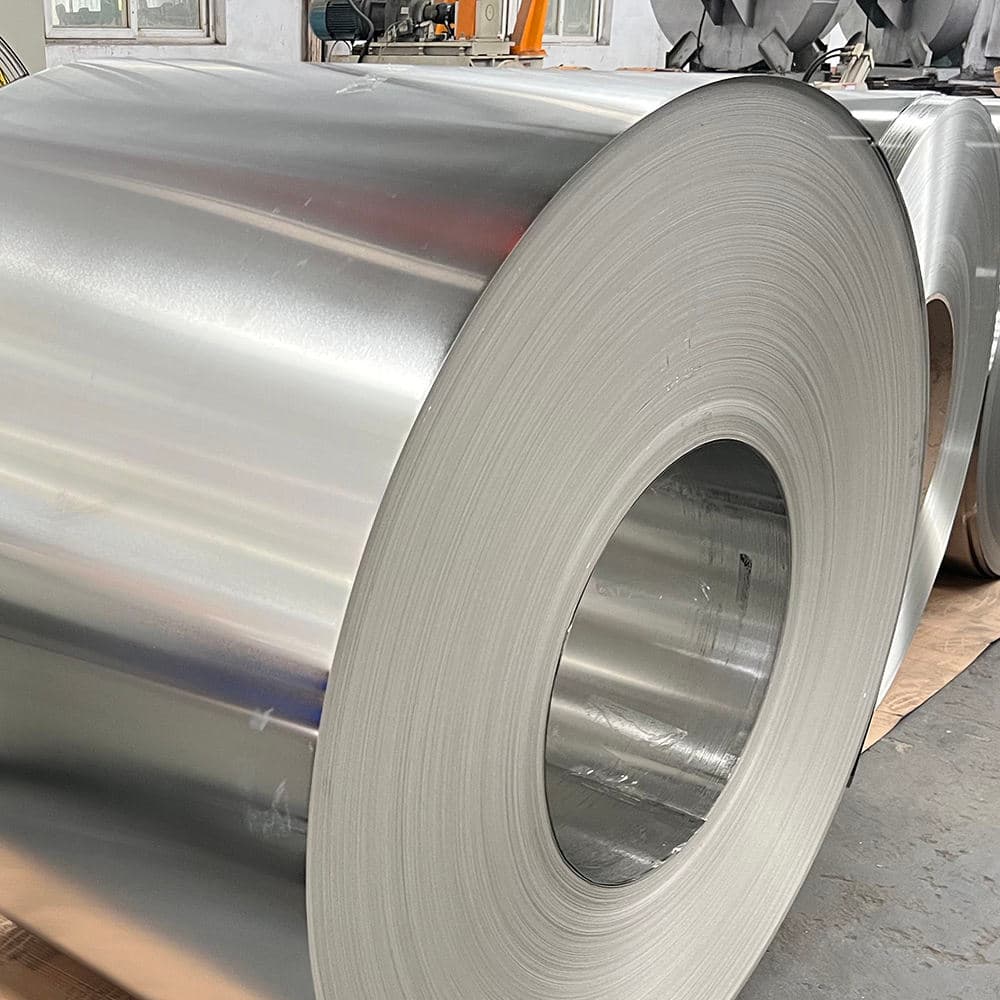
Tinplate Sheet for Three-Piece Cans: What Can Manufacturers Need to Specify Before Ordering
Three‑piece cans are widely used for canned food, coffee, milk powder, dry foods, paint, chemicals and industrial products. However, ordering Tinplate sheet for three‑piece cans is not as simple as providing a quantity and requesting the lowest price.
The right Tinplate sheet must match your can body design, welding process, forming requirements, coating system and product contents. A material mismatch can lead to unstable welding, poor printing, surface defects, unnecessary trimming loss or delays during trial production.
For can manufacturers, a clear specification before ordering is the fastest way to receive a practical quotation and reduce production risk.
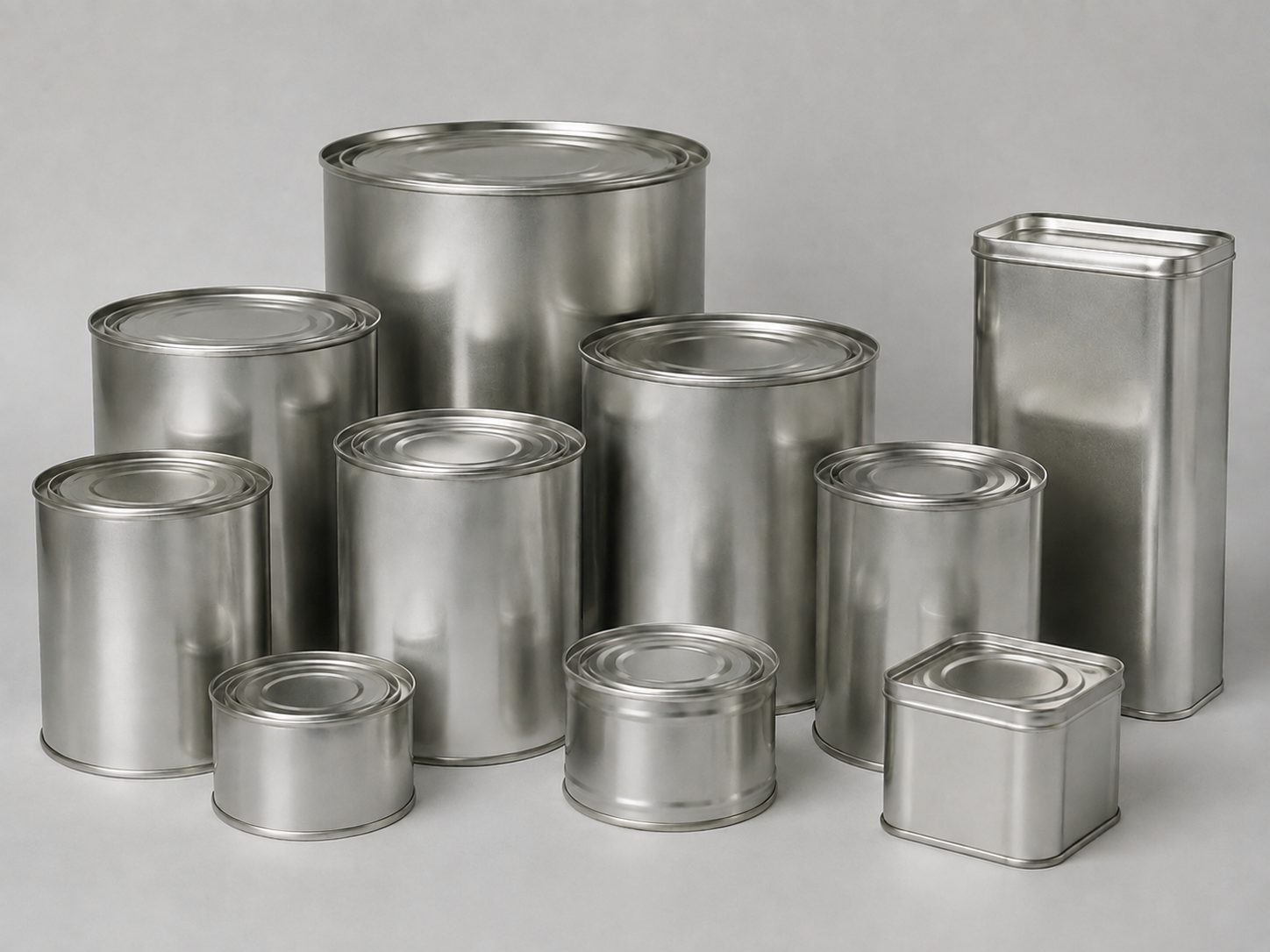
Why Tinplate Sheet Is Used for Three‑Piece Cans
Tinplate is a low‑carbon steel sheet with an electrolytic tin coating. It is commonly used for three‑piece can bodies because it can support cutting, printing, lacquering, welding, forming and seaming when the material specification is matched with the final application.
Three‑piece cans may be produced in round, rectangular or customized shapes. The material requirement can vary according to the product packed inside the can and the production process.
Tinplate sheet can be considered for:
- Food and prepared food cans
- Coffee and powdered food cans
- Biscuit, tea and gift tins
- Paint and coating cans
- Chemical and industrial containers
- General metal packaging cans
The Specification Details That Matter
Before requesting Tinplate sheet for three‑piece cans, buyers should provide as much production information as possible.
| Specification Item | What the Buyer Should Provide |
|---|---|
| Can application | Food, dry food, coffee, paint, chemical or other use |
| Can dimensions | Diameter, height and required capacity |
| Can structure | Round, rectangular, square or customized shape |
| Sheet size | Required width and length, or blank size |
| Thickness | Based on can strength and forming requirements |
| Steel grade | Required grade, if already specified |
| Temper grade | Matched with forming and welding needs |
| Surface finish | Required appearance and printing requirement |
| Coating requirement | Internal lacquer, external coating or plain sheet |
| Production process | Printing, welding, forming, seaming and filling method |
| Quantity | Trial order, monthly demand or regular bulk purchase |
| Destination | Delivery port and required packing arrangement |
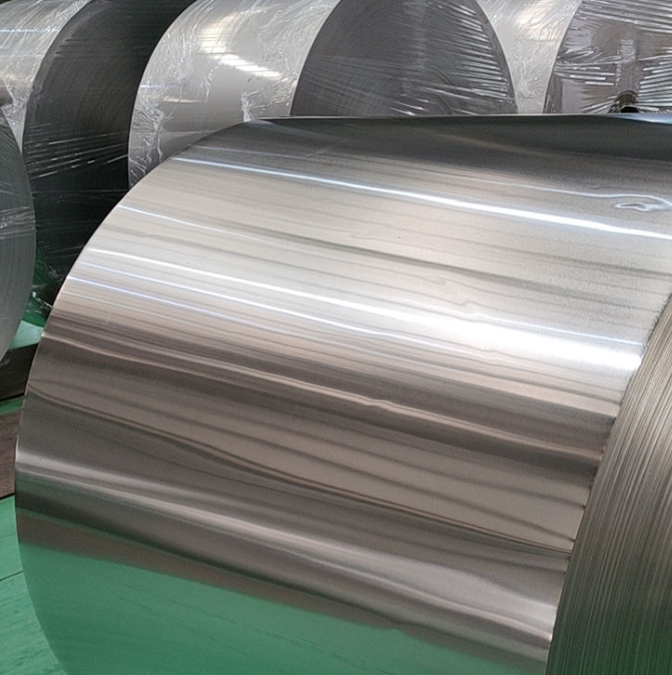
Coil or Cut‑to‑Length Sheet?
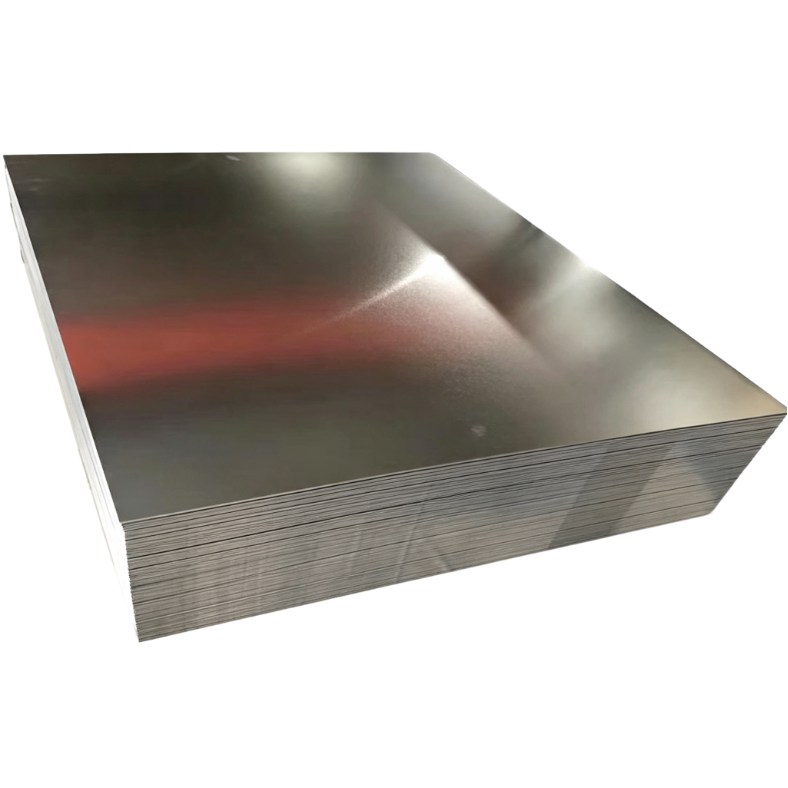
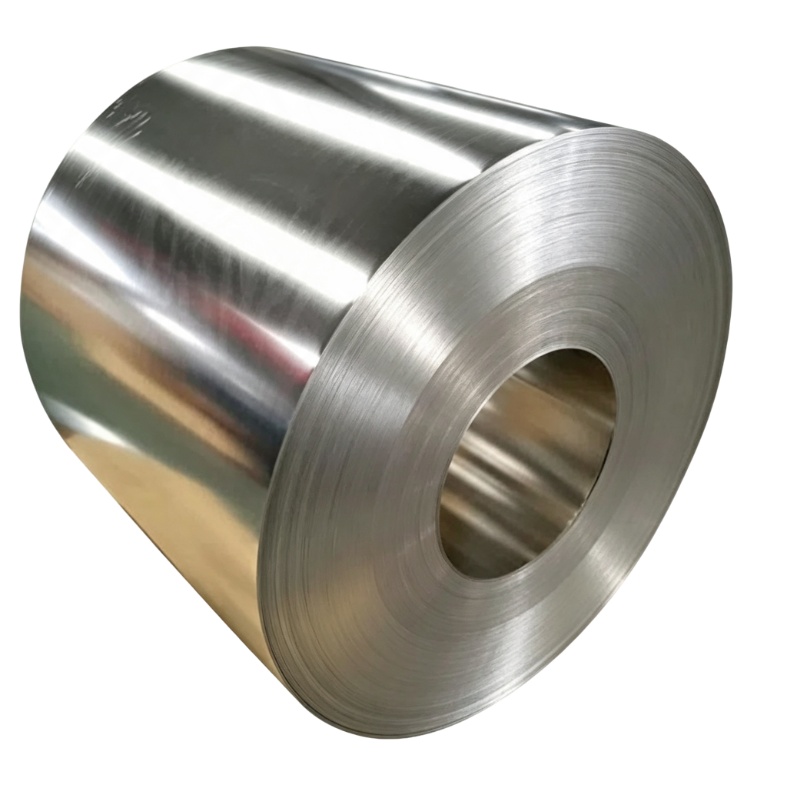
Some can manufacturers purchase Tinplate coil and complete their own cutting or slitting. Others prefer ready‑to‑use cut‑to‑length sheets.
may be a practical choice when the buyer needs:
- Specific sheet dimensions
- Lower internal processing requirements
- Easier handling for smaller production lines
- Sheet sizes matched to existing can‑making equipment
- Trial material for a new can project
- Reduced trimming work during production
Tinplate coil may be suitable for manufacturers with their own slitting and shearing equipment, regular high‑volume demand and established processing lines.
For coil‑based sourcing, visit Tinplate Steel Sheet in Coil.
Do Not Choose by Thickness Alone
Thickness is important, but it is not the only factor affecting three‑piece can production. Two sheets with the same thickness may perform differently if they have different temper grades, steel grades, surface conditions or coating requirements.
For a three‑piece can project, buyers should review:
- Body strength and stacking requirements
- Welding process and seam quality
- Forming requirements
- Printing and lacquer adhesion
- Product contents
- Filling and storage conditions
- Can size and shape
- Required shelf appearance
For food cans, the material and internal lacquer should be selected together. A sheet used for a dry food container may not require the same coating system as a sheet used for seafood, sauces or oily products.
Material Selection for Different Three‑Piece Can Applications
| Application | Main Material Considerations |
|---|---|
| Dry food cans | Surface appearance, printing, coating and storage conditions |
| Coffee and tea tins | Decorative printing, lacquer finish and forming quality |
| Food cans | Product contents, internal coating and filling process |
| Paint cans | Can‑body strength, welding and coating compatibility |
| Chemical cans | Contents compatibility, corrosion protection and can structure |
| Gift tins | Surface finish, print consistency and customized dimensions |
What to Send for a Fast Quotation
To receive a useful quotation for Tinplate sheet for three‑piece cans, send the following information:
- Can application and product contents
- Can diameter, height and shape
- Required sheet dimensions
- Preferred thickness and temper grade
- Coating or printing requirement
- Trial quantity and expected repeat‑order volume
- Destination port
- Required delivery timing
---
Zenjoy Packaging supplies Tinplate in coil and cut‑to‑length sheet formats for metal packaging applications. Whether you need material for food cans, dry food containers, coffee tins, paint cans or industrial packaging, provide your can dimensions and production requirements first.
Send us your sheet size, thickness, temper, coating requirement, quantity and destination port.
Related News
Other news you might be interested in
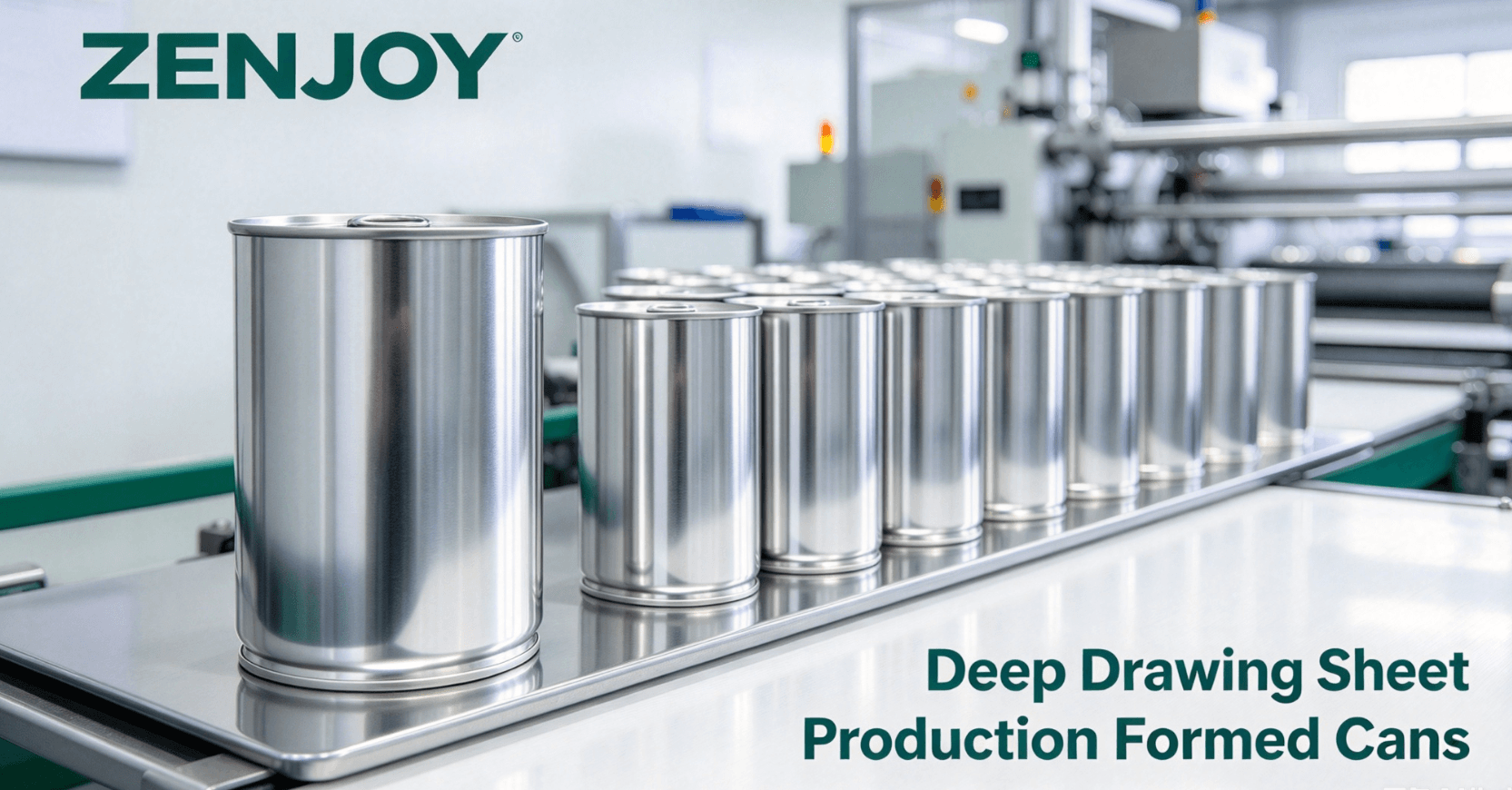
Deep Drawing Cracking Dilemma: How Tinplate Hardness and Elongation Affect Can Forming
Deep drawing cracking is one of the most common mechanical defects in DRD two-piece cans and complex shaped metal containers. Most stamping failures are not caused by mold parameters or lubrication issues, but by mismatched tinplate hardness and insufficient elongation. Unreasonable material temper selection will lead to edge cracking, body tearing and high scrap rate during high-speed continuous forming.

Tinplate Coating Peeling Risk Analysis and Avoidance Under High-Temperature Retort Sterilization
High-temperature retort sterilization is an essential process for shelf-stable food cans. However, long-term high-temperature and high-pressure environments easily cause coating blistering, delamination and peeling on the inner wall of metal cans. Many can manufacturers attribute coating failure solely to lacquer quality or baking process. In fact, **tinplate substrate performance, surface condition and material matching** are the core hidden causes of most high-temperature coating peeling problems. This article professionally analyzes the root causes of tinplate coating peeling under retort conditions, explains the difference in high-temperature resistance between ETP tinplate and TFS steel, and summarizes practical and operable avoidance solutions for mass production.
Want to know more?
Get in touch with us for more information about our services and products.