
Tinplate Sheet: Uses, Specifications, and Buying Guide for Can Making
Tinplate sheet is one of the most common materials used in can making and metal packaging. It is widely used for food cans, dry food cans, paint cans, aerosol cans, lids, ends, tea tins, biscuit tins, gift boxes, and other metal packaging products.
For can manufacturers, metal printing factories, lid producers, and packaging material buyers, choosing the right tinplate sheet is important. The material should match the final product, production equipment, printing or coating process, forming method, and packing requirement.
Tinplate sheet should not be selected only by price. Buyers also need to consider thickness, temper, tin coating, surface finish, sheet size, flatness, edge quality, and final application.
What Is Tinplate Sheet?
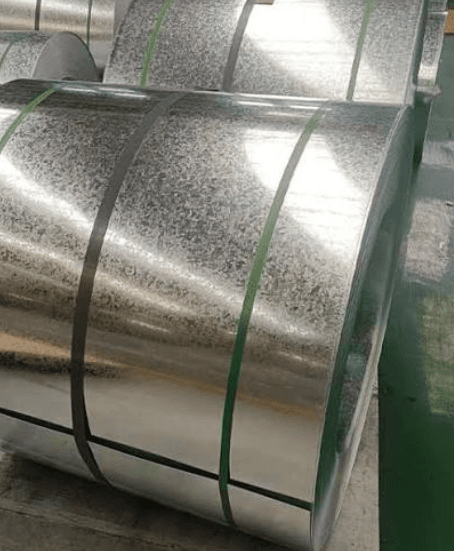
Tinplate sheet is a thin steel sheet coated with tin. The steel base provides strength and forming performance, while the tin coating helps improve surface protection, appearance, and packaging suitability.
Tinplate can be supplied as:
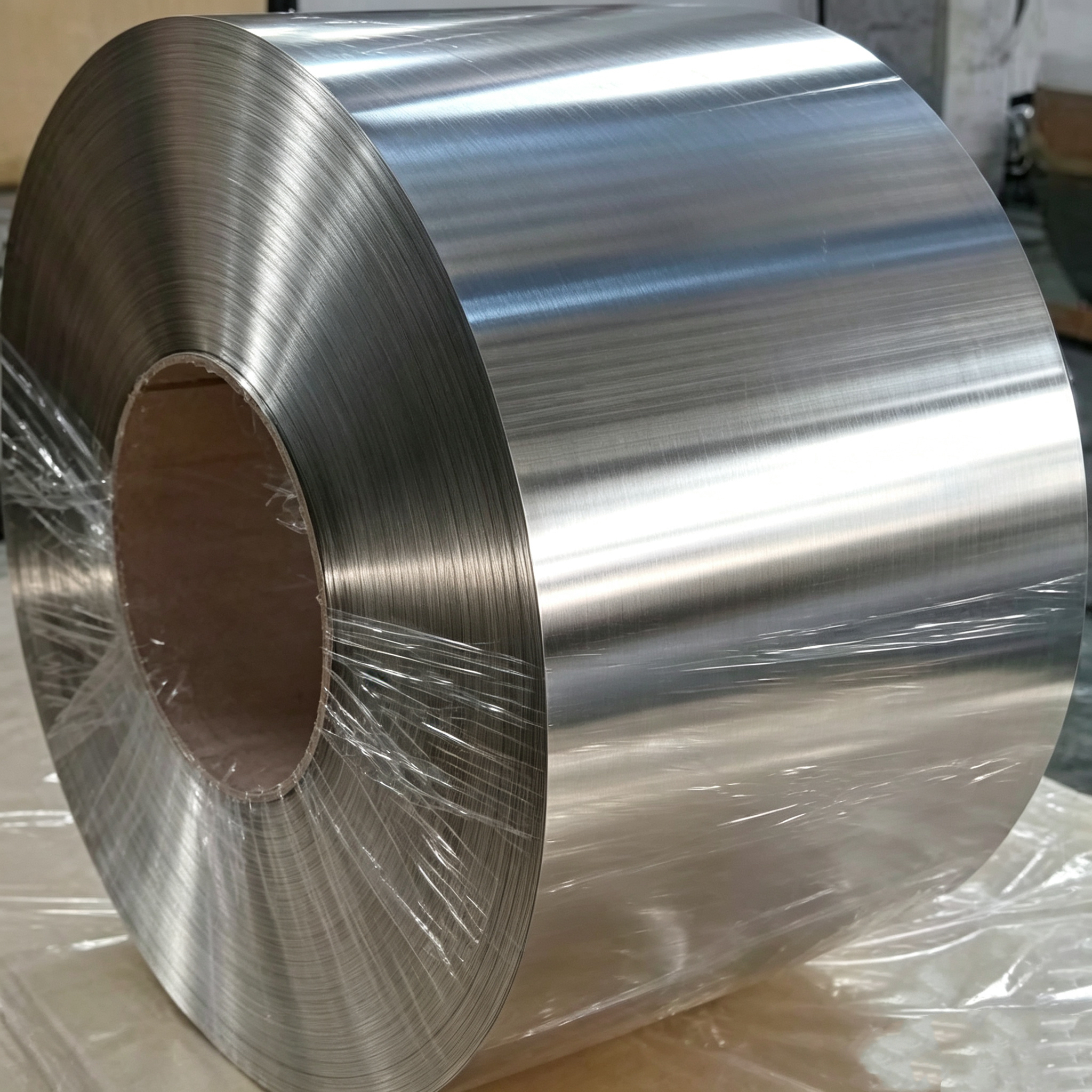
- Tinplate coil
- Tinplate sheet
- Cut-to-length sheet
- Scroll cut sheet
- Lacquered tinplate sheet
- Printed tinplate sheet
Tinplate sheet is often used by factories with sheet-fed printing, cutting, stamping, forming, or welding equipment.
Common Uses of Tinplate Sheet
Tinplate sheet can be used in many can making applications.
1. Food Cans
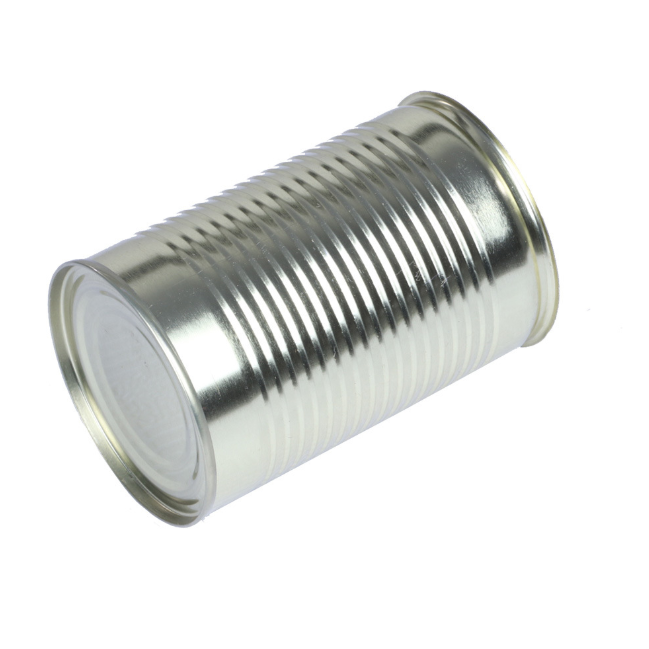
Tinplate sheet is widely used for food can bodies, lids, and bottoms. It may be used for canned vegetables, fruits, seafood, meat, sauces, and prepared foods.
For food cans, buyers should consider thickness, temper, tin coating, inner lacquer, welding or forming process, and the packed product type.
Wet food, acidic food, oily products, and dry food may need different coating requirements.
2. Dry Food and Decorative Cans
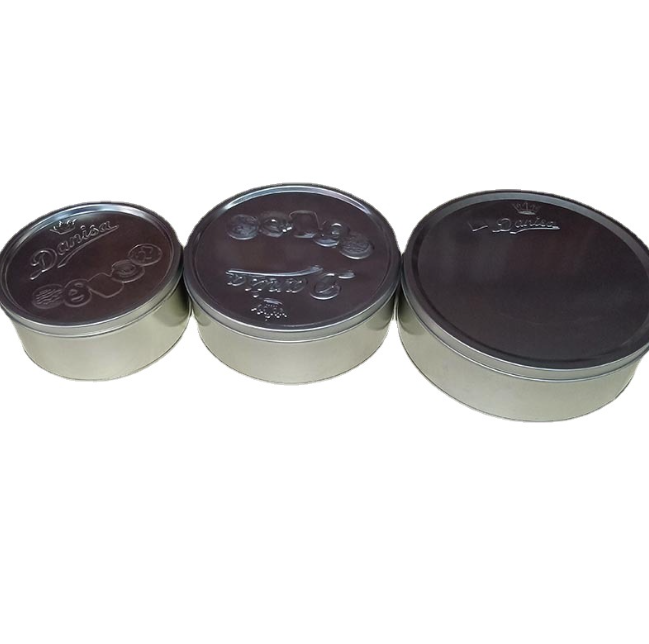
Tinplate sheet is also used for milk powder cans, coffee cans, tea tins, biscuit tins, snack cans, and gift boxes.
For these products, buyers often care about clean surface, good printing appearance, stable forming, and proper strength. Since many of these cans are sold on retail shelves, surface quality and printing performance are important.
3. Paint, Chemical, and Aerosol Cans
Paint cans, chemical cans, and aerosol cans may also use tinplate sheet or coil.
For these applications, buyers should check can strength, coating compatibility, welding performance, corrosion resistance, and storage condition. The filling product should be explained clearly because water-based, solvent-based, oil-based, and chemical products may need different coating consideration.
4. Lids, Ends, and Metal Parts
Tinplate sheet can be used for lids, bottom ends, closures, and stamped metal parts. For these applications, buyers should pay attention to thickness tolerance, temper, flatness, edge quality, coating adhesion, and sheet size.
Good sheet quality can help reduce feeding problems, stamping defects, and material waste.
Key Specifications Buyers Should Confirm
Before ordering tinplate sheet, buyers should confirm the main specifications.
Thickness
Thickness affects strength, forming, cost, and material yield. The suitable thickness depends on the final can size, structure, and production process.
Temper
Temper affects hardness and forming behavior. If the material is too soft, the finished product may not have enough strength. If it is too hard, bending, stamping, or forming may become difficult.
Tin Coating
Tin coating affects surface protection, corrosion resistance, appearance, and packaging performance. For food cans, wet products, or chemical packaging, the coating and lacquer requirement should be discussed carefully.
Surface Finish
Surface finish affects printing, coating, and final appearance. Common surface finishes include bright, stone, silver, and matte.
Printed packaging and decorative tins usually need a clean and consistent surface. Industrial cans may focus more on coating performance and production stability.
Sheet Size
Sheet size affects production layout and material waste. Buyers should provide exact width and length. For repeated can production, matching sheet size with the can body or stamping layout can help reduce unnecessary trimming.
Tinplate Sheet vs Tinplate Coil
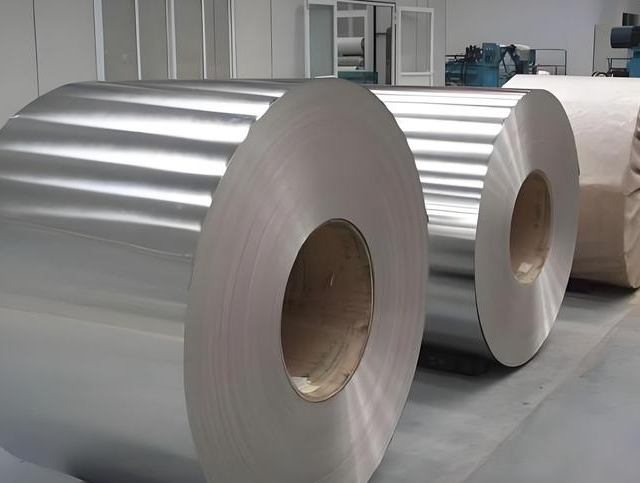
Tinplate coil may be suitable when the factory has coil feeding equipment, production volume is high, and coil width can match the production layout.
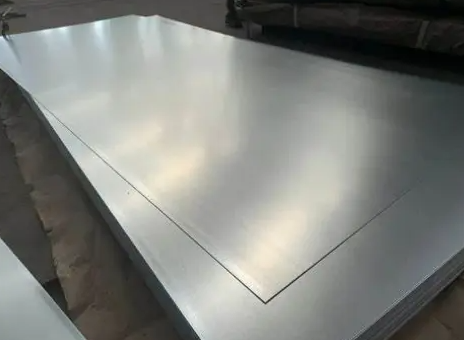
Tinplate sheet may be suitable when the factory uses sheet-fed equipment, needs printed or lacquered sheets, requires fixed sheet size, or does not have slitting and cutting equipment.
The right choice depends on the buyer’s equipment and production plan.
Simple Buying Checklist
| Item | What to Confirm |
|---|---|
| Application | Food can, dry food can, paint can, aerosol can, lid, end, printed tin |
| Material form | Sheet, coil, cut-to-length sheet, scroll cut sheet, lacquered sheet, printed sheet |
| Thickness | Required thickness in mm |
| Temper | Current temper or forming requirement |
| Tin coating | Coating weight or current specification |
| Surface finish | Bright, stone, silver, matte, or other |
| Sheet size | Width, length, cutting tolerance |
| Process | Printing, lacquering, welding, stamping, forming, seaming |
| Packing | Export packing, moisture protection, edge protection |
| Quantity | Trial order, first order, monthly usage, or bulk order |
| Delivery | Destination port and trade term |
FAQ
1. What is tinplate sheet used for?
Tinplate sheet is used for food cans, dry food cans, paint cans, aerosol cans, lids, ends, tea tins, biscuit tins, printed tins, and other metal packaging products.
2. What is the difference between tinplate sheet and tinplate coil?
Tinplate coil is supplied in roll form and is suitable for continuous production. Tinplate sheet is supplied in flat sheet form and is often used for sheet-fed printing, cutting, forming, or stamping.
3. What information should buyers provide when ordering tinplate sheet?
Buyers should provide application, thickness, temper, tin coating, surface finish, sheet size, quantity, packing requirement, production process, and destination port.
4. Can tinplate sheet be printed or lacquered?
Yes. Tinplate sheet can be printed or lacquered for food packaging, dry food cans, decorative tins, gift tins, and industrial packaging.
Conclusion
Tinplate sheet is widely used in can making and metal packaging. It can be used for food cans, dry food cans, paint cans, aerosol cans, lids, ends, printed tins, and other packaging products.
When ordering tinplate sheet,buyers should not only compare price. They should also confirm the final application, thickness, temper, tin coating, surface finish, sheet size, production process, packing, and delivery requirement.
If you are sourcing tinplate sheet, tinplate coil, cut-to-length sheet, scroll cut sheet, lacquered tinplate, printed tinplate, or TFS materials for can making and metal packaging production, please send us your application, thickness, temper, coating requirement, surface finish, sheet size or coil width, quantity, packing requirement, and destination port.
Our team can help review suitable material options for your production needs.
Related News
Other news you might be interested in

Metal Packaging Sourcing Simplified: Choosing Tinplate, TFS, and Easy Open Ends for Your Product Line
Discover how strategic sourcing of tinplate, TFS, and easy open ends reduces risk, stabilizes lead times, and supports flexible can production for food and industrial packaging buyers.

Secure Your Metal Packaging Supply with Premium Tinplate, TFS, and Easy Open Ends
Secure your metal packaging supply with premium tinplate and TFS. Learn how integrated sourcing reduces downtime, cuts costs, and ensures reliable delivery for two-piece and three-piece cans.
Want to know more?
Get in touch with us for more information about our services and products.