
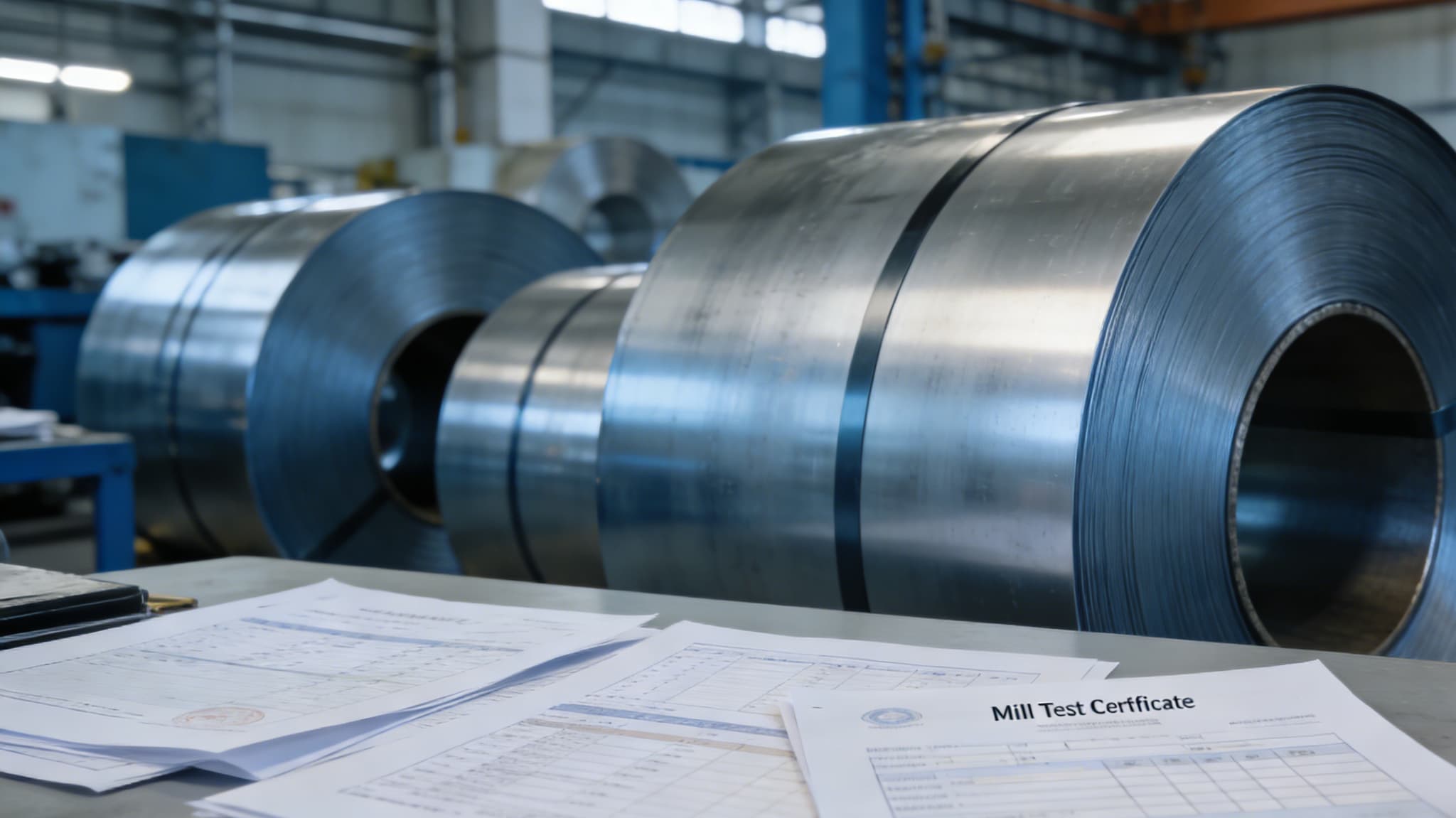
What Quality Documents Should You Ask From a Tinplate Supplier?
Why Quality Documents Matter in Tinplate Procurement
For industrial buyers, a tinplate order should never be evaluated only by quotation, thickness, or delivery date. Documentation also matters.
In large-volume procurement, quality documents help buyers verify whether the supplied material matches the agreed specification and whether the order can move more smoothly through internal quality review, production approval, and shipment handling.
This is especially important for buyers in:
- food can manufacturing
- wet can packaging
- closures and ends production
- industrial packaging
- metal processing operations
For these customers, paperwork is not just an administrative detail. It is part of risk control.
A supplier that cannot support basic quality documentation clearly may create unnecessary problems later, even if the material itself initially looks acceptable.
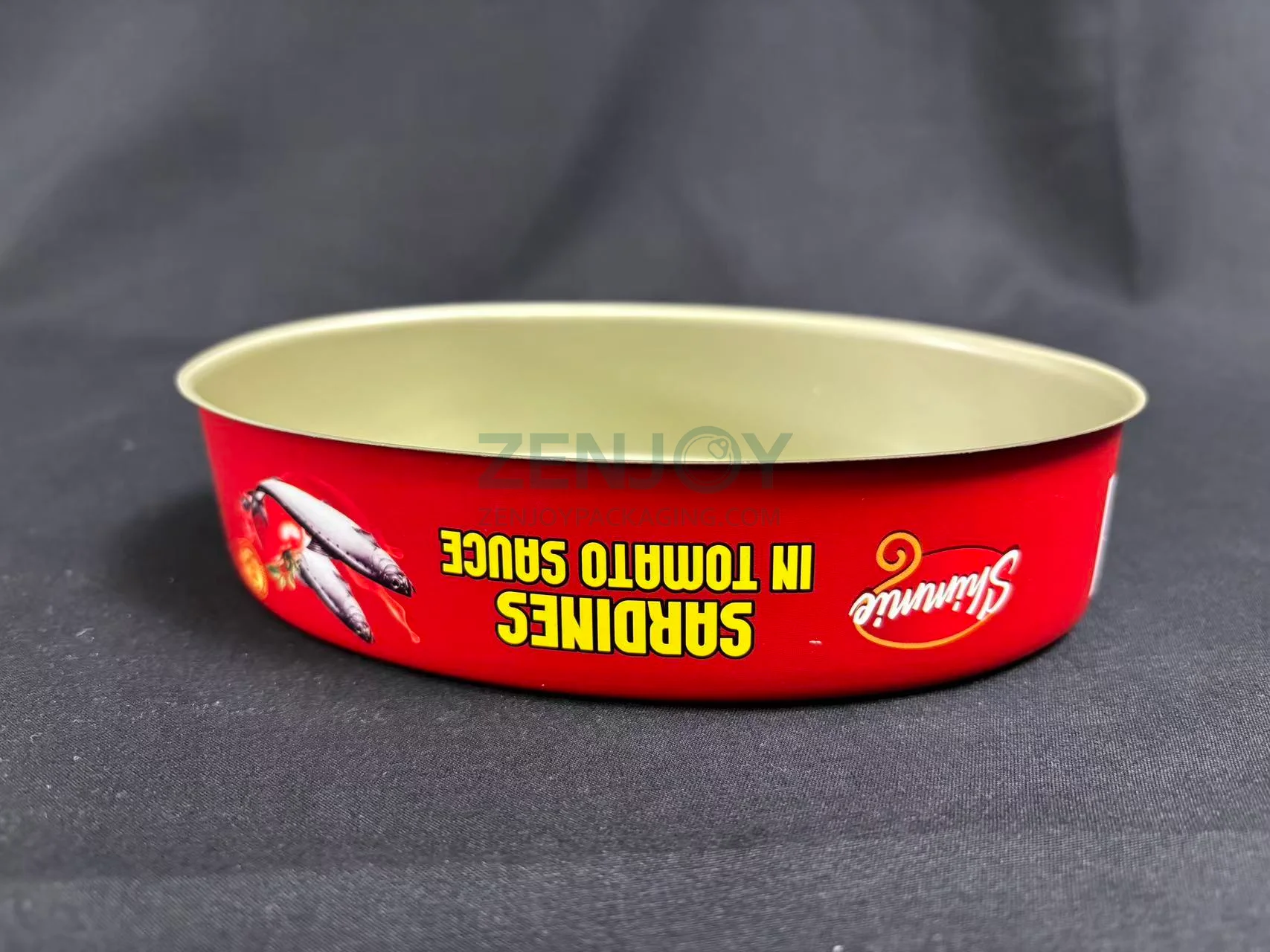
Customized metal can
Our customizable can containers offer fully customized production services, from dimensions to materials, to comprehensively meet your unique packaging requirements. Whether you need standard round cans or special irregular shapes, we can provide precise solutions that perfectly match your brand image and product characteristics.
What Buyers Really Need From Quality Documents
The purpose of quality documents is not to collect paperwork for its own sake.
- The real purpose is to help buyers confirm three things:whether the material matches the order
- whether the quality is traceable
- whether the shipment can be reviewed efficiently
For large buyers, good documentation helps reduce uncertainty before material reaches the production line.
1. Material Certificate or Mill Test Certificate
One of the first documents buyers usually ask for is a material certificate or mill test certificate.
This document is typically used to confirm the basic specification of the supplied material, such as:
- product type
- thickness
- width
- temper
- coating-related information
- batch or coil reference
- other agreed technical details
For industrial buyers, this document is important because it serves as a first-level confirmation that the order was produced or supplied according to the agreed standard.
It is also useful for internal traceability and receiving inspection.
2. Inspection Report
An inspection report helps buyers understand whether the material has been checked before shipment or release.
Depending on the supply model, the report may include information related to:
- dimensions
- appearance
- surface condition
- packing condition
- quantity confirmation
- basic specification verification
For buyers with repeat orders, consistent inspection reporting can reduce the time needed for internal quality screening and improve confidence in repeated shipments.
3. Coil or Batch Traceability Information
Traceability becomes especially important when buyers handle larger volumes, multiple sizes, or repeat production programs.
A supplier should be able to support clear reference information for:
- coil numbers
- batch numbers
- production lot reference
- packing or bundle identification
This is important because if any issue needs review later, traceability allows the buyer to isolate the affected material faster and reduce disruption across the full order.
Without traceability, even a small issue can become much more difficult to manage.
4. Packing List and Quantity Confirmation
Although often seen as a logistics document, the packing list also plays a quality-control role.
It helps buyers confirm:
- shipment quantity
- packaging breakdown
- weight information
- item identification
- number of coils, sheets, or bundles
- shipment structure
For receiving teams and warehouse operations, this document is essential for matching the physical goods with the order plan.
In large-volume procurement, quantity mismatch can create serious internal confusion if documents are unclear.
5. Appearance or Surface Confirmation Records
For packaging steel buyers, surface condition is often a critical issue.
Where applicable, buyers may want confirmation related to:
- surface appearance
- visible damage review
- packing protection condition
- basic visual inspection records
- photos before shipment or loading
This is especially useful for export orders, where material may travel a long distance and packaging quality matters just as much as product quality.
For some buyers, shipment photos are not optional. They are part of standard order review.
6. Quality Deviation or Non-Conformance Communication
Not every order is perfect. What often matters more is how clearly the supplier communicates if there is any issue.
A better supplier should be able to explain:
- whether any deviation exists
- whether it affects use
- what corrective action is proposed
- how the shipment or replacement will be handled if needed
Industrial buyers usually prefer early clarity over late discovery. A supplier that communicates proactively can reduce much larger problems later.
7. Shipment-Related Supporting Documents
For export business, quality review often connects directly with shipping and receiving.
Depending on the order, buyers may also need supporting shipment documents that help confirm:
- correct goods dispatch
- packaging status
- loading completion
- order identity
- export coordination consistency
These documents are important because a technically correct product can still become a supply problem if shipment control is weak.
What Buyers Should Review Before Approving the Documents
Before final approval, buyers should check whether the documents are:
- clear
- complete
- internally consistent
- matched to the PO and product specification
- traceable to the actual material shipped
A common procurement mistake is to collect documents without verifying whether they match the real order.
For large-volume industrial use, the value of documentation lies in accuracy, not just in volume.
Common Mistakes Buyers Should Avoid
Industrial buyers should avoid several common documentation mistakes:
Accepting incomplete paperwork
Missing details may create delay during receiving or internal approval.
Checking only one certificate
A single certificate may not cover the full shipment or all internal review needs.
Ignoring traceability
If batch identity is unclear, later problem-solving becomes much harder.
Waiting until shipment is already in transit
It is usually better to review key documents before dispatch or loading completion.
Treating documents as formality only
In reality, documentation quality often reflects broader supplier discipline.
Why This Matters Even More for Large Buyers
For buyers handling large-volume supply, documentation supports more than just order review. It helps with:
- incoming inspection
- internal release approval
- inventory control
- production planning
- quality traceability
- supplier performance evaluation
When a supplier provides clear and consistent documents, procurement and quality teams can work much more efficiently.
That is why strong industrial buyers often treat documentation capability as part of supplier qualification, not just a post-order detail.
FAQ
Q: What is the most important quality document from a tinplate supplier?
A: A material certificate or mill test certificate is usually one of the most important starting documents.
Q: Why is traceability important?
A: Because it helps buyers identify the affected coils, sheets, or batches more quickly if a problem appears later.
Q: Should buyers ask for inspection reports?
A: Yes. Inspection reports help confirm whether the shipment was checked against the agreed requirements.
Q: Are shipment photos useful?
A: Yes. For many export orders, shipment and packaging photos can help verify condition before dispatch.
Q: Should buyers review documents before shipment?
A: Yes. Early review can reduce receiving delays and later disputes.
---
Need a more reliable tinplate supply process with clearer quality and shipment support?
Related News
Other news you might be interested in
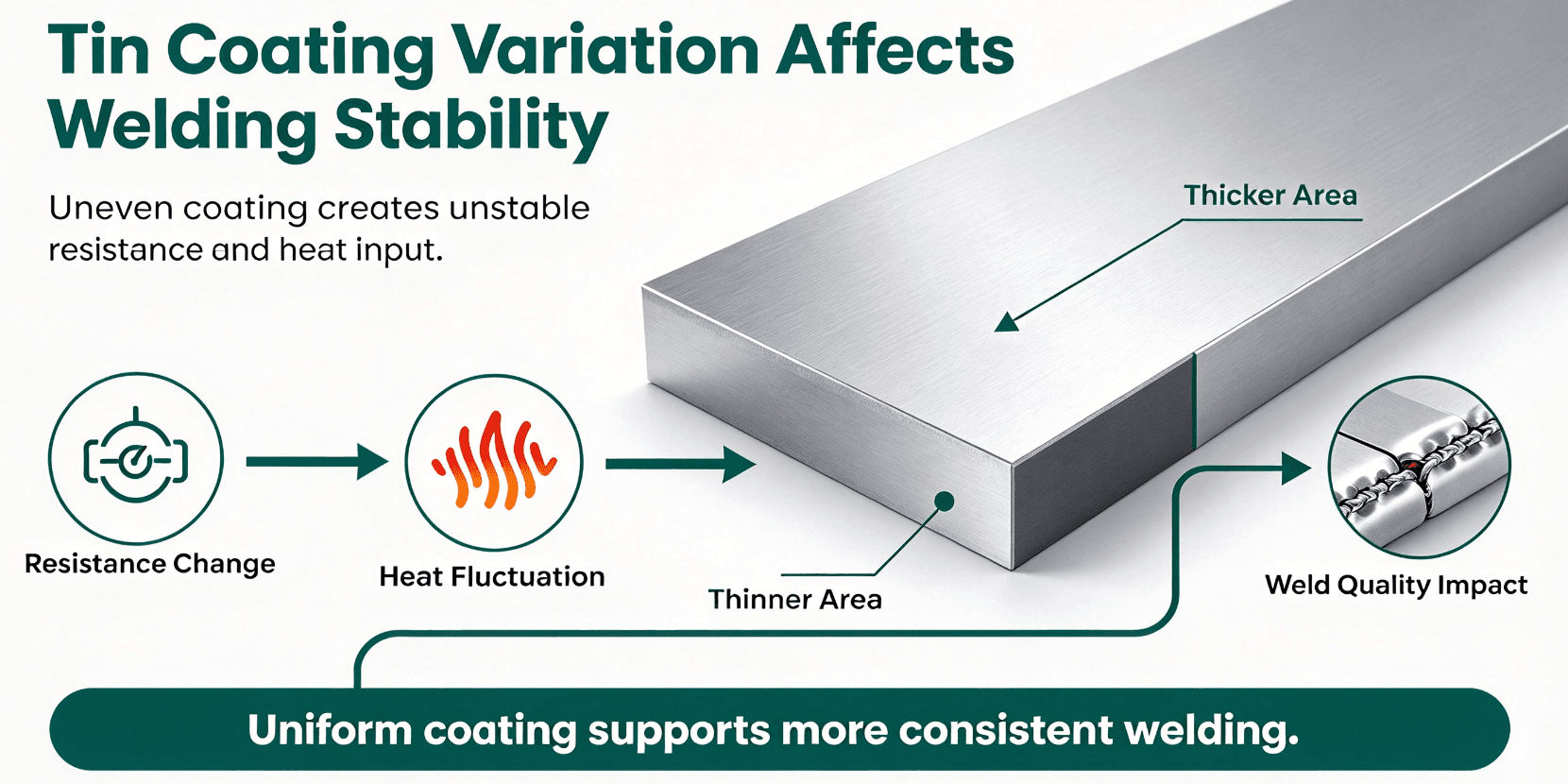
Weld Spatter & Leakage Defects: The Decisive Role of Tin Coating Uniformity in Can Welding Quality
High-speed resistance seam welding is the core forming process for three-piece metal cans. In actual mass production, persistent weld spatter, granular slag residue and hidden seam micro-leakage severely compromise sealing consistency, sterilization resistance and finished product yield. Most manufacturers tend to attribute these defects to unstable current, improper pressure or worn welding wheels. However, industrial verification proves that uneven tin coating distribution on tinplate is the fundamental material-induced root cause of recurring welding spatter and leakage issues.
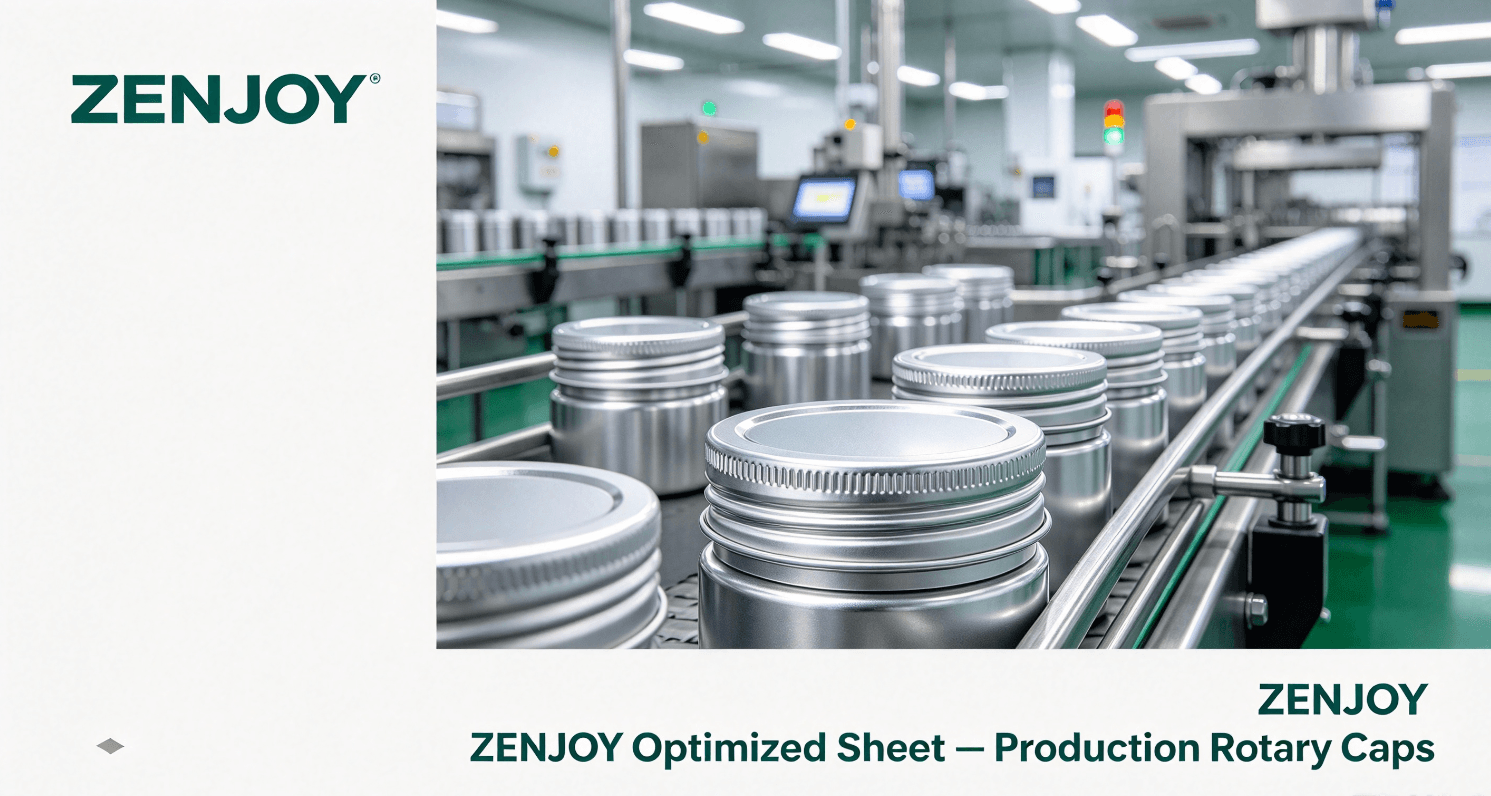
Low-Earing CA Annealed Tinplate: The Optimal Material for Stable Twist-Off Lid Deep Drawing & High Yield Rate
Twist-off lid manufacturing has extremely strict requirements on material anisotropy and ductility. Different from regular can bodies, twist-off lids undergo complex deep drawing, edge trimming and crimping processes, making them highly sensitive to uneven steel performance. According to actual mass production verification, no alternative tinplate grades can achieve stable forming results for twist-off lid production. Low-earning CA continuous annealed tinplate remains the most suitable and high-performance material dedicated for twist-off lid stamping.
Want to know more?
Get in touch with us for more information about our services and products.