
Why Tinplate and TFS Trial Orders Fail: Material Quality, Machine Settings, and Production Fit
For canmakers, lid factories, metal printers and packaging buyers, trial orders are standard before bulk orders. Buyers test new tinplate or TFS to check production performance and compare cost, delivery and quality stability to mitigate mass production risks.Yet many trials fall short. Buyers tend to blame materials directly. Though material defects may be the cause, failures often arise from multiple factors including material compatibility with machine settings, coating systems, processes and operator experience. Recognizing this helps buyers make trials effective and avoid wrongly rejecting suitable materials.
A Trial Order Is Not the Same as Daily Mass Production
When a factory relies on one material supplier long-term, its production team gets accustomed to the material. Machine parameters, feeding speed, forming pressure, coating, printing and inspection standards are tuned to match it.
When switching to new tinplate or TFS, materials may perform differently in production even with comparable written specifications.Minor variations can exist in:
- Surface finish
- Flatness
- Coil tension
- Cutting precision
- TemperCoating adhesion
- Oil content
- Passivation status
- Lacquer compatibility
- Printing performance
- Forming characteristics
Such differences do not equal poor quality. Often, the material only requires standardized testing and proper machine adjustments.
Therefore, a trial order should not be viewed merely as a regular production batch, but a controlled test run.
Why Tinplate or TFS Trial Orders May Fail
Below are some common reasons why a tinplate or TFS test run may not go smoothly.
1. The Specification Is Not Fully Matched with the Final Application
Tinplate and TFS are both widely used in metal packaging, but the right material depends on the final product and production process.
A buyer may provide basic information such as thickness and size, but other important details may be missing.
For example:
- Is the material used for can bodies, lids, ends, or printed sheets?
- Will it be welded, stamped, bent, drawn, or printed?
- Is it for food cans, dry food cans, aerosol cans, gift tins, or industrial cans?
- Does it need inner lacquer or outer coating?
- Will the material go through high-speed production?
- Does the factory require coil, sheet, scroll cut sheet, or slit coil?
If the application is not clear, the supplier may provide a material that meets the basic specification but is not the best fit for the actual production process.
For tinplate and TFS raw materials, the same thickness does not always mean the same production performance. Buyers should provide the real application before testing.
2. Machine Settings Are Based on the Previous Material
This is a very common situation in factories.
The production line may already be adjusted for the material used in daily production. When a new supplier’s tinplate or TFS is tested, the machine may still use the same settings as before.
This may affect:
- Feeding stability
- Cutting result
- Printing registration
- Lacquer coating uniformity
- Stamping performance
- Forming quality
- Edge condition
- Welding performance
- Final appearance
For example, a slightly different surface condition may require adjustment in printing or coating. A different temper feel may require a small change in forming pressure. A different sheet flatness condition may require checking feeding and alignment.
If no adjustment is made, the test result may not show the real potential of the material.
This does not mean operators are doing anything wrong. In most factories, production teams are busy, and daily output is important. A new material test needs extra attention, time, and communication. If the test is arranged like a normal production run, problems may be missed or misunderstood.
3. The Trial Quantity Is Too Small for a Fair Test
Some buyers test a new tinplate or TFS supplier with a very small quantity. This can be useful for initial checking, but it may not be enough to evaluate the material properly.
A small trial may not fully show:
- Batch consistency
- Feeding stability over time
- Printing performance across multiple sheets
- Coating stability
- Forming result at normal speed
- Scrap rate under real production conditions
If the test quantity is too small, one machine stop, one setting issue, or one handling problem may strongly affect the final judgment.
For important packaging materials, buyers may need a more structured test plan instead of only testing a few sheets or a very small batch.
4. The Production Team Does Not Have Enough Background Information
A trial order should not arrive at the workshop without context.
If the production team only receives the material and is told to “try it,” they may not know:
- What material difference should be checked
- Which product this trial is for
- Whether the supplier has recommended special attention
- Whether the material is lacquered, printed, passivated, or oiled differently
- What result the purchasing team wants to compare
- Whether machine settings can be adjusted during the test
Without this information, the test may become a simple pass-or-fail judgment.
A better approach is to let purchasing, technical, production, and quality teams share the purpose of the trial before testing. This helps the factory evaluate the material more fairly.
5. Coating or Printing Compatibility Is Not Checked Properly
For lacquered tinplate, printed tinplate, food can materials, and decorative packaging, surface performance is very important.
A tinplate material may look good visually, but the real performance appears after printing, lacquering, drying, forming, or sterilization.
Possible problems include:
- Uneven lacquer coverage
- Poor ink adhesion
- Color variation
- Coating peeling after forming
- Cracking at bends
- Surface marks after stamping
- Poor gloss consistency
- Weak protection for food packaging
These problems may be related to the material surface, but they may also be related to ink, lacquer, drying temperature, coating thickness, machine speed, or process settings.
For this reason, a trial order should test the complete production process, not only the raw material appearance.
6. Handling and Storage Affect the Test Result
Tinplate and TFS materials need proper handling and storage. If sheets or coils are exposed to moisture, poor warehouse conditions, rough handling, or unsuitable unpacking methods, the test result may be affected before production even starts.
Possible risks include:
- Rust
- Moisture marks
- Scratches
- Edge damage
- Coil deformation
- Sheet bending
- Surface contamination
- Packaging damage during unloading
If these problems happen after delivery, it may be difficult to judge whether the issue came from production, transport, storage, or material quality.
Before testing, buyers should check the package condition, storage environment, and material surface carefully.
7. The Test Standard Is Not Clear Before Production
A trial order should have a clear evaluation standard. Without a clear standard, different departments may judge the same material differently. Purchasing may focus on cost and supply stability.
Production may focus on machine efficiency. Quality control may focus on defect rate. Sales or brand customers may focus on final appearance.
All these concerns are reasonable, but they need to be aligned before the trial.
Before testing tinplate or TFS materials, buyers can define:
- Acceptable defect rate
- Required forming result
- Printing or coating appearance
- Adhesion test requirement
- Size tolerance requirement
- Flatness requirement
- Surface defect acceptance level
- Production speed during trial
- Whether machine adjustments are allowed
- Whether the result will be compared with the current material
A clear trial standard makes the result easier to understand and reduces disagreement after the test.
How Buyers Can Prepare a Better Tinplate or TFS Trial Order
A successful trial order does not mean there will be no adjustment. It means the test is prepared well enough to show whether the material is suitable for real production.
Here are practical steps buyers can follow.
1. Share the Final Application Clearly
Before placing a trial order, buyers should tell the supplier what the material will be used for.
For example:
- Food can body
- Dry food can
- Milk powder can
- Tea tin
- Biscuit tin
- Aerosol can
- Paint can
- Chemical can
- Can end
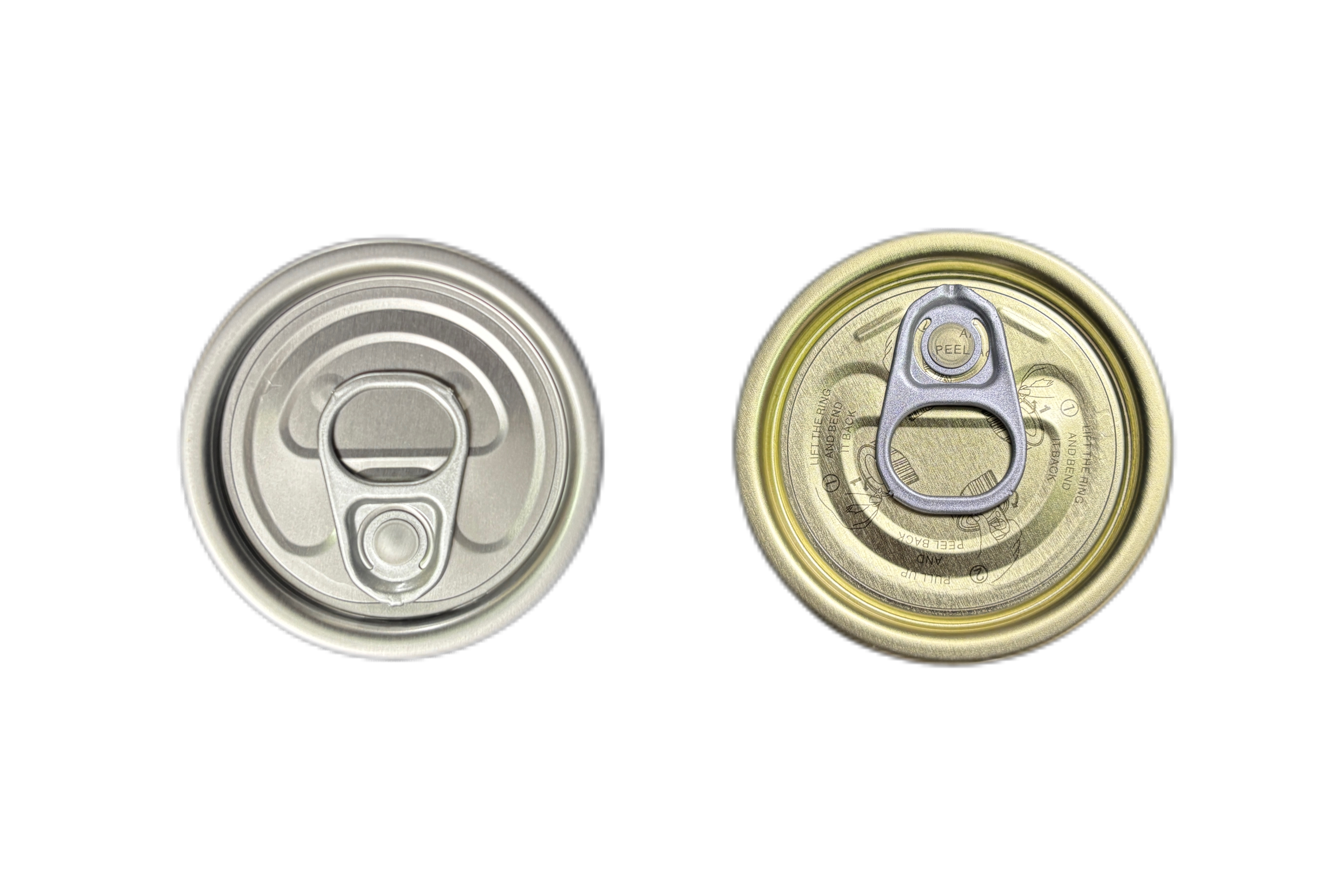
- Easy open end
- Twist-off lid
- Printed metal sheet
- Lacquered sheet
This helps the supplier recommend a more suitable material form and specification.
2. Provide More Than Thickness and Size
For tinplate and TFS materials, buyers should provide as much useful information as possible.
Important information includes:
- Material type: tinplate, TFS, lacquered tinplate, printed tinplate
- Thickness
- Temper
- Tin coating or chrome coating requirement
- Surface finish
- Sheet size or coil width
- Inner or outer lacquer requirement
- Printing requirement
- Forming method
- Welding or stamping process
- Monthly usage or trial quantity
- Packing requirement
- Destination port
The more complete the information, the lower the risk of receiving a material that does not match the application.
3. Let the Production Team Know It Is a Trial Material
Before testing, the workshop should know that the material is from a new supplier or a new batch. The purpose is not only to produce finished goods, but also to evaluate performance.
This allows the team to pay attention to:
- Feeding
- Cutting
- Printing
- Coating
- Forming
- Edge quality
- Surface marks
- Machine adjustment
- Scrap rate
- Final appearance
It also helps the production team record useful feedback instead of only giving a simple result.
4. Allow Reasonable Machine Adjustment
A new material may need small production adjustments. This is normal in many factories.
Buyers should allow the technical or production team to make reasonable changes, such as:
- Feeding speed
- Cutting pressure
- Forming pressure
- Coating condition
- Printing setting
- Drying condition
- Alignment adjustment
If a new material is tested only under the old settings, the result may not be complete.
Of course, the adjustment should be practical. If a material requires too much adjustment or reduces production efficiency too much, buyers should consider whether it is suitable for long-term use.
5. Record the Test Result with Details
After the trial, buyers should not only record “passed” or “failed.” A detailed record is more useful.
The test record can include:
- Material batch number
- Specification
- Machine used
- Production speed
- Defects found
- Adjustment made
- Scrap rate
- Coating or printing result
- Forming result
- Operator feedback
- QC feedback
- Photos of defects if any
This information helps both the buyer and supplier understand the real issue and decide whether the material can be improved, adjusted, or used for another application.
6. Give Feedback to the Supplier
If a trial order has problems, buyers should share clear feedback with the supplier.
Useful feedback includes:
- Photos of the problem
- Where the problem happened
- Which production step caused the issue
- Whether machine settings were adjusted
- Whether the issue appeared across the whole batch or only part of it
- Whether similar problems happened with the current material
- What result the factory expects
This helps the supplier check whether the issue is related to specification, surface condition, coating, packaging, or another factor.
A good supplier should be willing to review the problem and suggest possible solutions.
FAQ
1. Why does a tinplate trial order fail even when the specification looks correct?
Because production performance may be affected by more than basic specification. Surface finish, temper feel, flatness, coating compatibility, machine settings, and forming conditions can all influence the trial result.
2. Should machine settings be adjusted when testing a new tinplate supplier?
In many cases, yes. A new material may behave slightly differently from the current material. Reasonable adjustment can help show whether the material is truly suitable for production.
3. Is a failed TFS trial order always caused by poor material quality?
Not always. TFS trial results may also be affected by coating adhesion, stamping conditions, lacquer system, machine setup, or the final lid and end application.
4. What information should buyers provide before a tinplate or TFS trial order?
Buyers should provide application, thickness, temper, coating requirement, surface finish, sheet size or coil width, production process, quantity, and packing requirement.
5. How can buyers reduce trial order risk?
Buyers can reduce risk by sharing complete specifications, preparing the production team, allowing reasonable machine adjustment, setting clear inspection standards, and giving detailed feedback after testing.
Conclusion
Tinplate and TFS trial orders are important for buyers who want to test a new supplier, reduce purchasing cost, or improve material supply stability. But a trial order may fail for many reasons. Material quality is important, but machine settings, production habits, coating compatibility, storage, handling, and test preparation can also affect the result.
For buyers, the best approach is to treat a trial order as a real technical evaluation, not only a simple purchase test. Clear specifications, proper production preparation, reasonable machine adjustment, and detailed feedback can help buyers make better sourcing decisions.
If you are planning a tinplate or TFS trial order for can manufacturing, metal printing, lids, ends, or other packaging applications, please send us your application, thickness, temper, coating requirement, surface finish, size, quantity, and production process.
Our team can help review suitable material options before your test run.
Related News
Other news you might be interested in
Deep Drawing Cracking Dilemma: How Tinplate Hardness and Elongation Affect Can Forming
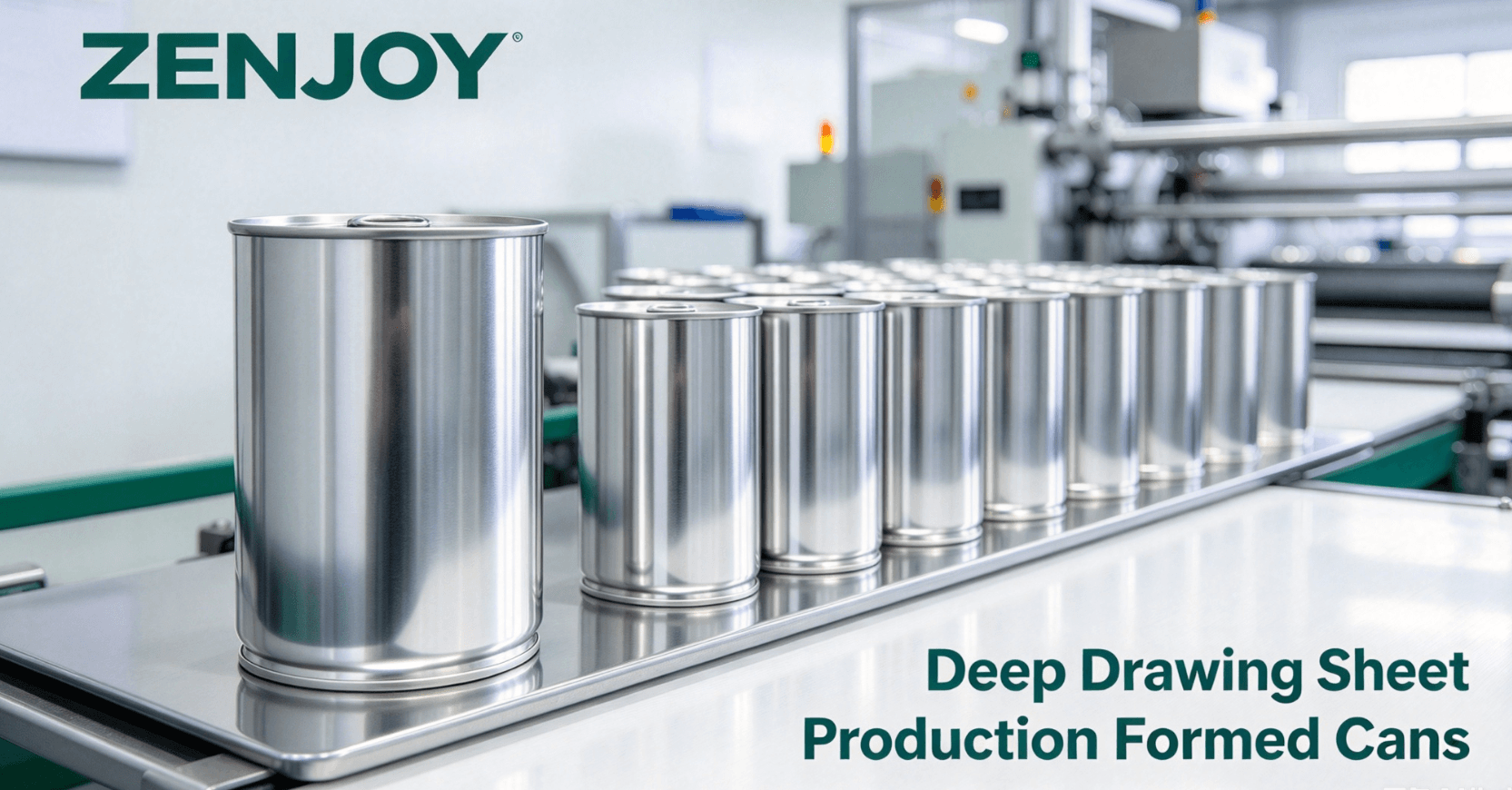
Deep drawing cracking is one of the most common mechanical defects in DRD two-piece cans and complex shaped metal containers. Most stamping failures are not caused by mold parameters or lubrication issues, but by mismatched tinplate hardness and insufficient elongation. Unreasonable material temper selection will lead to edge cracking, body tearing and high scrap rate during high-speed continuous forming.

Tinplate Coating Peeling Risk Analysis and Avoidance Under High-Temperature Retort Sterilization
High-temperature retort sterilization is an essential process for shelf-stable food cans. However, long-term high-temperature and high-pressure environments easily cause coating blistering, delamination and peeling on the inner wall of metal cans. Many can manufacturers attribute coating failure solely to lacquer quality or baking process. In fact, **tinplate substrate performance, surface condition and material matching** are the core hidden causes of most high-temperature coating peeling problems. This article professionally analyzes the root causes of tinplate coating peeling under retort conditions, explains the difference in high-temperature resistance between ETP tinplate and TFS steel, and summarizes practical and operable avoidance solutions for mass production.
Want to know more?
Get in touch with us for more information about our services and products.