
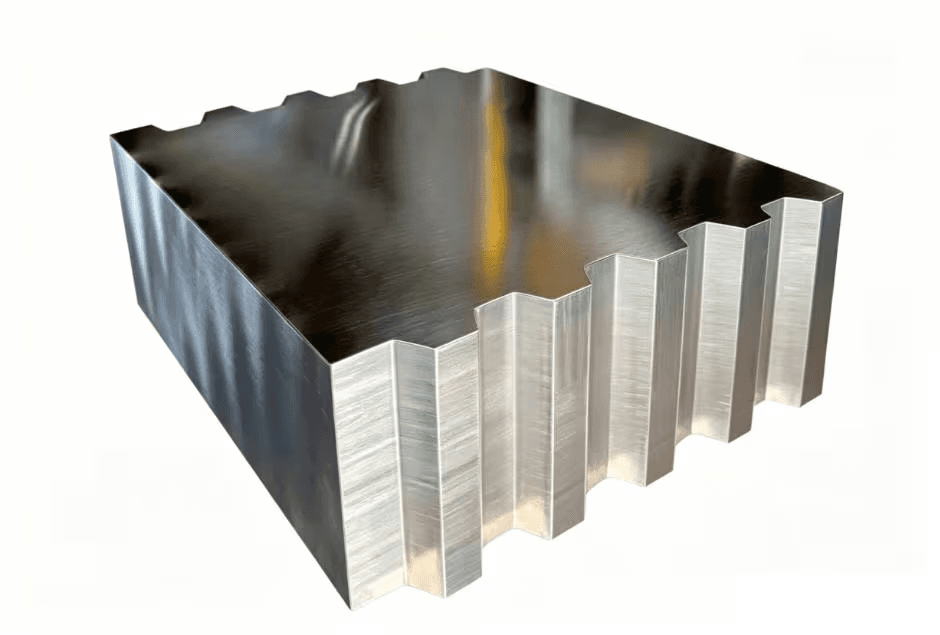
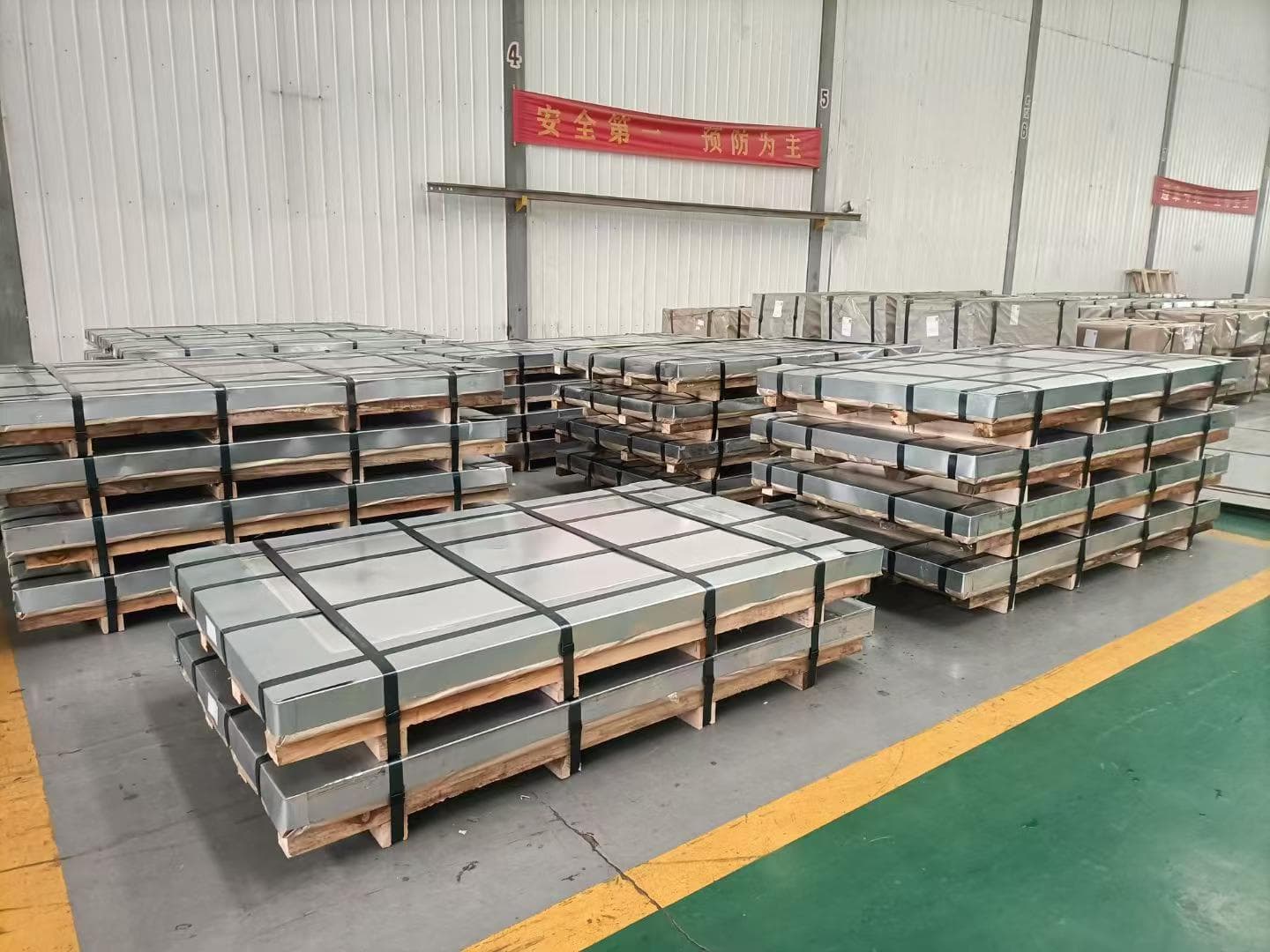
Tinplate Cut Sheet
Application
View More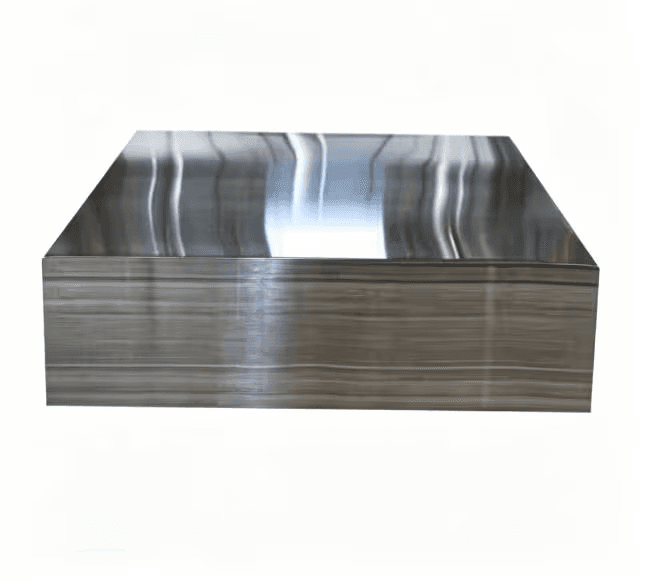
Custom Size TFS Sheets
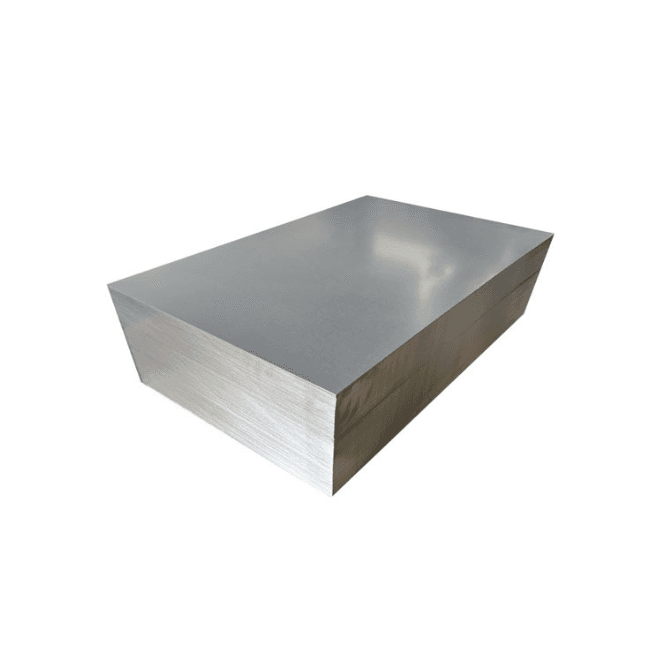
Tinplate for Sauce and Prepared Food Cans
Tinplate for Pet Food Wet Cans
Tinplate for Seafood Cans
Bulk Stock Supply Support
Repeat Size Supply Program
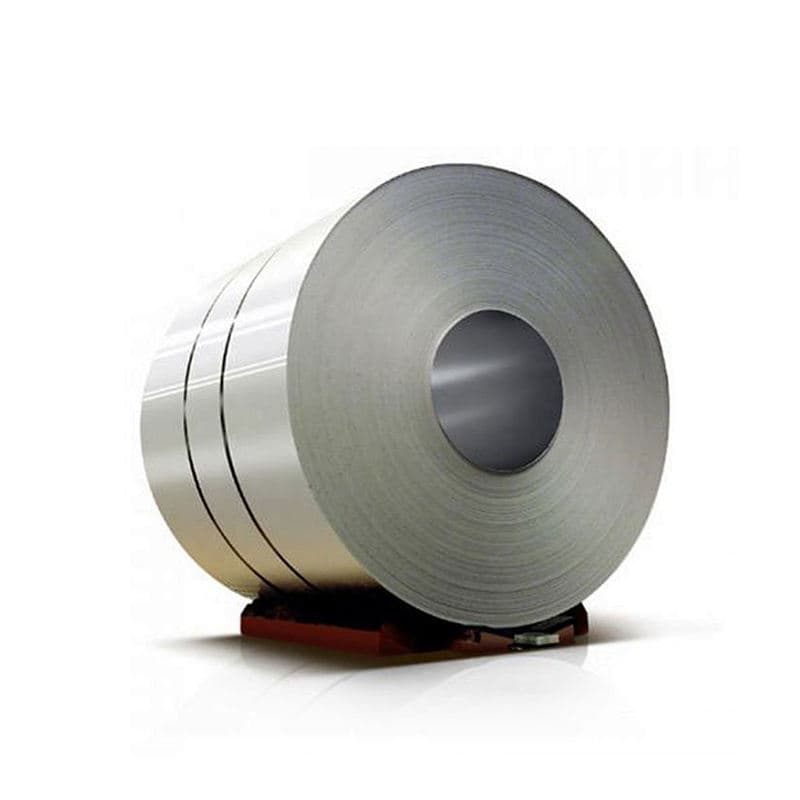
Premium Tinplate for Gift Tins

Premium Tinplate for Tea Tins

Premium Tinplate for Biscuit Tins

Tinplate for Tuna Cans
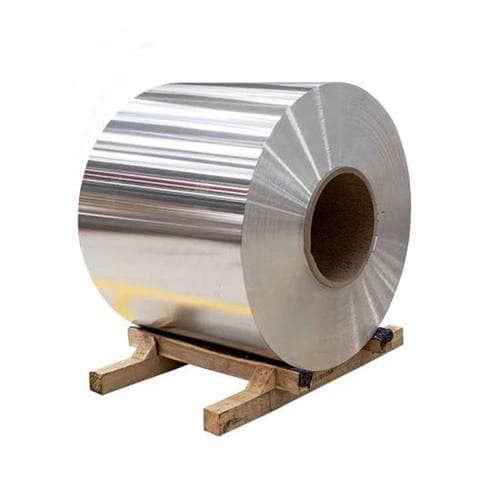
TFS Metal Packaging Steel for Closures
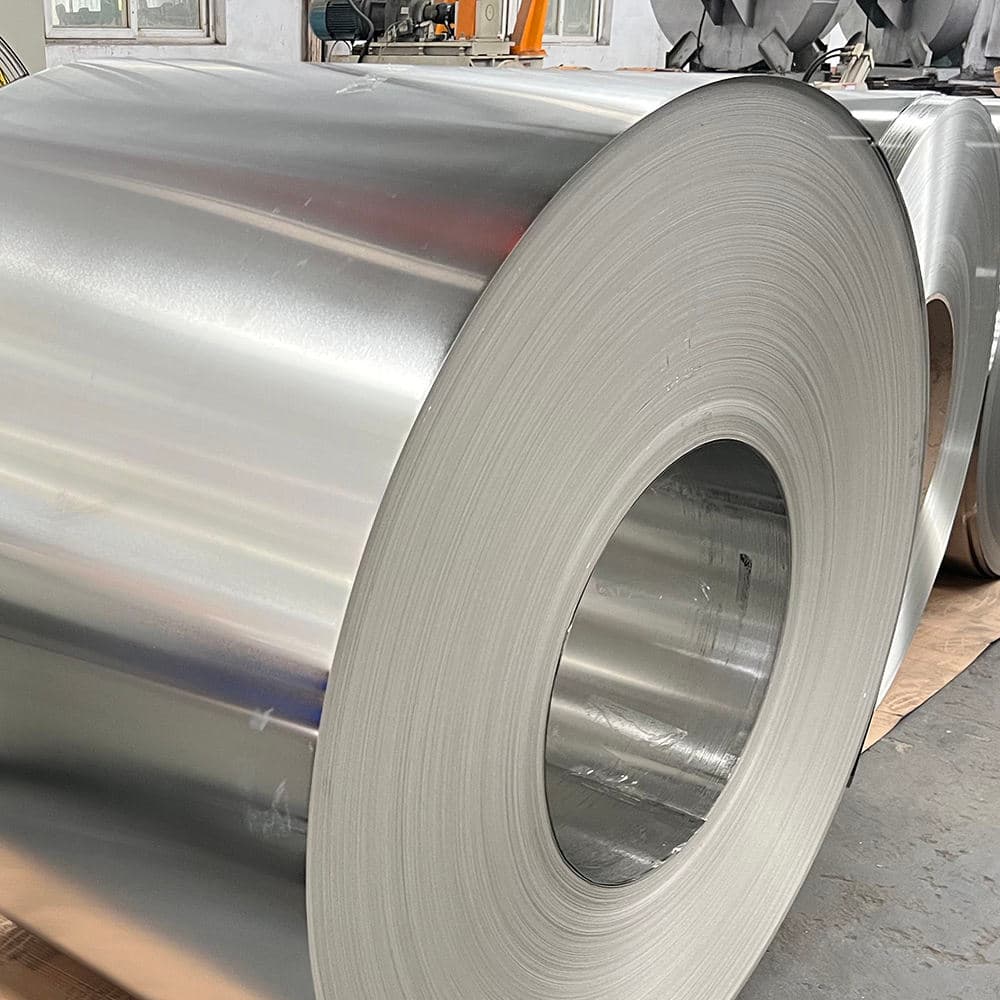
Premium Tinplate for Can Ends
Tinplate Cut Sheet for Can Making, Packaging Production, and Industrial Processing
Tinplate cut sheet is one of the most practical supply forms for buyers who need ready-to-use packaging steel for downstream production. Compared with full coil supply, cut sheets are often preferred by factories and processors that want easier handling, faster material preparation, more organized sheet management, and less internal conversion work.
In many packaging and can-making operations, the supply form of the material is just as important as the material itself. Even when the tinplate quality is acceptable, poor sheet size control, unstable flatness, delayed supply, or weak repeat-order consistency can still create production inefficiency and purchasing risk.
That is why professional buyers looking for tinplate cut sheet usually focus on much more than simply ordering steel in sheet form. They want to know:
- Are the sheet dimensions stable and suitable for our line?
- Can the supplier support recurring sizes for repeat orders?
- Can the material be supplied in a more production-ready format?
- Can urgent replenishment or peak-season sheet demand be handled?
- Can the supplier provide practical coordination for packaging, export, and ongoing supply?
A strong tinplate cut sheet supply program should help buyers solve these issues before they become production problems.
What Is Tinplate Cut Sheet?
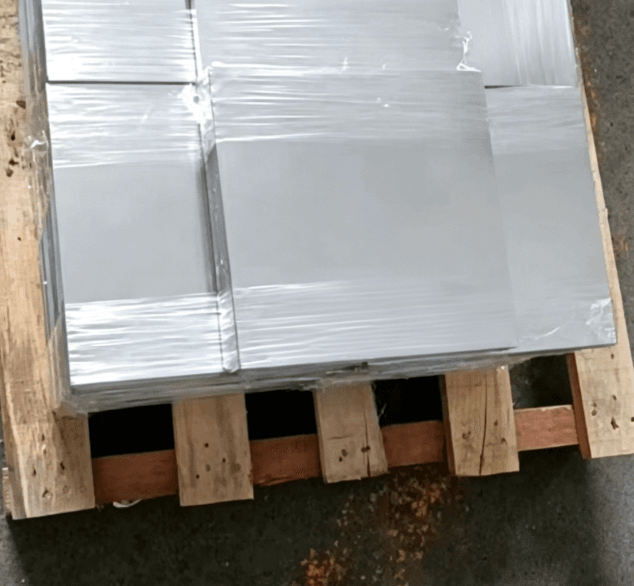
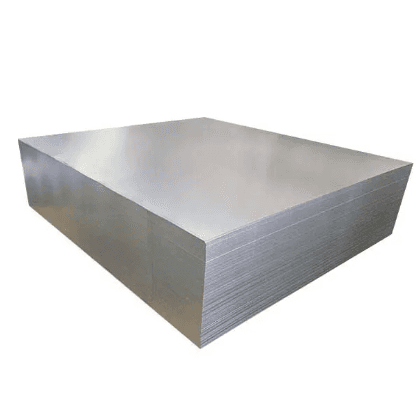
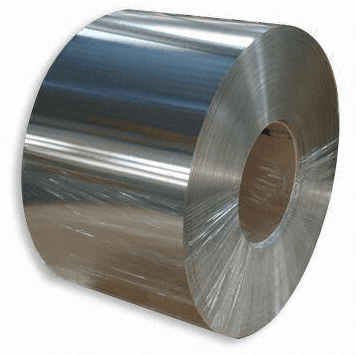
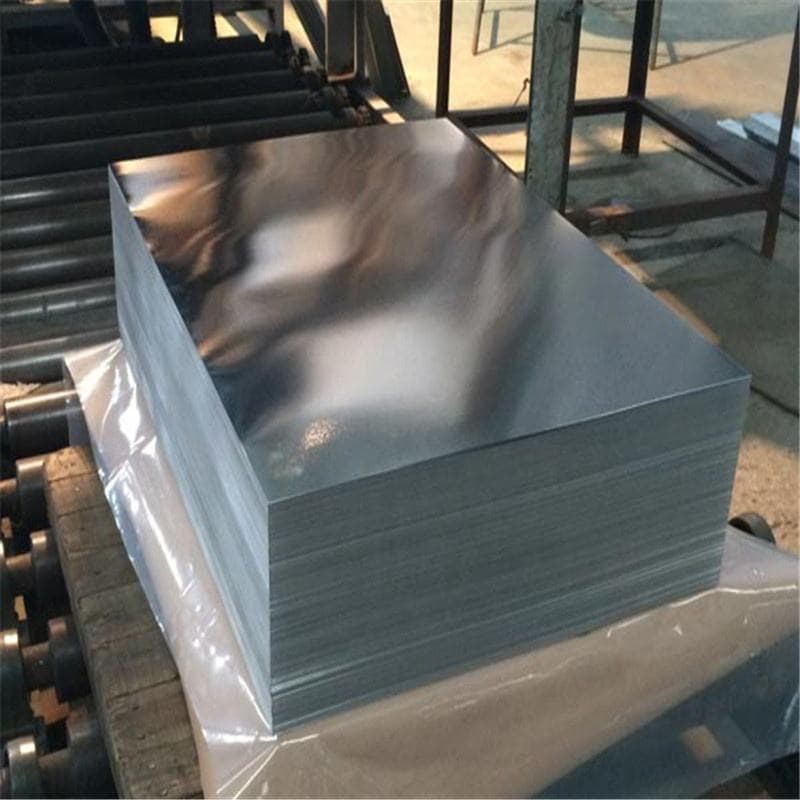
Tinplate cut sheet is tinplate material processed from coil into flat sheets of standard or customized dimensions according to production requirements. It is commonly used in applications where buyers need a more direct, production-ready format for stamping, can-making, packaging assembly, decorative tin manufacturing, or industrial component processing.
For many factories, cut sheet supply improves usability because it reduces some of the internal handling and conversion work associated with full coil. It also helps buyers organize material more clearly by size, SKU, project, or application.
This is especially useful in operations that rely on:
- sheet-fed equipment
- repeated production sizes
- decorative or branded packaging formats
- smaller batch variation across multiple products
- organized handling for packaging projects
- recurring export supply programs
Tinplate cut sheet is therefore not just a simpler material form. In many cases, it is a more practical procurement solution.
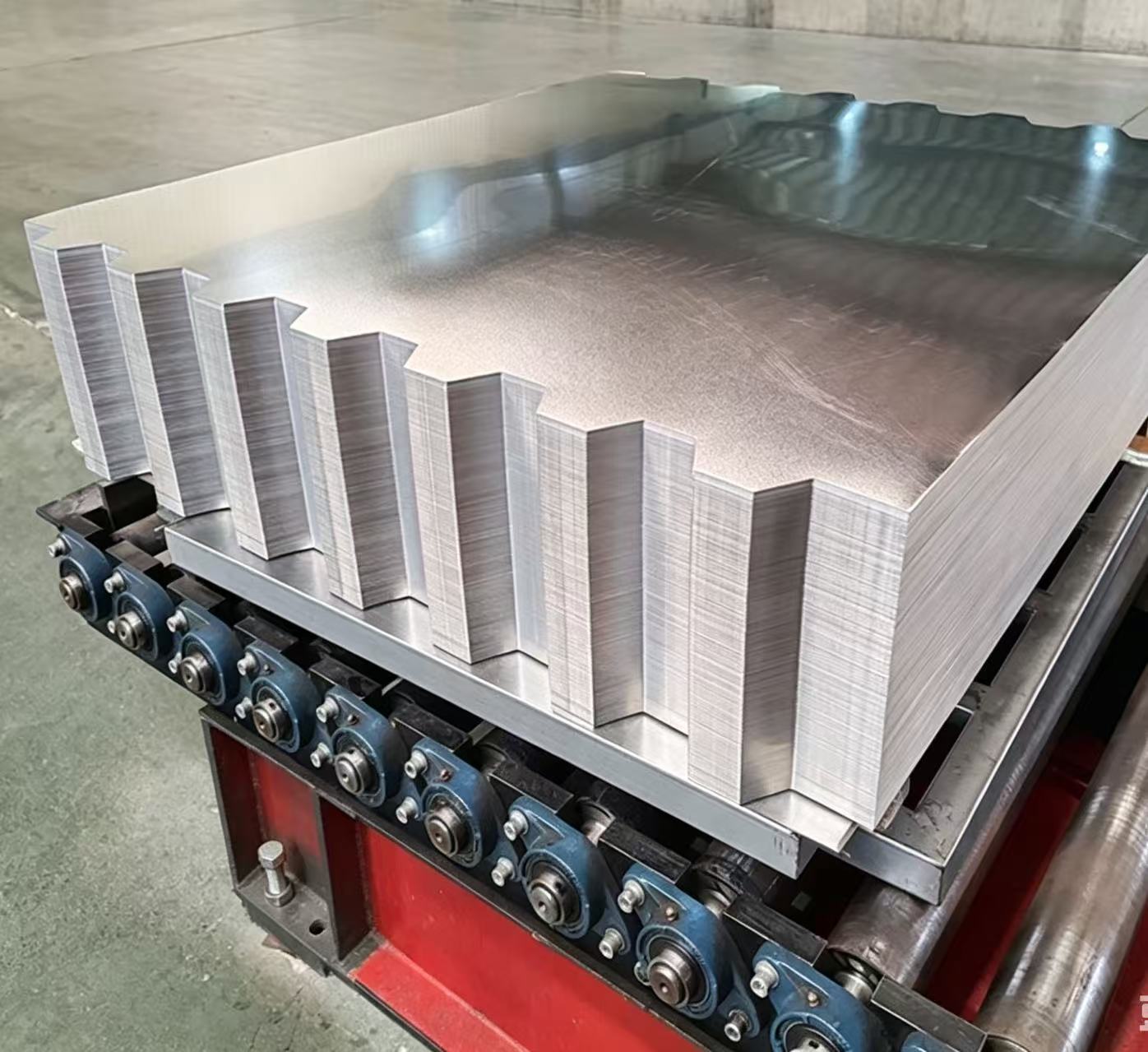
Why Buyers Choose Tinplate Cut Sheet Instead of Full Coil
Some industrial buyers prefer full coil because they have internal processing capability and want more flexibility in conversion. But many buyers choose tinplate cut sheet because it reduces friction inside the factory and supports smoother production.
Tinplate cut sheet is often selected when buyers want:
- easier material handling
- less internal slitting or cutting work
- more production-ready supply
- faster material preparation
- clearer organization by sheet size
- better fit for sheet-based manufacturing lines
- more convenience for repeated or project-based orders
For packaging manufacturers, can-making factories, and decorative tin producers, this can lead to real gains in operating efficiency.
The best material is not always the earliest material form. In many cases, the best material is the form that fits the buyer’s production process more directly.
Typical Applications of Tinplate Cut Sheet
Tinplate cut sheet is widely used across packaging and industrial sectors. Depending on the specification and format, it is commonly used for:
Food Can Production
Many food can manufacturers use tinplate cut sheets for downstream stamping, can body preparation, and packaging-related component production. Stable sheet dimensions and flatness are especially important in this area.
Milk Powder and Dry Food Packaging
For milk powder cans, tea tins, biscuit tins, and other dry product packaging, cut sheets can support more organized production, especially when buyers work with repeated sizes and packaging formats.
Decorative and Gift Tin Manufacturing
Decorative tin buyers often prefer cut sheets because they are more suitable for project-based packaging, printed/lacquered finishing, and recurring design dimensions.
Packaging Components and Stamped Parts
Tinplate cut sheet is also used for selected packaging components and industrial stamped parts where flat sheet supply improves processing convenience.
Repeat Production Programs
Where factories use recurring sheet sizes and repeated packaging SKUs, cut sheets can make material handling more efficient and reduce unnecessary internal processing steps.

Main Challenges Buyers Face When Sourcing Tinplate Cut Sheet
Even though cut sheets are often easier to use than coil, buyers still face several recurring sourcing problems.
1.Sheet size inconsistency
If dimensions vary from shipment to shipment, production setup becomes less efficient and scrap risk increases.
2.Poor flatness or handling quality
Cut sheet buyers usually care more about sheet usability than coil buyers. If sheets are not prepared properly, downstream processing becomes harder.
3.Weak repeat-order discipline
Many packaging buyers work with the same dimensions across repeated orders. If a supplier cannot support recurring size programs consistently, internal coordination becomes inefficient.
4.Delays in cut-size supply
Some suppliers can provide coil easily but struggle with sheet conversion timing, especially under larger or urgent orders.
5.Lack of practical service
Buyers often need more than material in sheet form. They also need professional communication around dimensions, order structure, packing, and shipment.
This is why a good tinplate cut sheet supplier must be strong not only in material supply, but also in production-oriented service.
What Buyers Usually Care About Before Ordering
When evaluating tinplate cut sheet, industrial buyers usually focus on the following:
- Dimension suitability
The sheet must fit the buyer’s actual production line, packaging design, or stamping requirement.
- Repeat-size support
Buyers often want to know whether the same sheet size can be supplied again and again without inconsistency.
- Material usability
Good sheet supply is not only about the nominal dimensions. It is also about flatness, handling convenience, and downstream production fit.
- Order timing
Factories need to know whether the supplier can support required lead times, especially during busy periods or when recurring SKUs must be replenished.
- Bulk and repeat-order capability
Many buyers do not want one-time cut sheet supply only. They want a supplier that can support stable recurring demand.
- Packing and export coordination
Because cut sheets are handled differently from coil, packing discipline becomes an important part of order quality.
- Communication and service
Professional buyers want suppliers that can confirm details clearly, coordinate more smoothly, and reduce risk in the order process.
A practical purchasing decision should compare all of these points, not only sheet price.
Our Advantages in Tinplate Cut Sheet Supply
We supply tinplate cut sheet with a focus on practical industrial use, organized repeat support, and production-fit service.
Production-Ready Supply Support
Many buyers choose cut sheets because they want less internal conversion pressure and more direct usability. We understand that the value of cut sheet supply lies in how well it supports real manufacturing needs.
Stable Repeat Dimensions
For recurring projects and repeated packaging programs, dimension consistency matters. Our cut sheet supply is built around the reality that buyers need recurring size stability, not just one acceptable batch.
Timely Supply for Ongoing Production
In packaging and can-making industries, sheet delivery delays can affect production planning very quickly. We emphasize timely supply, especially for buyers managing recurring sizes and tighter production schedules.
Capacity and Order Support
Cut sheet orders are often linked to multi-SKU packaging programs, repeated projects, or recurring industrial demand. We focus on supporting this kind of structure with a more organized supply model.
Quality Control That Supports Sheet Usability
For cut sheets, quality is not only about material grade. It is also about the sheet being suitable for actual downstream handling and processing. That is why sheet quality control must support real usability.
Service That Matches Industrial Procurement
Packaging factories, processors, and distributors need suppliers that can communicate clearly, follow order details, and support the full path from requirement confirmation to dispatch. This is part of the value we aim to provide.
How Tinplate Cut Sheet Helps Buyers Improve Efficiency
For many buyers, tinplate cut sheet improves procurement and production efficiency because it helps:
- reduce internal cutting or conversion work
- simplify material handling inside the factory
- improve organization of recurring SKUs
- support sheet-based equipment more directly
- reduce confusion in project-based packaging orders
- make repeat procurement easier to manage
- align purchased material more closely to actual use
This is especially important in operations where time, handling efficiency, and organized production matter as much as raw material cost.
A more usable supply format often creates better total value than a lower material quote alone.
Suitable Buyer Types
This product is especially suitable for:
- food can manufacturers
- milk powder can factories
- dry food packaging producers
- decorative tin manufacturers
- gift tin and tea tin factories
- industrial processors
- packaging steel distributors
- importers handling repeat sheet-size demand
- factories using sheet-fed production
- buyers managing recurring project-based packaging programs
If the priority is ready-to-use sheet material, recurring size stability, timely supply, and practical service, tinplate cut sheet is often the right choice.
Customization and Supply Support
Different buyers require different supply structures. Some need standard sheets. Others need cut-to-size arrangements that better match specific products or repeated packaging formats.
Depending on production use and order structure, support can be discussed around:
- custom sheet sizes
- recurring dimensions for repeat orders
- project-based sheet supply
- packaging-specific arrangements
- bulk order planning
- export packing requirements
- shipment coordination
- recurring order support for stable SKUs
A better sheet supply arrangement is one that reduces friction between material purchasing and real production use.
Why Tinplate Cut Sheet Pages Matter for Search and Buyer Intent
Industrial buyers often search not only for "tinplate cut sheet," but also for related procurement questions such as:
- tinplate sheet supplier
- tinplate cut sheet for cans
- food grade tinplate sheet
- custom size tinplate sheet
- tinplate sheet for milk powder cans
- tinplate sheet for dry food packaging
- tinplate cut to length supplier
- reliable tinplate sheet supplier
- tinplate sheet for decorative tins
- export tinplate sheet supplier
That means a strong product page should not just name the product. It should also answer the real concerns behind the search: usability, dimensions, repeat supply, packing, service, and application fit.
Pages built this way are more useful for both real buyers and long-term content visibility.
Frequently Asked Questions
What is tinplate cut sheet used for?
Tinplate cut sheet is used for food cans, milk powder cans, dry food packaging, decorative tins, gift tins, and selected packaging or industrial component applications.
Why do buyers choose tinplate cut sheet instead of coil?
Because cut sheets are easier to handle, reduce internal conversion work, and are often more suitable for sheet-fed production or recurring packaging sizes.
Can you support custom tinplate sheet sizes?
Yes. Custom dimensions can be discussed based on application, production line needs, and order structure.
Is tinplate cut sheet suitable for repeat industrial orders?
Yes. It is especially suitable for buyers managing recurring SKUs, repeated packaging dimensions, and ongoing production demand.
Why is sheet dimension consistency important?
Because inconsistent sheet size can create production inefficiency, increased scrap, and internal handling problems.
Can this product be used for food packaging?
Yes. Tinplate cut sheet is widely used in food-related packaging and can-making applications where stable material quality matters.
Can you support bulk orders and repeated replenishment?
Yes. This product is suitable for both bulk projects and recurring supply programs.
What should buyers confirm before placing an order?
Buyers should confirm application, sheet size, required specification, order volume, repeat-order needs, packing requirements, and target delivery schedule.
Do you provide service support beyond material supply?
Yes. We emphasize communication, order coordination, timing support, and practical service that helps buyers manage recurring industrial procurement more efficiently.
---
Send us your required sheet size, application, expected volume, and delivery timing.
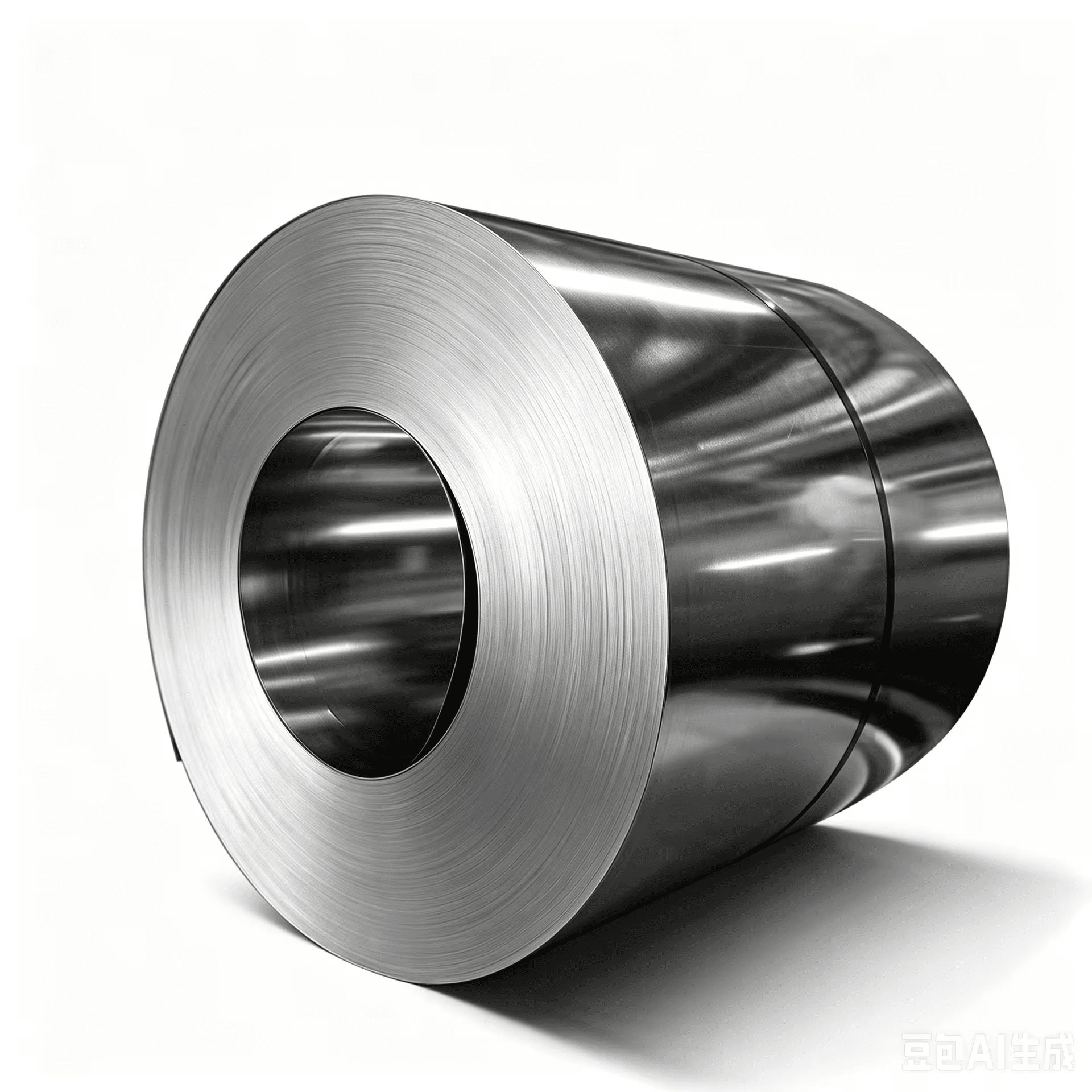
Tinplate for Milk Powder Cans
High-quality tinplate for milk powder can manufacturing, suitable for dairy packaging, nutrition powder packaging, infant formula cans, and other dry powder metal packaging applications. Designed for buyers who need stable quality, recurring specifications, timely supply, strict quality control, and reliable support for long-term industrial production.
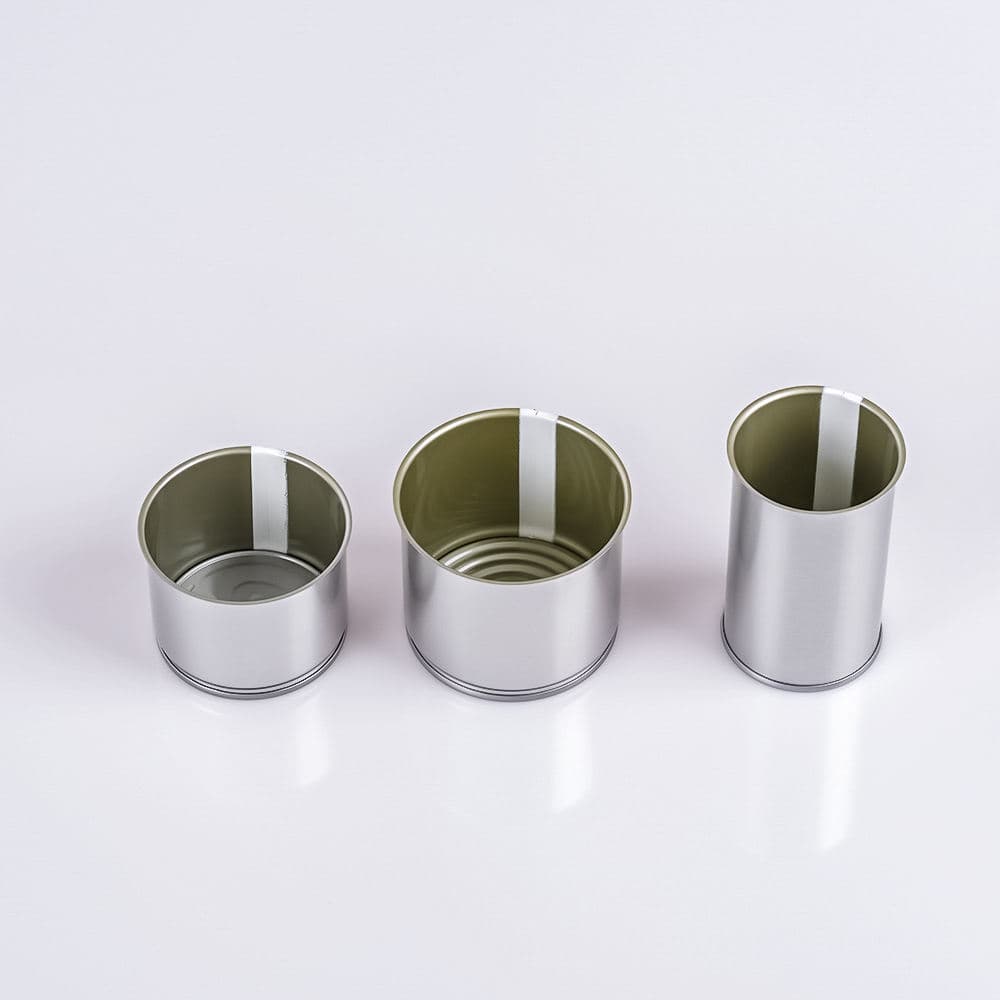
OEM Support for Easy Open Ends and Can Components
OEM-oriented support for easy open ends and related can components, designed for buyers who need recurring dimensions, repeated order coordination, structured long-term supply support, and more practical industrial packaging cooperation.
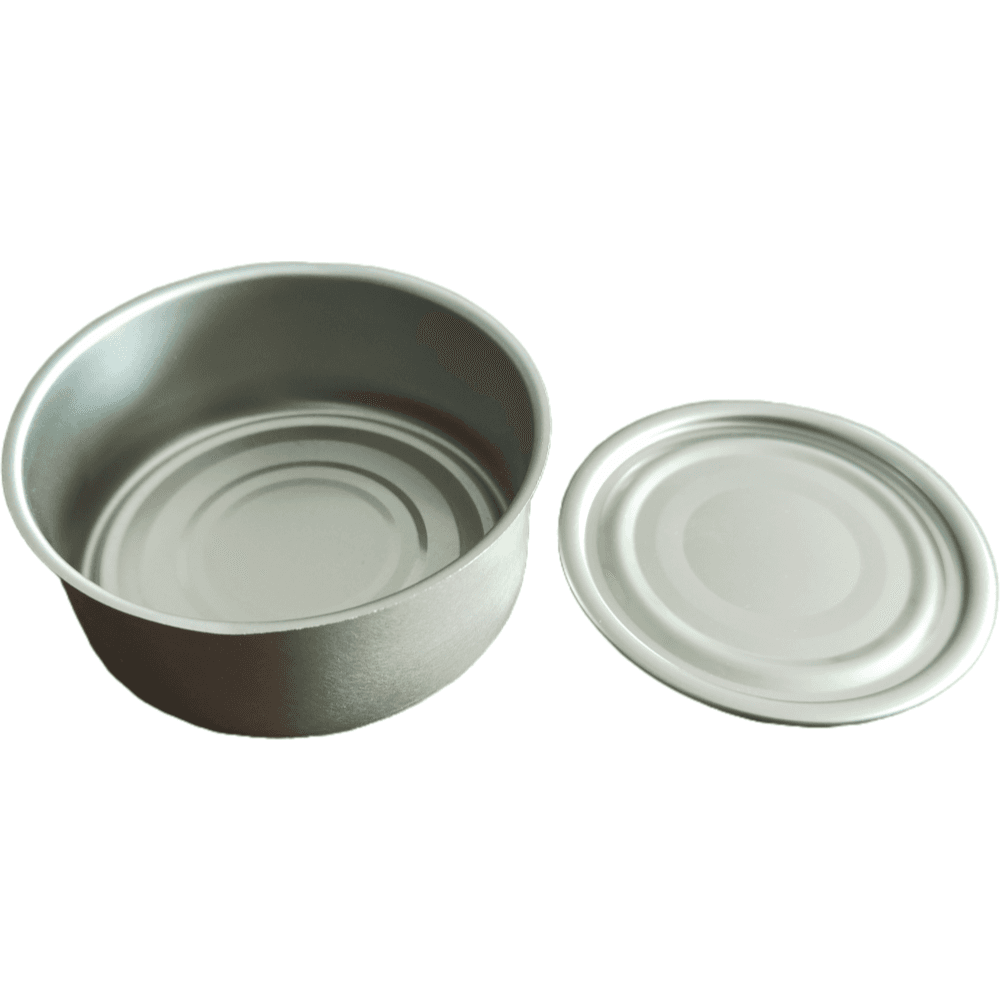
Wet Food Can Component Supply for Repeated Orders
Repeated-order supply support for wet food can components, suitable for tuna, seafood, meat, pet food, and other wet packaging programs that need recurring dimensions, stable delivery coordination, and reliable long-term procurement continuity.
Interested in this product?
Get in touch for more information, pricing, or custom requirements.