
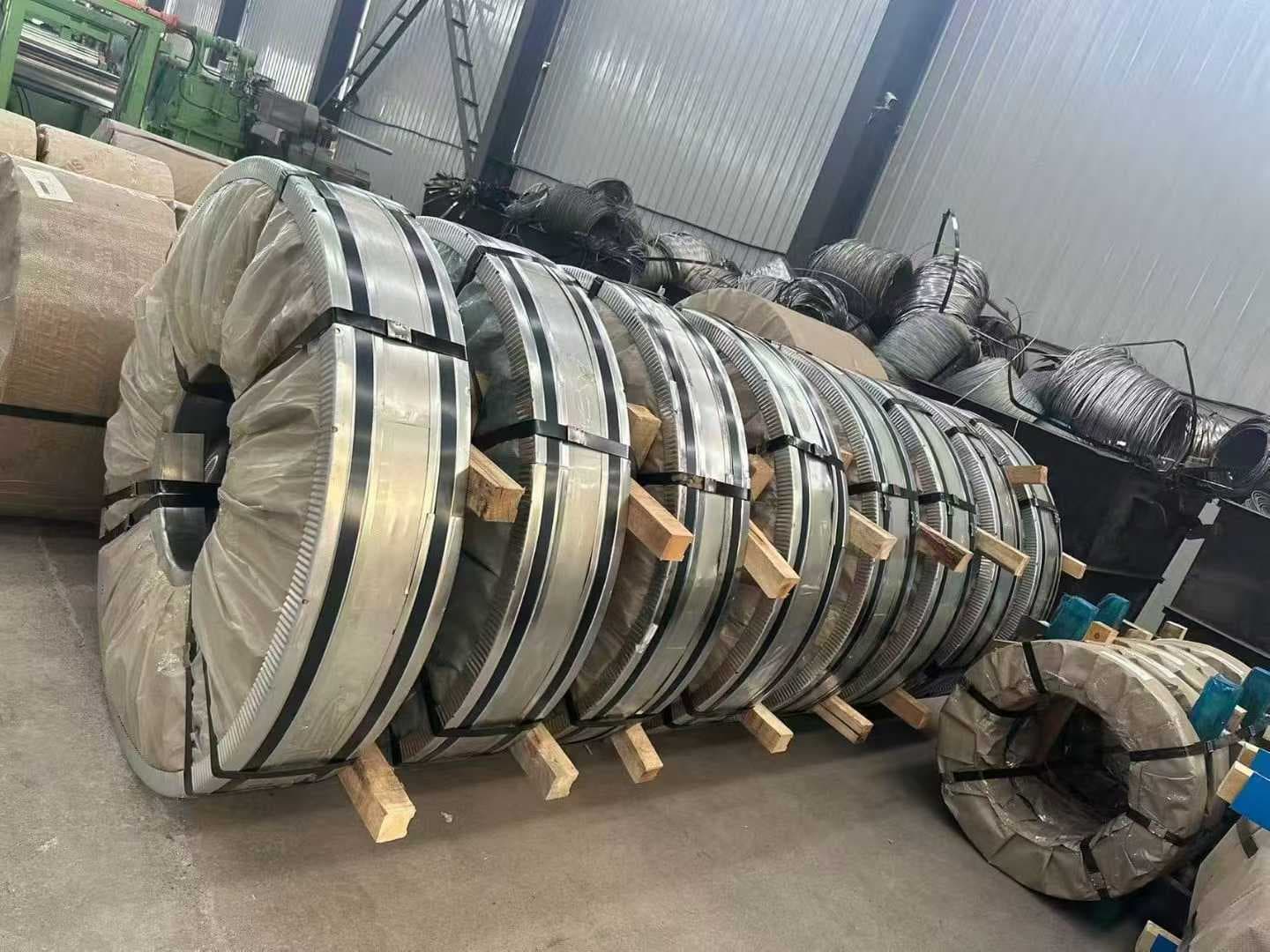
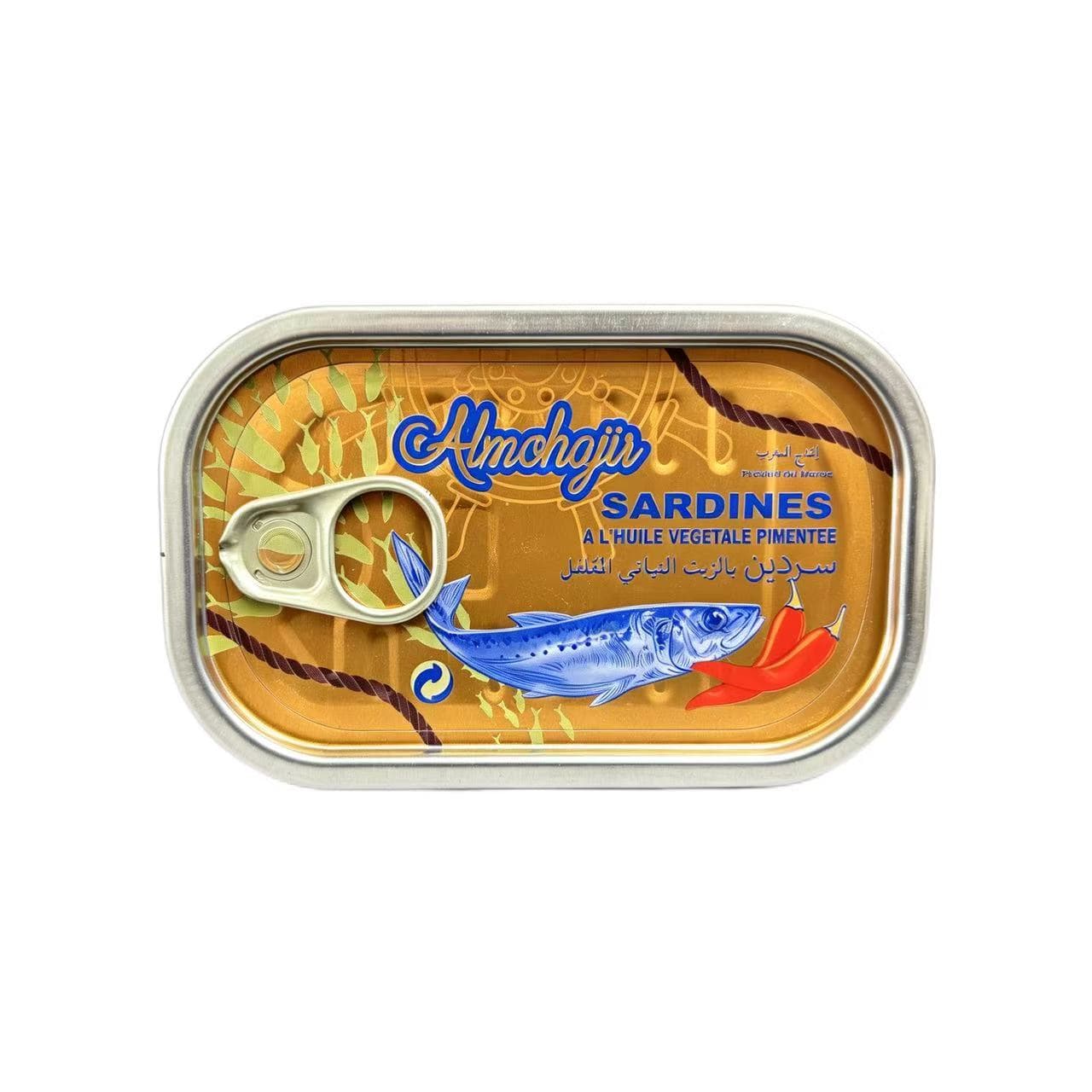
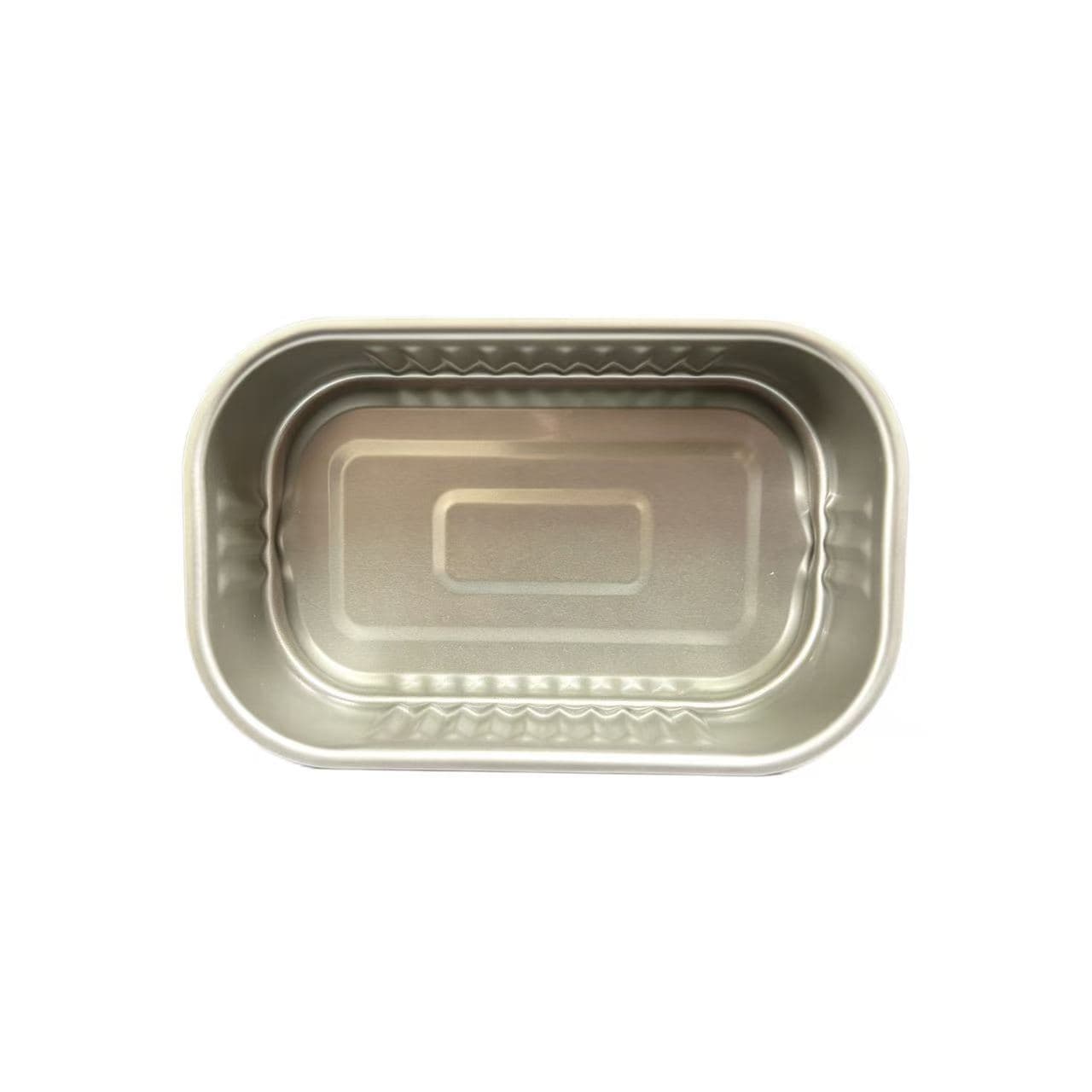
Tinplate for Wet Food Cans
Tinplate for Wet Food Cans with Stable Quality, Timely Supply, and Reliable Support for Repeated Production
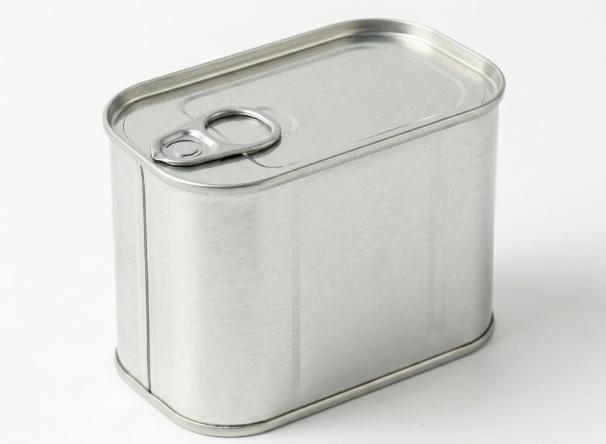
Tinplate for wet food cans is widely used in packaging applications where production timing, repeated specifications, packaging reliability, and supplier discipline all matter. It is commonly selected for tuna cans, seafood packaging, meat cans, luncheon meat cans, pet food cans, sauce containers, and other wet food packaging systems where the buyer needs both material stability and long-term supply confidence. For industrial buyers, wet food packaging is often more time-sensitive than many general packaging applications. Many wet food programs run around seasonal sourcing, repeated filling schedules, export timing, or customer delivery commitments. In these situations, weak supply support creates more than a material problem. It creates risk across the full packaging and production chain. That is why serious buyers sourcing tinplate for wet food cans often focus on:
- recurring specification support
- stable repeated supply
- practical lead-time discipline
- long-term order continuity
- quality control for repeated can-making use
- supplier communication during active production cycles
A strong wet food can tinplate supplier should help buyers reduce both packaging risk and schedule risk.
What Is Tinplate for Wet Food Cans?
Tinplate for wet food cans refers to tinplate material used in can-making and packaging systems for food products that require sealed wet-pack packaging. It is commonly used in metal can production because it supports practical can-making, recurring industrial supply, and stable packaging performance for repeated food programs. Compared with some dry product packaging categories, wet food can buyers often place stronger emphasis on:
- delivery timing
- repeated industrial support
- recurring dimensions
- bulk replenishment
- stronger production continuity
This is because many wet food packaging lines run on structured production cycles and repeated filling plans. Buyers usually want suppliers that understand not only the material category, but also the operational realities behind recurring wet food packaging demand.
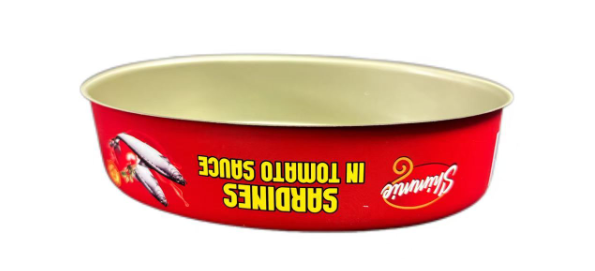
Technical Data & Supply Range
The following information provides a practical overview of our tinplate supply for wet food can production. Final specification should be selected according to can structure, filling process, packaging system, and recurring production requirements.
| Item | Description |
|---|---|
| Material | Electrolytic Tinplate |
| Supply Form | Coil / Sheet / Cut-to-Length |
| Thickness Range | 0.12 mm – 0.55 mm |
| Width Range | 700 mm – 1250 mm |
| Temper | T2 / T2.5 / T3 / T4 / T5 |
| Tin Coating | e.g. 2.8/2.8, 5.6/5.6, 8.4/8.4, |
| Surface Finish | Bright / Stone / Silver / Matte |
| Surface Treatment | Plain / Lacquered |
| Main Applications | Tuna cans, seafood cans, luncheon meat cans, pet food wet cans, sauces, and other wet food packaging |
| Customization | Available based on can-making requirement |
| Repeat Order Support | Available for recurring production programs |
| Bulk Supply Support | Available |
| Quality Documents | Available upon request |
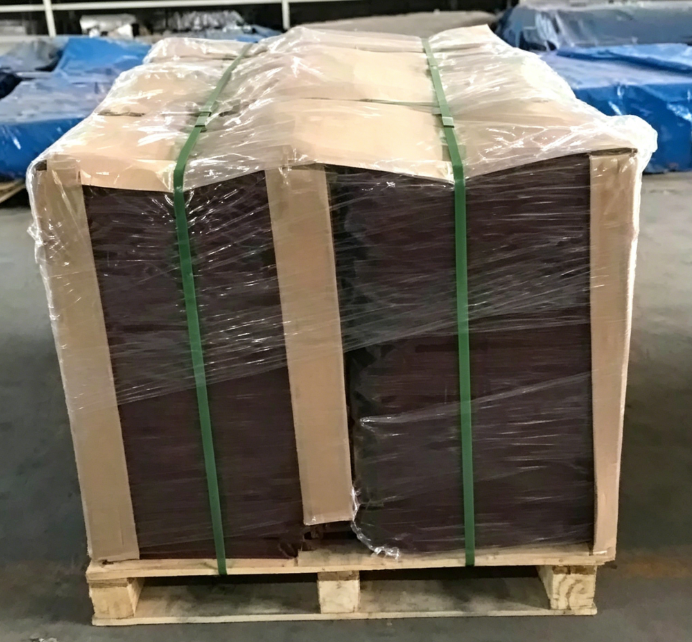
| Export Packing | Available for industrial shipment and export supply |
Why Buyers Check These Specifications
| Specification | Why It Matters to Buyers |
|---|---|
| Thickness | Influences forming performance, strength, and repeated production stability |
| Temper | Affects production compatibility and material handling in repeated can-making |
| Tin Coating | Important for wet food packaging fit and long-term packaging use |
| Supply Form | Helps buyers select a more practical material format for their production line |
| Repeat Order Support | Critical for wet food can buyers managing repeated SKUs and ongoing replenishment |
| Delivery and Bulk Support | Important for recurring production schedules and time-sensitive industrial demand |
Typical Applications
Tinplate for wet food cans is commonly used in:
Tuna and Seafood Cans
A major wet food packaging category where timing, recurring supply, and repeated packaging dimensions are especially important.
Luncheon Meat and Processed Meat Cans
Buyers in this category often need more stable recurring material support for can-making and repeated industrial production.
Pet Food Wet Cans
Many pet food factories rely on repeated packaging programs where dependable replenishment and recurring dimensions matter.
Sauce and Prepared Food Packaging
Some wet food packaging lines use tinplate in programs where recurring demand and production timing are closely connected.
Other Wet Food Packaging Systems
Any packaging program where repeated wet food can production depends on consistent supply, recurring dimensions, and stronger supplier discipline. Because wet food packaging is usually tied to repeated production cycles, buyers often value long-term supplier reliability more than short-term quoting speed.
What Buyers Usually Care About Before Ordering
When evaluating tinplate for wet food cans, professional buyers often review the following:
1.Suitability for the specific wet food application
The material must fit the buyer’s can structure, production line requirements, and packaging system.
2.Repeat-order consistency
Many buyers in this sector need recurring dimensions and repeated supply discipline across ongoing production cycles.
3.Timely supply
Because wet food packaging schedules are often tightly controlled, delayed material can affect the whole packaging and filling process.
4.Bulk and long-term program support
Many wet food can buyers manage repeated replenishment and recurring industrial demand rather than one-time spot buying.
5.Quality discipline
The supplier must support repeated industrial use, not only the first shipment.
6.Service and communication
Clear communication, faster response, order follow-up, and recurring support are especially valuable in wet food packaging procurement. A stronger supplier is usually one that helps reduce operational uncertainty, not one that only sends a fast quote.
Our Advantages in Supplying Tinplate for Wet Food Cans
We supply tinplate for wet food cans with a focus on recurring industrial demand, timely delivery, stronger quality control, and practical long-term service.
Stable Supply for Recurring Wet Food Packaging Programs
Wet food packaging buyers often depend on repeated production cycles, repeated can sizes, and structured replenishment. We understand that continuity is a critical part of supplier value in this category.
Timely Supply for Production-Critical Packaging Cycles
In wet food can production, late material can affect the entire packaging plan. We emphasize timely delivery and better order coordination to support smoother production.
Capacity Support for Bulk and Ongoing Orders
Many buyers in this sector need more than one shipment. We focus on supporting larger recurring demand, repeat replenishment, and long-term industrial supply.
Quality Control That Supports Repeated Can-Making Use
Quality here means more than one acceptable batch. It means helping buyers maintain the same level of confidence across repeated orders and repeated production runs.
Service That Reduces Procurement Pressure
Responsive communication, recurring specification support, order tracking, shipment coordination, and after-sales follow-up are all part of reliable wet food packaging supply.
Why This Product Matters for B2B Buyers
Wet food can procurement is often more commercially sensitive than it first appears. A supplier that supports repeated delivery, stable specifications, and long-term planning can help buyers:
- reduce risk during active production windows
- improve recurring supply confidence
- support smoother can-making and filling schedules
- lower internal coordination pressure
- strengthen long-term procurement stability
That is why professional buyers often evaluate wet food can tinplate suppliers based on operational fit, not only price.
Available Grades, Supply Forms, and Customization Notes
Wet food can production often requires more disciplined material planning because the packaging schedule is usually linked to repeated filling cycles, recurring industrial demand, and tighter delivery timing. That is why buyers often pay close attention not only to product specification, but also to supply form, recurring order fit, and customization flexibility.
Available Supply Forms
Depending on production structure and order arrangement, wet food can tinplate can usually be discussed in:
- Tinplate coil
- Tinplate sheet
- Cut-to-length sheets
- Recurring size supply for repeated packaging programs
The most suitable format depends on how the buyer organizes can-making, internal processing, and repeated replenishment.
Available Grades and Application Fit
Grades and temper selection should be based on the actual wet food packaging application, can structure, and downstream processing requirement. In repeated wet food production, the main concern is usually not only the nominal grade itself, but whether the selected material can be supplied consistently across repeated orders. Professional buyers often review grade suitability together with:
- repeated dimensions
- recurring can formats
- production rhythm
- long-term order continuity
- supplier delivery discipline
Customization Notes
For wet food packaging, customization often relates to production practicality rather than special design alone. Buyers may need:
- recurring widths
- repeated cut sizes
- order support for regular replenishment
- production-oriented material planning
- better coordination for long-term recurring SKUs
A stronger supplier should be able to support both standard supply and more structured recurring demand for wet food can manufacturing.
Frequently Asked Questions
What is tinplate for wet food cans used for?
It is widely used for tuna cans, seafood cans, luncheon meat cans, pet food wet cans, sauces, and other wet food packaging applications.
Why do buyers choose tinplate for wet food cans?
Because it supports recurring industrial demand, stable can-making, timely replenishment, and more reliable long-term packaging programs.
Is this product suitable for repeat industrial orders?
Yes. It is especially suitable for buyers managing recurring wet food packaging programs and repeated can sizes.
Can you support bulk orders for wet food can manufacturers?
Yes. This product is suitable for bulk supply, recurring demand, and structured industrial procurement.
Why is timely delivery especially important in wet food packaging?
Because many wet food packaging programs are linked to filling schedules, seasonal production, and customer delivery timing. Delayed material can affect the whole production plan.
Do you provide service support beyond material supply?
Yes. We support recurring specification management, order follow-up, shipment coordination, and after-sales communication.
---
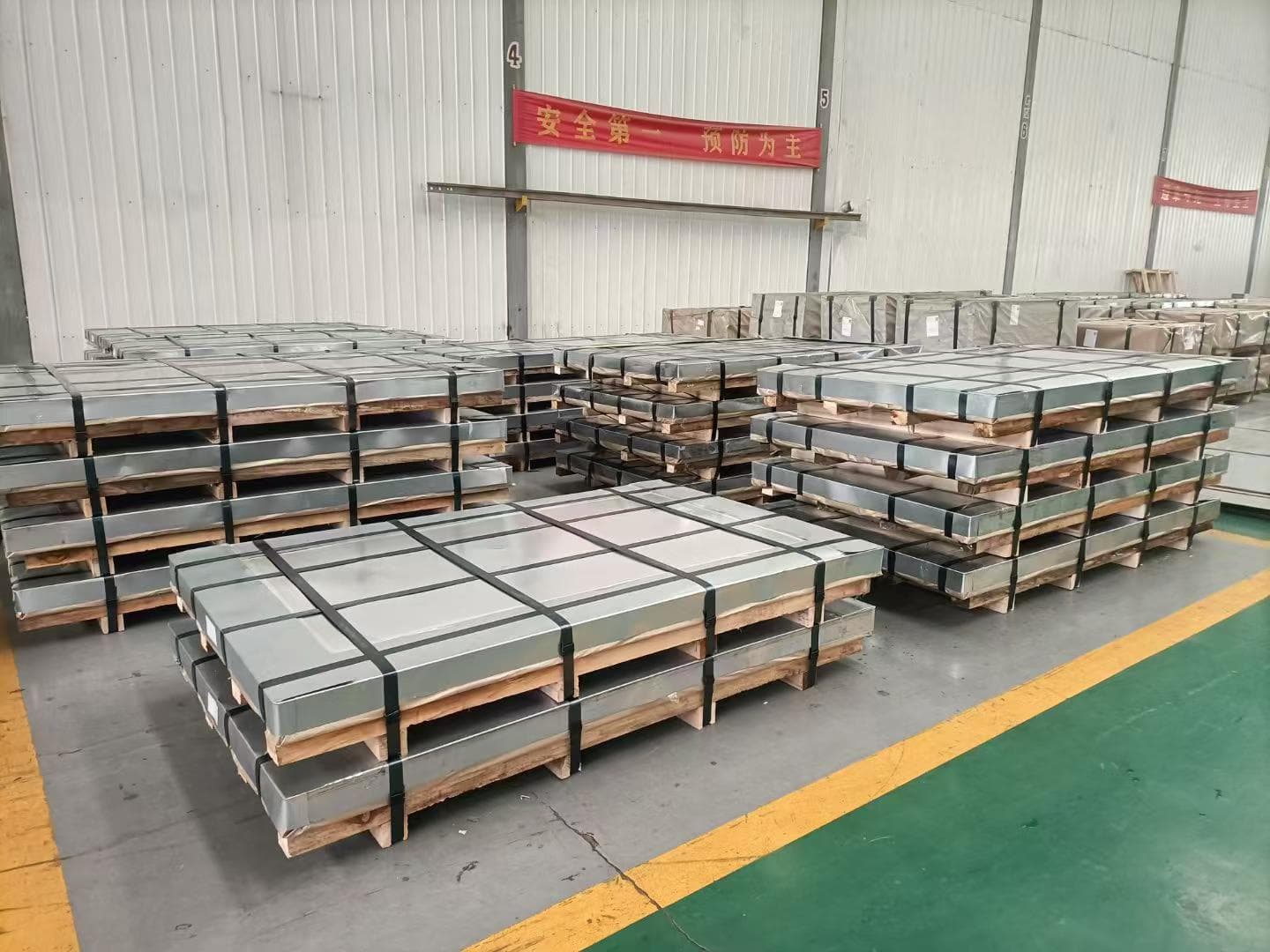
Tinplate for Milk Powder Cans
High-quality tinplate for milk powder can manufacturing, suitable for dairy powder packaging, infant formula cans, nutrition powder packaging, and other dry powder metal can applications. Designed for buyers who need stable quality, recurring specifications, timely supply, and reliable support for long-term industrial production.
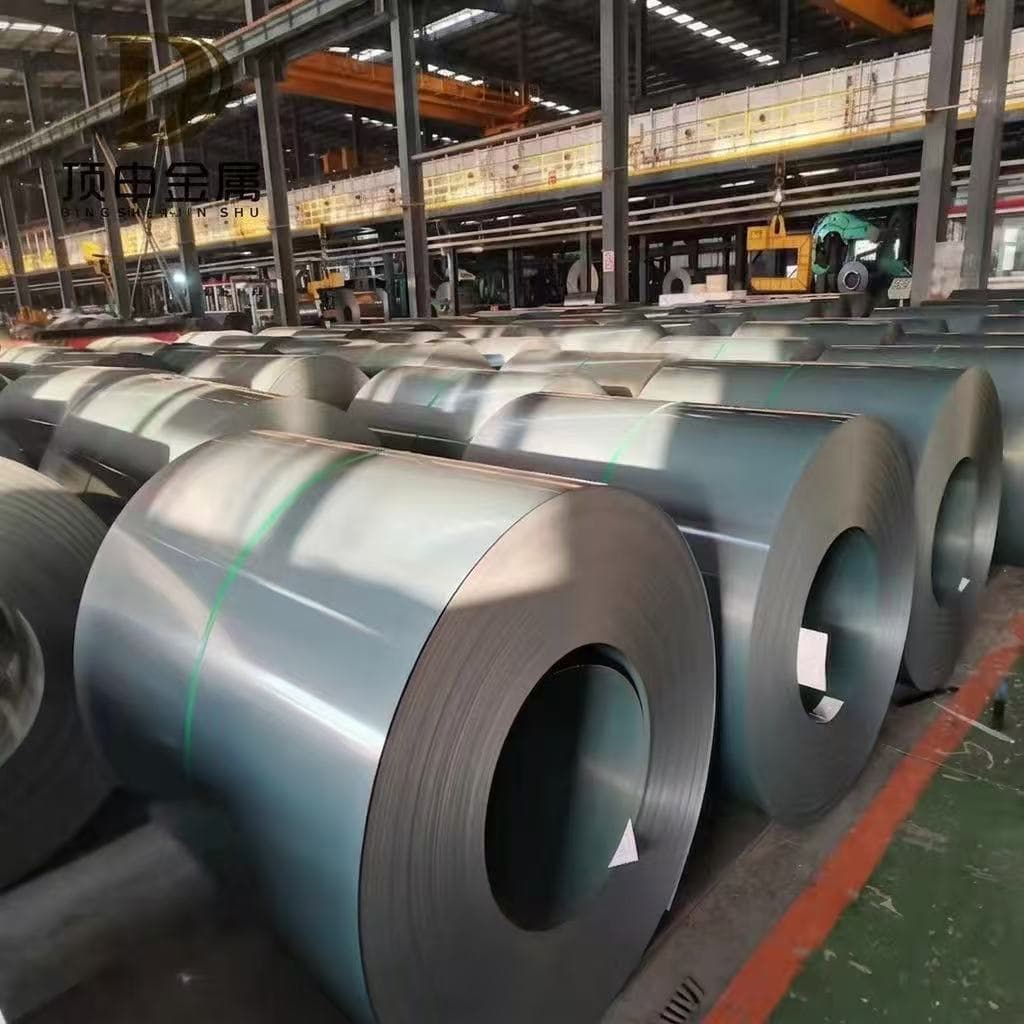
Tinplate for Dry Food Cans
High-quality tinplate for dry food can manufacturing, suitable for coffee, tea, biscuits, snacks, nutrition powder, seasoning products, and other dry food packaging applications. Designed for buyers who need stable quality, recurring specifications, timely supply, and reliable support for repeated industrial production.
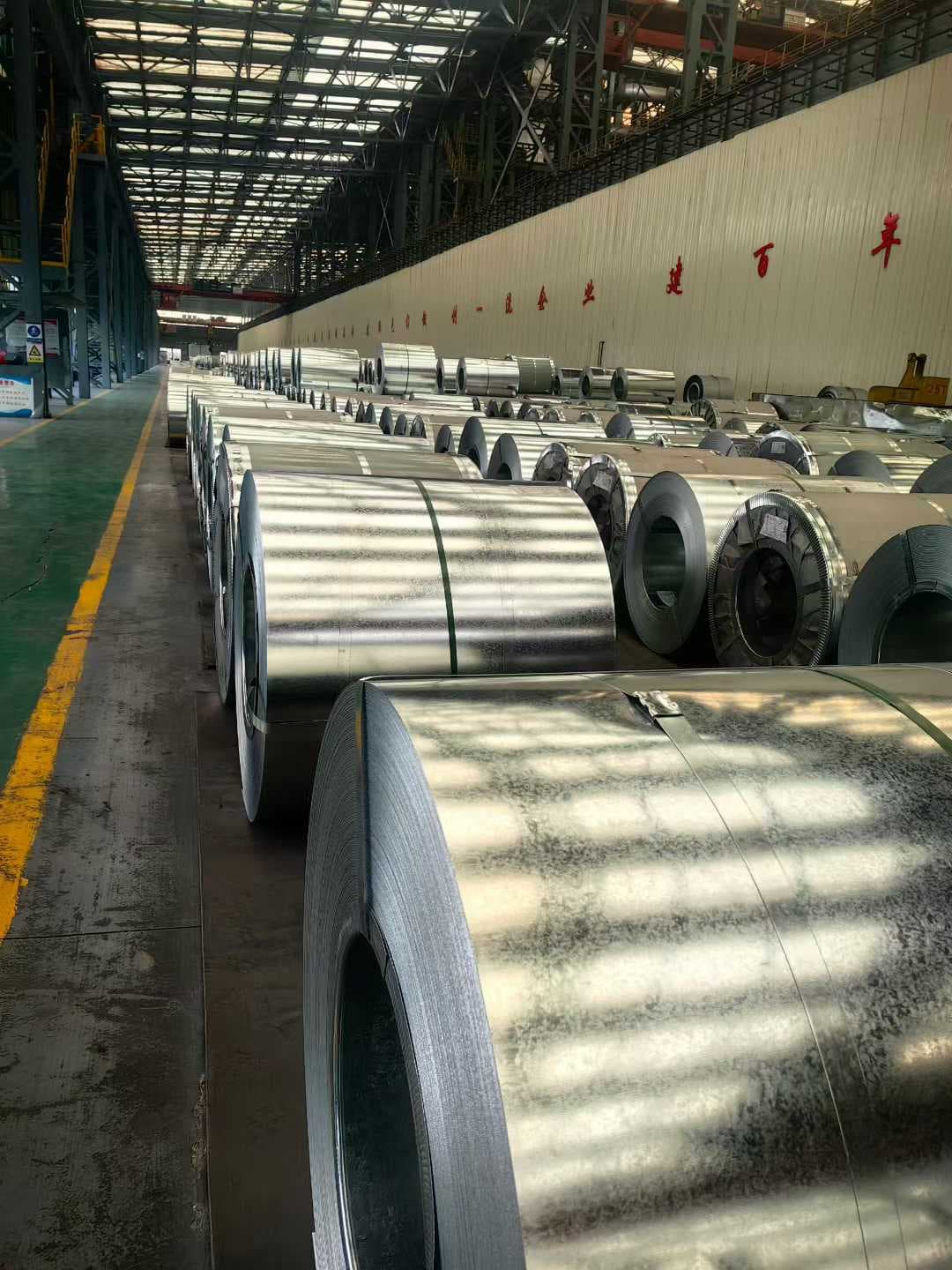
Tinplate for Food Cans
High-quality tinplate for food can manufacturing, suitable for canned vegetables, fruits, seafood, sauces, meat products, and other food packaging applications. Designed for buyers who need stable quality, repeatable specifications, timely supply, and reliable long-term support for recurring industrial production.
Interested in this product?
Get in touch for more information, pricing, or custom requirements.