
Industry News & Insights
Stay updated on tinplate, coated steel sheets, and metal packaging materials. Market trends, application cases for food/aerosol cans, supply chain updates, and pricing insights.
Categories

Tinplate Coating Peeling Risk Analysis and Avoidance Under High-Temperature Retort Sterilization
High-temperature retort sterilization is an essential process for shelf-stable food cans. However, long-term high-temperature and high-pressure environments easily cause coating blistering, delamination and peeling on the inner wall of metal cans. Many can manufacturers attribute coating failure solely to lacquer quality or baking process. In fact, **tinplate substrate performance, surface condition and material matching** are the core hidden causes of most high-temperature coating peeling problems. This article professionally analyzes the root causes of tinplate coating peeling under retort conditions, explains the difference in high-temperature resistance between ETP tinplate and TFS steel, and summarizes practical and operable avoidance solutions for mass production.
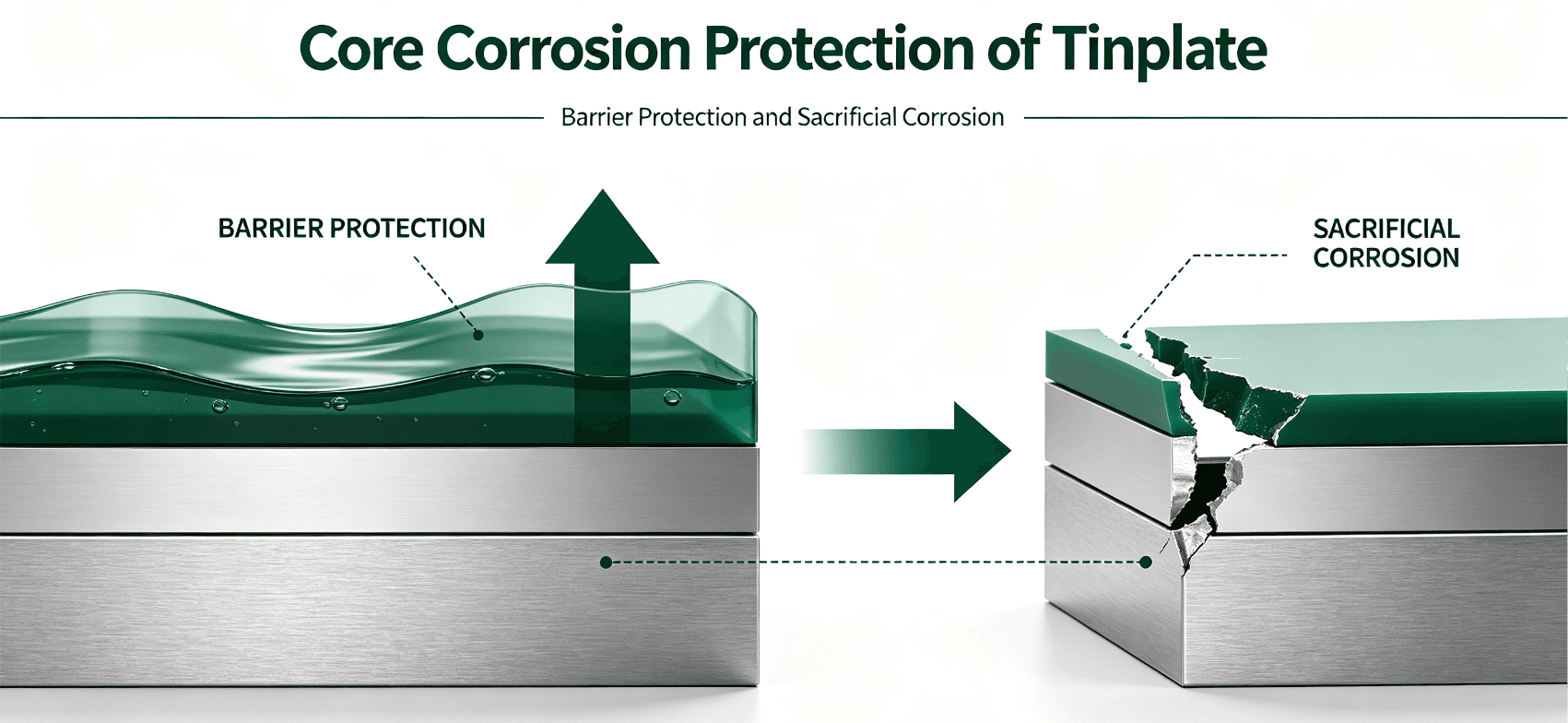
Sacrificial Corrosion & Barrier Protection: Core Anti-Corrosion Principle of Tinplate
The service life and storage safety of metal food cans largely depend on the anti-corrosion performance of packaging materials. As the most widely used substrate for food cans and general metal containers, ETP electrolytic tinplate adopts two core anti-corrosion mechanisms: barrier protection and sacrificial anode protection. These two protection systems work together to ensure stable corrosion resistance in complex food filling and high-temperature sterilization environments.

Sulfuration Black Spot Analysis: Material Causes and Solutions for Food Cans
Sulfuration black spots inside food cans are one of the most common quality puzzles for can manufacturers. Many factories mistakenly attribute the problem to coating or sterilization process issues. In fact, most recurring sulfuration discoloration stems from **incorrect metal substrate selection and surface passivation defects. This article professionally analyzes the essential material causes of can sulfuration black spots, clarifies the performance differences between ETP tinplate and TFS tin-free steel in anti-sulfur scenarios, and provides targeted, actionable solutions for mass can production.

Metal Packaging Sourcing Simplified: Choosing Tinplate, TFS, and Easy Open Ends for Your Product Line
Discover how strategic sourcing of tinplate, TFS, and easy open ends reduces risk, stabilizes lead times, and supports flexible can production for food and industrial packaging buyers.
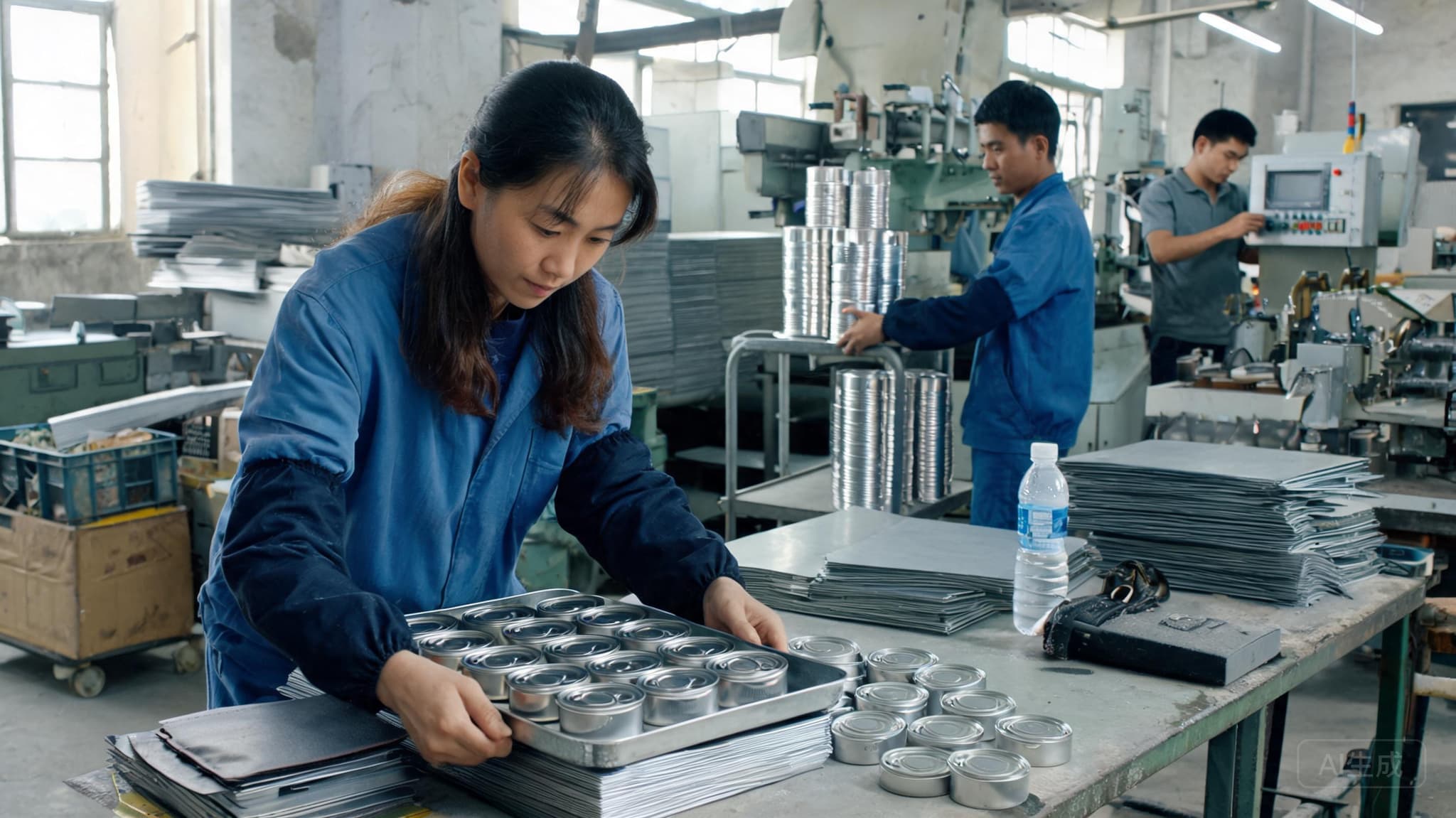
Secure Your Metal Packaging Supply with Premium Tinplate, TFS, and Easy Open Ends
Secure your metal packaging supply with premium tinplate and TFS. Learn how integrated sourcing reduces downtime, cuts costs, and ensures reliable delivery for two-piece and three-piece cans.
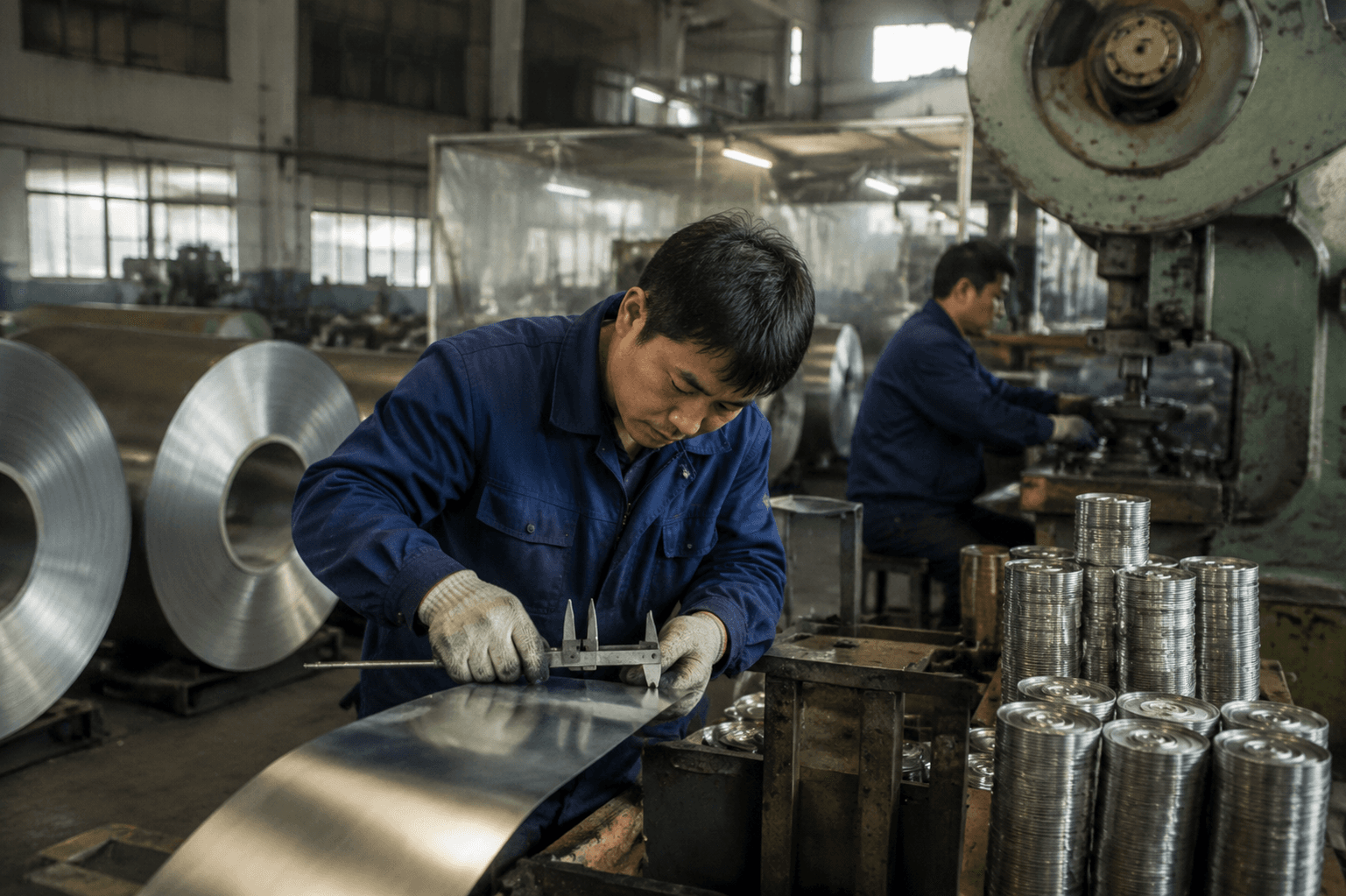
Optimizing Your Metal Packaging Supply Chain: Tinplate, TFS, and Easy Open Ends
Discover how to optimize your metal packaging supply chain with tinplate, TFS, and easy open ends. Learn to choose the right substrate, compare can formats, and select a supplier that ensures quality and reliability.
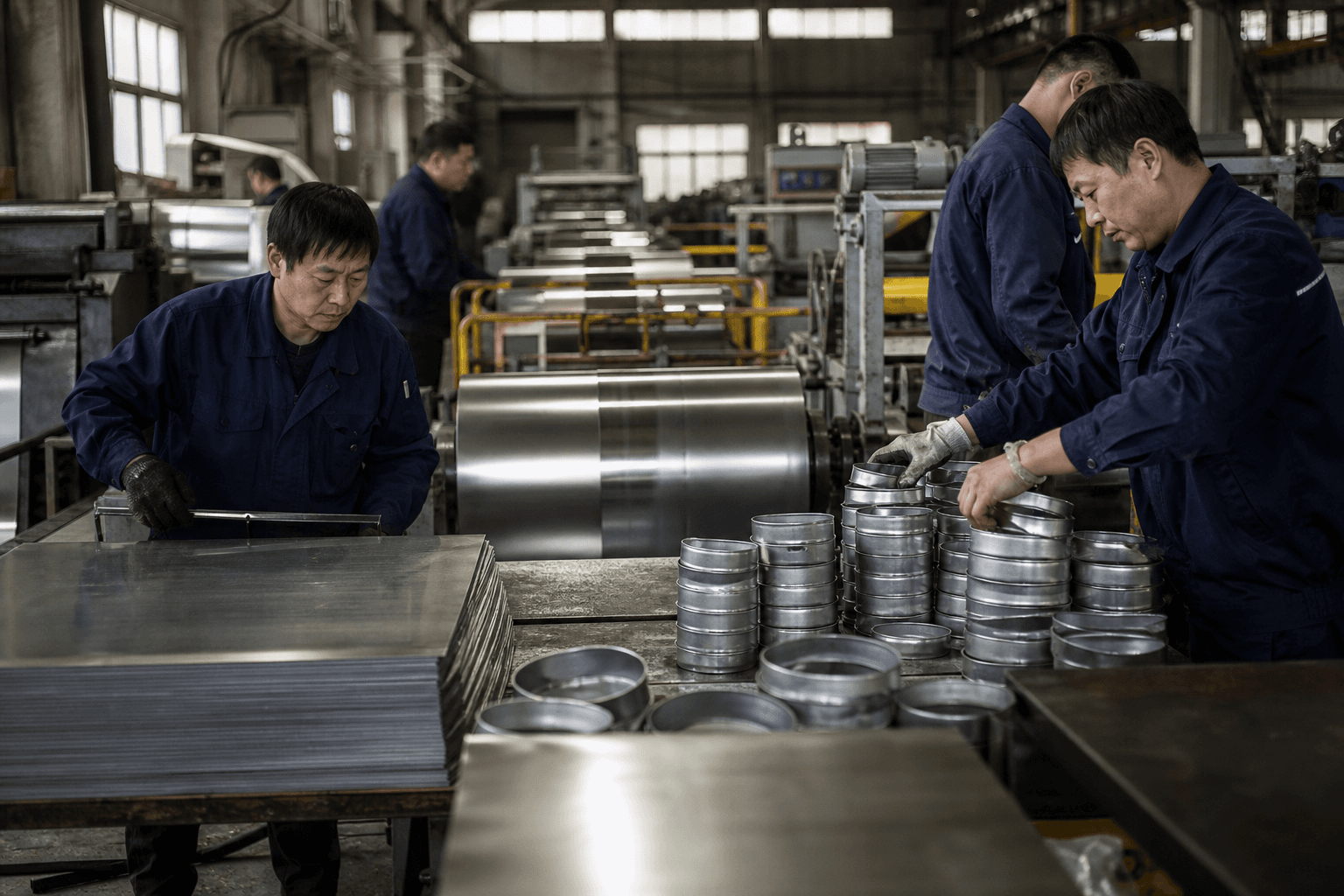
Optimize Your Metal Packaging Supply Chain: Materials, Ends, and Can Manufacturing Insights
Learn how integrated sourcing of tinplate, tin-free steel, easy open ends, and finished cans reduces supply chain risk. Compare substrates, lid formats, and can construction to improve packaging performance and lower total cost.
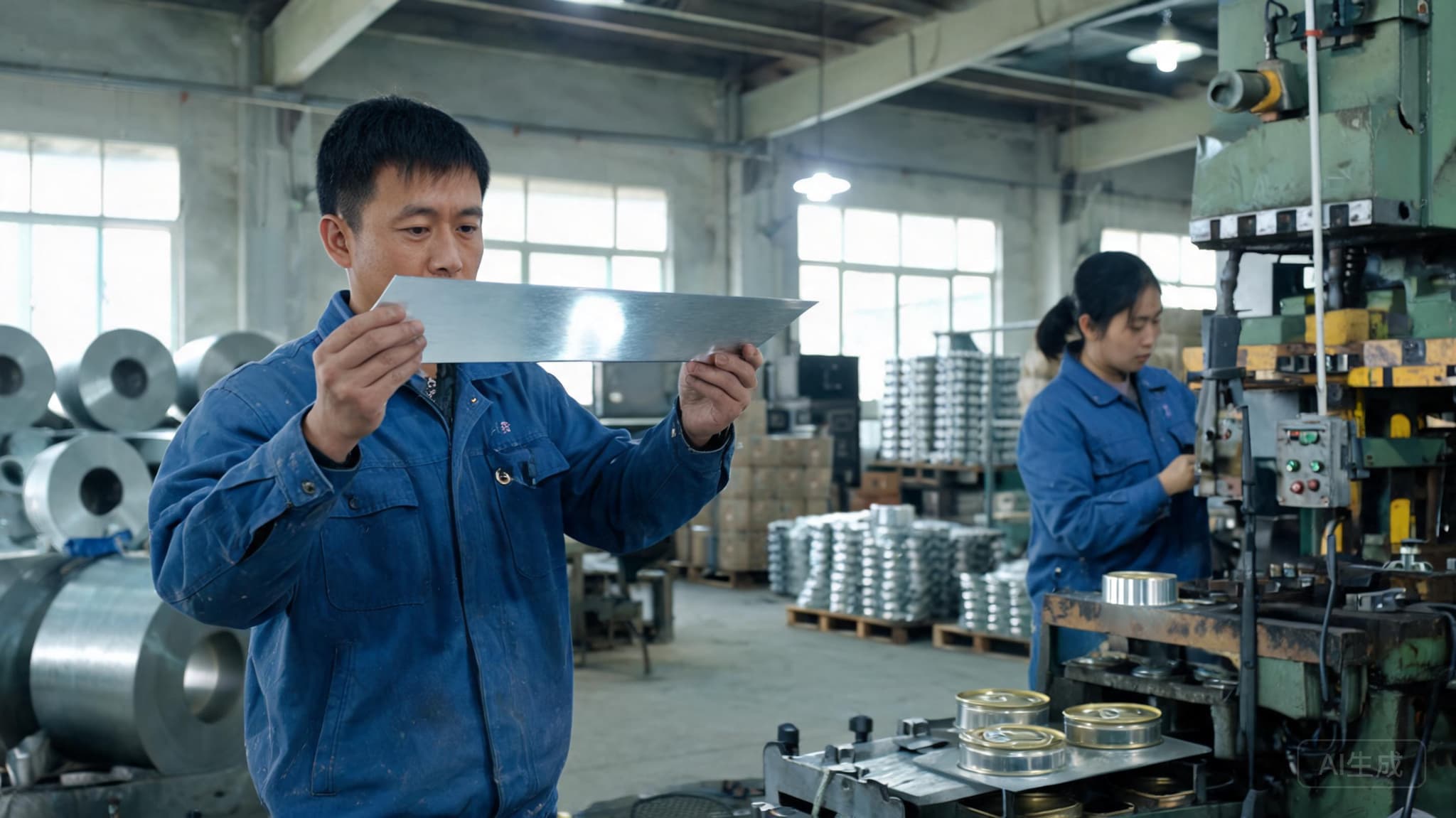
Choosing the Right Metal Packaging Partner: A Guide to Tinplate, TFS, and Easy Open Ends
Discover how to select a reliable metal packaging partner. This guide covers tinplate vs. TFS, easy open ends, supplier evaluation, cost, sustainability, and long-term success.
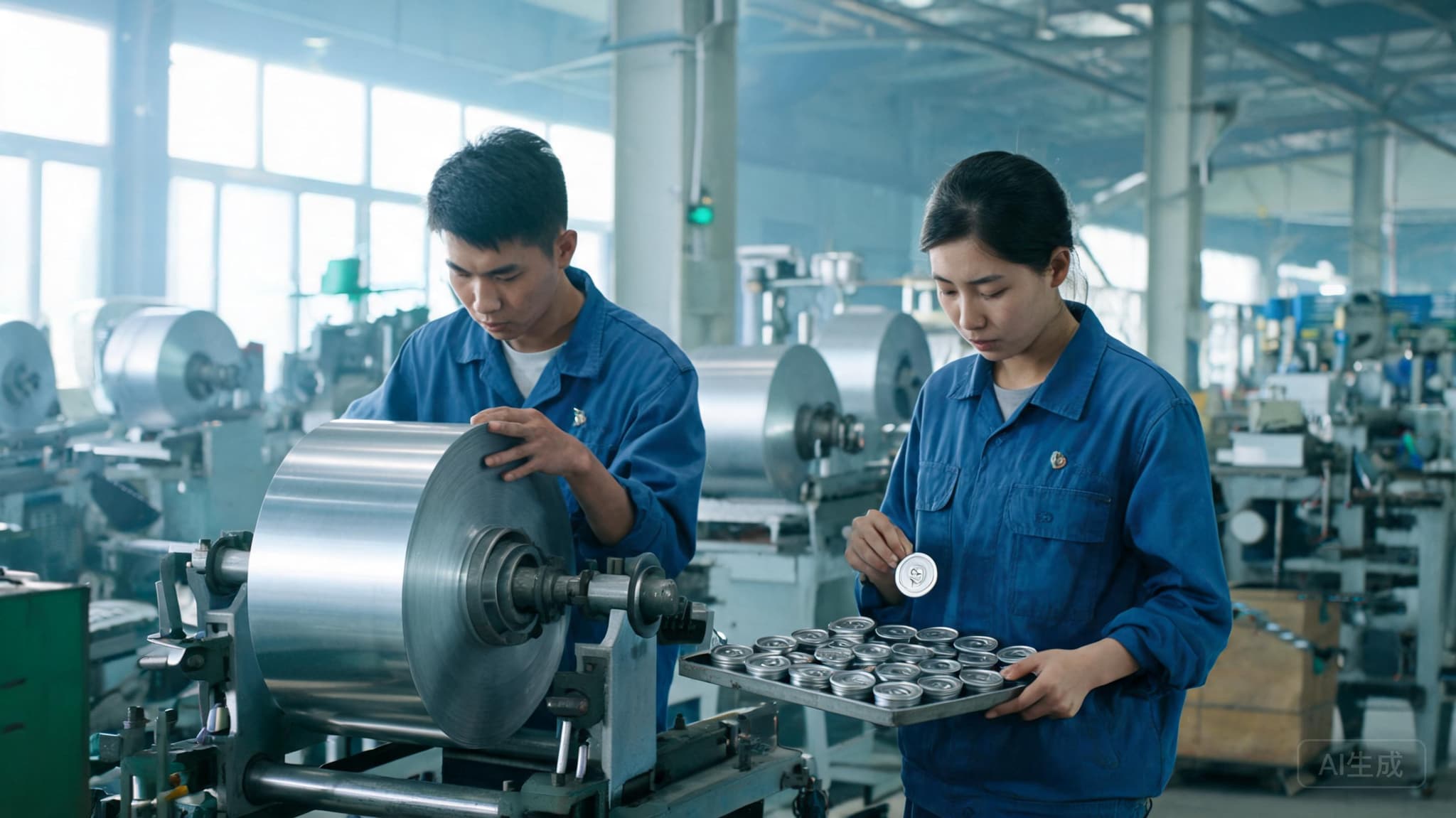
Choosing the Right Metal Packaging Partner: A Guide to Tinplate, TFS, and Easy Open Ends
Discover how to select a reliable metal packaging supplier for tinplate, TFS, and easy open ends. Learn key quality criteria, material differences, and how the right partner drives ROI and supply chain resilience.