
EU PPWR 2026: What Food and Pet Food Brands Should Ask Before Sourcing Metal Packaging
For food brands, pet food manufacturers, co‑packers and can makers exporting to Europe, packaging is no longer only about price, appearance and delivery time.
The EU Packaging and Packaging Waste Regulation, known as PPWR, is now an active sourcing topic. The regulation is designed to address packaging across its life cycle, including packaging design, waste prevention, recyclability and information requirements. While different obligations follow different timelines, the regulation generally applies from 12 August 2026.
This means buyers should not wait until a customer, retailer or importer asks for packaging information. If you use Tinplate cans, TFS components, easy‑open ends, printed sheets or metal closures, now is the time to review your material specifications and packaging documentation.
Why Metal Packaging Buyers Need to Act Early
A packaging project can be delayed when material details are unclear. For example, a buyer may know the can size and quantity but still lack information about:
- Tinplate or TFS material selection
- Internal lacquer requirements
- Food‑contact coating documents
- Printing and external coating requirements
- Can end or easy‑open end dimensions
- Recyclability information
- Material traceability
- Repeat‑order specification control
These gaps can create problems during sampling, filling trials, customer audits or export preparation.
For buyers serving food, pet food, dry food, coffee, tea, seafood, sauces or premium retail brands, a clear material specification is becoming a stronger purchasing requirement.
What PPWR Means for Food and Pet Food Packaging Buyers
PPWR does not mean that every packaging project needs the same material or the same can design. It means buyers should be more prepared to explain what they are sourcing and why.
For metal packaging, the practical questions are:
| Buyer Question | Why It Matters |
|---|---|
| What material is used? | Buyers should identify whether the package uses Tinplate, TFS or another material |
| Is the packaging recyclable? | Recyclability is an important consideration for packaging programs |
| What coatings are used? | Internal and external coatings must match the product and process |
| Is the material traceable? | Batch and specification control support repeat orders and quality management |
| Can the supplier provide documents? | Importers, brand owners and co‑packers may request technical information |
| Is the format suitable for the application? | Can body, lid, easy‑open end and closure requirements may differ |
The key issue is not simply choosing the lowest‑cost material. The right material must work with the food product, can‑making process, filling conditions, retail presentation and destination‑market requirements.
Tinplate and TFS for Different Packaging Programs
Tinplate and TFS can both be used in metal packaging, but they serve different needs depending on the final application.
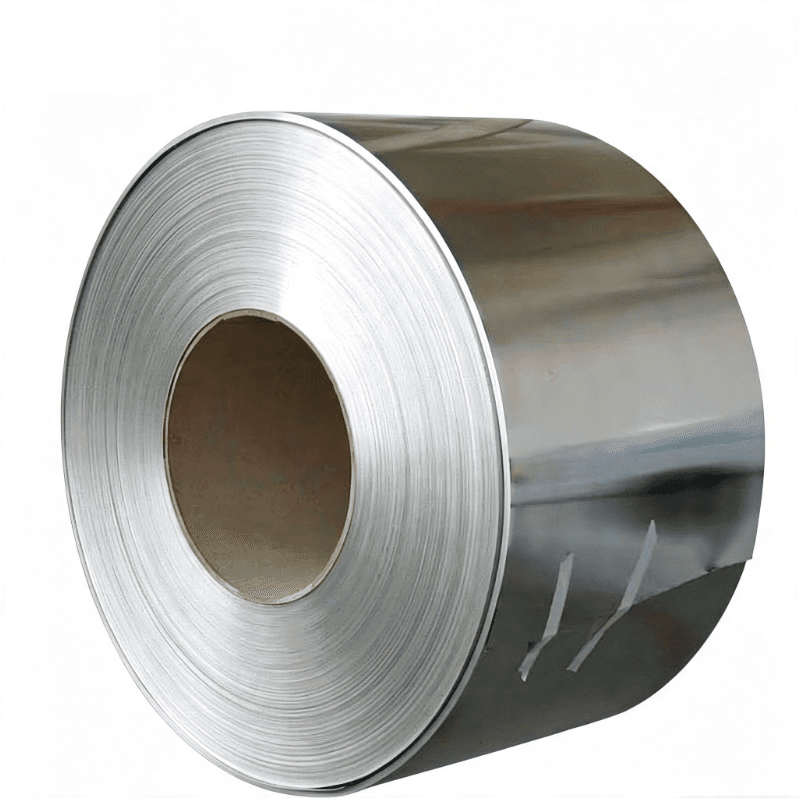
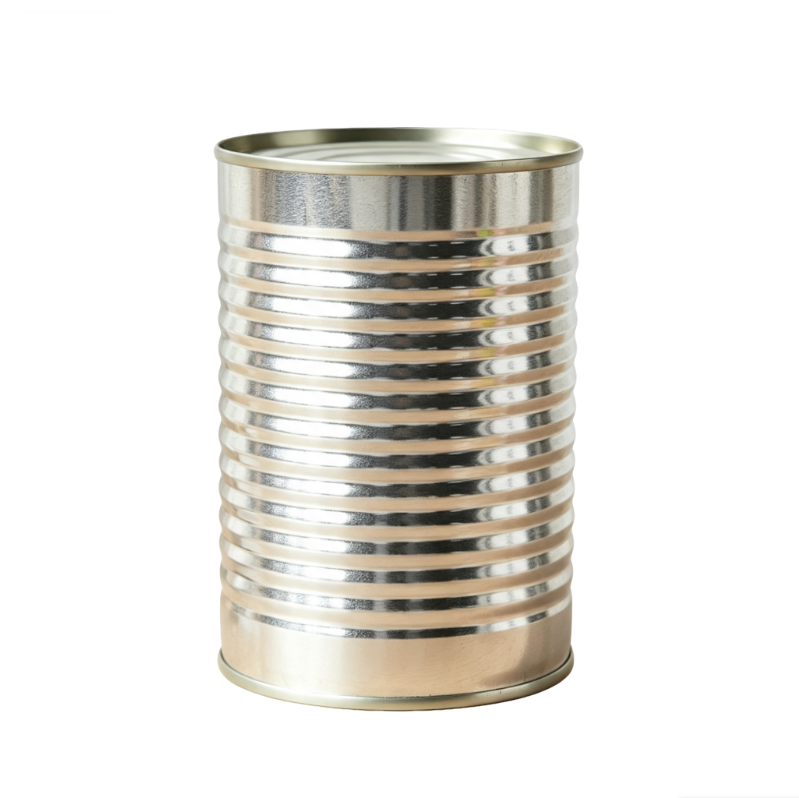
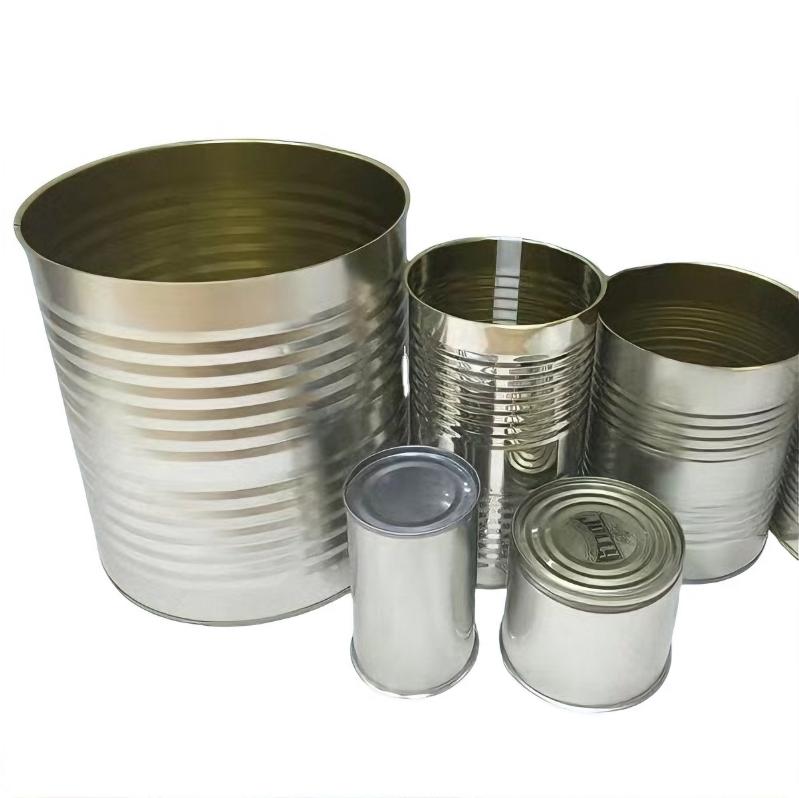
Tinplate is commonly used for food cans, dry food containers, coffee cans, tea tins, biscuit tins, paint cans and decorative metal packaging. It can be supplied in coil or cut‑to‑length sheet form and may be processed through printing, lacquering, stamping, welding and forming.
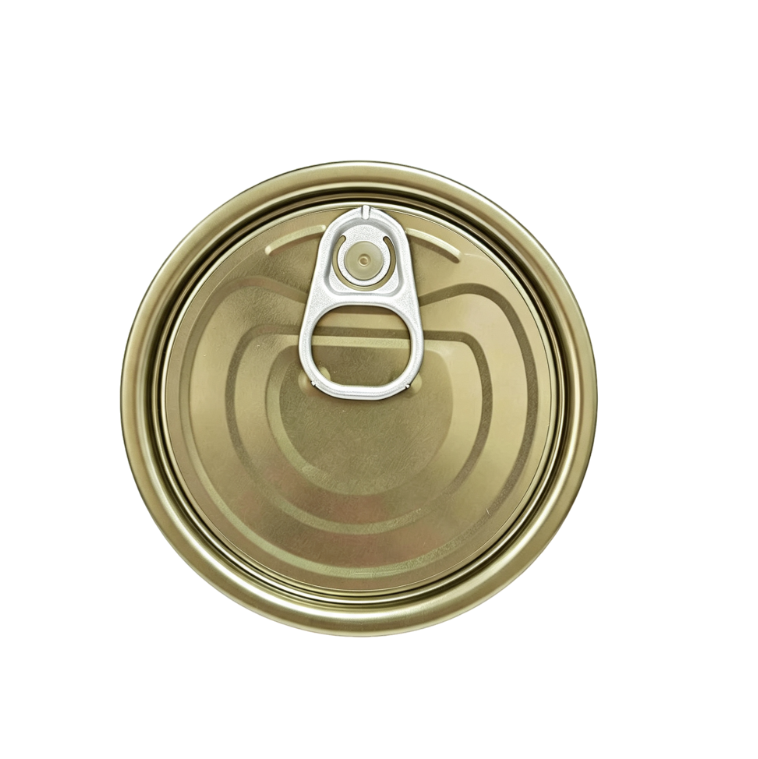
TFS is commonly used for can ends, easy‑open ends, closures and selected metal packaging components. Its final performance depends strongly on the selected coating system, forming process and end‑use conditions.
| Application | Material Options to Review | Key Procurement Focus |
|---|---|---|
| Seafood and meat cans | Tinplate with suitable coating system | Food contents, processing and corrosion protection |
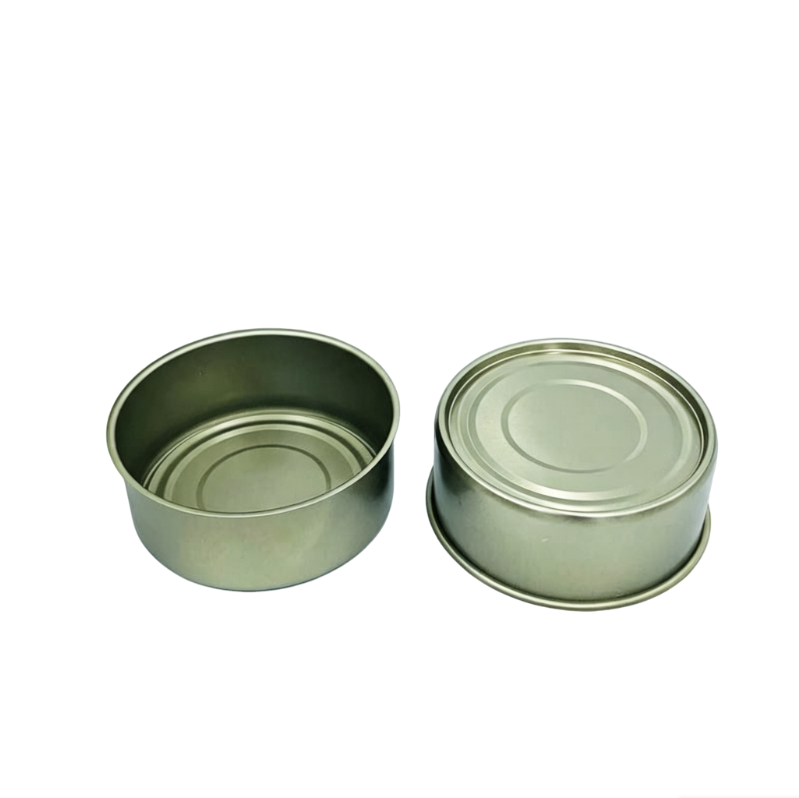
| Pet food cans | Tinplate, TFS components and easy‑open ends | Can structure, lid compatibility and repeat specifications |
| Dry food cans | Tinplate or coated TFS components | Printing, lacquer, appearance and storage |
| Coffee and tea tins | Printed Tinplate sheets | Surface finish, color consistency and forming |
| Sauce and prepared food cans | Tinplate and compatible internal lacquer | Product contents, heat processing and seam performance |
| Can ends and closures | TFS or Tinplate | Stamping, coating adhesion and end dimensions |
A packaging project is more likely to move quickly when the buyer shares the full application instead of sending only a material name.
The Documents Buyers Should Request
Before approving a trial order or bulk purchase, buyers should ask for information that matches their actual application.
A practical document checklist may include:
- Material specification
- Thickness, width and temper grade
- Coil or sheet dimensions
- Surface finish and coating requirements
- Food‑contact coating information, where applicable
- Batch identification or traceability information
- Packaging and storage guidance
- Inspection or technical documents requested by the destination market
For food‑contact packaging, material selection and coating selection should be reviewed together. A Tinplate can that works for dry foods may not use the same coating system as a can for seafood, sauces or oily products.
Do Not Wait Until the Final Purchase Order
Many buyers begin the packaging discussion too late. They request a quotation after the artwork, can size and filling plan have already been fixed, then discover that the material, coating or lid specification needs to change.
A better approach is to confirm the following before placing a bulk order:
- Product contents and filling process
- Can type, dimensions and required capacity
- Tinplate or TFS material preference
- Internal and external coating requirements
- Printed, lacquered or plain surface requirement
- Can ends, easy‑open ends or closure dimensions
- Trial quantity and regular order quantity
- Destination market and required documents
Turn Packaging Compliance Into a Sourcing Advantage
For food brands, pet food manufacturers and packaging buyers, well‑prepared specifications can reduce delays, simplify supplier communication and support repeat orders.
Tinplate and TFS are not just raw materials. They are part of the final packaging system. Buyers who confirm material, coating, forming and documentation early are in a stronger position to move from sample approval to stable production.
Zenjoy Packaging supplies Tinplate Steel Sheet in Coil, TFS Steel Sheet in Coil, cut‑to‑length sheets and metal packaging components for food, pet food, dry food and industrial packaging projects.
Our team can help review the specification before you commit to a trial or bulk order.
Related News
Other news you might be interested in
Deep Drawing Cracking Dilemma: How Tinplate Hardness and Elongation Affect Can Forming
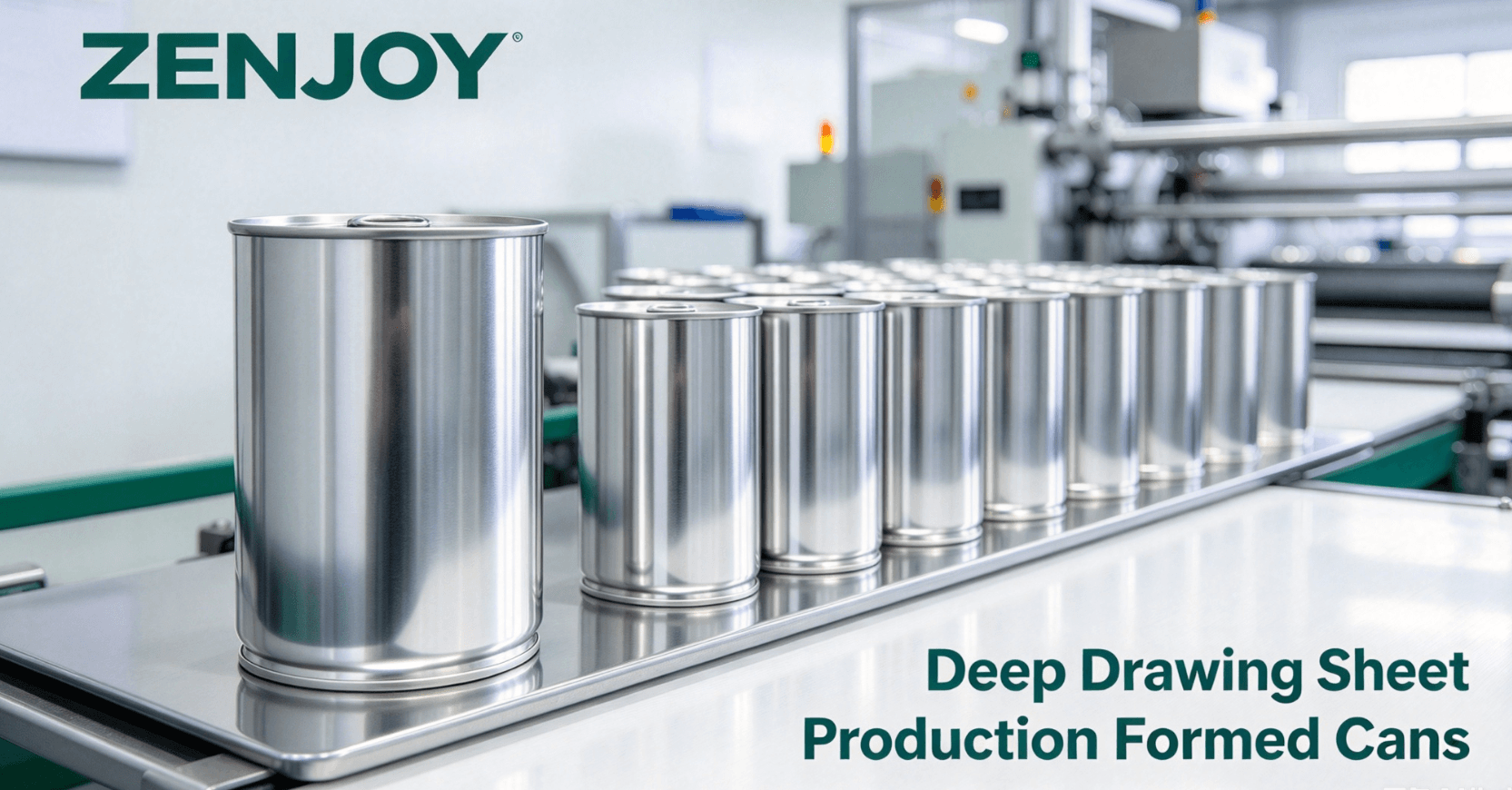
Deep drawing cracking is one of the most common mechanical defects in DRD two-piece cans and complex shaped metal containers. Most stamping failures are not caused by mold parameters or lubrication issues, but by mismatched tinplate hardness and insufficient elongation. Unreasonable material temper selection will lead to edge cracking, body tearing and high scrap rate during high-speed continuous forming.

Tinplate Coating Peeling Risk Analysis and Avoidance Under High-Temperature Retort Sterilization
High-temperature retort sterilization is an essential process for shelf-stable food cans. However, long-term high-temperature and high-pressure environments easily cause coating blistering, delamination and peeling on the inner wall of metal cans. Many can manufacturers attribute coating failure solely to lacquer quality or baking process. In fact, **tinplate substrate performance, surface condition and material matching** are the core hidden causes of most high-temperature coating peeling problems. This article professionally analyzes the root causes of tinplate coating peeling under retort conditions, explains the difference in high-temperature resistance between ETP tinplate and TFS steel, and summarizes practical and operable avoidance solutions for mass production.
Want to know more?
Get in touch with us for more information about our services and products.