
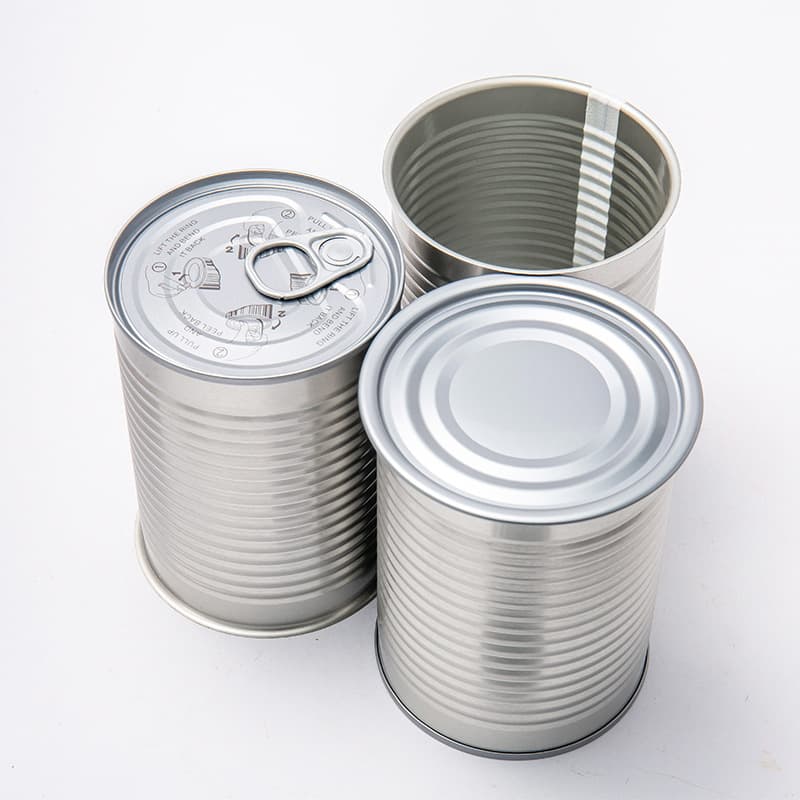
Food-Contact Coatings for Tinplate Cans: What Buyers Need to Confirm
Tinplate is widely used for food cans, but the metal sheet alone does not determine whether a finished can is suitable for a specific food product. The internal coating, also called lacquer, is an essential part of the packaging system.
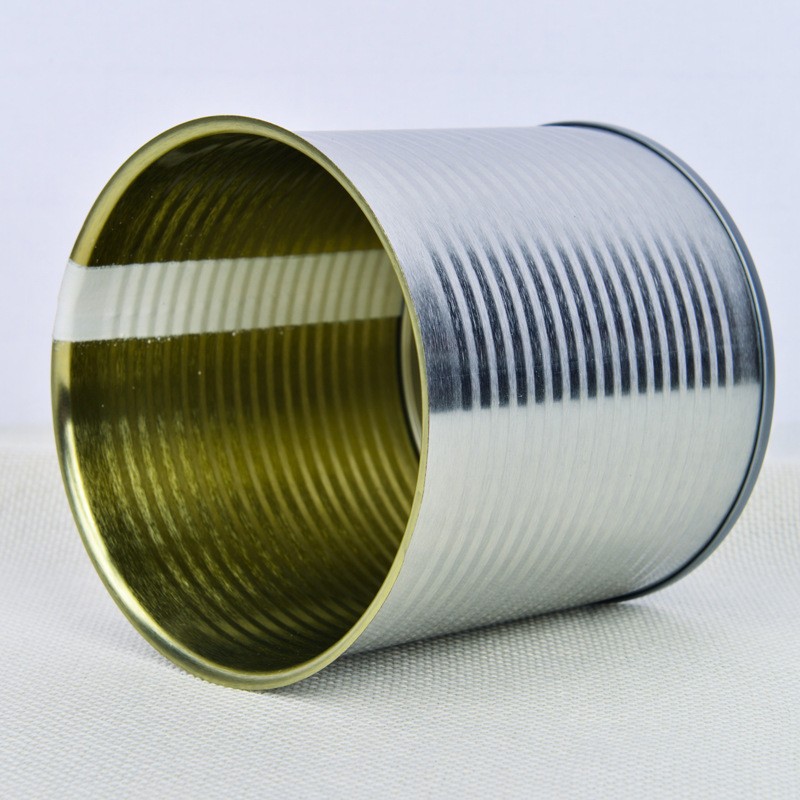
Food-contact coatings help separate the food from the metal surface. They can support corrosion resistance, protect flavor and appearance, and help the can perform during filling, processing, storage and transport. For can makers and food brands, choosing the right coating is as important as choosing the right Tinplate thickness or temper grade.
Why Internal Coating Matters
Different foods can create different conditions inside a can. Acidity, salt content, sulfur compounds, oil, moisture and heat processing may affect the packaging material in different ways.
A suitable food-contact coating can help:
- Protect the metal surface from the contents
- Reduce the risk of corrosion during storage
- Support product appearance and flavor stability
- Maintain coating integrity during forming and seaming
- Improve compatibility with the intended filling process
The coating should always be selected according to the product and process, not only according to the can size or material price.
What Buyers Should Confirm
| Check Item | Why It Matters |
|---|---|
| Food product | Seafood, meat, sauces, fruits, vegetables, oils and dry foods have different packaging requirements |
| Product characteristics | Acidity, salt, sulfur, oil and moisture can affect coating selection |
| Filling process | Hot filling, retort processing or normal filling may require different coating performance |
| Storage conditions | Shelf life, temperature and transport conditions should be considered |
| Can design | Two-piece cans, three-piece cans, lids and ends may have different forming requirements |
| Coating location | Internal lacquer, external coating, base coat and over-varnish may serve different purposes |
| Forming process | The coating should remain stable after stamping, drawing, curling and seaming |
| Market requirements | Applicable food-contact rules and documentation should match the destination market |
Common Food Packaging Applications
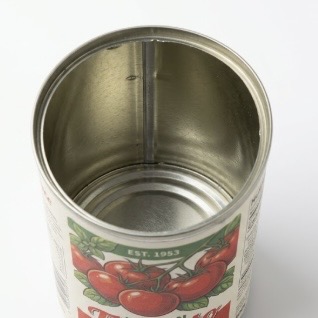
For seafood, meat and other products that may contain salt or sulfur compounds, the internal coating system should be selected carefully. The same principle applies to acidic products such as fruits, tomato-based products and some sauces.
For edible oils and oily foods, buyers should confirm that the lacquer system is suitable for the contents and intended storage period.
For dry food containers, such as milk powder, coffee, cocoa, biscuits, tea or spices, coating requirements may differ from wet food cans. However, the material, printing, lacquer and final container design still need to work together.
Tinplate and Coating Must Work as One System
Tinplate can be supplied with different thicknesses, temper grades, steel grades, coating weights and surface finishes. These factors affect forming, printing and final can performance.
When selecting Tinplate for food cans, buyers should confirm:
- Required thickness and temper grade
- Steel grade and surface finish
- Tin coating weight
- Coil or cut-to-length sheet format
- Internal lacquer requirement
- External printing or coating requirement
- Can-making process
- Food type and filling conditions
For example, a can body that will be welded, printed and filled with a wet food product requires a different review from a simple dry food tin or a can end.
View our Tinplate Steel Sheet in Coil for available material options.
Ask for the Right Documents
Buyers should request relevant technical and compliance documents for the intended market and application. The required documents may vary depending on the coating supplier, food type, packaging structure and destination country.
Useful information to request may include:
- Material specification
- Coating specification
- Food-contact declaration or applicable compliance documentation
- Test or inspection information, where applicable
- Batch identification and traceability information
- Storage and handling guidance
A document alone does not replace product testing. The final can should be evaluated under the actual filling, processing and storage conditions used by the customer.
Before Bulk Production
For a new food can project, a trial order is often useful before bulk purchasing. During the trial, the manufacturer can check:
- Coating appearance after forming
- Adhesion after stamping or drawing
- Printing and varnish performance
- Seaming and lid compatibility
- Surface condition after filling and processing
- Packaging performance during storage
This helps identify whether the Tinplate, coating system and production settings are suitable for the final product.
Conclusion
Food-contact coatings are a critical part of Tinplate can packaging. Buyers should evaluate the food product, filling process, coating system, can design and destination-market requirements together.
Related News
Other news you might be interested in

Tinplate Coating Peeling Risk Analysis and Avoidance Under High-Temperature Retort Sterilization
High-temperature retort sterilization is an essential process for shelf-stable food cans. However, long-term high-temperature and high-pressure environments easily cause coating blistering, delamination and peeling on the inner wall of metal cans. Many can manufacturers attribute coating failure solely to lacquer quality or baking process. In fact, **tinplate substrate performance, surface condition and material matching** are the core hidden causes of most high-temperature coating peeling problems. This article professionally analyzes the root causes of tinplate coating peeling under retort conditions, explains the difference in high-temperature resistance between ETP tinplate and TFS steel, and summarizes practical and operable avoidance solutions for mass production.
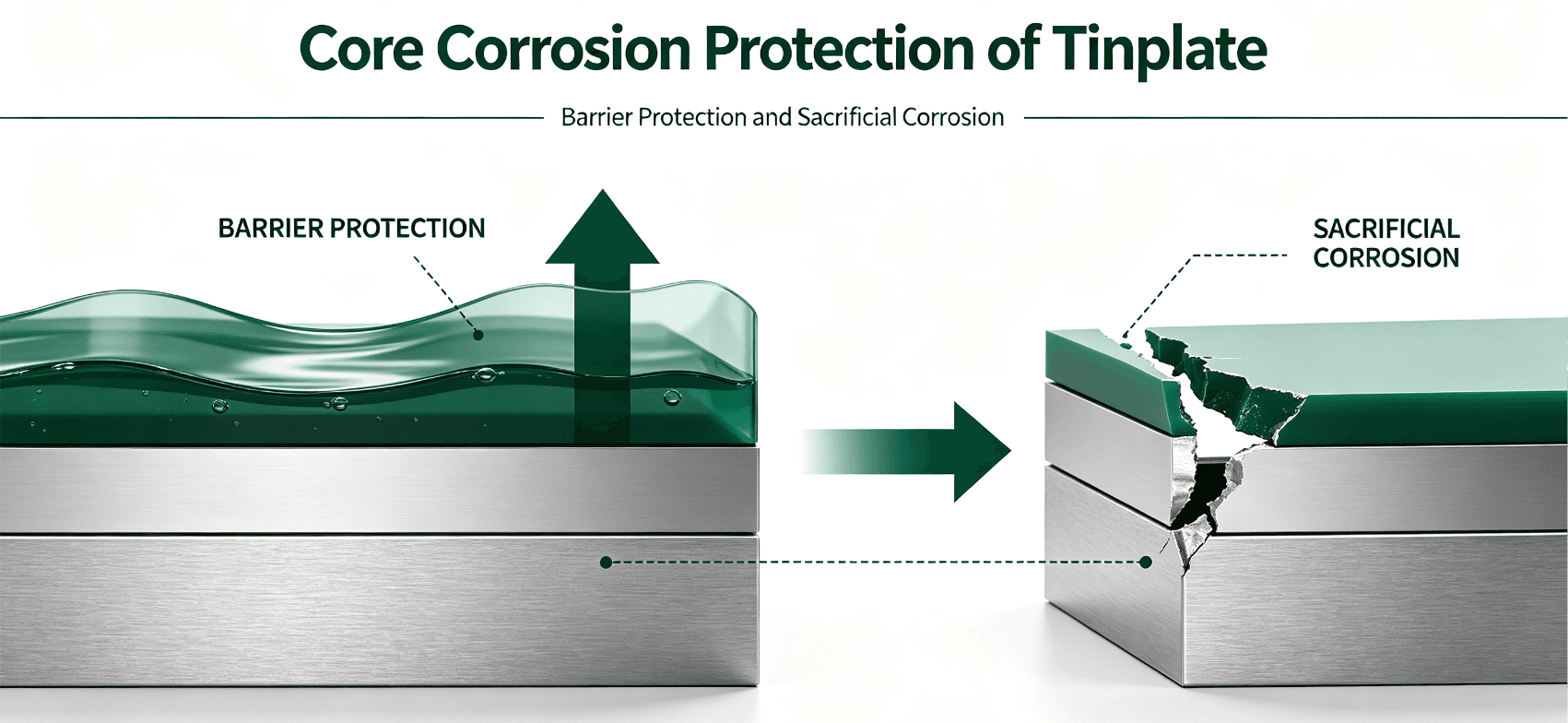
Sacrificial Corrosion & Barrier Protection: Core Anti-Corrosion Principle of Tinplate
The service life and storage safety of metal food cans largely depend on the anti-corrosion performance of packaging materials. As the most widely used substrate for food cans and general metal containers, ETP electrolytic tinplate adopts two core anti-corrosion mechanisms: barrier protection and sacrificial anode protection. These two protection systems work together to ensure stable corrosion resistance in complex food filling and high-temperature sterilization environments.
Want to know more?
Get in touch with us for more information about our services and products.