
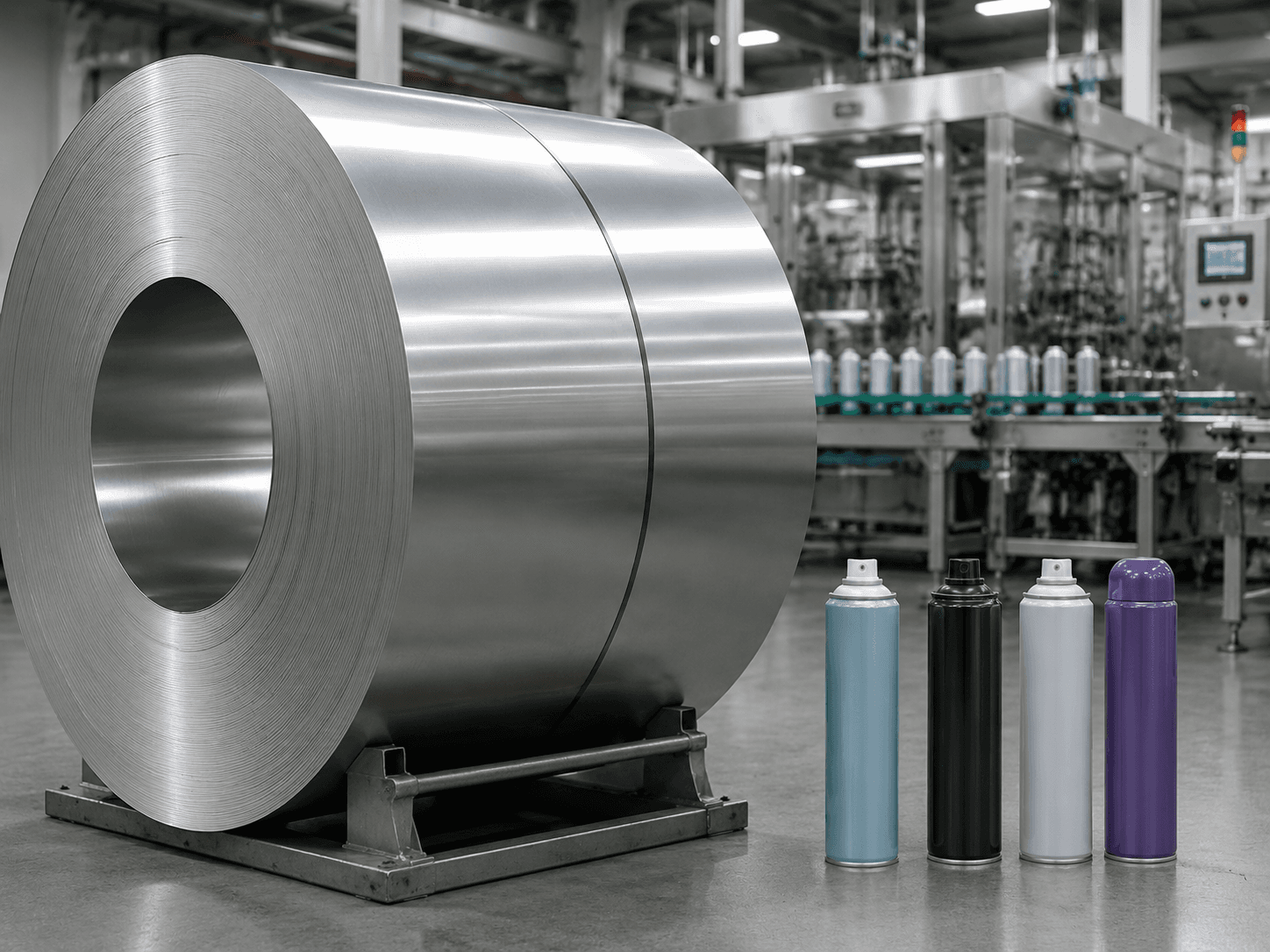
How to Choose Tinplate for Aerosol Can Production
Aerosol cans are widely used for personal care products, household sprays, air fresheners, automotive products, paints, cleaners, lubricants, and chemical products. For aerosol can manufacturers, choosing the right tinplate material is important because the can body must support forming, welding, coating, printing, and stable production.
Tinplate for aerosol can production should not be selected only by price. Buyers also need to consider the final product, can size, pressure requirement, thickness, temper, coating, surface finish, and whether the factory uses coil or sheet production.
If the material does not match the production line, problems may appear during cutting, rolling, welding, necking, flanging, seaming, printing, or coating. These problems can increase waste, slow down production, or affect the final can quality.
This article explains the key points buyers should confirm when sourcing tinplate for aerosol can production.
Why Tinplate Is Used for Aerosol Cans
Tinplate is commonly used in aerosol can production because it offers a practical balance of strength, formability, surface quality, and coating compatibility. It can be printed, lacquered, welded, and formed into can bodies and related components.
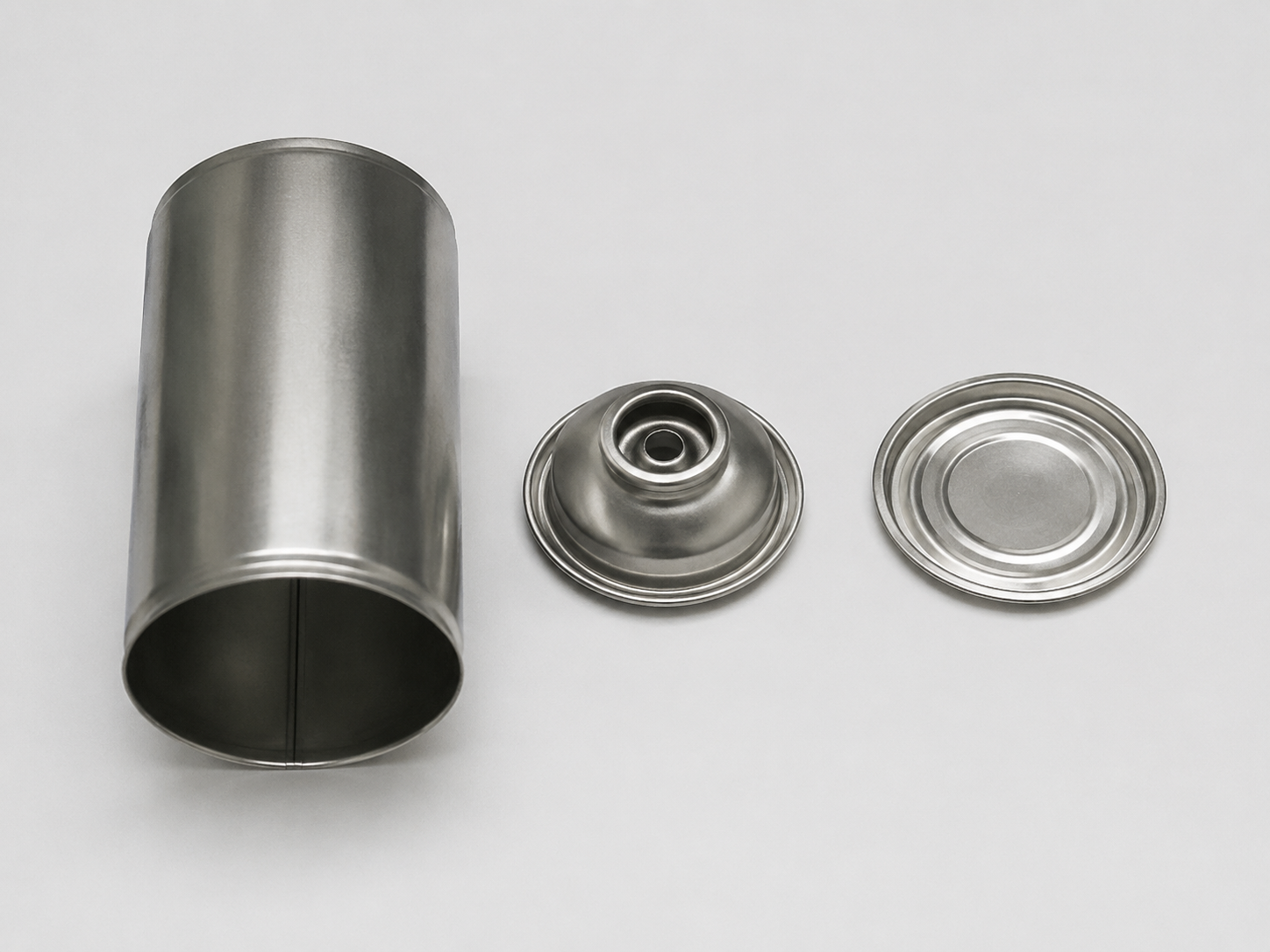
For aerosol packaging, tinplate may be used for:
- Can bodies
- Domes
- Bottoms
- Printed can components
- Lacquered can materials
- General aerosol packaging parts
Different aerosol products may need different material choices. A can for air freshener may not have the same requirement as a can for paint, automotive spray, or industrial lubricant. Buyers should match the tinplate material with the final filling product and production process.
Key Points Buyers Should Confirm
Before ordering tinplate for aerosol can production, buyers should confirm several practical details.
1. Final Aerosol Product
The filling product is one of the first things buyers should explain. Different products may have different requirements for internal coating, corrosion resistance, pressure performance, and product compatibility.
Common aerosol applications include:
- Personal care sprays
- Air fresheners
- Household cleaners
- Insect sprays
- Automotive sprays
- Industrial lubricants
- Paint sprays
- Chemical sprays
- Adhesive sprays
If the filling product is solvent-based, water-based, chemical-based, or corrosive, the buyer should tell the supplier before ordering. This helps check whether the material and coating requirement are suitable.
For example, aerosol cans for paint or chemical sprays may need different coating consideration than cans used for some household products. The supplier cannot judge this only from the can size.
2. Tinplate Thickness
Thickness is an important factor in aerosol can material selection. It affects can strength, forming performance, material cost, and production stability.
The suitable thickness depends on:
- Can diameter
- Can height
- Can shape
- Pressure requirement
- Forming process
- Welding process
- Production line capability
- Final product application
If the tinplate is too thin for the can design, the can may not provide enough strength. If it is thicker than necessary, cost may increase and forming may need adjustment.
Buyers should provide their current thickness if they already produce aerosol cans. For new projects, buyers should share the can size, design, and production process so the supplier can help check suitable material options.
3. Temper and Forming Performance
Temper affects the hardness and forming behavior of tinplate. For aerosol cans, the material should have enough strength while still being suitable for rolling, welding, necking, flanging, and seaming.
If the material is too soft, the finished can may not have enough support. If it is too hard, the factory may face forming difficulty, cracks, or unstable production.
Buyers should consider:
- Can body rolling
- Welding stability
- Necking
- Flanging
- Seaming
- Forming speed
- Final strength requirement
If the buyer already has a stable production line, it is useful to provide the current temper grade or current material specification. This helps reduce the risk of material mismatch.
4. Tin Coating and Lacquer Requirement
Tin coating helps protect the steel base and supports packaging performance. For aerosol cans, coating and lacquer requirements depend on the filling product and production process.
Buyers should confirm:
- Tin coating requirement
- Whether inner lacquer is needed
- Whether outer lacquer is needed
- Whether the material will be printed
- Whether the filling product is solvent-based, water-based, oil-based, or chemical-based
- Whether special corrosion resistance is required
For some aerosol products, internal coating is very important because the filling product may react with the metal surface. Buyers should explain the product type clearly instead of only asking for "tinplate for aerosol cans."
5. Surface Finish
Surface finish affects printing, lacquering, appearance, and forming performance.
Common tinplate surface finishes include:
- Bright
- Stone
- Silver
- Matte
For printed aerosol cans, the surface should support good printing quality. For lacquered materials, the surface should also match the coating process. A stable surface finish helps reduce printing defects, coating marks, and appearance differences between batches.
There is no one best surface finish for all aerosol cans. The right choice depends on the final appearance, printing method, coating system, and forming process.
6. Coil or Sheet Form
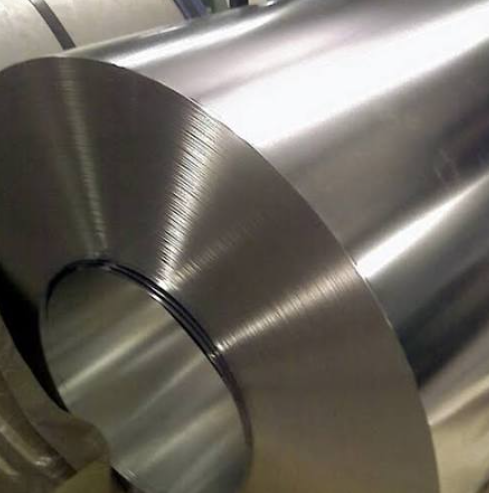
Tinplate for aerosol can production may be supplied in coil or sheet form. The right form depends on the buyer’s equipment and production plan.
Tinplate coil may be suitable when:
- The factory has coil feeding and cutting equipment.
- Production volume is high.
- The buyer needs continuous poduction.
- Coil width can match the can body layout.
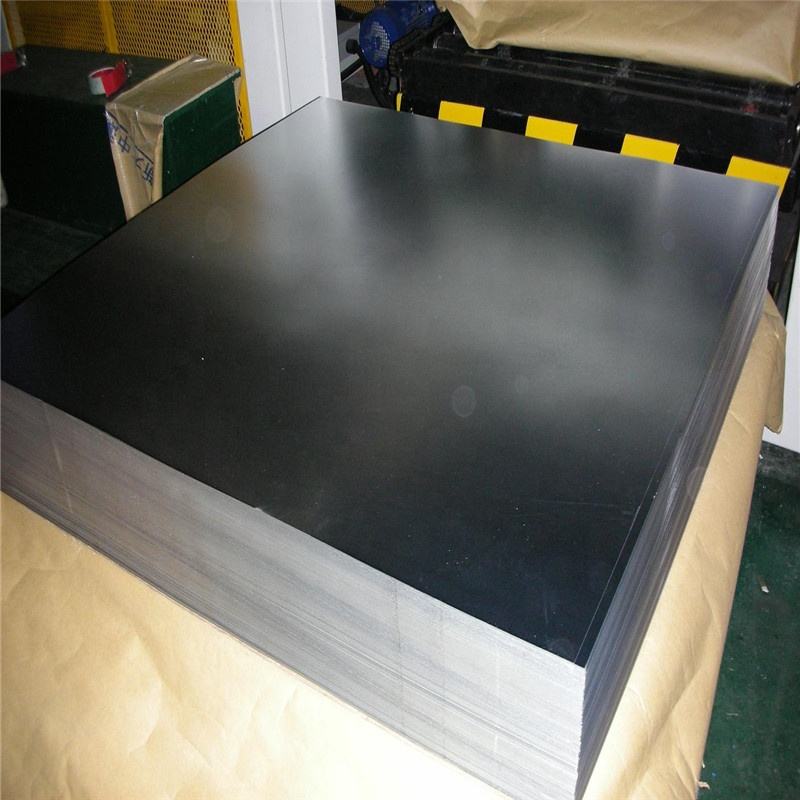
Tinplate sheet may be suitable when:
- The factory uses sheet-fed production.
- The buyer needs printed or lacquered sheets.
- The order quantity is smaller or more flexible.
- The production process is based on cut sheets.
7. Welding and Forming Process
Many aerosol cans use welded can bodies. The tinplate material must match the buyer’s welding and forming process.
Buyers should consider:
- Welding method
- Can body rolling
- Necking, flanging and seaming processes
- Production forming speed
8. Packing and Storage
Tinplate used for aerosol can production should be protected during transport and storage. Moisture, scratches, edge damage, and deformation can affect later printing, coating, welding, and forming.
Buyers should pay attention to:
- Export packing with moisture and edge protection
- Dry indoor storage
- Protection for opened but unused materials
- Avoiding early unpacking
Tinplate Selection Checklist for Aerosol Can Buyers
| Item | What to Confirm |
|---|---|
| Application | Personal care, cleaner, paint, chemical spray, automotive product, etc. |
| Can design | Diameter, height, shape, pressure requirement |
| Material form | Tinplate coil, tinplate sheet, slit coil, lacquered sheet, printed sheet |
| Thickness | Required thickness or current specification |
| Temper | Current temper or forming requirement |
| Tin coating | Coating weight or current material standard |
| Surface finish | Bright, stone, silver, matte, or other |
| Lacquer | Inner lacquer, outer lacquer, filling product compatibility |
| Size | Coil width, sheet size, cutting layout |
| Process | Printing, lacquering, welding, forming, necking, flanging, seaming |
| Packing | Export packing, moisture protection, edge protection |
| Quantity | Trial order, monthly usage, or bulk order |
| Delivery | Destination port and trade terms |
FAQ
1. What tinplate is used for aerosol cans?
Aerosol cans usually require tinplate with suitable thickness, temper, tin coating, surface finish, and coating compatibility. The exact specification depends on the can design, filling product, and production process.
2. Is tinplate coil or sheet better for aerosol can production?
It depends on the factory equipment and order volume. Coil is often suitable for continuous production, while sheets may be suitable for sheet-fed production, printed materials, or smaller batches.
3. Why is the filling product important when choosing aerosol can tinplate?
The filling product may affect internal coating and corrosion resistance requirements. Paint, cleaners, chemicals, and solvent-based products may need different coating consideration.
4. What problems can happen if the wrong tinplate is used?
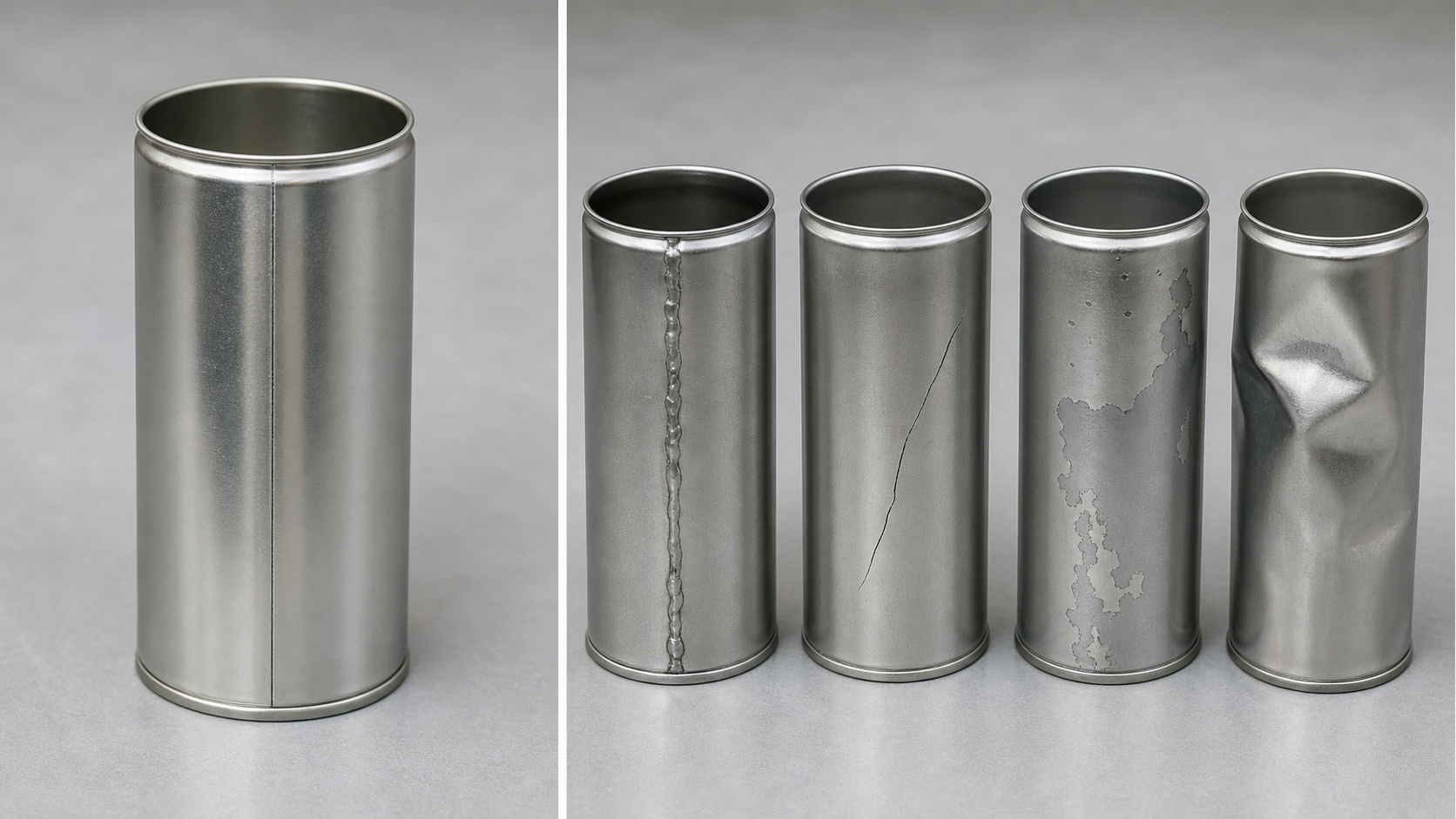
Possible problems include welding difficulty, forming cracks, poor surface appearance, coating failure, rust risk, unstable production, and higher rejection rate.
5. Should buyers test tinplate before bulk aerosol can production?
Yes. For new suppliers, new specifications, or new aerosol products, testing can help confirm welding, forming, coating, printing, and production stability before bulk orders.
Conclusion
Choosing tinplate for aerosol can production requires more than checking price and thickness. Buyers should consider the final aerosol product, can design, pressure requirement, temper, tin coating, surface finish, lacquer, coil or sheet form, welding, forming, packing, and storage.
A suitable tinplate material should support stable production and meet the practical requirements of the final aerosol can. Clear communication before ordering helps reduce material mismatch, production waste, and quality problems.
If you are sourcing tinplate coil, tinplate sheet, lacquered tinplate, printed tinplate, or coated steel sheets for aerosol can production, please send us your application, can size, thickness, temper, coating requirement, surface finish, coil width or sheet size, production process, quantity, and destination port.
Our team can help review suitable material options for your aerosol can material needs.
Related News
Other news you might be interested in
Weld Spatter & Leakage Defects: The Decisive Role of Tin Coating Uniformity in Can Welding Quality
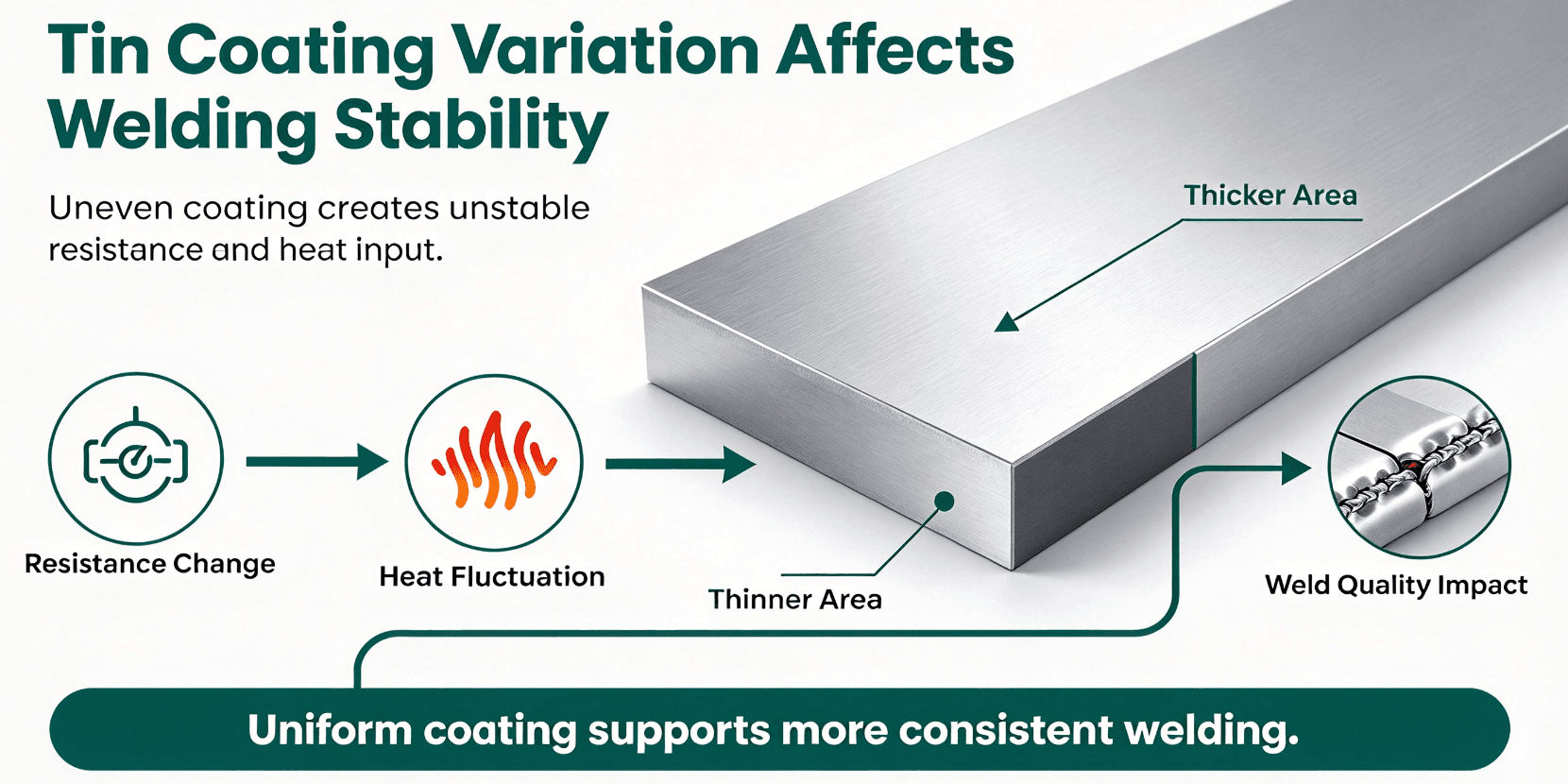
High-speed resistance seam welding is the core forming process for three-piece metal cans. In actual mass production, persistent weld spatter, granular slag residue and hidden seam micro-leakage severely compromise sealing consistency, sterilization resistance and finished product yield. Most manufacturers tend to attribute these defects to unstable current, improper pressure or worn welding wheels. However, industrial verification proves that uneven tin coating distribution on tinplate is the fundamental material-induced root cause of recurring welding spatter and leakage issues.
Low-Earing CA Annealed Tinplate: The Optimal Material for Stable Twist-Off Lid Deep Drawing & High Yield Rate
Twist-off lid manufacturing has extremely strict requirements on material anisotropy and ductility. Different from regular can bodies, twist-off lids undergo complex deep drawing, edge trimming and crimping processes, making them highly sensitive to uneven steel performance. According to actual mass production verification, no alternative tinplate grades can achieve stable forming results for twist-off lid production. Low-earning CA continuous annealed tinplate remains the most suitable and high-performance material dedicated for twist-off lid stamping.
Want to know more?
Get in touch with us for more information about our services and products.