
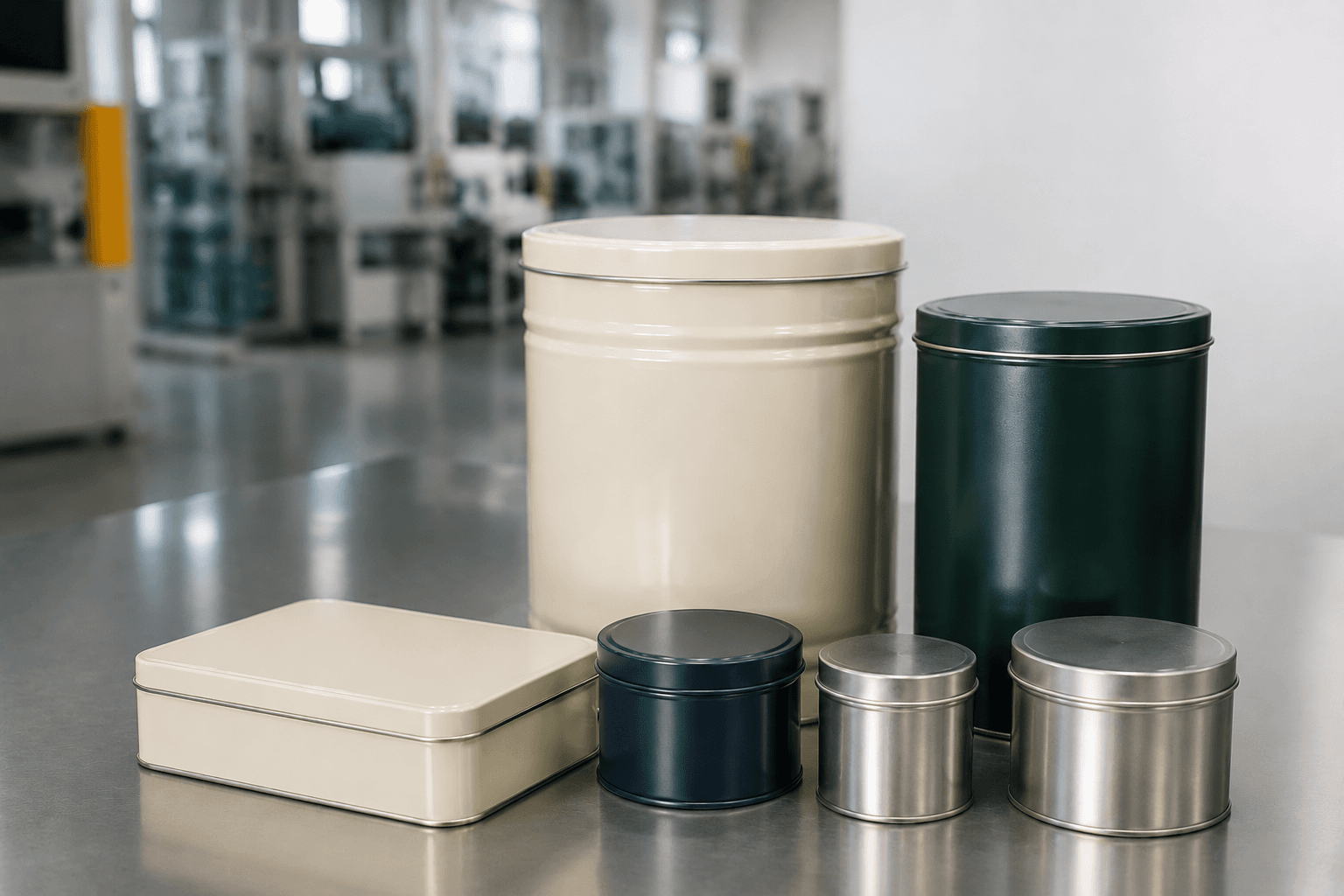
TFS and Tinplate for Dry Food Containers
Dry Food Packaging Applications
TFS and Tinplate can be used for different dry food containers, including:
- Milk powder cans
- Tea tins
- Coffee and cocoa cans
- Biscuit and cookie tins
- Cereal containers
- Spice and seasoning cans
- Candy and confectionery tins
- Nut and snack containers
- Promotional and gift food tins
These containers are commonly supplied in round or customized shapes, with options for printed surfaces, lacquered interiors and different lid designs.
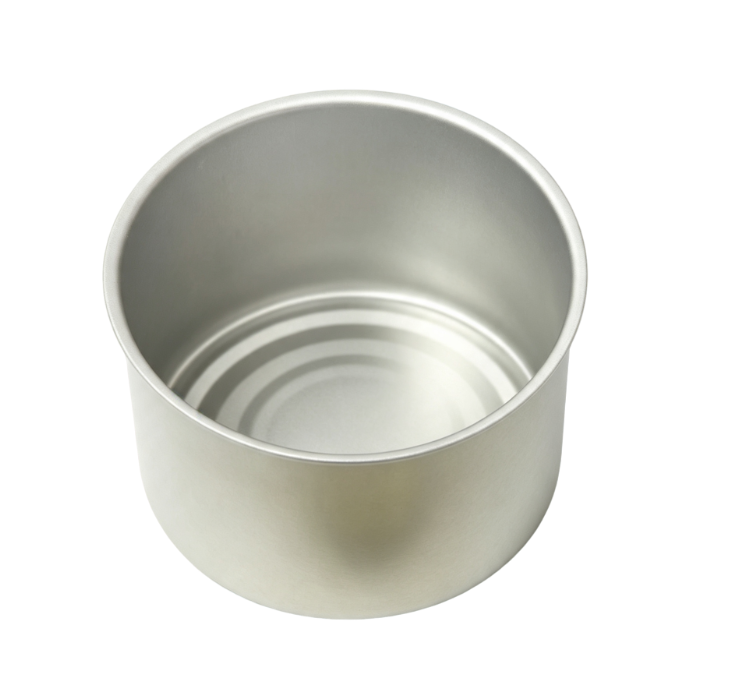
Tinplate for Dry Food Containers
Tinplate, also called ETP, is low‑carbon steel coated with tin through an electrolytic process. It is widely used in food packaging because it combines surface appearance, formability, printing performance and corrosion protection.
Tinplate may be suitable for dry food containers that require:
- Printed or decorative surfaces
- Stable forming performance
- Metal lids or closures
- A specific surface finish
- Compatibility with an existing Tinplate production line
- Long‑term repeat orders with consistent specifications
Tinplate can be supplied in coil or cut‑to‑length sheet form. The choice depends on the customer’s equipment, production volume and required sheet dimensions.
View the Tinplate Steel Sheet in Coil product page for more information.
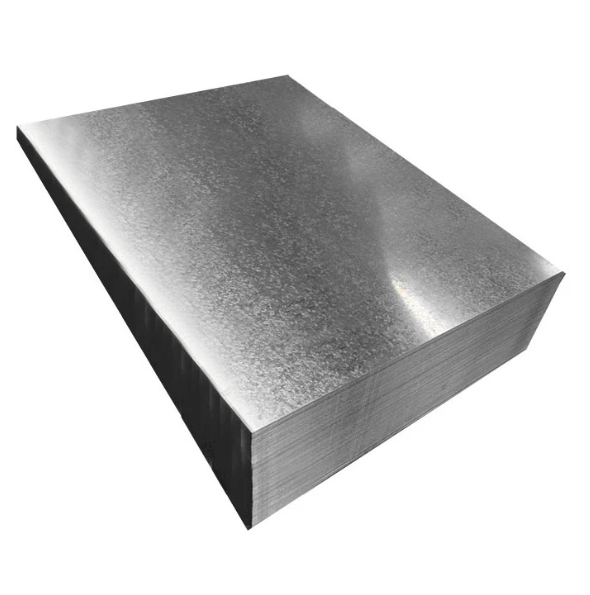
TFS for Dry Food Containers
TFS, also known as tin‑free steel or ECCS, uses a chromium‑based surface treatment instead of a tin coating. It is commonly used for can ends, lids, closures and selected dry food packaging applications.
TFS may be considered when the packaging manufacturer requires:
- Suitable coating adhesion
- A painted or lacquered surface
- Stable performance during stamping
- Material for lids and can ends
- Compatibility with an existing TFS coating system
- A practical alternative for specific packaging components
For TFS packaging, the internal and external coating system should be confirmed carefully. The final performance depends on the material, lacquer, forming process and dry food application.
View the TFS Steel Sheet in Coil product page for more information.
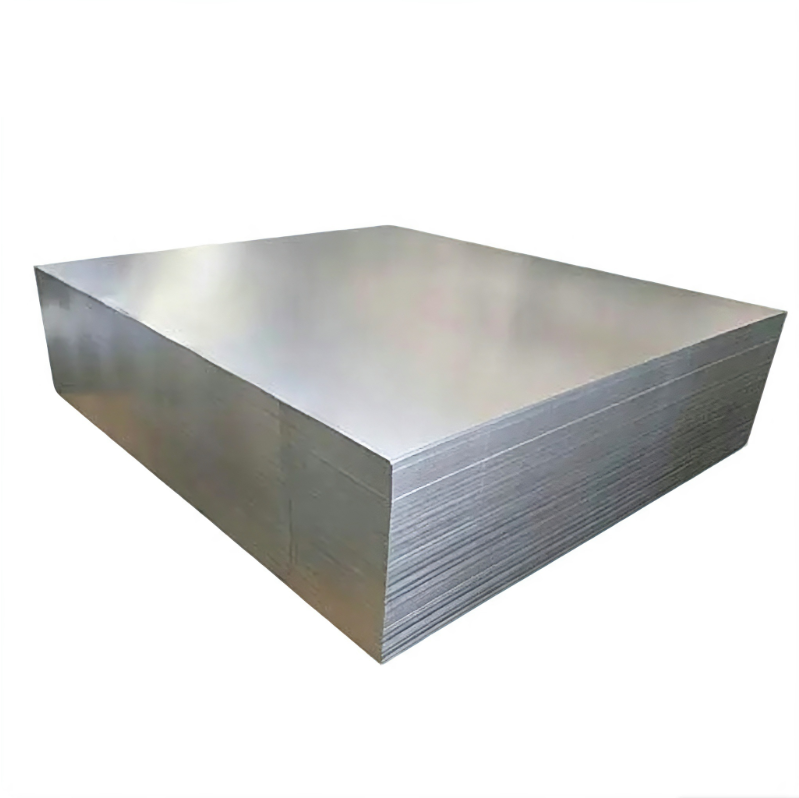
Key Material Selection Factors
| Selection Factor | What Buyers Should Confirm |
|---|---|
| Container type | Round can, irregular can, tin box or can end |
| Material | Tinplate / ETP or TFS / ECCS |
| Thickness | Based on forming and container strength |
| Temper grade | Matched with stamping and forming requirements |
| Surface finish | Bright, matte, stone or other required finish |
| Coating | Internal lacquer, external coating and printing compatibility |
| Supply format | Coil or cut‑to‑length sheet |
| Printing | Ink adhesion, color requirements and varnish |
| Quantity | Trial order or regular production volume |
| Application | Milk powder, tea, coffee, biscuits, spices or other dry foods |
Printing and Surface Quality
Dry food containers often require attractive printed surfaces because the packaging is used for retail display, branding or promotional purposes.
Before ordering printed or lacquered Tinplate or TFS sheets, buyers should confirm:
- Surface cleanliness
- Sheet flatness
- Printing method
- Ink and lacquer compatibility
- Color requirements
- Scratch resistance
- Forming after printing
- Required sheet dimensions
If the material will be printed before forming, the printing and stamping processes should be tested together. A suitable surface finish and coating system can help reduce peeling, scratches and appearance problems during production.
What Should Be Included in an Inquiry?
For a suitable quotation, buyers should provide:
- Type of dry food product
- Container size and shape
- Required material
- Thickness and dimensions
- Steel grade and temper grade
- Surface finish
- Internal and external coating requirements
- Printing requirements
- Coil or sheet format
- Trial or bulk quantity
- Destination port
---
TFS and Tinplate can both be used for dry food containers, but the correct choice depends on the container design, coating system, forming process and printing requirements.
Tinplate is often selected for printed food tins, decorative packaging and containers that require a tin‑coated surface. TFS can be suitable for lids, can ends and lacquered packaging components when the coating system is compatible with the application.
Related News
Other news you might be interested in

Tinplate Coating Peeling Risk Analysis and Avoidance Under High-Temperature Retort Sterilization
High-temperature retort sterilization is an essential process for shelf-stable food cans. However, long-term high-temperature and high-pressure environments easily cause coating blistering, delamination and peeling on the inner wall of metal cans. Many can manufacturers attribute coating failure solely to lacquer quality or baking process. In fact, **tinplate substrate performance, surface condition and material matching** are the core hidden causes of most high-temperature coating peeling problems. This article professionally analyzes the root causes of tinplate coating peeling under retort conditions, explains the difference in high-temperature resistance between ETP tinplate and TFS steel, and summarizes practical and operable avoidance solutions for mass production.
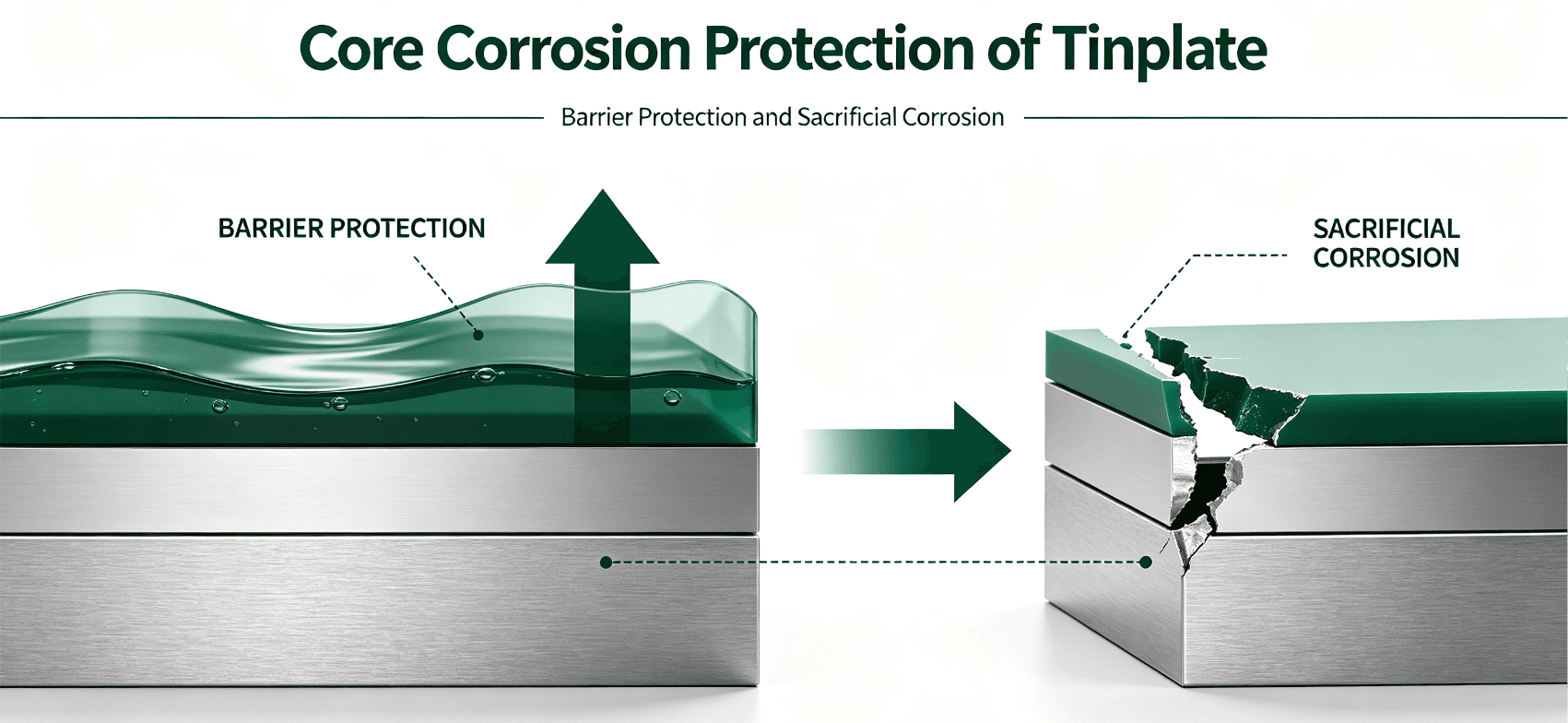
Sacrificial Corrosion & Barrier Protection: Core Anti-Corrosion Principle of Tinplate
The service life and storage safety of metal food cans largely depend on the anti-corrosion performance of packaging materials. As the most widely used substrate for food cans and general metal containers, ETP electrolytic tinplate adopts two core anti-corrosion mechanisms: barrier protection and sacrificial anode protection. These two protection systems work together to ensure stable corrosion resistance in complex food filling and high-temperature sterilization environments.
Want to know more?
Get in touch with us for more information about our services and products.