
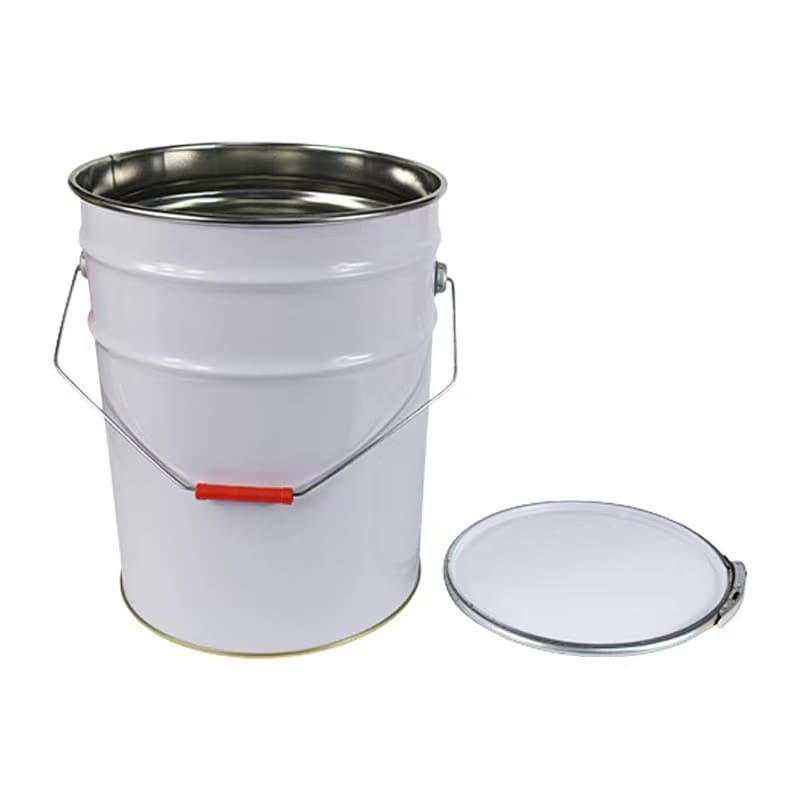
Tinplate for Paint Cans: What Buyers Should Check Before Ordering
Paint cans are widely used for architectural coatings, industrial paints, wood coatings, primers, varnishes, adhesives, sealants, and other chemical-based products. For paint can manufacturers and industrial packaging buyers, tinplate is a common material because it offers strength, formability, surface quality, and coating compatibility.
However, tinplate for paint cans should not be selected only by price. The material must match the can size, filling product, coating requirement, printing need, forming process, and storage conditions.
If the tinplate does not fit the production process, buyers may face problems such as poor forming, welding difficulty, coating damage, surface scratches, rust risk, leakage risk, or unstable appearance after printing.
This article explains the main points buyers should check before ordering tinplate for paint can production
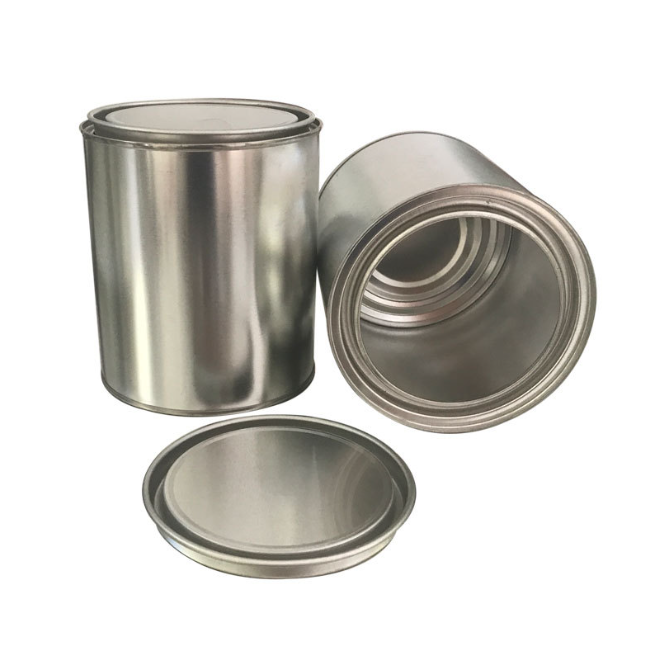
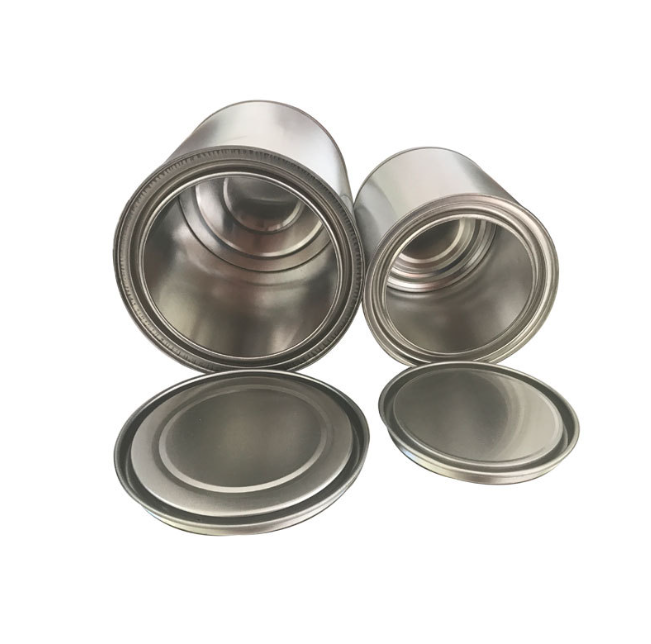
Key Points Buyers Should Confirm
Before ordering tinplate for paint cans, buyers should confirm the following practical details.
1. Final Filling Product
The filling product is one of the most important details for paint can material selection.
Buyers should explain whether the can will be used for:
- Water-based paint
- Solvent-based paint
- Industrial coatings
- Varnish
- Primer
- Adhesive
- Sealant
- Chemical product
- Wood coating
- Automotive coating
Different products may have different requirements for inner lacquer, corrosion resistance, and storage performance. For example, some solvent-based or chemical-based products may need stronger internal coating consideration than general products.
If the supplier only knows “paint can,” it may not be enough to recommend the right material.
2. Tinplate Thickness
Thickness affects the strength, forming performance, cost, and final can structure.
The suitable thickness depends on:
- Can capacity
- Can diameter
- Can height
- Lid and bottom structure
- Handle or lug design if used
- Filling weight
- Transport condition
- Stacking requirement
- Production process
If the tinplate is too thin, the finished paint can may deform easily during filling, transport, or storage. If the material is thicker than necessary, the cost may increase and forming may require adjustment.
Buyers should provide their current thickness or final can size when asking for a quotation.
3. Temper and Forming Performance
Temper affects the hardness and forming behavior of tinplate. Paint cans need material that is strong enough for the final container but still suitable for cutting, rolling, welding, flanging, seaming, and lid forming. If the material is too soft, the can may not have enough rigidity. If it is too hard, forming or seaming problems may appear. Buyers should consider:
- Can body forming
- Welding process
- Flanging
- Seaming
- Lid forming
- Bottom end forming
- Handle or ear lug area
- Production speed
For regular production, keeping the temper stable across repeat orders helps reduce machine adjustment and production risk.
4. Tin Coating and Lacquer Requirement
Tin coating helps protect the steel base and supports packaging performance. For paint cans, lacquer or coating selection is also important because the packed product may be water-based, solvent-based, or chemical-based.
Buyers should confirm:
- Tin coating requirement
- Whether inner lacquer is needed
- Whether outer lacquer is needed
- Whether the material will be printed
- Whether the filling product is water-based, solvent-based, oily, or chemical-based
- Whether special corrosion resistance is required
A lacquer that works for one product may not always work for another. Buyers should provide the filling product type and storage condition before ordering.
5. Surface Finish and Printing Requirement
Many paint cans require printed or labeled outer surfaces. The appearance may not always need to be as decorative as gift tins, but surface quality still matters for printing, branding, and retail display.
Common tinplate surface finishes include:
- Bright
- Stone
- Silver
- Matte
The right surface finish depends on printing method, coating system, and final appearance requirement.
If the paint can will be printed, buyers should confirm:
- Surface finish
- Printing requirement
- Outer lacquer requirement
- Color consistency requirement
- Scratch resistance
- Whether the sheet will be formed after printing
Poor surface condition may cause printing defects, coating marks, scratches, or uneven appearance.
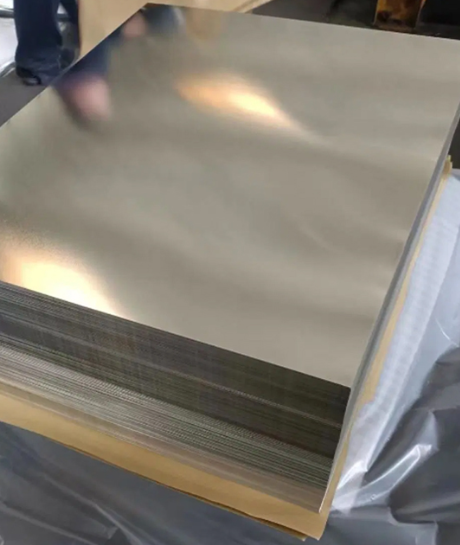
6. Coil or Sheet Form
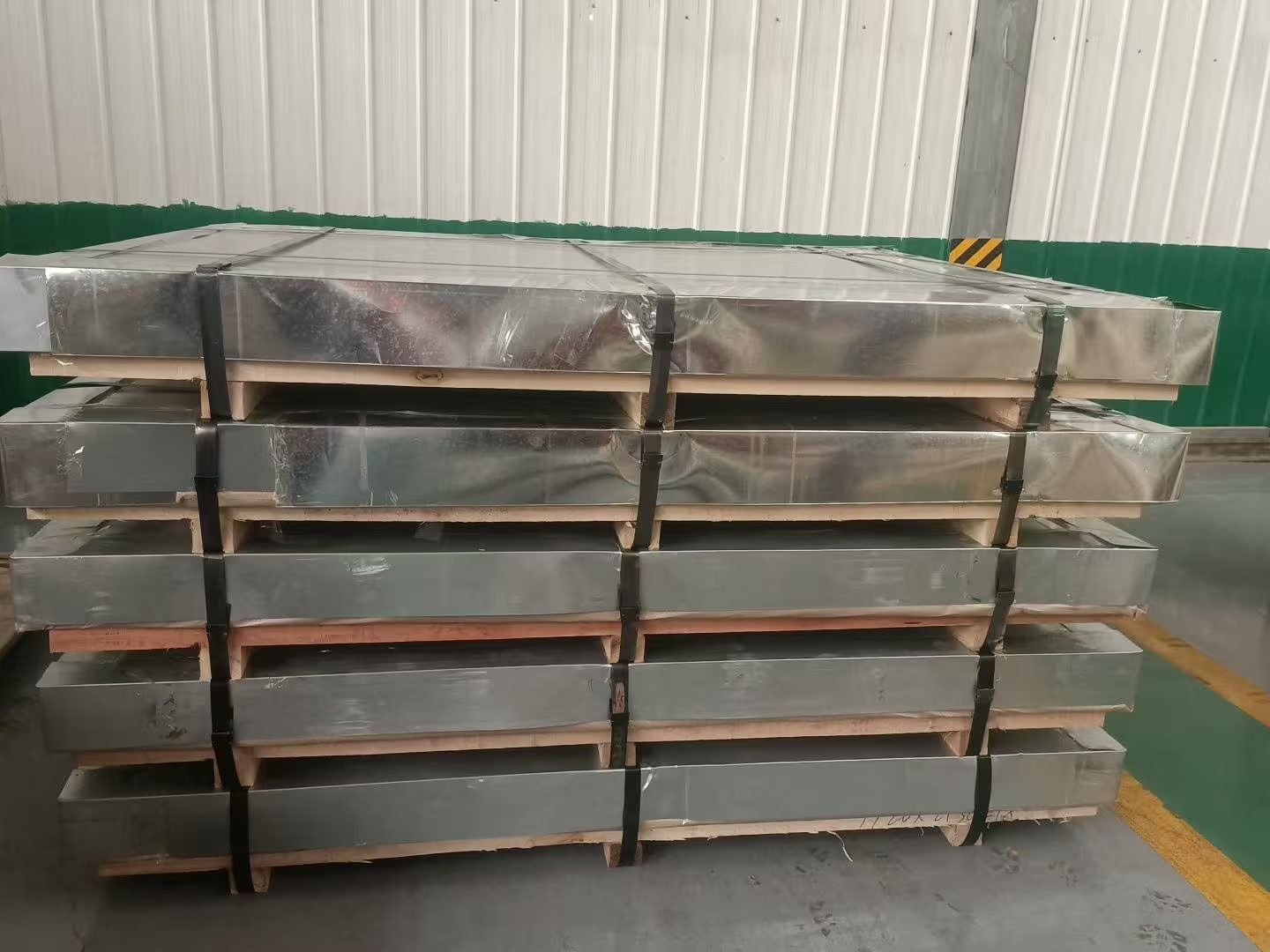
Tinplate for paint cans may be supplied in coil or sheet form depending on the factory’s equipment.
Tinplate coil may be suitable when:
- The factory has coil feeding and cutting equipment.
- Production volume is high.
- Coil width can match the can body layout.
- The buyer wants continuous production.
Tinplate sheet may be suitable when:
- The factory uses sheet-fed production.
- The buyer needs printed or lacquered sheets.
- The production quantity is smaller or more flexible.
- The material needs to match a certain sheet layout.
The right form depends on production equipment, order quantity, printing process, and cutting layout.
7. Sheet Size or Coil Width
Size planning is important because it affects material yield, cutting waste, and production efficiency.
Buyers should confirm:
- Coil width
- Sheet width and length
- Cutting layout
- Can body blank size
- Slitting requirement
- Tolerance requirement
If the sheet size or coil width is not suitable, the factory may need extra cutting and may produce more waste.
For regular paint can production, buyers should keep the size specification stable after it is approved.
8. Packing and Storage
Tinplate for paint cans should be protected before production. Moisture, scratches, edge damage, and deformation can affect printing, coating, welding, and forming.
Buyers should pay attention to:
- Export packing
- Moisture protection
- Edge protection
- Sheet or coil handling
- Dry indoor storage
- Avoiding early unpacking
- Protection after opening
- First-in, first-out stock use
Proper packing and storage can help reduce rust, scratches, stains, and handling damage before production.
Simple Checklist for Paint Can Tinplate Buyers
| Item | What to Confirm |
|---|---|
| Application | Paint can body, lid, bottom, printed component |
| Filling product | Water-based paint, solvent-based paint, varnish, adhesive, chemical product |
| Material form | Tinplate coil, sheet, slit coil, lacquered sheet, printed sheet |
| Thickness | Required thickness or current specification |
| Temper | Current temper or forming requirement |
| Tin coating | Coating weight or current material standard |
| Lacquer | Inner lacquer, outer lacquer, product compatibility |
| Surface finish | Bright, stone, silver, matte, or other |
| Size | Coil width, sheet size, cutting layout |
| Process | Printing, lacquering, welding, forming, flanging, seaming |
| Packing | Export packing, moisture protection, edge protection |
| Quantity | Trial order, monthly usage, or bulk order |
| Delivery | Destination port and trade terms |
Common Mistakes When Ordering Tinplate for Paint Cans
Buyers should avoid several common mistakes.
1. Only Comparing the Lowest Price
Price is important, but paint can material must support forming, welding, coating, filling, storage, and transport. If the material causes high scrap or coating problems, the total cost may become higher.
2. Not Explaining the Filling Product
Different paints and chemicals may require different internal coating performance. Buyers should not only say “paint can.” They should explain whether the product is water-based, solvent-based, oily, or chemical-based.
3. Ignoring Sheet Size or Coil Width
Wrong size planning may create more waste and extra cutting work. For regular production, coil width or sheet size should be matched with the can body layout.
4. Changing Material Between Repeat Orders
If the same paint can is produced repeatedly, changing thickness, temper, coating, or surface finish may affect production stability and final appearance.
FAQ
1. What tinplate is used for paint cans?
Paint cans usually require tinplate with suitable thickness, temper, tin coating, surface finish, and lacquer compatibility. The exact specification depends on the can size, filling product, and production process.
2. Is lacquered tinplate needed for paint cans?
It depends on the filling product and storage requirement. Some water-based, solvent-based, or chemical-based products may need suitable inner lacquer or protective coating.
3. Is tinplate coil or sheet better for paint can production?
It depends on the factory’s equipment and order volume. Coil may be suitable for continuous production, while sheets may be suitable for sheet-fed production, printed sheets, lacquered sheets, or smaller batches.
4. What problems can happen if the wrong tinplate is used?
Possible problems include poor forming, welding difficulty, coating damage, rust risk, printing defects, leakage risk, and higher rejection rate.
5. What information should buyers provide before ordering?
Buyers should provide can size, filling product, thickness, temper, coating requirement, surface finish, material form, sheet size or coil width, production process, quantity, packing requirement, and destination port.
Conclusion
Tinplate for paint cans should be selected according to the final filling product, can design, thickness, temper, coating requirement, surface finish, coil or sheet form, printing, welding, forming, packing, and storage.
A suitable tinplate material can help support stable paint can production and reduce material mismatch during processing. Clear communication before ordering is important because paint cans may have different requirements depending on the product inside and the production method.
If you are sourcing tinplate coil, tinplate sheet, lacquered tinplate, printed tinplate, or coated steel sheets for paint can production, please send us your can size, filling product, thickness, temper, coating requirement, surface finish, coil width or sheet size, quantity, production process, and destination port.
Our team can help review suitable material options for your paint can material needs.
Related News
Other news you might be interested in

How to Build a More Reliable Metal Packaging Supply Chain
Align materials, can formats, ends, and delivery requirements before ordering to reduce production risk, improve supply visibility, and keep packaging programs on schedule.
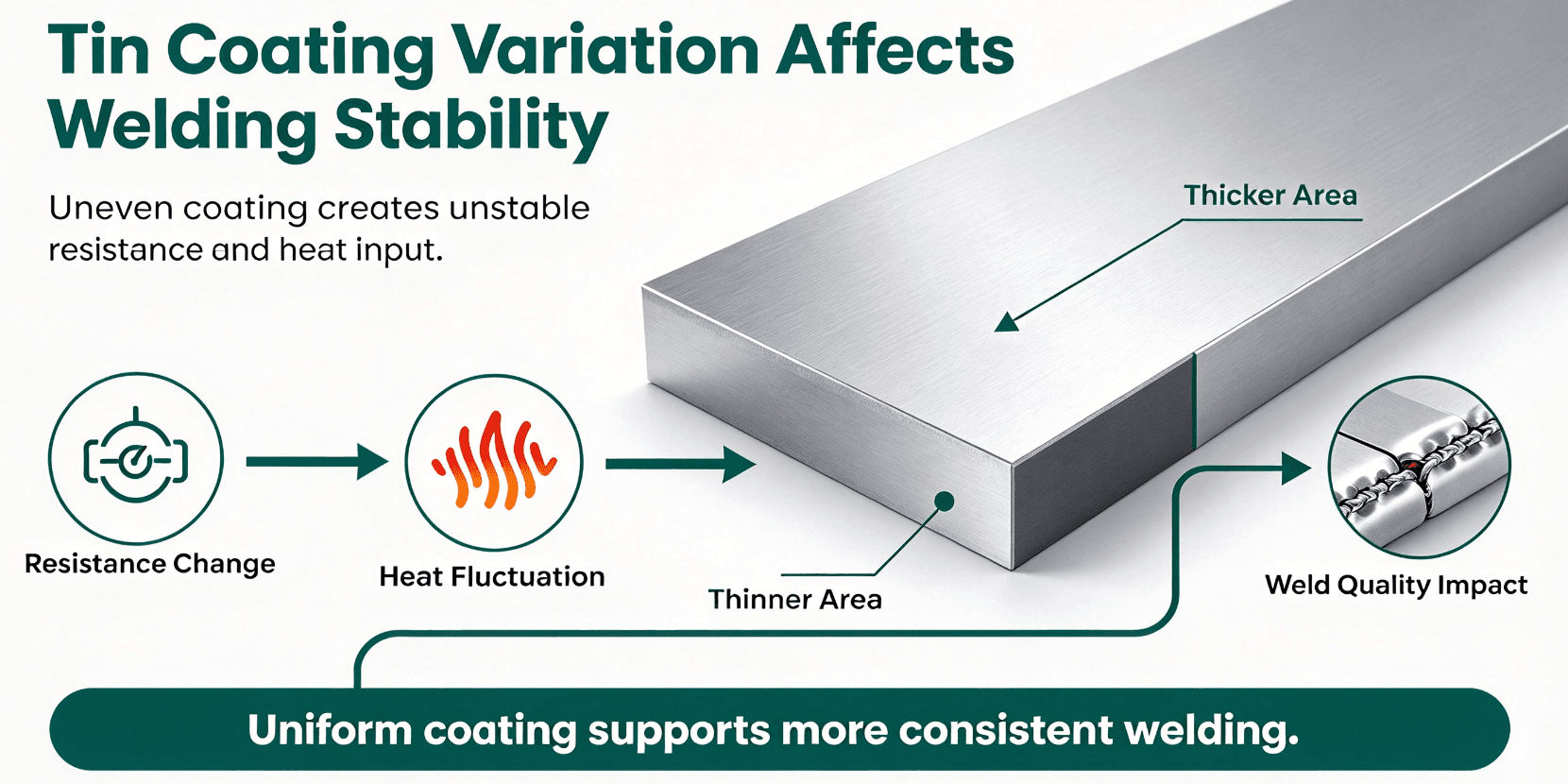
Weld Spatter & Leakage Defects: The Decisive Role of Tin Coating Uniformity in Can Welding Quality
High-speed resistance seam welding is the core forming process for three-piece metal cans. In actual mass production, persistent weld spatter, granular slag residue and hidden seam micro-leakage severely compromise sealing consistency, sterilization resistance and finished product yield. Most manufacturers tend to attribute these defects to unstable current, improper pressure or worn welding wheels. However, industrial verification proves that uneven tin coating distribution on tinplate is the fundamental material-induced root cause of recurring welding spatter and leakage issues.
Want to know more?
Get in touch with us for more information about our services and products.