
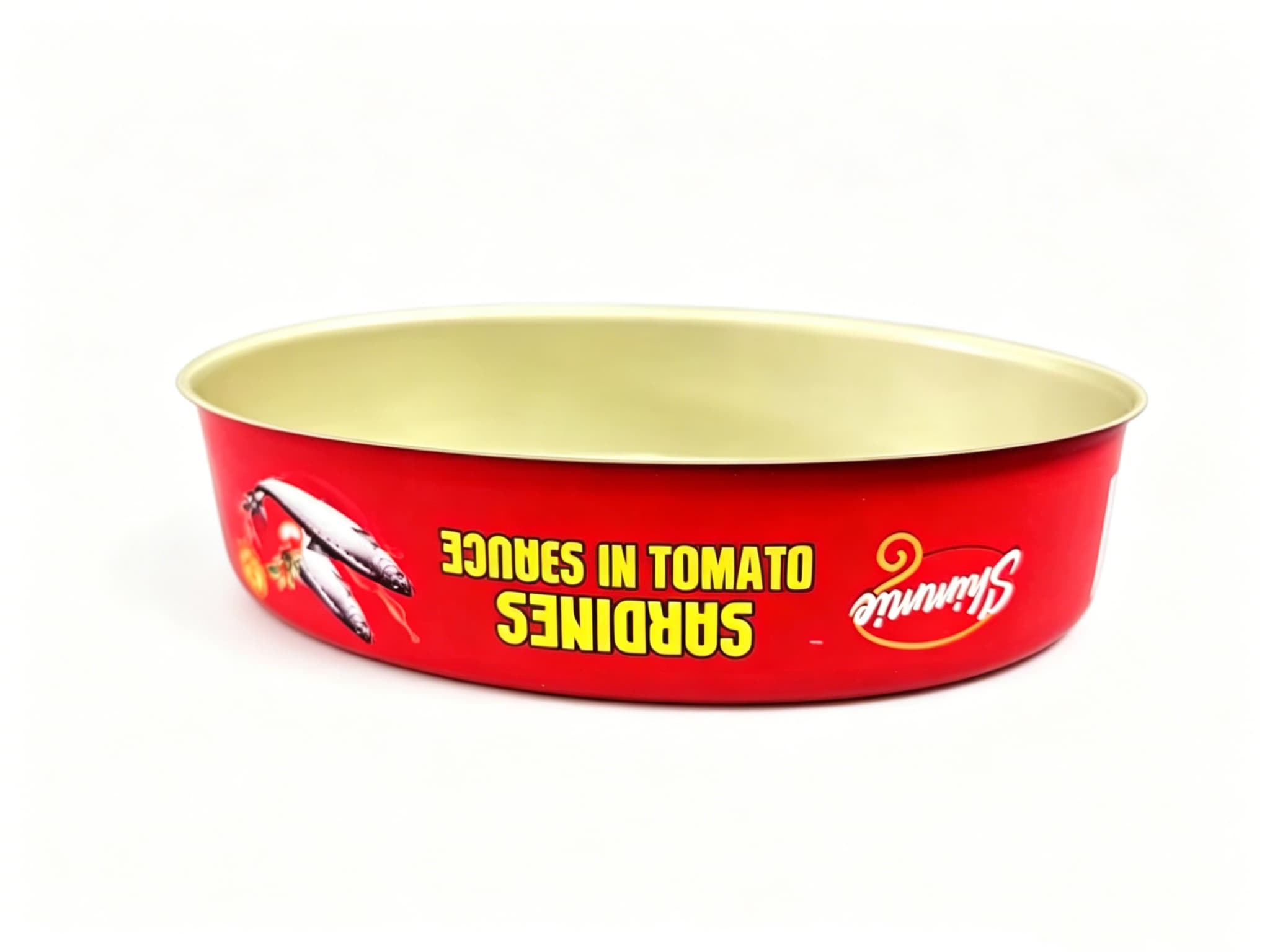
Tinplate for Tuna and Wet Food Can Packaging
Why Tinplate Matters in Tuna and Wet Food Packaging
Tuna cans and other wet food packaging formats place high demands on both the packaging producer and the material supplier.
For buyers serving this segment, tinplate is not just a raw material. It is a key part of product protection, production continuity, and seasonal commercial performance.
Compared with some other packaging applications, tuna and wet food can packaging often requires stronger attention to:
- production timing
- supply stability
- material consistency
- packaging reliability
- coordination before peak season
That is why buyers in this segment usually evaluate tinplate more carefully than a general commodity purchase.
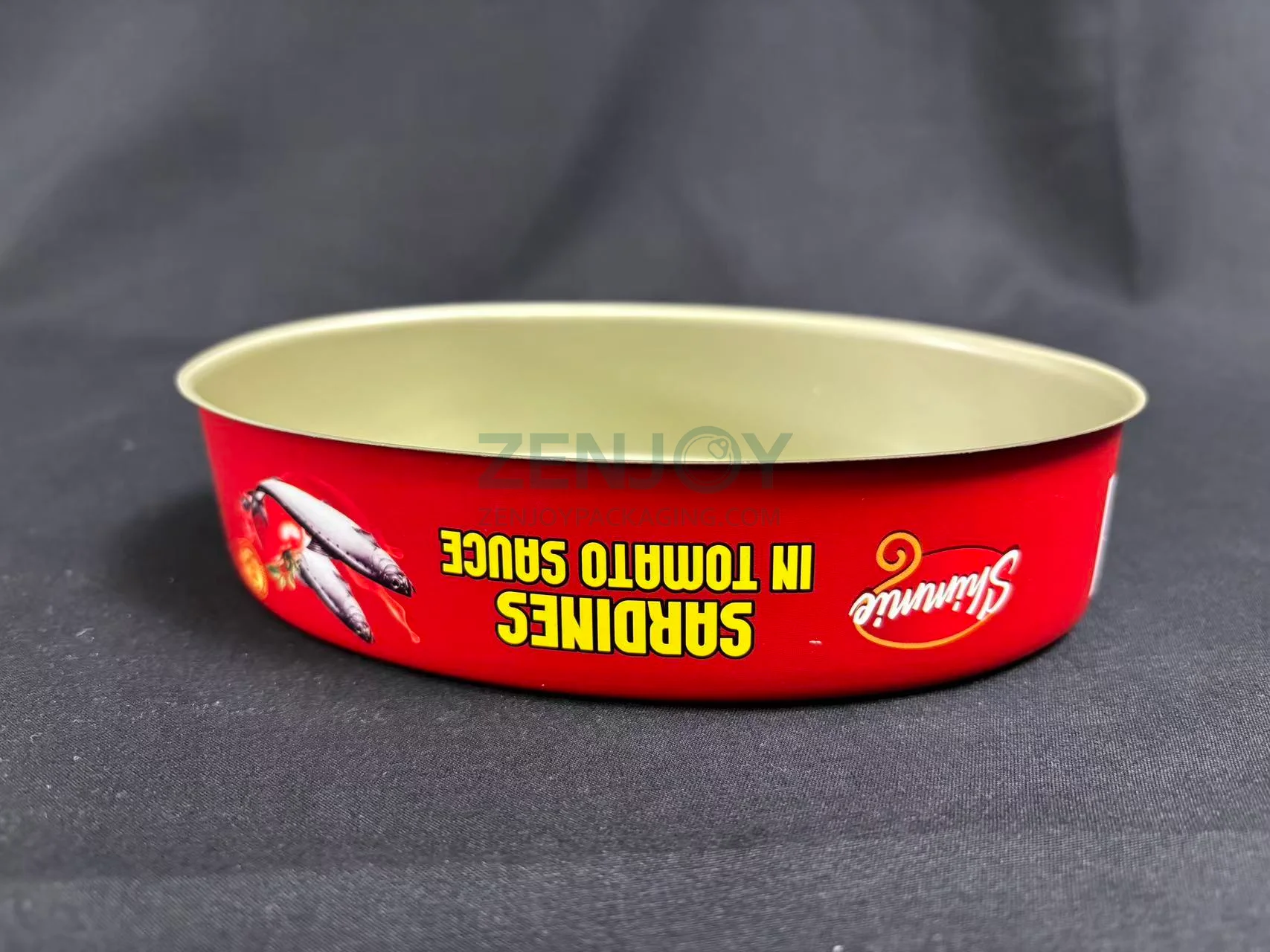
Customized metal can
Our customizable can containers offer fully customized production services, from dimensions to materials, to comprehensively meet your unique packaging requirements. Whether you need standard round cans or special irregular shapes, we can provide precise solutions that perfectly match your brand image and product characteristics.
Why Tinplate Is Widely Used for Tuna and Wet Food Cans
Tinplate is widely used in wet food and tuna can packaging because it combines several practical advantages:
- good process compatibility for can production
- suitability for high-volume packaging systems
- strong role in protecting the steel substrate when used with suitable internal coating systems
- good surface characteristics for printing and decoration
- suitability for industrial handling, filling, and transport
For can makers, the material must support not only production efficiency but also stable packaging performance through filling, storage, transport, and retail circulation.
This is why tinplate remains one of the most important materials in this packaging category.
What Makes Tuna and Wet Food Packaging Different
Wet food and tuna packaging usually involves conditions that make material selection more sensitive than some dry-product applications.
Buyers in this field often pay closer attention to:
- packaging integrity
- corrosion-related performance expectations
- compatibility with downstream coating systems
- stable mechanical behavior in production
- consistency across repeat orders
- reliable material delivery before seasonal demand peaks
In other words, the buyer is not only purchasing steel. They are purchasing production security.
What Buyers Should Review When Selecting Tinplate
1. Application fit
Not every tinplate order is interchangeable. Buyers should confirm that the material is appropriate for the intended can format and production process.
Important factors may include:
- can size
- body or end application
- line speed
- forming method
- internal coating system
- filling environment
A good supply decision begins with accurate application matching.
2. Material consistency
In tuna and wet food packaging, repeated production stability matters more than a one-time acceptable delivery.
Buyers should focus on whether the supplier can maintain:
- stable specification control
- repeatable mechanical behavior
- surface consistency
- reliable supply form
- ongoing support for recurring orders
For large-volume customers, inconsistency can become more expensive than a small price difference.
3. Supply timing
This is one of the most important points in this segment.
Many tuna and wet food packaging businesses operate with strong purchasing cycles.
If the buyer misses the preparation window, the impact may affect the entire production season.That is why buyers often prioritize:
- realistic lead time
- stable repeat supply
- stock or replenishment capability
- early planning before the busy period
- suppliers that can handle larger programs, not only spot inquiries
In this segment, supply timing is often a commercial issue, not just a logistics issue.
4. Supply form and production readiness
Depending on the factory setup, buyers may need:
- coil
- sheet
- cut-to-length supply
- standard repeat sizes
- custom production-ready dimensions
The right format helps reduce handling pressure and supports smoother production during busy periods.
For seasonal operations, saving time in material preparation can be highly valuable.
5. Export and packing support
For many overseas buyers, proper packing and shipment coordination are also important.
Wet food packaging customers often cannot afford delays caused by:
- weak export coordination
- poor packing protection
- incomplete shipment information
- unclear communication after dispatch
A better supplier should help reduce risk from order confirmation to final delivery.
Why Large Buyers Focus So Much on Reliability
In tuna and wet food can packaging, the risk of late or unstable material supply is unusually high in commercial impact.
A delay can mean:
- can production is slowed
- filling schedules are disrupted
- labor and equipment are underused
- downstream delivery commitments come under pressure
- the buyer loses part of a seasonal market opportunity
This is why experienced buyers often choose suppliers based on reliability, repeat support, and production fit, not only on price.
The supplier’s job is not just to provide tinplate. It is to help protect the buyer’s season.
How Buyers Can Reduce Procurement Risk
To reduce procurement risk in this segment, buyers should:
- confirm the recurring core specifications early
- align purchasing with the production calendar
- avoid last-minute changes
- verify lead times under busy-season conditions
- work with suppliers that can support repeat volume
- review shipment and quality documentation in advance
These steps do not eliminate every supply challenge, but they significantly reduce the chance of major disruption.
Tinplate Procurement in This Segment Is a Strategic Decision
For tuna and wet food packaging customers, tinplate procurement should be treated as part of annual production strategy.
The right material must do more than meet technical requirements. It must also support:
- stable factory planning
- efficient production scheduling
- predictable supply continuity
- stronger commercial execution during the season
That is why buyers in this category often prefer suppliers that combine material supply, practical communication, and better delivery discipline.
FAQ
Why is tinplate commonly used for tuna cans?
Because it is widely compatible with can-making processes and supports packaging performance when matched with suitable coating systems.
Why do wet food packaging buyers care so much about timing?
Because many of these businesses work around seasonal production cycles, and a delay can affect the entire selling season.
Is supply stability more important in this segment?
Yes. Large buyers often prioritize reliable repeat supply because interruption has a much bigger operational impact.
What should buyers confirm before ordering?
They should confirm application fit, consistency, lead time, supply form, and shipment support.
Is tinplate procurement in this segment only about price?
No. In many cases, production continuity and seasonal timing matter more than the lowest quote.
---
Looking for a more reliable tinplate supply arrangement for tuna cans or wet food packaging?
Related News
Other news you might be interested in
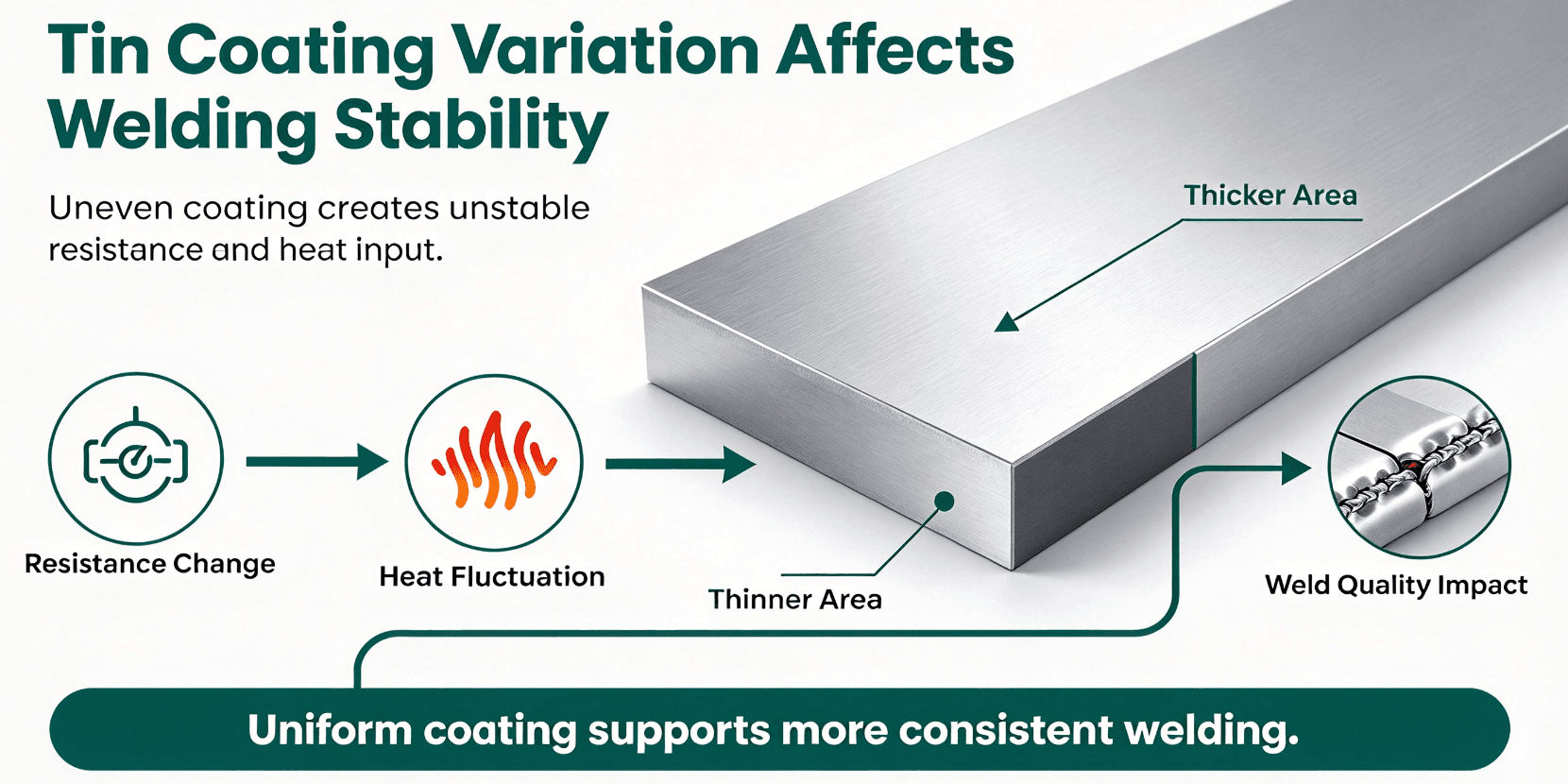
Weld Spatter & Leakage Defects: The Decisive Role of Tin Coating Uniformity in Can Welding Quality
High-speed resistance seam welding is the core forming process for three-piece metal cans. In actual mass production, persistent weld spatter, granular slag residue and hidden seam micro-leakage severely compromise sealing consistency, sterilization resistance and finished product yield. Most manufacturers tend to attribute these defects to unstable current, improper pressure or worn welding wheels. However, industrial verification proves that uneven tin coating distribution on tinplate is the fundamental material-induced root cause of recurring welding spatter and leakage issues.
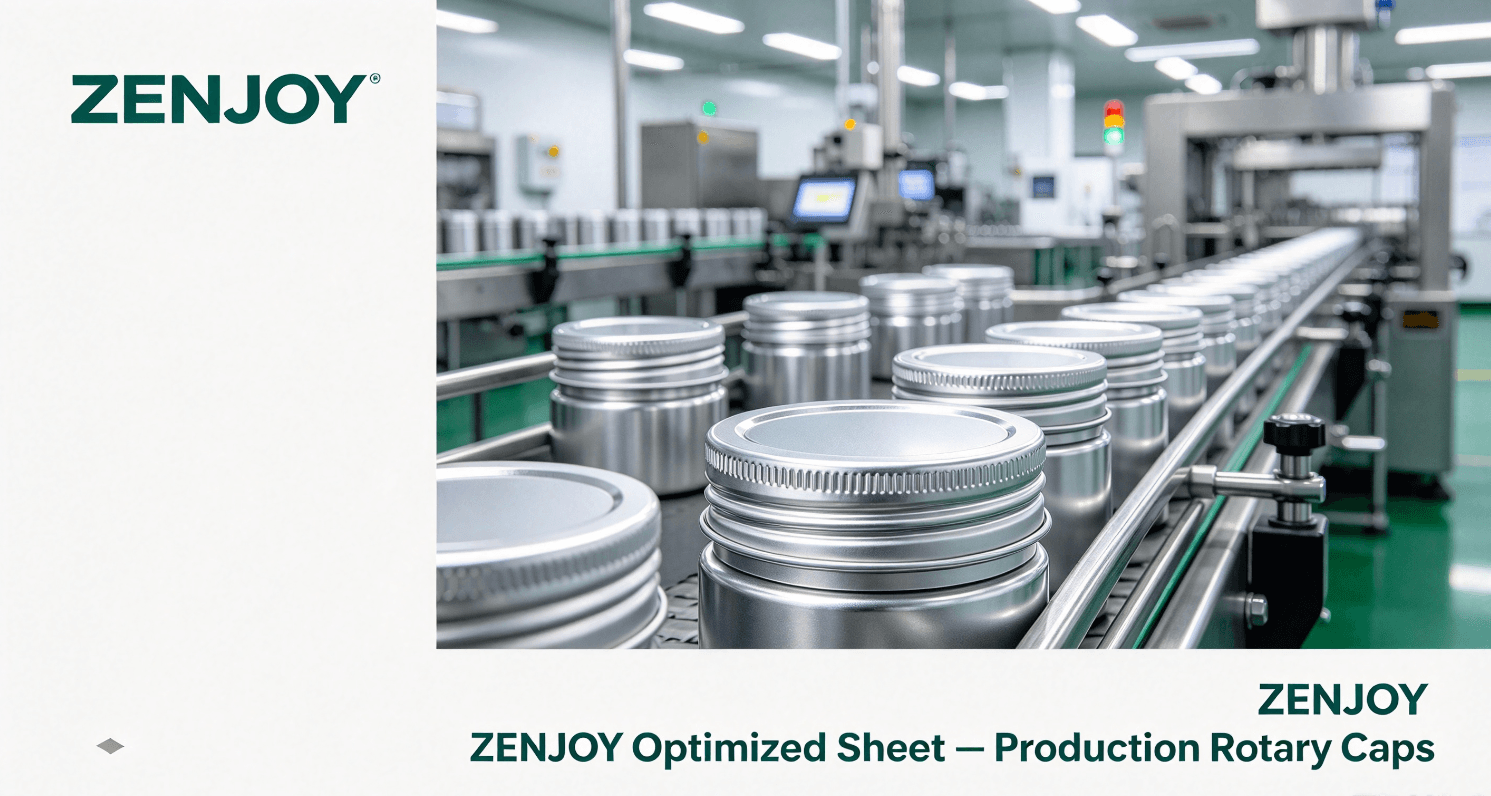
Low-Earing CA Annealed Tinplate: The Optimal Material for Stable Twist-Off Lid Deep Drawing & High Yield Rate
Twist-off lid manufacturing has extremely strict requirements on material anisotropy and ductility. Different from regular can bodies, twist-off lids undergo complex deep drawing, edge trimming and crimping processes, making them highly sensitive to uneven steel performance. According to actual mass production verification, no alternative tinplate grades can achieve stable forming results for twist-off lid production. Low-earning CA continuous annealed tinplate remains the most suitable and high-performance material dedicated for twist-off lid stamping.
Want to know more?
Get in touch with us for more information about our services and products.