
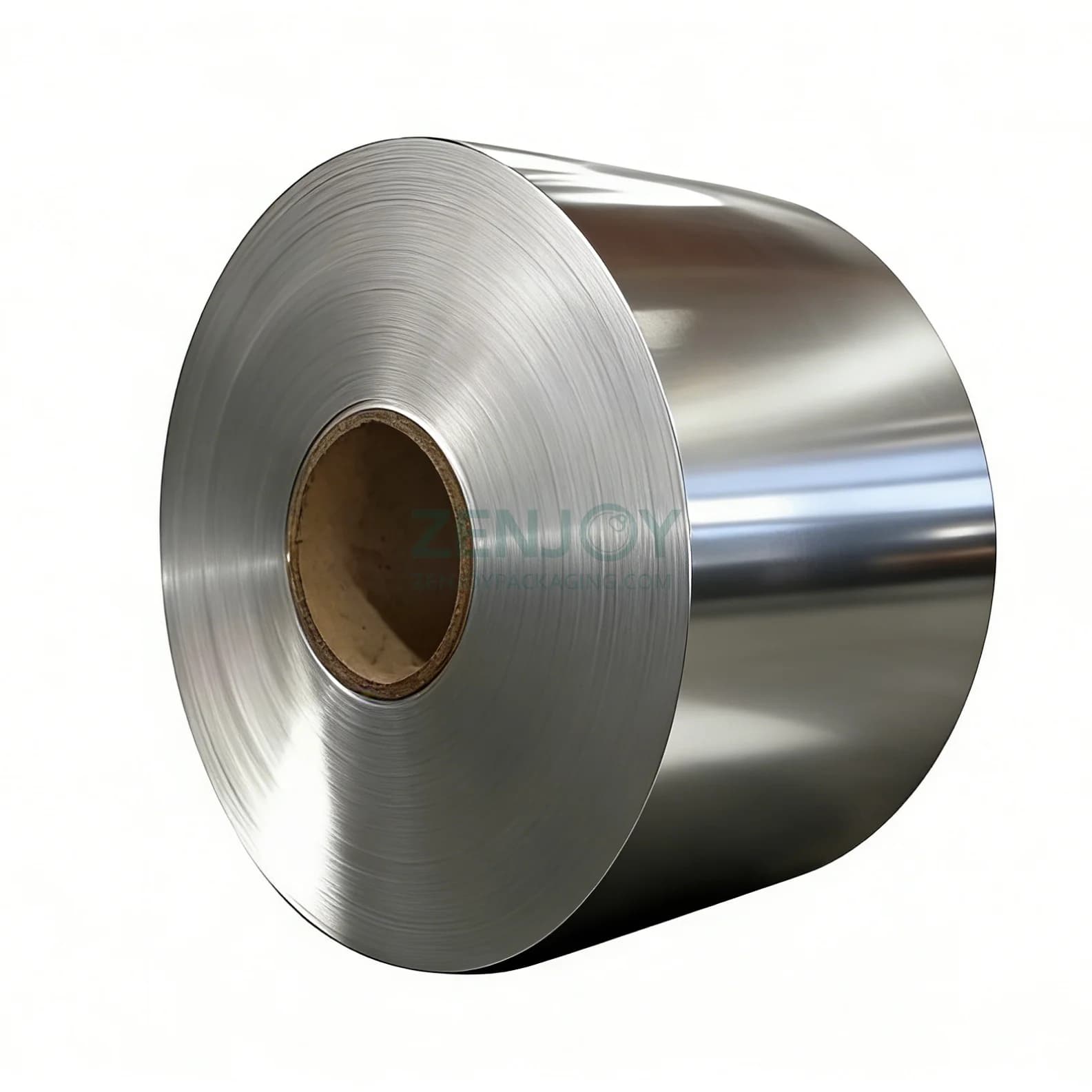
What Is Electrolytic Tinplate? Uses, Benefits, and Buying Guide
What Is Electrolytic Tinplate?
Electrolytic tinplate, often called tinplate or ETP, is a thin cold-rolled low-carbon steel sheet coated with a layer of tin on both sides through an electrolytic deposition process. It combines the strength and formability of steel with the corrosion resistance, surface appearance, and printability provided by tinplate.
Because of this combination, electrolytic tinplate is widely used in packaging and industrial applications that require reliable forming performance, surface protection, and compatibility with lacquering or printing.
For industrial buyers, tinplate is not simply a general steel product. It is a packaging-grade material that must be selected according to application, thickness, temper, coating weight, surface finish, and downstream processing requirements.
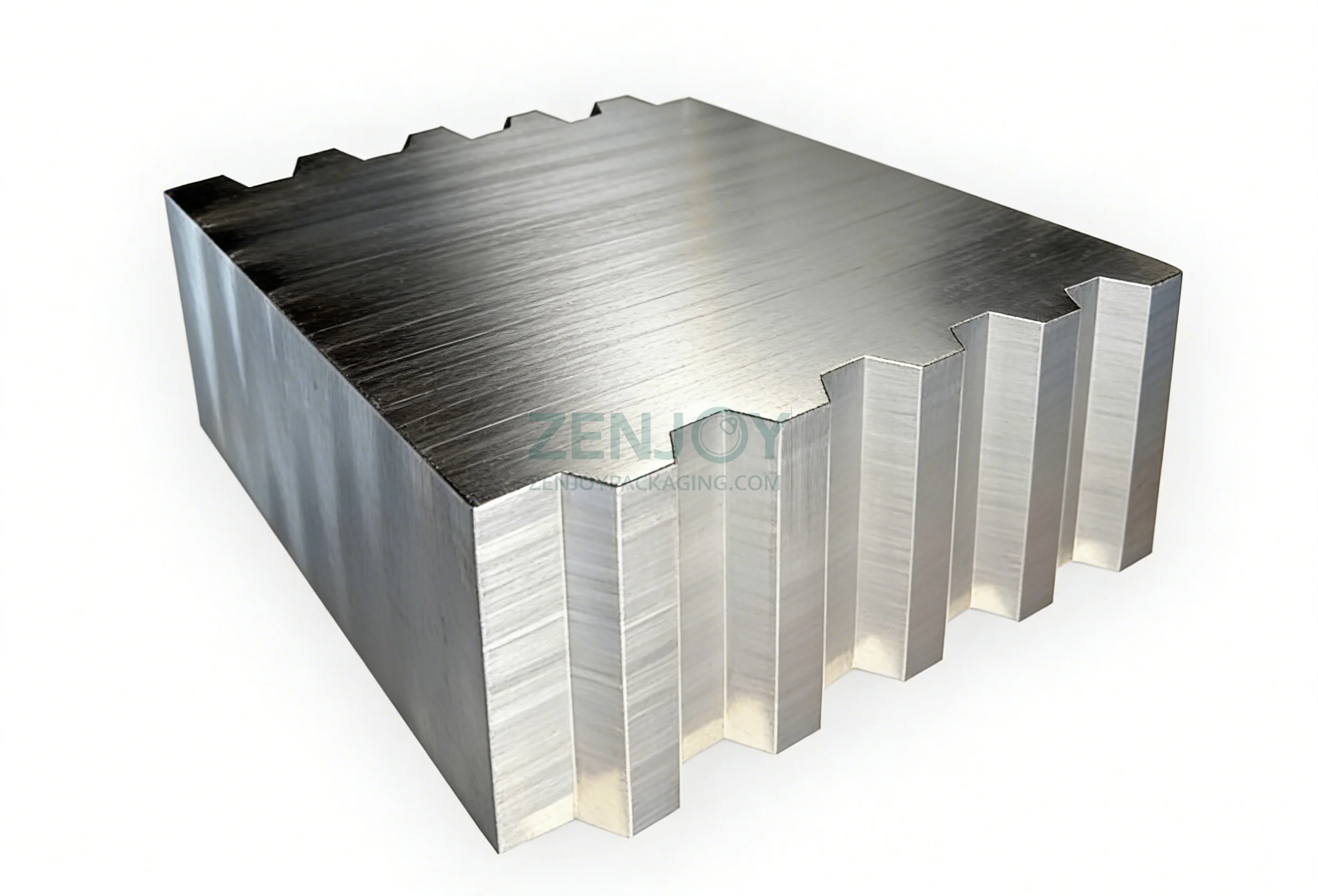
How Electrolytic Tinplate Is Made
The production of electrolytic tinplate usually involves several key stages:
- Steel base preparation
Low-carbon steel is rolled into thin sheet or coil form. - Annealing and tempering
The material is processed to achieve the required mechanical properties, such as hardness, strength, and formability. - Electrolytic tin coating
A tin layer is deposited onto the steel surface through an electrolytic process. - Reflow and passivation
These steps help improve surface characteristics, coating stability, and corrosion performance. - Oiling and finishing
The final surface is prepared for storage, transport, and downstream manufacturing.
The final result is a material that can be supplied in coil, sheet, or cut-to-size form depending on the buyer’s production needs.
Why Tinplate Is Widely Used
Electrolytic tinplate remains one of the most important materials in metal packaging and related industrial applications because it offers several practical advantages.
- Corrosion resistance
The tin coating helps protect the steel substrate and improves resistance in many packaging environments when combined with suitable internal coatings or lacquers. - Good formability
Tinplate can be processed into can bodies, can ends, lids, closures, and other formed parts. - Printability and appearance
Its surface supports decoration, printing, and branding, which is especially important in consumer packaging. - Weldability and process compatibility
Tinplate is commonly used on high-speed can-making lines and is suitable for many standard forming and fabrication processes.
Recyclability
Steel packaging materials are widely recycled, which supports sustainability goals in many markets.
Common Uses of Electrolytic Tinplate
Tinplate is used across a wide range of industries, especially where packaging performance and production efficiency matter.
- Food can packaging
One of the most common uses is for food cans, including products such as fish, vegetables, fruits, sauces, and other preserved foods. - Beverage and specialty containers
In some applications, tinplate is also used for beverage-related and specialty metal packaging components. - Milk powder and dry product cans
Its surface quality, strength, and decoration potential make it a suitable choice for many dry food packaging applications. - Industrial cans and containers
Tinplate can also be used in chemical containers, oil cans, and general line packaging, depending on the specific product and coating system. - Caps, lids, and closures
The material is widely used for closures and metal packaging accessories that require consistent forming performance.
What Buyers Should Check Before Sourcing Tinplate
Industrial buyers should not source tinplate based on price alone. A lower price can quickly become more expensive if the material creates forming issues, coating inconsistency, or delivery risk.
Here are the main factors buyers should review.
- Thickness range
Thickness affects formability, strength, weight, and cost. The correct choice depends on whether the material is used for can bodies, ends, lids, or industrial containers. - Temper grade
Temper influences hardness and forming behavior. Different production lines and applications require different temper selections. - Tin coating weight
Coating weight can affect corrosion behavior, cost, and application suitability. - Surface finish
Buyers should confirm whether the required finish is suitable for printing, lacquering, or appearance requirements. - Supply form
Tinplate may be supplied in coil, sheet, or cut-to-length formats. The best option depends on the factory’s line setup and production efficiency goals. - Quality consistency
For large-volume buyers, batch consistency is critical. Stable mechanical properties and reliable surface quality are often more important than obtaining the lowest possible initial quote. - Delivery reliability
In packaging industries with strong seasonal demand, lead time and delivery performance can directly affect annual production output.
Tinplate Coil, Tinplate Sheet, or Cut-to-Size?
Different buyers prefer different supply forms.
- Tinplate coil
Best for factories with continuous processing lines and larger production volumes. - Tinplate sheet
Suitable for customers that require standard sheet processing or prefer easier handling in specific operations. - Cut-to-size tinplate
Useful when buyers need custom dimensions to match downstream production or reduce internal processing steps.
For many industrial customers, the best supply model is the one that balances production efficiency, material utilization, and reliable delivery.
Why Supply Stability Matters in Packaging Industries
For packaging manufacturers, especially those serving seasonal food production, raw material timing is often as important as material quality.
If a buyer misses a critical purchasing window, the consequence may not be a short delay. It may affect an entire production season. That is why large-volume customers usually look beyond basic material specs and focus heavily on supplier stability, processing support, inventory planning, and lead-time control.
A strong tinplate supply partner should help buyers reduce supply chain risk, not just provide quotations.
FAQ
Is electrolytic tinplate the same as tinplate?
Yes. In most industrial and packaging contexts, electrolytic tinplate and tinplate refer to the same material.
What is electrolytic tinplate mainly used for?
It is mainly used in food cans, dry food packaging, closures, industrial containers, and other metal packaging applications.
Is tinplate supplied in coil or sheet form?
It can be supplied in coil, sheet, and custom cut-to-size forms depending on the buyer’s processing needs.
Why is tinplate popular in packaging?
Because it combines steel strength with surface protection, good printability, and strong compatibility with downstream forming processes.
What should buyers confirm before ordering tinplate?
They should confirm thickness, temper, coating weight, finish, supply form, quality consistency, and delivery capability.
——————————————————————————————————————————————
Looking for a reliable tinplate supply partner for large-volume industrial use? Contact us to discuss your required specifications, supply form, and delivery plan.
Related News
Other news you might be interested in

Tinplate Coating Peeling Risk Analysis and Avoidance Under High-Temperature Retort Sterilization
High-temperature retort sterilization is an essential process for shelf-stable food cans. However, long-term high-temperature and high-pressure environments easily cause coating blistering, delamination and peeling on the inner wall of metal cans. Many can manufacturers attribute coating failure solely to lacquer quality or baking process. In fact, **tinplate substrate performance, surface condition and material matching** are the core hidden causes of most high-temperature coating peeling problems. This article professionally analyzes the root causes of tinplate coating peeling under retort conditions, explains the difference in high-temperature resistance between ETP tinplate and TFS steel, and summarizes practical and operable avoidance solutions for mass production.
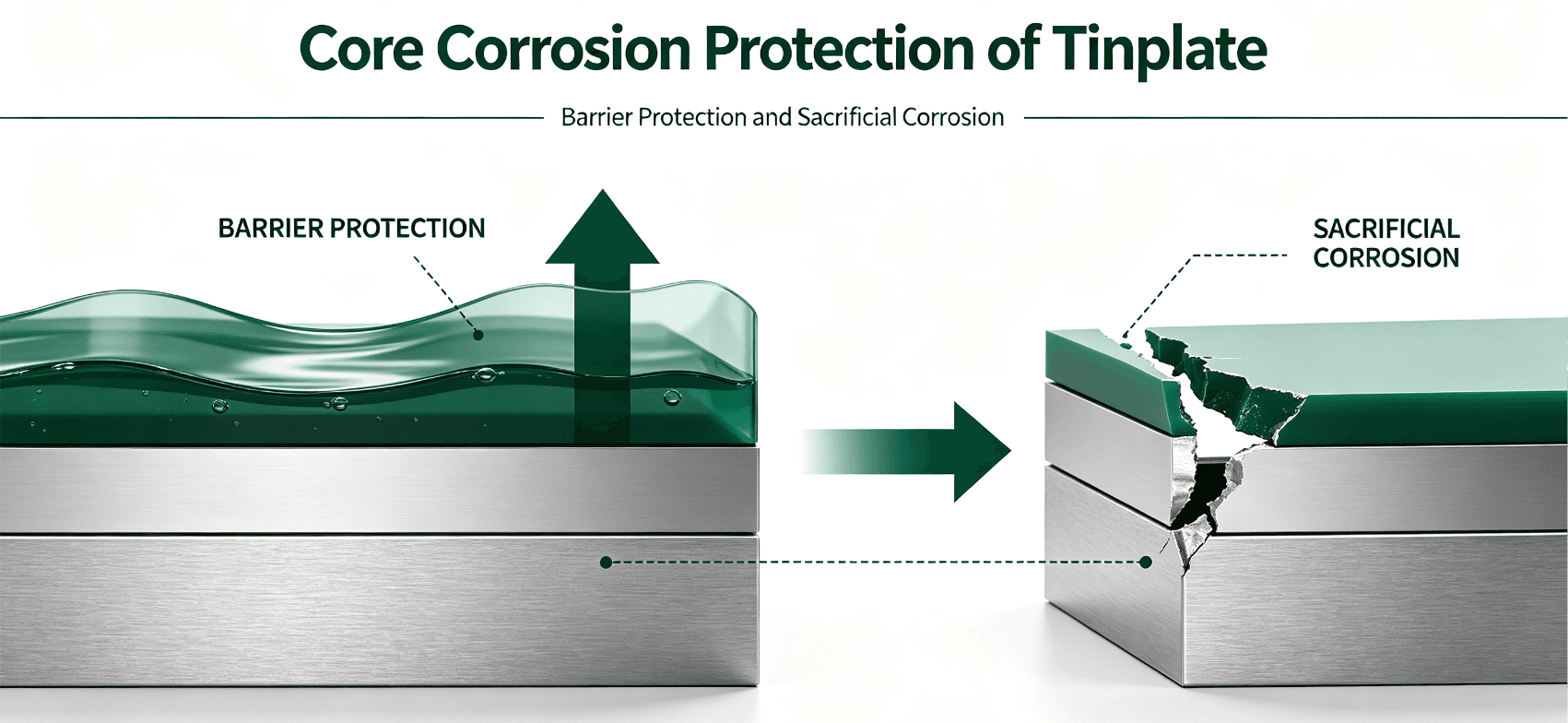
Sacrificial Corrosion & Barrier Protection: Core Anti-Corrosion Principle of Tinplate
The service life and storage safety of metal food cans largely depend on the anti-corrosion performance of packaging materials. As the most widely used substrate for food cans and general metal containers, ETP electrolytic tinplate adopts two core anti-corrosion mechanisms: barrier protection and sacrificial anode protection. These two protection systems work together to ensure stable corrosion resistance in complex food filling and high-temperature sterilization environments.
Want to know more?
Get in touch with us for more information about our services and products.