
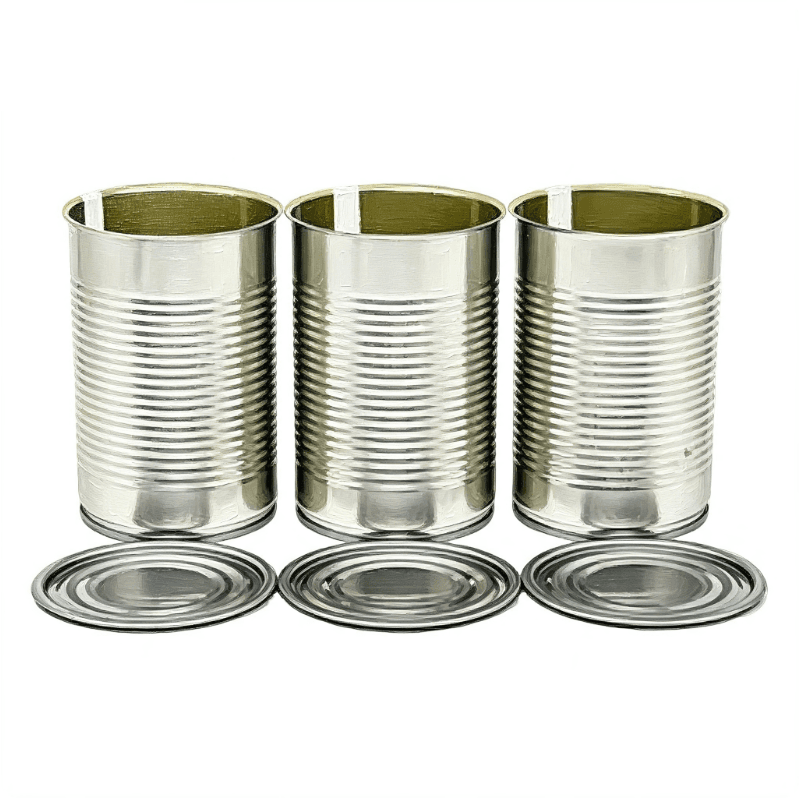
What Is the Purpose Behind the Ribbing on Tin Cans?
The horizontal grooves or raised rings on the side of a tin can are commonly called ribs, beads, or beading. They are not only decorative. In many metal packaging designs, ribbing helps improve the structural performance of the can body.
Ribbing is commonly seen on food cans, coffee cans, powdered food containers, paint cans, chemical cans and other three‑piece metal cans. The number, position and shape of the ribs depend on the can diameter, height, material thickness, product contents, filling process and required stacking performance.
For can makers and packaging buyers, understanding the purpose of ribbing is useful when selecting Tinplate, TFS, can dimensions and forming requirements.
1. Ribbing Can Improve Can Body Strength
A plain cylindrical can wall can deform when it is exposed to external pressure, internal pressure or handling forces. Adding ribs changes the shape of the can wall and can increase its resistance to buckling.
The ribbed sections help distribute stress across the can body. This can be especially useful for taller cans, larger‑diameter cans or containers made with thinner material.
Ribbing may help the can resist:
- Sidewall denting during handling
- Deformation during stacking
- Compression during transport
- Shape changes caused by pressure differences
- Buckling of the can body
However, ribbing is only one part of can strength. Material thickness, temper grade, can diameter, can height, seam design, end design and production quality all affect final performance.
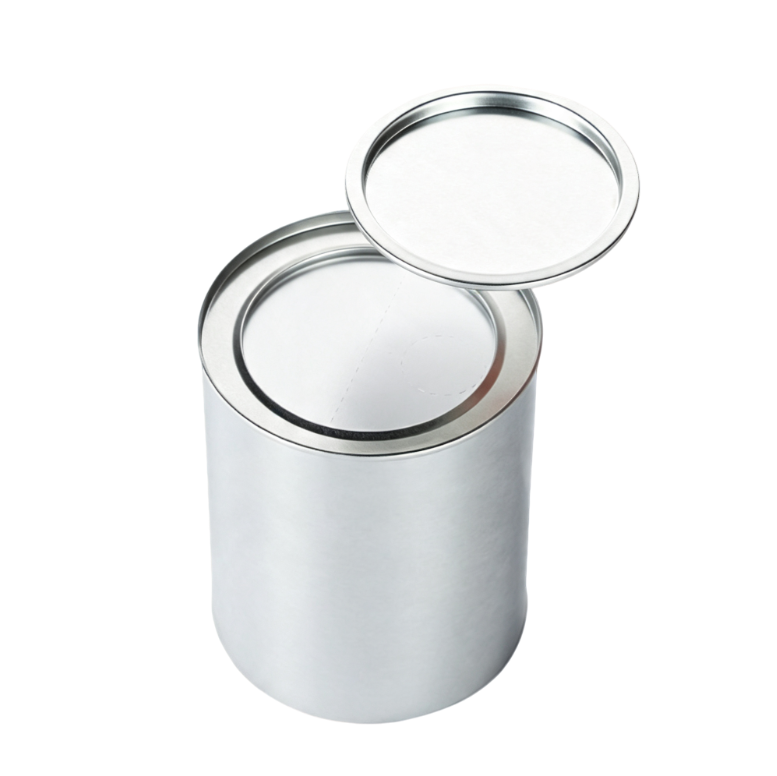
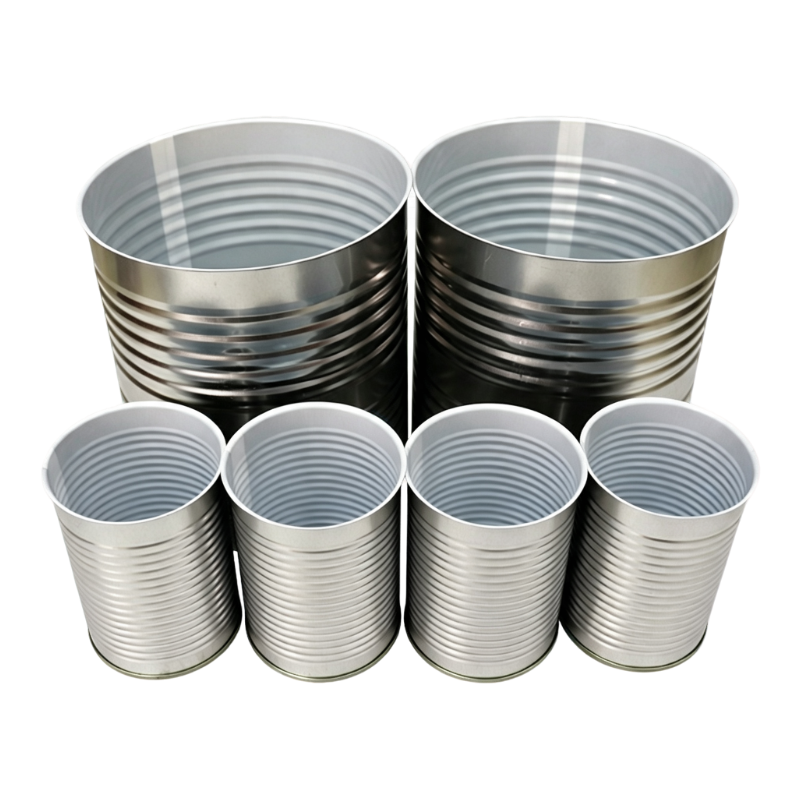
2. Ribbing Helps Manage Pressure Changes
Some food cans experience pressure changes during filling, cooling, storage or transportation. Heat processing, hot filling, retort processing and changes in internal vacuum can affect the can body.
Ribbing can provide additional flexibility in the sidewall structure. In some designs, it helps the can body respond more consistently to normal pressure changes without obvious distortion.
This does not mean ribbing can solve every pressure‑related problem. If a can develops severe paneling, swelling, denting or deformation, the manufacturer should also review:
- Filling temperature
- Headspace
- Internal vacuum
- Retort or cooling conditions
- Can end design
- Double seam quality
- Product weight
- Stacking height
- Material thickness and temper
A well‑designed ribbed can body still requires correct processing and quality control.
3. Ribbing Can Support Stacking and Transport
During warehousing and transport, cans may be stacked in cartons, trays, pallets or containers. The can body must withstand normal handling and compression forces from adjacent products.
Ribbing can improve the stiffness of the can wall and help the can maintain its shape during stacking. This can be useful for products that travel long distances or remain in storage for extended periods.
For export orders, packaging performance should be evaluated together with:
| Area | What Buyers Should Check |
|---|---|
| Can body | Material thickness, temper grade and rib design |
| Can ends | End profile, strength and seam compatibility |
| Product weight | Effect on stacking and handling pressure |
| Outer packaging | Cartons, trays, dividers and pallet arrangement |
| Transport | Container loading, vibration, moisture and handling |
| Storage | Stacking height, warehouse conditions and shelf life |
A ribbed design may improve body stiffness, but poor outer packaging or excessive pallet stacking can still cause damage.
4. Ribbing Can Help Reduce Visible Dents
Small dents can make a metal can look damaged, even when the package remains sealed. For branded food products, decorative tins and retail packaging, appearance matters.
Ribbing can make the can body less likely to show broad, flat dents because the sidewall has more structural support than a completely smooth surface. It can also help the can retain a more consistent cylindrical shape after routine handling.
This is one reason ribbing is often used in cans for coffee, milk powder, dry foods, chemicals and industrial products. The design can improve both practical handling performance and visual appearance.
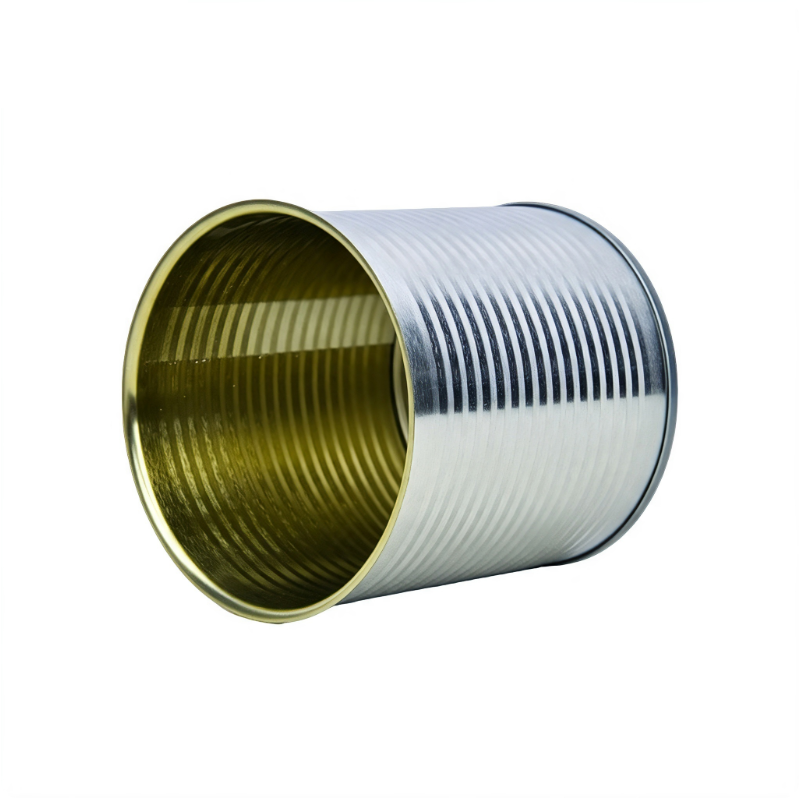
5. Ribbing Is Part of Can Design, Not Just Decoration
Some ribs are designed mainly for strength. Others may support handling, improve appearance or create space for a label design. In certain applications, the ribs can also make a can easier to grip.
The final ribbing design should be matched with the full packaging specification.
| Design Factor | Why It Matters |
|---|---|
| Can diameter | Larger diameters may require more sidewall support |
| Can height | Taller cans may need better resistance to deformation |
| Material thickness | Thinner material may require a suitable body design |
| Temper grade | Affects forming behavior and final stiffness |
| Product contents | Wet, dry, heavy or pressure‑sensitive products create different demands |
| Filling process | Hot filling and retort processing may affect can performance |
| Printing design | Ribs can affect artwork placement and label appearance |
| End and seam design | The body, ends and seams must work together |
For this reason, ribbing should not be copied from another can size without reviewing the new can’s dimensions, material and production conditions.
Tinplate and TFS for Ribbed Cans
Tinplate and TFS can be used in different metal packaging applications. The choice depends on the can structure, coating requirement, production process and product contents.
Tinplate is commonly used for food cans, decorative tins, printed packaging and metal containers that require suitable corrosion resistance, formability and surface appearance. may be used for selected can components, ends, lids, closures and packaging applications where the coating system and forming process are compatible.
For ribbed can bodies, buyers should confirm the following material details:
- Material type: Tinplate or TFS
- Thickness
- Steel grade
- Temper grade
- Surface finish
- Internal and external coating requirements
- Sheet or coil format
- Can diameter and height
- Forming and beading process
- Product contents and filling method
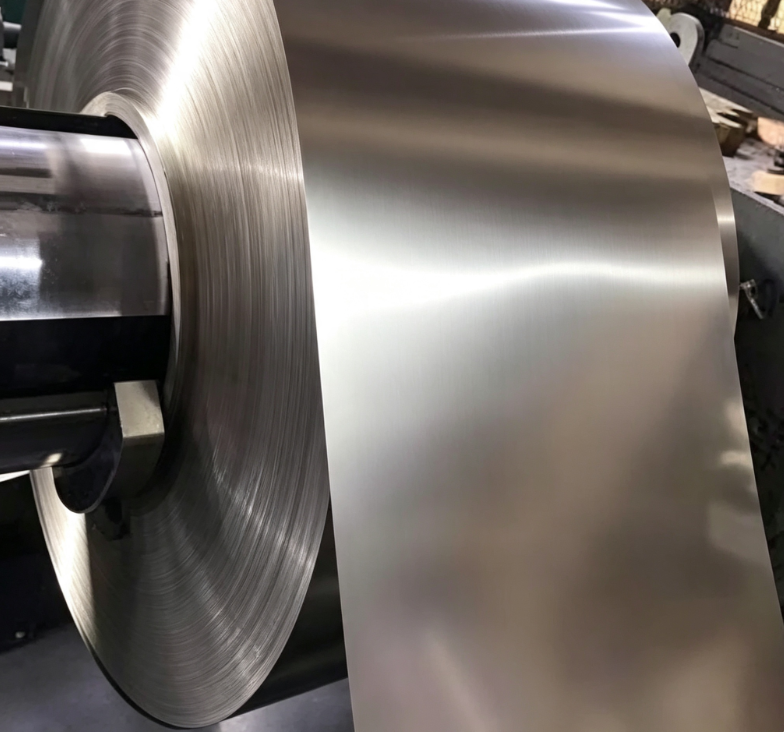
Zenjoy Packaging supplies Tinplate Steel Sheet in Coil and Tinplate Cut‑to‑Length Sheets for metal packaging applications.
What Buyers Should Confirm Before Ordering
Before placing an order for material used in ribbed cans, buyers should provide complete application information. This helps reduce the risk of material or process mismatch.
A practical inquiry should include:
- Type of can and product application
- Can diameter, height and target capacity
- Number and position of ribs, if already specified
- Material preference
- Thickness and temper grade
- Internal lacquer or coating requirement
- Printing requirement
- Coil or sheet dimensions
- Trial quantity or regular order quantity
- Destination port
If the project involves a new can design, a production trial is useful before bulk purchasing. The trial should review body forming, beading quality, printing appearance, seam performance, stacking and transport handling.
---
Ribbing on tin cans serves a practical purpose. It can improve sidewall strength, help manage normal pressure changes, support stacking performance and reduce the risk of visible body deformation.
However, ribbing alone does not determine can quality. Material selection, thickness, temper, coating, end design, seam quality, filling process and transport conditions all work together.
Our team can help review suitable Tinplate or TFS material options for your project.
Related News
Other news you might be interested in

Tinplate Coating Peeling Risk Analysis and Avoidance Under High-Temperature Retort Sterilization
High-temperature retort sterilization is an essential process for shelf-stable food cans. However, long-term high-temperature and high-pressure environments easily cause coating blistering, delamination and peeling on the inner wall of metal cans. Many can manufacturers attribute coating failure solely to lacquer quality or baking process. In fact, **tinplate substrate performance, surface condition and material matching** are the core hidden causes of most high-temperature coating peeling problems. This article professionally analyzes the root causes of tinplate coating peeling under retort conditions, explains the difference in high-temperature resistance between ETP tinplate and TFS steel, and summarizes practical and operable avoidance solutions for mass production.
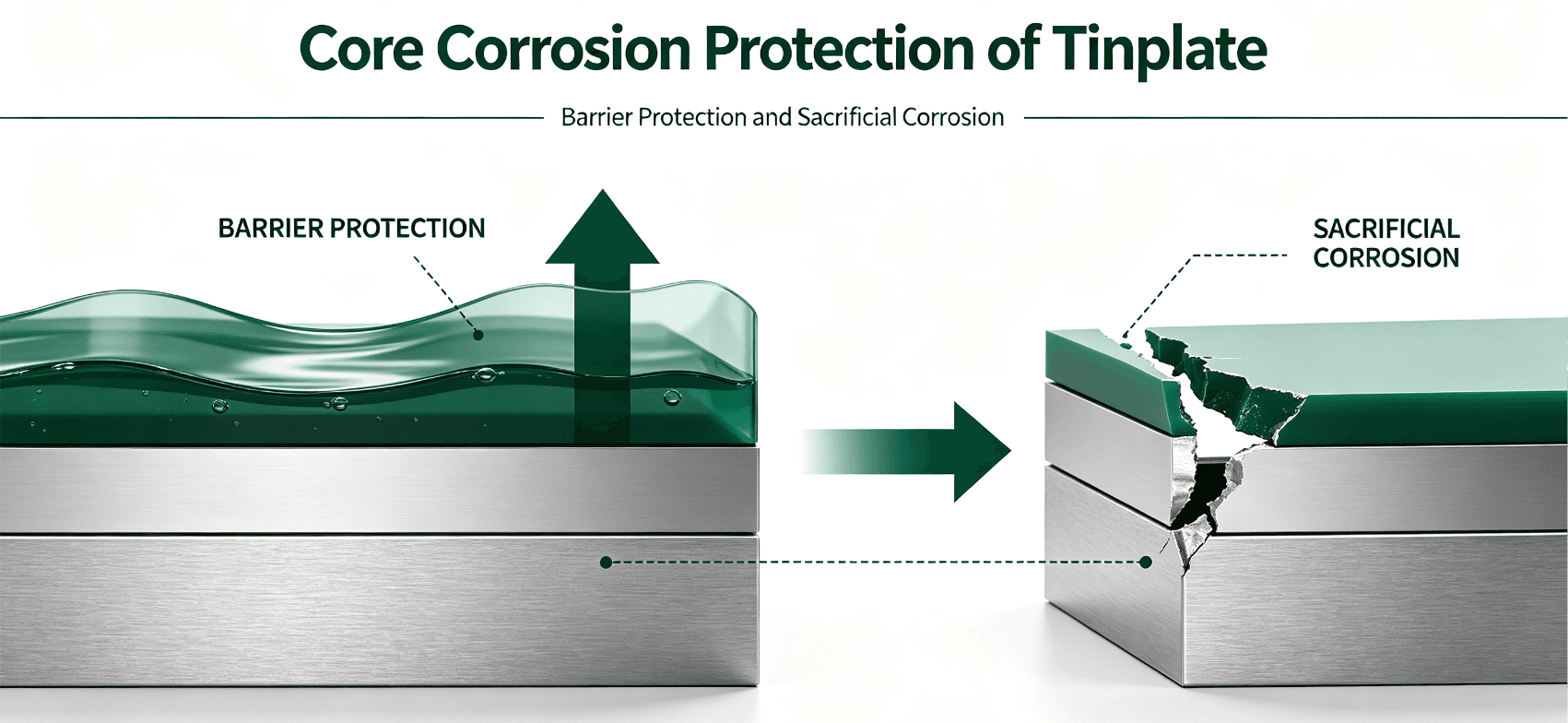
Sacrificial Corrosion & Barrier Protection: Core Anti-Corrosion Principle of Tinplate
The service life and storage safety of metal food cans largely depend on the anti-corrosion performance of packaging materials. As the most widely used substrate for food cans and general metal containers, ETP electrolytic tinplate adopts two core anti-corrosion mechanisms: barrier protection and sacrificial anode protection. These two protection systems work together to ensure stable corrosion resistance in complex food filling and high-temperature sterilization environments.
Want to know more?
Get in touch with us for more information about our services and products.