
Dry Food Can Tinplate
Application
View More
Custom Size TFS Sheets
Tinplate for Sauce and Prepared Food Cans
Tinplate for Pet Food Wet Cans
Tinplate for Seafood Cans
Bulk Stock Supply Support
Repeat Size Supply Program
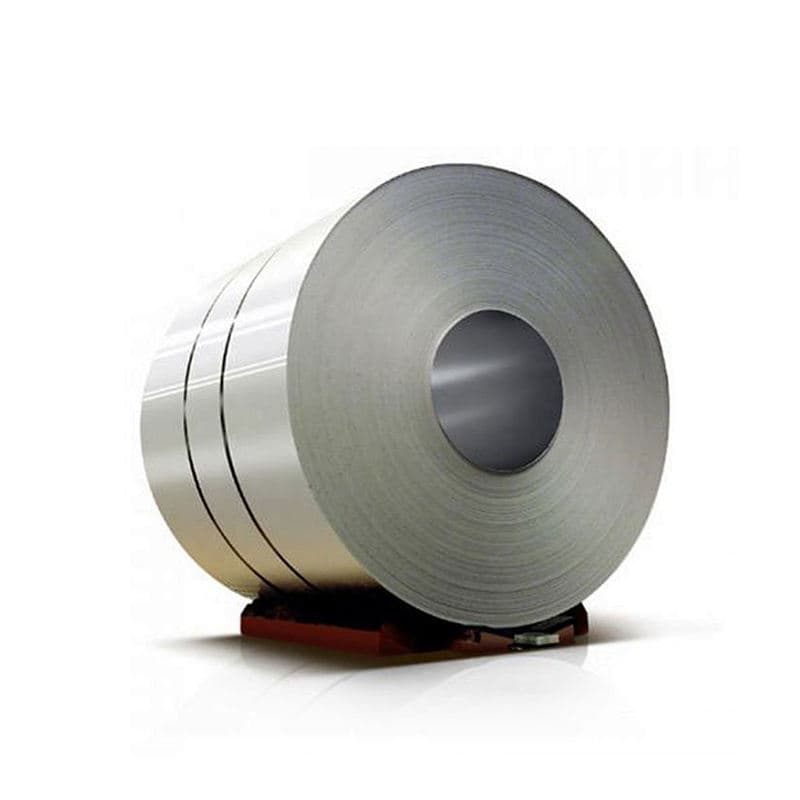
Premium Tinplate for Gift Tins

Premium Tinplate for Tea Tins

Premium Tinplate for Biscuit Tins

Tinplate for Tuna Cans
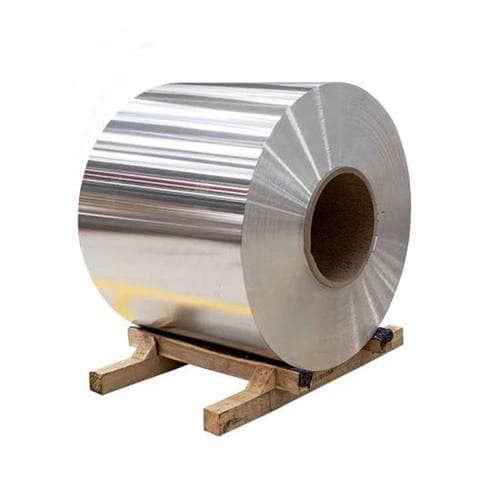
TFS Metal Packaging Steel for Closures
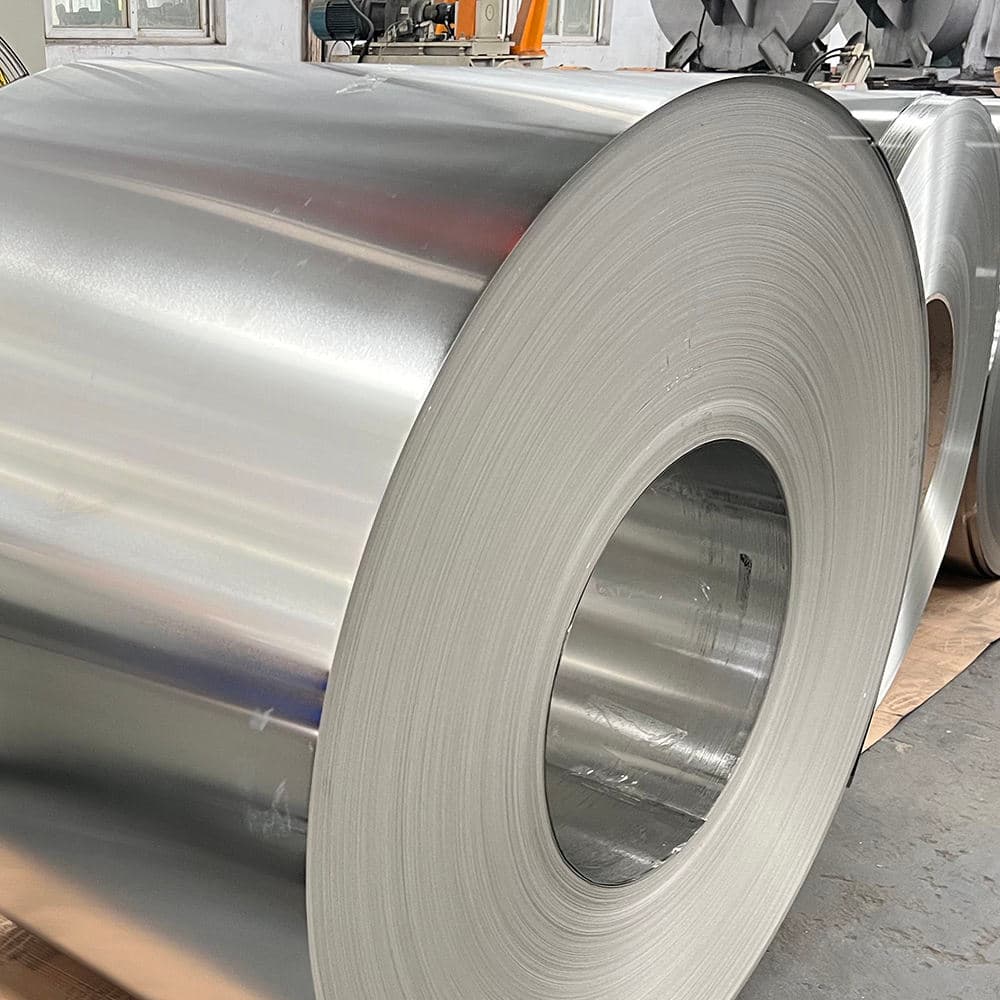
Premium Tinplate for Can Ends
Tinplate for Dry Food Cans with Stable Quality, Timely Supply, and Reliable Industrial Support
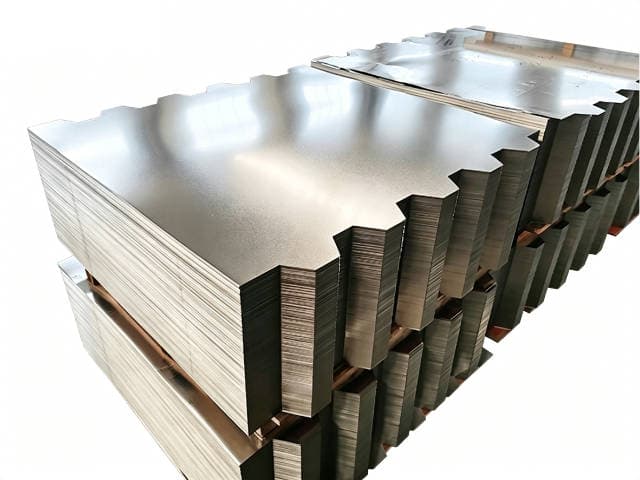
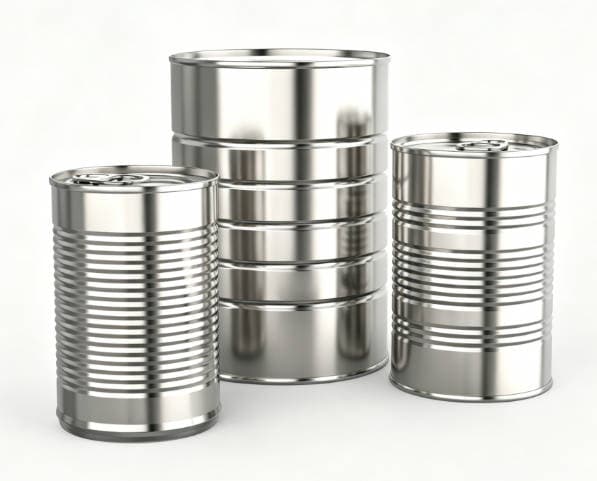
Tinplate for dry food cans is widely used in metal packaging for powdered, granulated, or shelf-stable food products that require strong packaging performance, stable material quality, and repeatable production support. It is commonly applied in packaging programs for coffee, tea, milk powder, biscuits, snacks, nutrition products, confectionery, seasoning products, and other dry food categories where packaging appearance, material consistency, and supply continuity all matter.
For professional buyers, dry food can tinplate is not simply a packaging steel product. It is a material directly connected to can-making efficiency, packaging quality, stock planning, repeated SKUs, and long-term procurement stability. In many dry food packaging projects, the buyer is not just purchasing raw material. They are managing recurring production cycles, branded packaging requirements, seasonal demand, and delivery commitments.
That is why serious buyers looking for tinplate for dry food cans usually ask questions such as:
- Is the material suitable for our can structure and production process?
- Can recurring specifications be supplied consistently over time?
- Can the supplier support bulk orders and repeated replenishment?
- Can the material arrive on time for scheduled production runs?
- Can the supplier provide clear communication, practical service, and reliable support for long-term packaging programs?
A strong tinplate supply arrangement for dry food cans should answer these questions clearly and help buyers reduce risk in both purchasing and production.
What Is Tinplate for Dry Food Cans?
Tinplate for dry food cans refers to tinplate material supplied for metal packaging used in dry food and powder product applications. It is commonly selected because it supports can-making, packaging stability, practical handling, and broader packaging design flexibility.
Dry food packaging often differs from wet food packaging in terms of product structure, storage conditions, packaging design, and downstream use. However, buyers in this segment still expect the same core supply strengths:
- consistent material quality
- stable repeat specifications
- reliable order execution
- good packaging usability
- practical support for recurring industrial demand
For many factories and importers, the real purchasing requirement is not only to find tinplate, but to work with a supplier that can support an ongoing dry food packaging program with discipline and continuity.
Why Dry Food Packaging Buyers Choose Tinplate
Tinplate remains a practical material choice for many dry food can applications because it can support both packaging use and industrial production efficiency.
Buyers choose tinplate for dry food cans because it can help with:
- repeatable can-making and packaging operations
- practical support for sheet or coil-based processing
- stable supply for recurring packaging sizes
- decorative and branded packaging possibilities
- better organization for repeated SKU programs
- broad suitability across multiple dry food categories
For dry food packaging buyers, the value of the material is not limited to the steel itself. It also lies in whether the supplier can support ongoing packaging production with consistent specifications, timely delivery, and responsive service.
Typical Applications of Tinplate for Dry Food Cans
Tinplate for dry food cans is used across a wide range of consumer packaging and industrial food packaging sectors.
Milk Powder Cans
Milk powder can manufacturers usually require repeat-order consistency, stable packaging dimensions, and reliable delivery planning because their production programs often run in regular cycles.
Coffee and Tea Packaging
Coffee powder, tea leaves, and specialty beverage ingredients are commonly packed in metal cans where both packaging appearance and material performance matter.
Biscuit and Snack Tins
Biscuit, cookie, and snack packaging often uses tinplate where packaging strength, design value, and repeat dimensions are important.
Nutrition and Health Product Packaging
Powdered nutrition products, protein blends, supplements, and formula-related packaging often require controlled packaging formats and stable repeated supply.
Seasoning and Ingredient Packaging
Dry seasoning, cocoa, grains, specialty powders, and other shelf-stable food products may also use metal packaging where recurring industrial packaging support matters.
Decorative and Gift-Oriented Dry Food Packaging
Some dry food products are sold in decorative tins, premium gift packaging, or seasonal packaging programs, which means the supplier must support both packaging function and presentation needs.
Because this sector includes both standard industrial packaging and branded decorative packaging, buyers often need a supplier that can support multiple packaging directions without losing consistency.
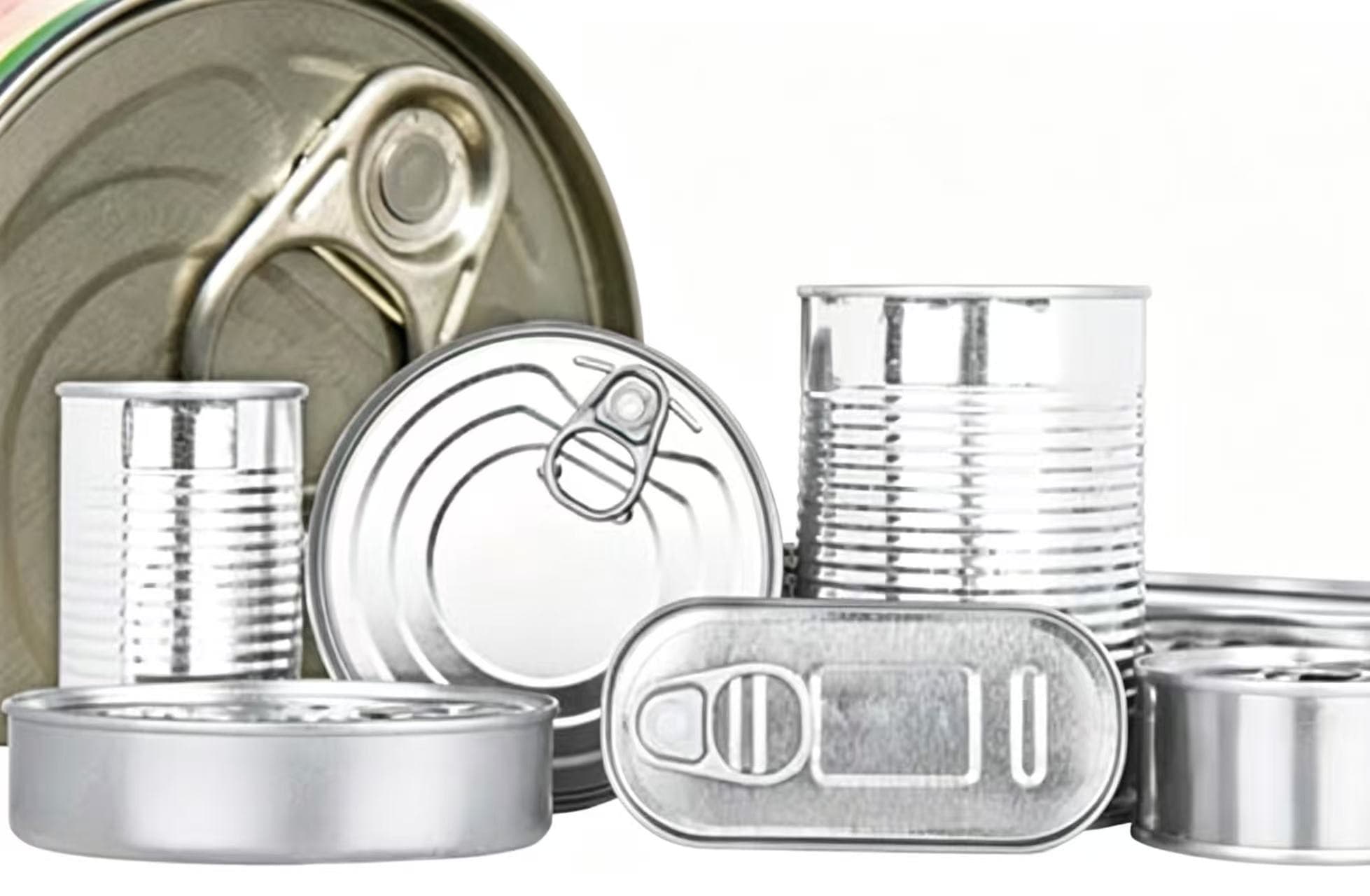
Main Challenges Buyers Face When Sourcing Tinplate for Dry Food Cans
Although the dry food packaging market is broad, buyers often face similar supply challenges when sourcing tinplate.
1.Inconsistent repeat specifications
Dry food packaging buyers often run the same dimensions and structures repeatedly. If the supplier cannot maintain stable recurring specifications, production and inventory planning become harder.
2.Weak support for multiple SKUs
Some dry food packaging businesses manage several product lines at the same time. If the supplier cannot support structured orders across multiple sizes or repeated packaging programs, coordination becomes inefficient.
3.Delayed delivery for recurring programs
Dry food packaging often works on replenishment cycles. Delayed tinplate supply can affect packaging schedules, warehouse planning, and finished product commitments.
4.Limited packaging understanding from the supplier
A supplier may provide the base material, but if they do not understand dry food packaging realities, they may not support the buyer’s actual production and order structure well enough.
5.Poor communication during repeat orders
Many buyers in this sector do not need only a one-time shipment. They need a supplier that can handle repeated communication, recurring specification confirmation, and stable order follow-up.
6.Lack of confidence in service and supply continuity
Dry food can buyers often want assurance that the supplier can respond during urgent replenishment, support large volumes, and continue serving the same packaging program over time.
These challenges are why professional buyers usually compare suppliers on reliability and service, not only price.
What Buyers Usually Care About Before Ordering
When evaluating tinplate for dry food cans, experienced buyers usually review several important factors.
Application suitability
The material must match the actual dry food packaging use, the can structure, and the downstream production requirements.
Repeat-order consistency
Dry food packaging often relies on recurring can sizes, recurring branding, and steady replenishment. The supplier must be able to support repeated orders with the same level of control.
Timely supply and lead-time reliability
Because many dry food packaging lines run on rolling replenishment schedules, timing matters. Buyers need confidence that the material can arrive when production needs it.
Bulk and multi-SKU order support
Many buyers in this segment handle several product lines or recurring stock programs. They often need a supplier that can support structured industrial demand rather than only isolated orders.
Quality control and packaging readiness
The supplier must be able to support practical quality discipline, consistent material condition, and better order organization for receiving and production.
Service and communication
Buyers usually prefer suppliers that can confirm recurring details clearly, communicate efficiently, and support ongoing packaging programs with less friction.
A stronger supplier helps the buyer manage both material and process stability.
Our Advantages in Tinplate for Dry Food Cans Supply
We supply tinplate for dry food cans with a focus on stable quality, recurring program support, timely delivery, and practical industrial service.
Stable Supply for Recurring Dry Food Packaging Demand
Dry food packaging businesses often work with repeated dimensions, repeated SKUs, and recurring order cycles. We understand that continuity is one of the most important parts of supply value in this category.
Timely Supply and Delivery Support
Late supply can affect packaging plans, warehouse balance, and customer deliveries. We emphasize timely supply, better coordination, and responsive follow-up to help buyers reduce disruption.
Capacity Support for Bulk Orders and Ongoing Programs
Many dry food packaging buyers need more than one shipment. They need a supplier that can support growing volume, repeated replenishment, and ongoing industrial demand with stronger organization.
Quality Control That Supports Real Packaging Production
Quality is not only about one approved shipment. In repeated packaging programs, quality means consistent material that supports packaging efficiency and internal production control over time.
Experience with Larger Buyers and Structured Orders
Buyers serving multiple food products, branded packaging lines, or larger recurring stock plans usually need a supplier with better process discipline. We aim to support that type of structured industrial procurement.
Service That Strengthens Procurement Confidence
We believe responsive service is part of supply reliability. Clear communication, order tracking, recurring specification support, shipment coordination, and after-sales follow-up all matter in long-term packaging programs.
How Our Tinplate for Dry Food Cans Helps Buyers Improve Operations
A practical tinplate supply arrangement for dry food cans can help buyers:
- support smoother packaging replenishment cycles
- improve repeat-order confidence
- simplify coordination across multiple SKUs
- reduce supply pressure during busy periods
- improve cooperation between purchasing, warehouse, and production
- reduce delays caused by weak supplier follow-up
- better align material supply with actual packaging demand
For many dry food can buyers, supply reliability creates value far beyond the material itself. It supports better planning, more stable execution, and stronger operational confidence.
Suitable Buyer Types
This product is especially suitable for:
- dry food can manufacturers
- milk powder can producers
- coffee and tea packaging factories
- biscuit and snack tin manufacturers
- nutrition powder packaging buyers
- food packaging distributors
- importers managing recurring dry food can demand
- factories handling multiple packaging SKUs
- buyers requiring bulk tinplate supply for dry food packaging
- industrial packaging operations seeking long-term supply support
If the priority is recurring specifications, timely delivery, reliable service, and stronger packaging supply continuity, tinplate for dry food cans is often the right product category.
Customization and Supply Support
Dry food packaging buyers often need more flexible and structured support than a standard material listing can provide.
Depending on the order structure and packaging program, support can be discussed around:
- recurring dry food can specifications
- custom dimensions
- bulk order planning
- repeat replenishment arrangements
- multi-SKU order coordination
- export packing requirements
- shipment timing
- long-term supply support for ongoing packaging programs
The clearer the buyer’s recurring demand and packaging structure, the better the supply arrangement can be tailored to support real production needs.
Why Tinplate for Dry Food Cans Pages Matter for Search and Buyer Intent
Industrial buyers often search not only for "tinplate for dry food cans," but also for related procurement questions such as:
- tinplate for milk powder cans
- tinplate for coffee cans
- tinplate for tea tins
- tinplate for biscuit tins
- dry food can tinplate supplier
- food grade tinplate for dry food packaging
- bulk tinplate for dry food cans
- reliable tinplate supplier for dry food packaging
- export tinplate for dry product cans
- can-making tinplate for dry food
This means a strong product page should go beyond naming the product. It should answer the buyer’s real questions about packaging suitability, repeat-order support, quality stability, timing, service, and long-term supply reliability.
That is what makes the page valuable both for search visibility and for real purchasing decisions.
Frequently Asked Questions
What is tinplate for dry food cans used for?
It is widely used for milk powder cans, coffee cans, tea tins, biscuit tins, nutrition powder packaging, snack packaging, and other dry food metal packaging applications.
Why do buyers choose tinplate for dry food cans?
Because it supports practical packaging production, recurring industrial demand, and stable supply for a wide range of dry food can formats.
Is this product suitable for repeat industrial orders?
Yes. It is especially suitable for buyers managing repeated packaging dimensions, recurring SKUs, and ongoing dry food packaging programs.
Can you support bulk tinplate orders for dry food packaging manufacturers?
Yes. This product is suitable for bulk orders, repeated replenishment, and more structured industrial procurement.
Why is timely supply important in dry food can packaging?
Because many buyers operate on rolling replenishment schedules, repeated production runs, and customer delivery plans that depend on material arriving on time.
Can this product be used for biscuit tins and tea tins?
Yes. Tinplate for dry food cans is commonly used for tea tins, biscuit tins, coffee packaging, and other dry product containers, depending on the buyer’s specific requirements.
What should buyers confirm before placing an order?
Buyers should confirm application type, required specification, order volume, repeat-order needs, packing requirements, and target delivery schedule.
Do you provide service support beyond the material itself?
Yes. Strong supply service includes communication, recurring specification support, order tracking, shipment coordination, and after-sales follow-up.
Why is repeat-order consistency important for this product?
Because dry food packaging buyers often rely on recurring sizes and repeated packaging programs, which require stable supply and controlled execution over time.
---
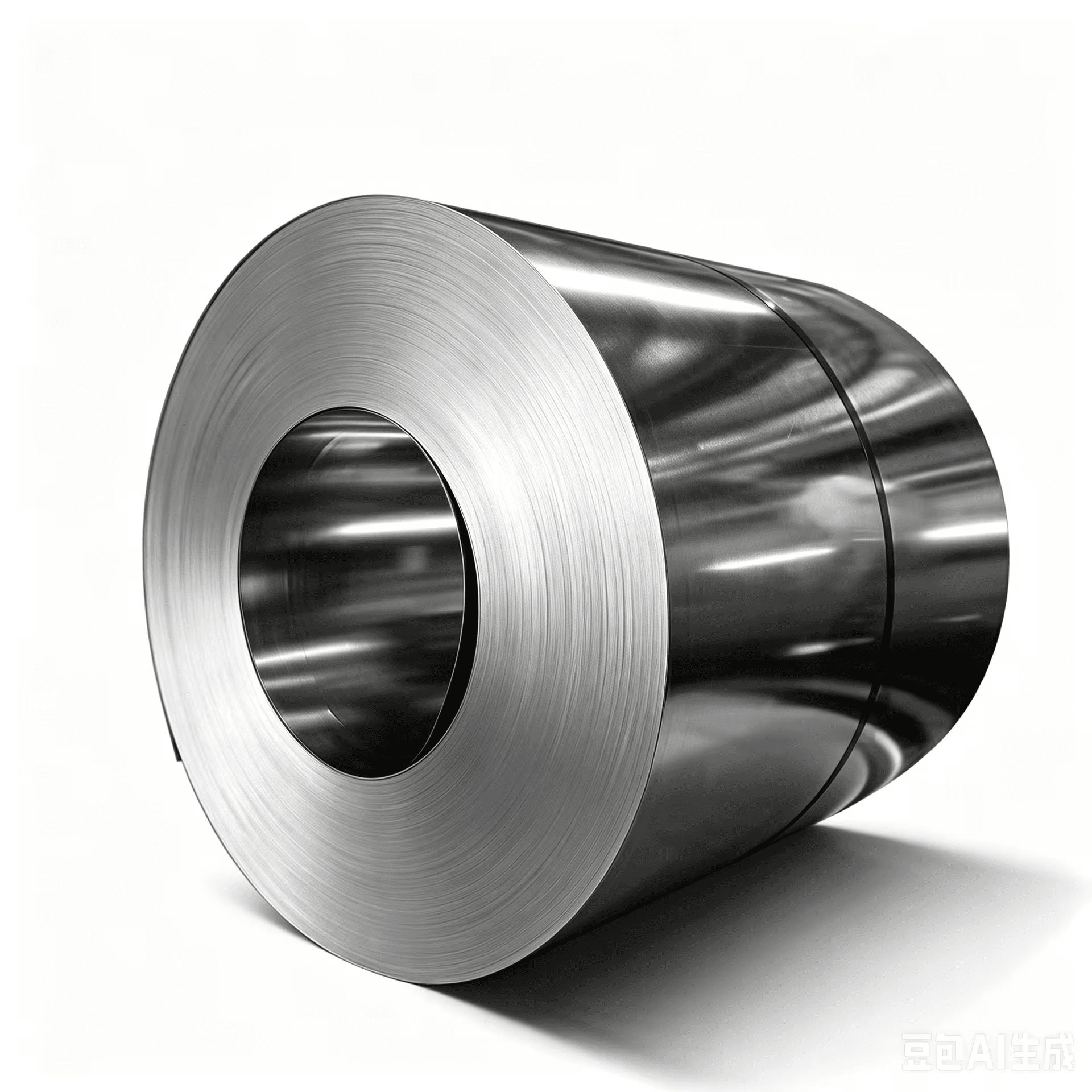
Tinplate for Milk Powder Cans
High-quality tinplate for milk powder can manufacturing, suitable for dairy packaging, nutrition powder packaging, infant formula cans, and other dry powder metal packaging applications. Designed for buyers who need stable quality, recurring specifications, timely supply, strict quality control, and reliable support for long-term industrial production.
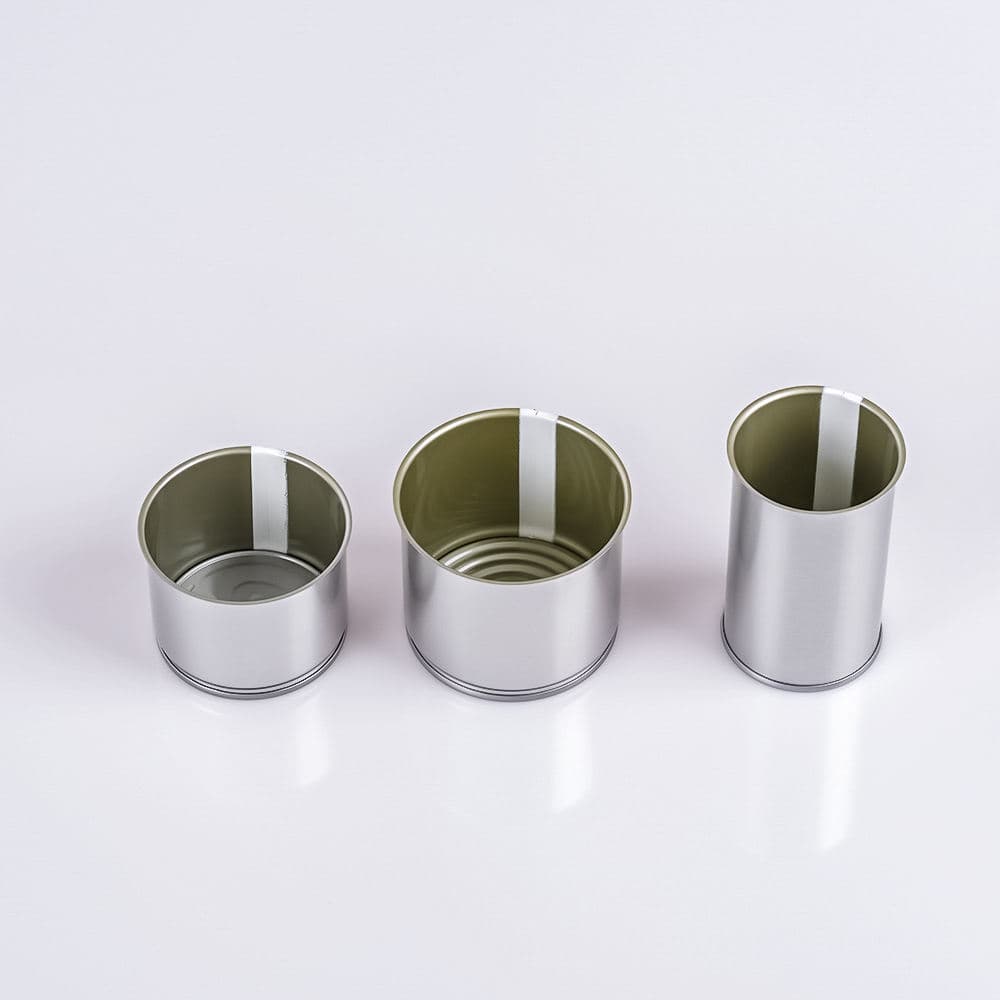
OEM Support for Easy Open Ends and Can Components
OEM-oriented support for easy open ends and related can components, designed for buyers who need recurring dimensions, repeated order coordination, structured long-term supply support, and more practical industrial packaging cooperation.
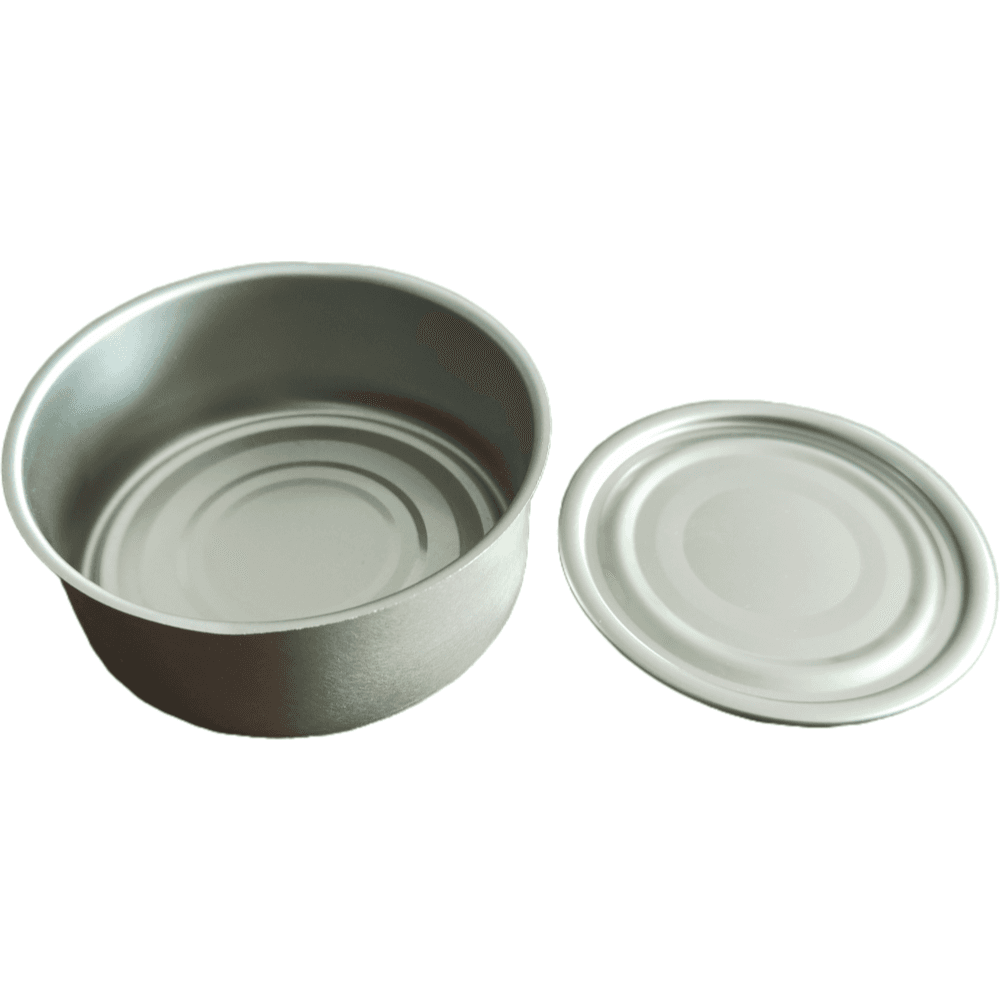
Wet Food Can Component Supply for Repeated Orders
Repeated-order supply support for wet food can components, suitable for tuna, seafood, meat, pet food, and other wet packaging programs that need recurring dimensions, stable delivery coordination, and reliable long-term procurement continuity.
Interested in this product?
Get in touch for more information, pricing, or custom requirements.