
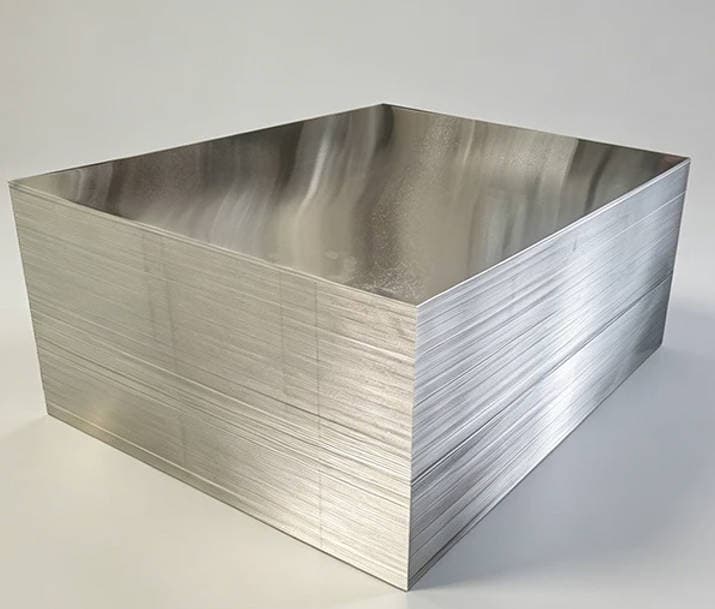
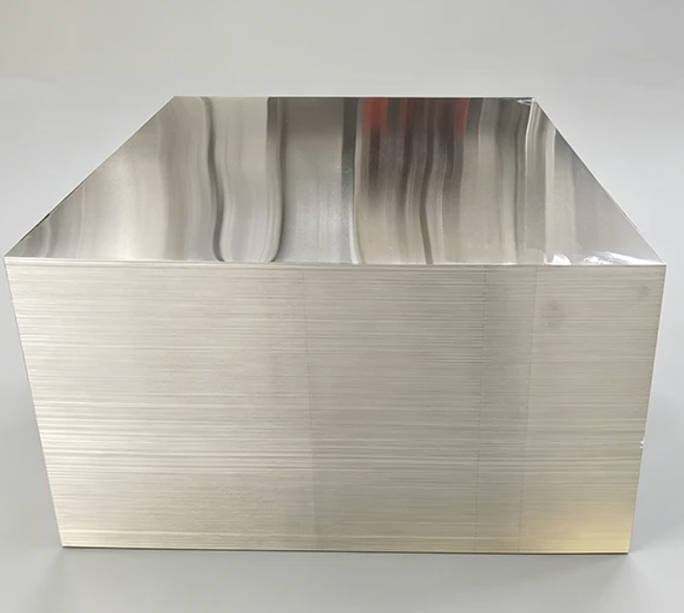
Tinplate for Food Cans
Application
View More
Custom Size TFS Sheets
Tinplate for Sauce and Prepared Food Cans
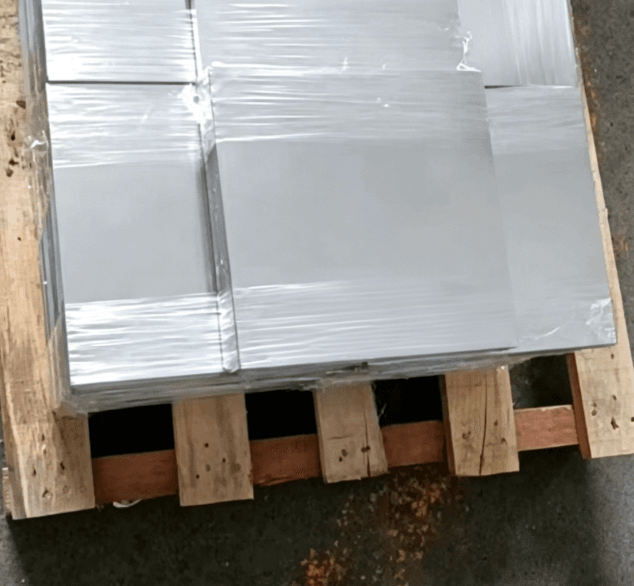
Tinplate for Pet Food Wet Cans
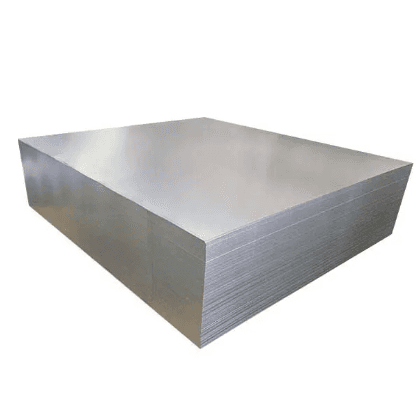
Tinplate for Seafood Cans
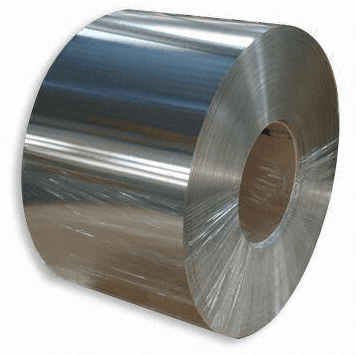
Bulk Stock Supply Support
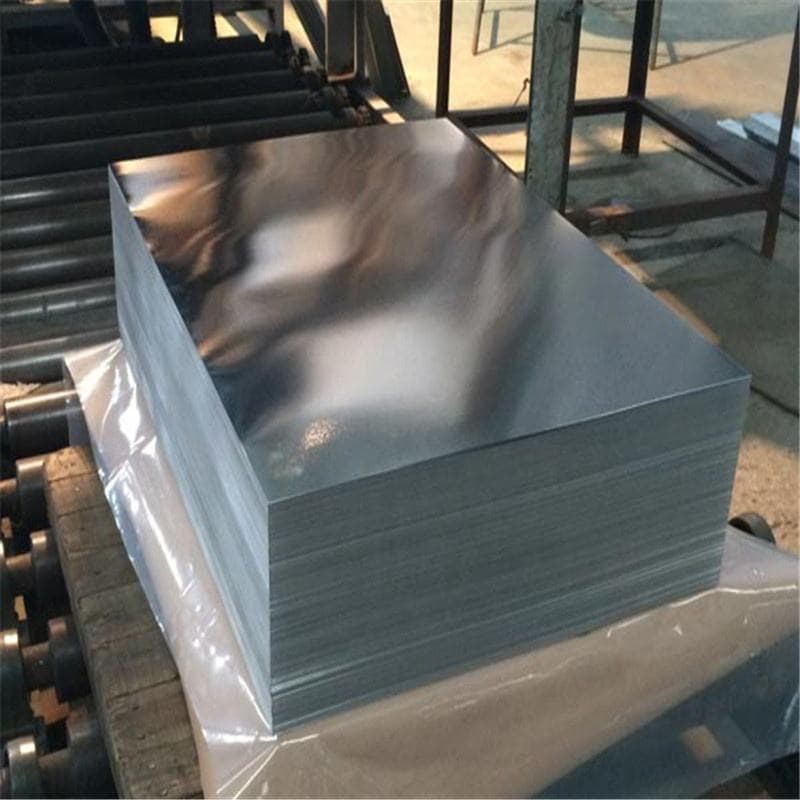
Repeat Size Supply Program
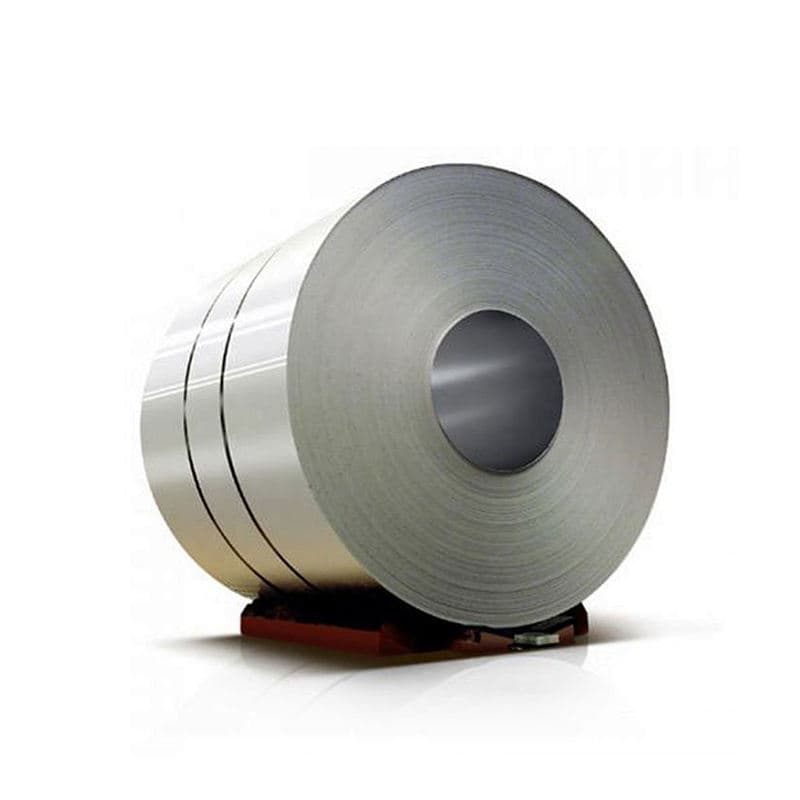
Premium Tinplate for Gift Tins

Premium Tinplate for Tea Tins

Premium Tinplate for Biscuit Tins

Tinplate for Tuna Cans
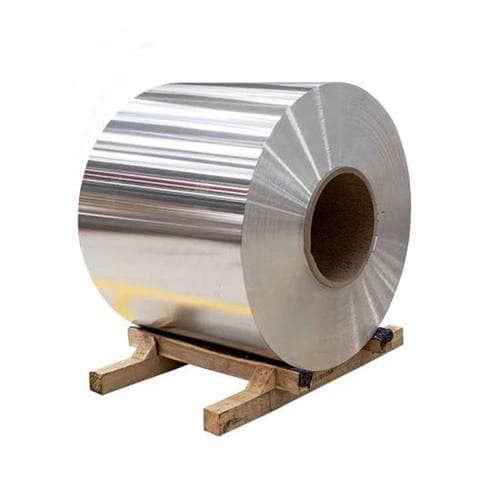
TFS Metal Packaging Steel for Closures
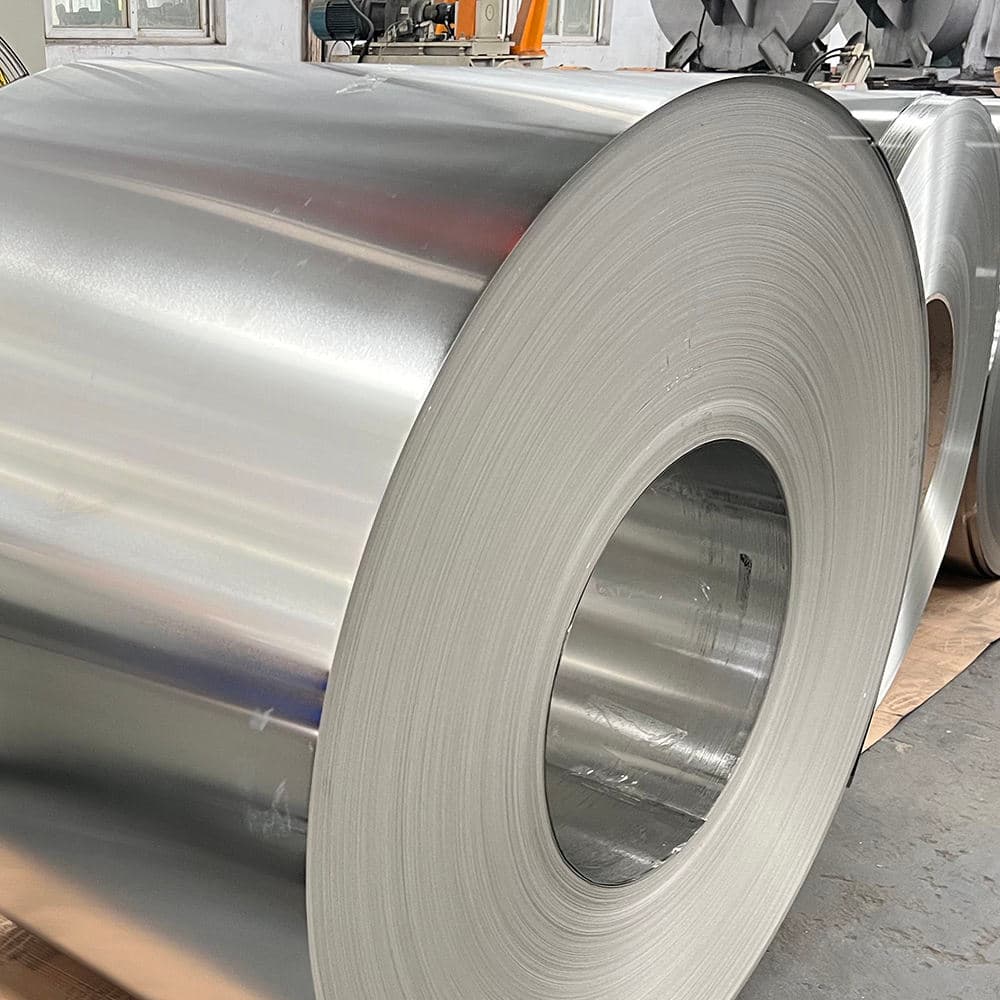
Premium Tinplate for Can Ends
Tinplate for Food Cans with Stable Quality, Timely Supply, and Professional Industrial Support
Tinplate for food cans is one of the most important raw materials in the global metal packaging industry. It is widely used for the production of canned vegetables, fruits, seafood, meat products, sauces, ready-to-eat foods, and other shelf-stable packaging formats where material consistency, corrosion performance, and production reliability are critical.
For professional buyers, food can tinplate is not just a standard metal sheet. It is a packaging material directly linked to product safety, line efficiency, delivery schedules, customer satisfaction, and long-term procurement stability. A problem with the material does not only affect the steel itself. It can affect can-making efficiency, filling schedules, export timing, finished product quality, and even seasonal sales performance.
That is why serious buyers looking for tinplate for food cans usually focus on questions such as:
- Is the material suitable for our can-making and food packaging application?
- Can the supplier maintain stable quality across repeat orders?
- Can recurring sizes and specifications be supported over time?
- Can the supplier deliver on time, especially during busy production periods?
- Can the supplier support bulk orders, quality documents, and practical coordination for export and industrial procurement?
A strong food can tinplate supply program should answer these questions clearly and help buyers reduce operational and supply-chain risk.
What Is Tinplate for Food Cans?
Tinplate for food cans refers to tinplate material used in the manufacturing of food packaging containers and related can-making components. It is typically chosen because it offers a practical balance of strength, formability, surface quality, corrosion resistance, and compatibility with can-making processes.
In food packaging, the material must do more than simply exist as a raw input. It must support the buyer’s actual production and commercial needs, including:
- reliable can production
- stable repeated forming and handling
- practical support for food packaging programs
- recurring supply for standard and repeat specifications
- compatibility with packaging projects requiring controlled quality and timing
For many industrial buyers, this means the supplier must be able to deliver a complete supply solution, not just quote the material.
Why Food Can Manufacturers Choose Tinplate
Tinplate remains one of the most widely used materials in canned food packaging because it can support both packaging performance and industrial production efficiency.
Buyers choose tinplate for food cans because it can help with:
- reliable can body and can component production
- practical material performance in food packaging applications
- efficient handling in can-making lines
- repeat-order supply for ongoing food packaging programs
- flexibility in supply form, including coil and sheet
- broader suitability across different canned food categories
For food packaging buyers, the real value of tinplate is not only in the raw material itself, but in whether the supplier can support the production system around it with consistency and discipline.
Typical Applications of Tinplate for Food Cans
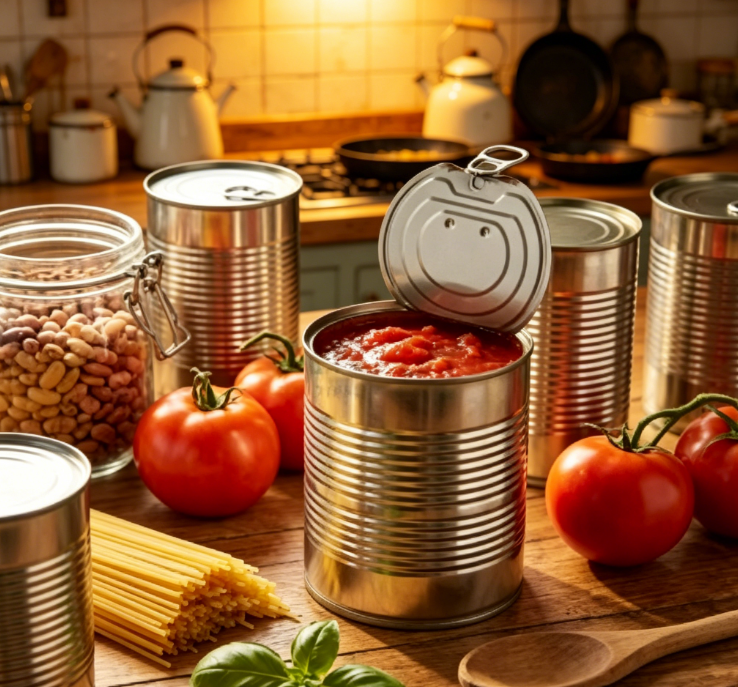
Tinplate for food cans is used across a wide range of food packaging sectors. Depending on the specification, can structure, and downstream process, it is commonly applied in:
Canned Vegetables
Factories producing canned beans, corn, peas, mushrooms, and other vegetables need repeatable material quality and stable supply to support production continuity and shipment schedules.
Canned Fruits
Fruit canning operations often work within tight seasonal processing windows. In this segment, timely material delivery can be just as important as the material itself.
Seafood and Fish Cans
Buyers producing canned tuna, sardines, and other seafood products usually pay close attention to recurring specifications, supply timing, and reliable order planning.
Meat Products and Ready Meals
For canned meat, processed foods, and ready-to-eat packaging, production stability and repeat-order consistency are critical to maintaining a smooth packaging process.
Sauce, Paste, and Specialty Food Packaging
Food can tinplate is also widely used in selected sauce and specialty food applications where dependable packaging steel supply is part of a broader production plan.
Because food can production often involves repeated manufacturing cycles, line-based operations, and ongoing customer commitments, suppliers must support more than a one-time order.
Main Challenges Buyers Face When Sourcing Tinplate for Food Cans
Although tinplate is widely used in food packaging, buyers often face multiple challenges when trying to source it reliably.
1.Inconsistent material quality
A supplier may provide one acceptable batch, but later shipments may vary in sheet quality, surface condition, forming behavior, or overall consistency. This can affect production efficiency and internal quality control.
2.Weak support for repeat specifications
Many food can buyers do not purchase one random size once. They need recurring specifications again and again. If the supplier cannot manage repeat-order discipline, the buyer faces more coordination pressure and procurement risk.
3.Delivery delays during critical production windows
Food packaging programs are often tied to production cycles, customer delivery commitments, and seasonal schedules. Delayed tinplate supply can interrupt the entire packaging chain.
4.Poor communication and weak service
Industrial buyers need more than material. They also need order clarity, follow-up, documentation, and practical communication. If the supplier is slow, unclear, or disorganized, procurement becomes harder.
5.Limited large-order or ongoing supply capability
Some suppliers can handle small orders but struggle with larger recurring demand, especially when the buyer runs multiple SKUs, repeated production lines, or export-driven packaging programs.
6.Lack of confidence in food packaging support
Food can buyers usually want assurance that the supplier understands real food packaging use, recurring industrial needs, and the importance of supply reliability.
These are the reasons buyers often look beyond price alone and focus on whether the supplier can support real packaging operations.
What Buyers Usually Care About Before Ordering
When purchasing tinplate for food cans, professional buyers usually review a combination of material, supply, and service factors.
Material suitability for the intended application
The material must fit the buyer’s actual food can structure, production method, and packaging requirement. A general tinplate offer is not enough if it does not fit real downstream use.
Repeat-order consistency
Food packaging operations depend heavily on repeatability. Buyers want confidence that the same specification can be supplied again with stable quality and order discipline.
Timely supply and practical lead-time control
Food canning and packaging often run on strict schedules. Buyers need suppliers that can respond quickly and deliver on time, especially for ongoing production or urgent replenishment.
Bulk-order support
Many food can manufacturers and packaging distributors purchase in larger volumes. They need reassurance that the supplier can support structured industrial demand, not just occasional inquiry-based shipments.
Quality control and documentation
Buyers often want stronger confidence in inspection, consistency, traceability, and available support for receiving and export documentation.
Service and follow-up
Good service is a core purchasing factor in industrial packaging. Buyers value suppliers that communicate clearly, confirm details carefully, follow orders properly, and support practical problem solving.
A strong supplier should help the buyer reduce uncertainty at every stage, not add to it.
Our Advantages in Tinplate for Food Cans Supply
We supply tinplate for food cans with a focus on production stability, recurring demand support, timely delivery, and stronger industrial service.
Stable Supply for Ongoing Food Packaging Programs
Food can manufacturers usually work with ongoing production schedules, repeated sizes, and recurring order structures. We understand that the real value of supply lies in continuity and repeat support, not only in one shipment.
Timely Supply and Delivery Coordination
For food can buyers, timing is often critical. A delay in material can affect can-making, filling, export timing, and downstream customer delivery. We place strong emphasis on timely supply, practical coordination, and follow-up that helps reduce production pressure.
Capacity Support for Bulk and Repeated Orders
Industrial food packaging buyers often need large-volume support and repeated replenishment. We focus on serving this type of order structure with stronger organization and practical scalability.
Quality Control That Supports Real Production
Quality in food can tinplate is not only about material compliance. It is also about supplying material that supports smooth repeated production, stable can-making operations, and better internal control from shipment to shipment.
Experience Supporting Large Buyers and Structured Programs
Buyers managing multiple packaging programs, larger annual demand, or repeated industrial procurement usually need more than a small-supplier response model. We focus on serving buyers that need continuity, structured order support, and consistent execution.
Service That Reduces Procurement Risk
We believe service is part of the product value. Fast response, practical communication, order tracking, timing support, and after-sales follow-up all help buyers reduce risk in food packaging procurement.
How Our Tinplate for Food Cans Helps Buyers Improve Operations
A practical tinplate supply arrangement for food cans should help buyers do more than secure raw material. It should also improve the broader packaging process.
Our food can tinplate supply can help buyers:
- support smoother can-making schedules
- improve repeat-order planning
- reduce risk in seasonal or time-sensitive production periods
- simplify coordination for recurring specifications
- support better cooperation between purchasing, warehouse, and production teams
- reduce disruptions caused by weak supplier follow-up
- build stronger confidence in long-term food packaging procurement
For many food can buyers, reliable supply is not only a purchasing advantage. It is a production advantage and, in many cases, a commercial advantage.
Suitable Buyer Types
This product is especially suitable for:
- food can manufacturers
- canned vegetable producers
- canned fruit packaging factories
- seafood and fish can manufacturers
- meat can packaging producers
- industrial can-making plants
- food packaging distributors
- importers managing recurring food can material demand
- buyers handling bulk tinplate orders for food packaging
- factories seeking stable long-term food can supply partners
If the priority is stable material quality, repeat-order continuity, timely supply, and stronger service support, tinplate for food cans is often the right product category.
Customization and Supply Support
Food can buyers often need more than a standard material quote. Different factories and packaging programs require different supply arrangements.
Depending on the order structure and packaging use, support can be discussed around:
- recurring food can specifications
- custom supply dimensions
- bulk order planning
- repeated replenishment arrangements
- export packing requirements
- shipment coordination
- ongoing supply support for structured industrial demand
- order planning for busy production periods
The more clearly the buyer defines their production rhythm and packaging use, the more effectively the supply program can be matched to their real needs.
Why Tinplate for Food Cans Pages Matter for Search and Buyer Intent
Industrial buyers often search not only for "tinplate for food cans," but also for related procurement questions such as:
- tinplate for canned food
- food can tinplate supplier
- food grade tinplate for cans
- tinplate for vegetables cans
- tinplate for seafood cans
- tinplate for milk powder cans
- reliable tinplate supplier for food packaging
- bulk tinplate for food cans
- export tinplate for food packaging
- can-making tinplate supplier
This means a strong product page should do more than mention the product. It should also answer the buyer’s real concerns around application fit, repeat supply, quality control, bulk-order support, timely delivery, and supplier reliability.
That is what makes the page useful both for search visibility and for real purchasing decisions.
Frequently Asked Questions
What is tinplate for food cans used for?
It is widely used for canned vegetables, fruits, seafood, meat products, sauces, ready meals, and other food packaging applications that require reliable metal can material.
Why do buyers choose tinplate for food cans?
Because it supports can-making, practical packaging performance, recurring industrial supply, and stable production programs across a wide range of food categories.
Is this product suitable for repeated industrial orders?
Yes. It is especially suitable for buyers managing ongoing food packaging demand, repeat specifications, and recurring production cycles.
Can you support bulk tinplate orders for food can manufacturers?
Yes. This product is suitable for buyers requiring bulk supply, repeated replenishment, and more structured food packaging procurement.
Why is timely supply important in food can packaging?
Because food packaging production often operates on fixed schedules, seasonal windows, and downstream customer commitments. Delayed material can disrupt the full production plan.
Can this product be used for seafood and tuna can applications?
Yes. Tinplate for food cans is commonly used in seafood and fish can packaging, depending on the buyer’s specific production and packaging requirements.
What should buyers confirm before placing an order?
Buyers should confirm application type, required specification, order volume, repeat-order needs, packing requirements, and target delivery schedule.
Do you provide service support beyond the material itself?
Yes. Good industrial supply includes communication, timing coordination, order follow-up, shipment support, and practical service that helps buyers reduce procurement risk.
Why is repeat-order consistency important for this product?
Because food can manufacturers depend on stable recurring specifications to maintain production efficiency, packaging consistency, and internal quality control.
---
We can discuss a more practical tinplate solution for your real production and purchasing needs.
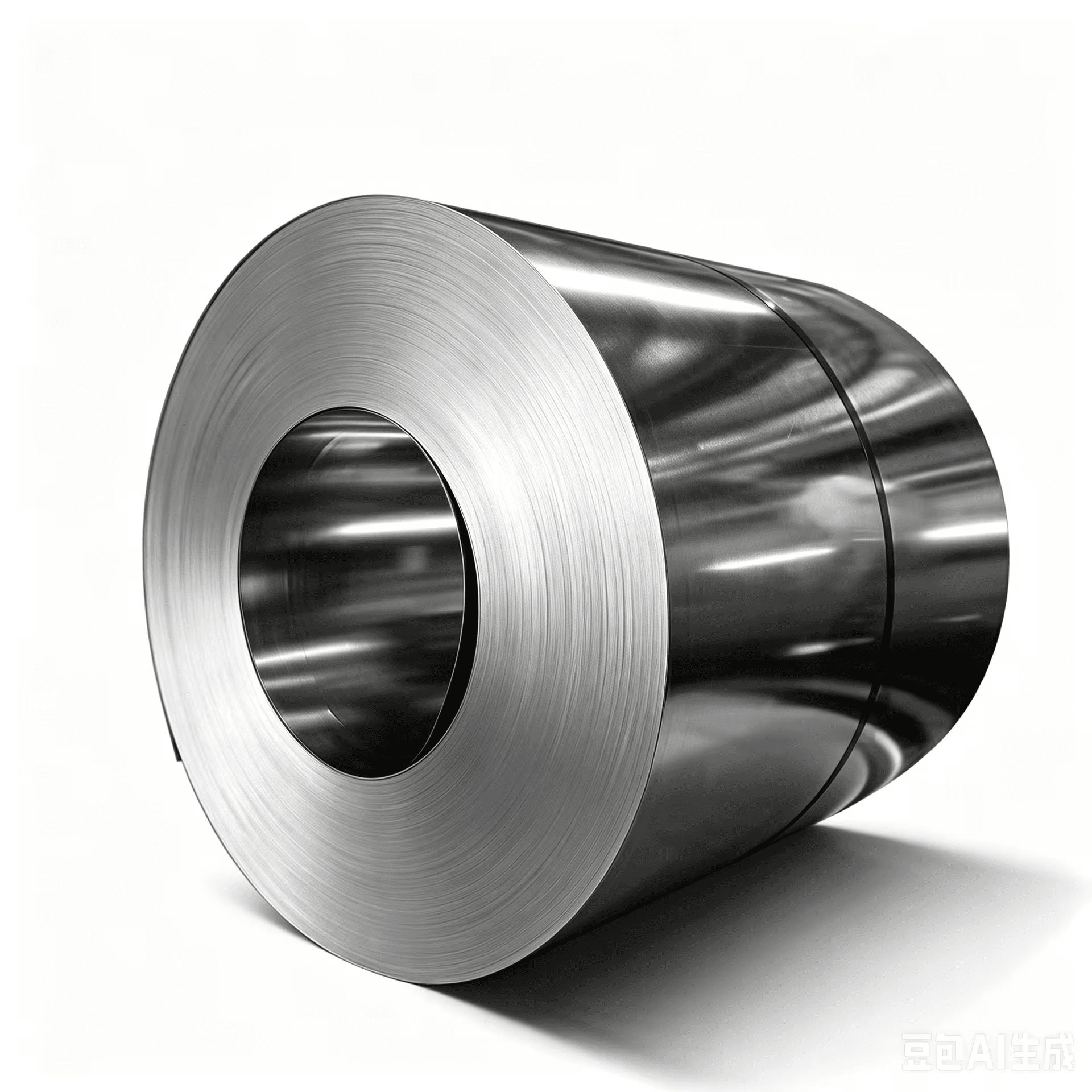
Tinplate for Milk Powder Cans
High-quality tinplate for milk powder can manufacturing, suitable for dairy packaging, nutrition powder packaging, infant formula cans, and other dry powder metal packaging applications. Designed for buyers who need stable quality, recurring specifications, timely supply, strict quality control, and reliable support for long-term industrial production.
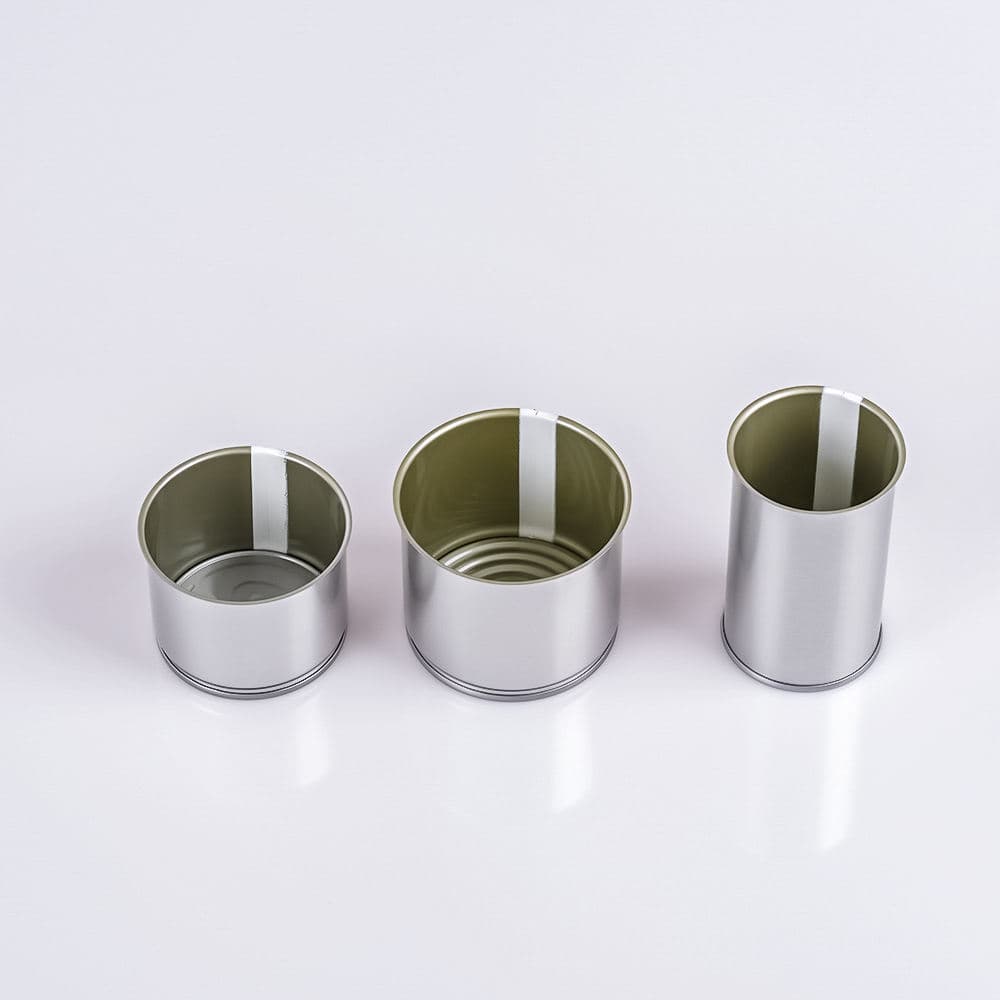
OEM Support for Easy Open Ends and Can Components
OEM-oriented support for easy open ends and related can components, designed for buyers who need recurring dimensions, repeated order coordination, structured long-term supply support, and more practical industrial packaging cooperation.
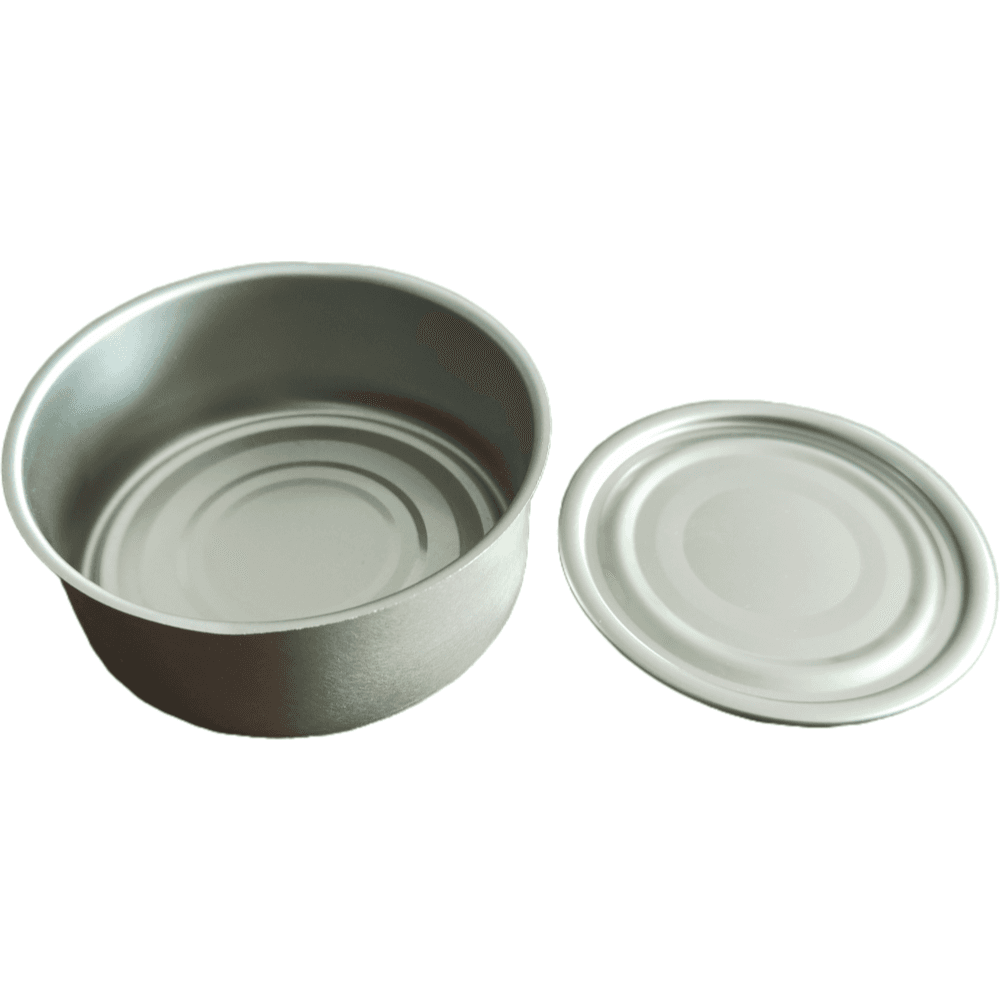
Wet Food Can Component Supply for Repeated Orders
Repeated-order supply support for wet food can components, suitable for tuna, seafood, meat, pet food, and other wet packaging programs that need recurring dimensions, stable delivery coordination, and reliable long-term procurement continuity.
Interested in this product?
Get in touch for more information, pricing, or custom requirements.