
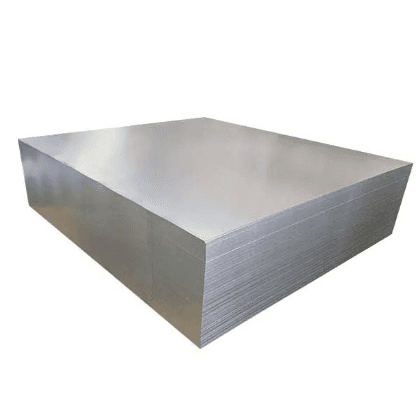
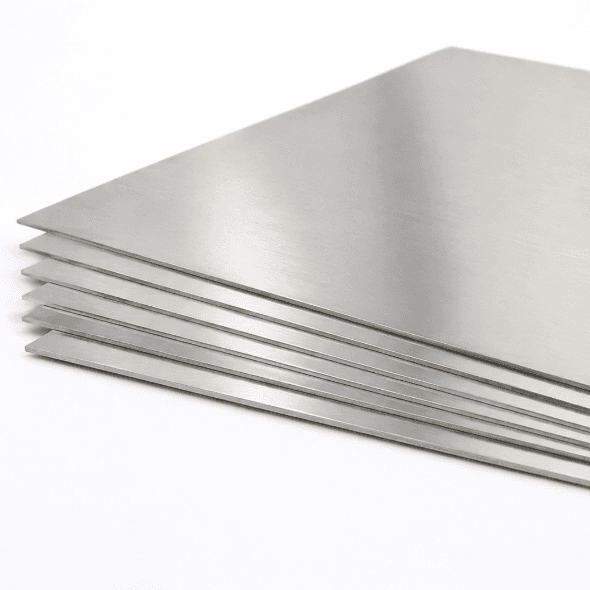
Tinplate for Seafood Cans
Tinplate for Seafood Cans with Stable Quality, Timely Supply, and Reliable Long-Term Support for Repeated Industrial Packaging
Tinplate for seafood cans is widely used in metal packaging systems for tuna, sardines, mackerel, shellfish, and other canned seafood applications where recurring dimensions, stable material quality, and stronger delivery discipline all matter. In many seafood packaging operations, material procurement is closely linked to repeated production schedules, filling cycles, export timing, and seasonal supply planning.
For serious B2B buyers, seafood can tinplate is not simply a raw material. It is a production-critical packaging input. If supply is delayed, recurring dimensions are unstable, or repeat-order support is weak, the impact can extend from can-making into filling schedules, stock planning, shipment timing, and customer delivery performance. That is why buyers sourcing tinplate for seafood cans usually care about:
● recurring specification support
● stable repeat-order quality
● timely supply during repeated production cycles
● bulk support for long-term packaging demand
● quality control for repeated can-making use
● stronger communication during recurring industrial procurement
A strong tinplate supply arrangement for seafood cans should help buyers reduce risk across both production and delivery planning.
What Is Tinplate for Seafood Cans?
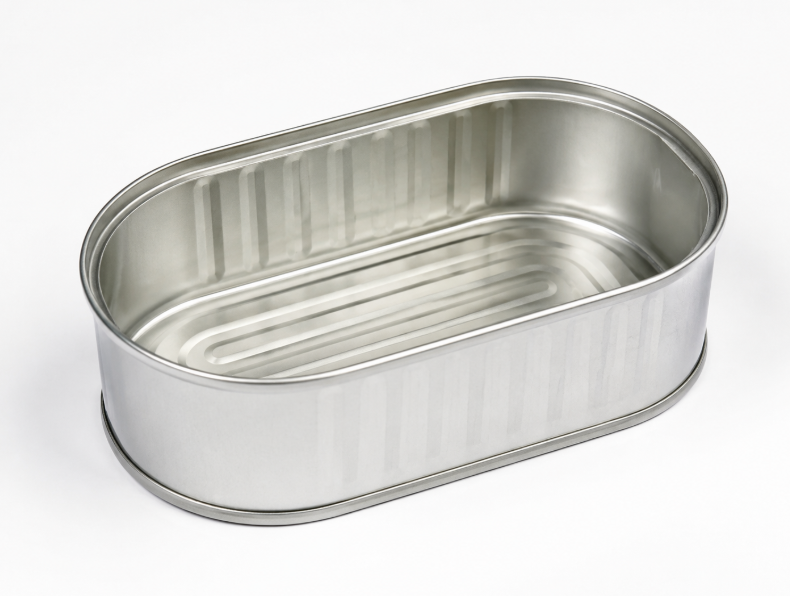
Tinplate for seafood cans refers to tinplate material supplied for the manufacturing of canned seafood packaging systems. It is commonly selected because it supports practical can-making, repeated industrial production, recurring dimensions, and stronger long-term supply continuity.
Compared with some more general food packaging applications, seafood packaging often involves:
● more time-sensitive production schedules
● repeated recurring can formats
● stronger replenishment discipline
● export-oriented logistics planning
● recurring supply pressure during active seasons
That is why seafood can buyers often prefer suppliers that understand both the material category and the operational demands behind recurring seafood packaging programs.
Typical Applications
Tinplate for seafood cans is commonly used in:
Tuna Cans
A major recurring seafood packaging category where repeated dimensions and stable supply continuity matter greatly.
Sardine and Mackerel Cans
For repeated industrial seafood packaging programs where canning schedules and recurring replenishment are important.
Shellfish and Specialty Seafood Packaging
For selected seafood products where recurring packaging formats and supply discipline are required.
Repeated Wet Food Packaging Programs
For industrial packaging systems with recurring can-making needs and long-term production continuity. Because seafood packaging often operates on recurring industrial cycles, buyers usually value suppliers that can support repeated execution over time rather than simply quote one order quickly.
What Buyers Usually Care About Before Ordering
When evaluating tinplate for seafood cans, buyers usually focus on:
Application suitability
The material must fit the actual seafood can structure, production requirements, and downstream packaging workflow.
Repeat-order consistency
Seafood can buyers often rely on repeated can formats and long-term recurring demand, so supply continuity matters a lot.
Timely delivery
Because seafood packaging often works under time-sensitive production and shipment schedules, delivery discipline is especially important.
Bulk and long-term support
Many buyers need suppliers that can support recurring industrial demand and structured long-term procurement.
Quality discipline
The supplier must support repeated can-making use with stronger material control and recurring order stability.
Service and communication
Recurring specification support, order follow-up, shipment coordination, and after-sales response all matter in long-term seafood packaging procurement. A stronger supplier should help buyers improve long-term packaging continuity rather than introduce new uncertainty into the supply system.
Our Advantages in Supplying Tinplate for Seafood Cans
We supply tinplate for seafood cans with a focus on recurring industrial demand, timely delivery, repeated specification support, and stronger long-term service.
Stable Supply for Repeated Seafood Packaging Programs
Many seafood can buyers work with recurring dimensions and repeated production schedules. We understand that continuity is one of the most important parts of supplier value in this category.
Timely Delivery for Production-Critical Orders
Seafood packaging often involves more time-sensitive scheduling. We emphasize timely delivery and practical order coordination to reduce disruption in recurring programs.
Capacity Support for Bulk and Long-Term Orders
Many buyers in this sector need recurring supply rather than isolated orders. We focus on serving larger repeated demand with stronger continuity and better execution.
Quality Control That Supports Repeated Production
Quality here means helping buyers maintain confidence across repeated can-making and long-term seafood packaging use.
Service That Supports Long-Term Procurement
Recurring specification support, shipment coordination, order tracking, and after-sales follow-up all contribute to stronger long-term seafood can procurement.
Why This Product Matters for B2B Buyers
For B2B buyers, tinplate for seafood cans often supports repeated industrial packaging programs rather than one-time purchasing. A dependable supplier can help buyers:
● improve recurring order confidence
● reduce disruption in repeated seafood canning schedules
● support stronger long-term production planning
● simplify recurring order coordination
● lower internal procurement pressure over repeated cycles
That is why serious buyers usually compare seafood can tinplate suppliers based on recurring production fit, not only price.
Technical Data & Supply Range
The following information provides a practical overview of our tinplate supply for seafood can manufacturing. Final specification should be selected according to can structure, recurring dimensions, production rhythm, and long-term packaging planning.
| Item | Description |
|---|---|
| Material | Electrolytic Tinplate |
| Supply Form | Coil / Sheet / Cut-to-Length |
| Thickness Range | 0.12 mm – 0.55 mm |
| Width Range | 700 mm – 1250 mm |
| Standard Sheet Size | 600~1200mm |
| Temper | T2 / T2.5 / T3 / T4 / T5 |
| Tin Coating | 2.8/2.8, 5.6/5.6, 8.4/8.4, |
| Surface Finish | Bright / Stone / Silver / Matte |
| Surface Treatment | Plain / Lacquered |
| Main Applications | Tuna cans, sardine cans, mackerel cans, shellfish packaging, recurring seafood can production |
| Customization | Available based on production requirement |
| Repeat Order Support | Available |
| Bulk Supply Support | Available |
| Quality Documents | Available upon request |
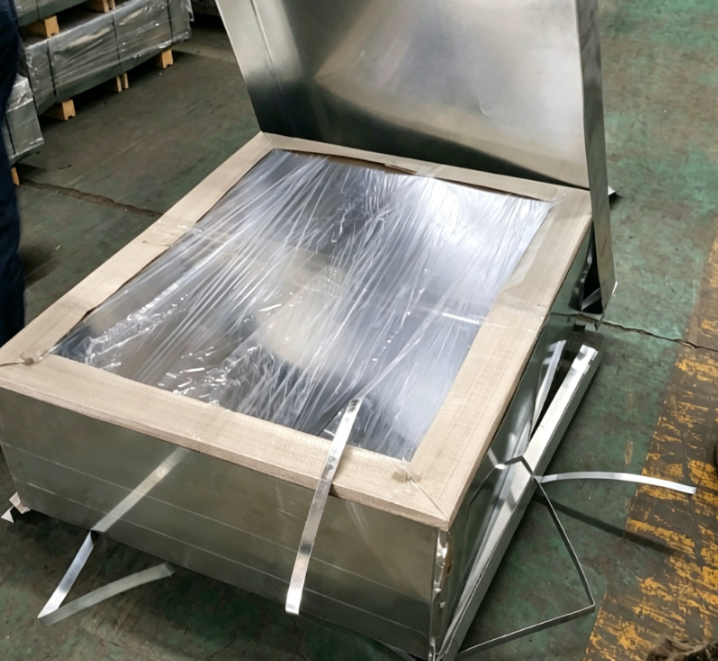
| Export Packing | Available for industrial and export shipment |
Why Buyers Check These Specifications
| Specification | Why It Matters to Buyers |
|---|---|
| Thickness | Affects repeated can-making performance and structural stability |
| Width / Sheet Size | Helps improve material readiness and recurring size continuity |
| Temper | Important for repeated forming and production compatibility |
| Tin Coating | Relevant to seafood packaging fit and repeated industrial use |
| Supply Form | Determines how well the material fits actual factory operations |
| Repeat Order Support | Critical for recurring seafood packaging demand |
Available Grades, Supply Forms, and Customization Notes
Tinplate for seafood cans is usually selected by buyers who need recurring packaging sizes, repeated canning support, and stronger long-term supply continuity. That is why grades, supply forms, and customization support should be discussed according to actual recurring industrial use rather than general stock availability alone.
Available Supply Forms
Depending on the buyer’s production setup and recurring order structure, seafood can tinplate can usually be discussed in:
● tinplate coil
● tinplate sheet
● cut-to-length sheets
● repeated size supply programs
The preferred format often depends on whether the buyer prioritizes internal processing flexibility, recurring can sizes, or more production-ready material for long-term packaging use.
Available Grades and Production Fit
Grades and temper options should be selected according to the actual seafood can structure, repeated production conditions, and long-term supply continuity requirements. Buyers usually care most about whether the same material combination can be maintained consistently across repeated orders.
Customization Notes
Customization may include:
● recurring widths
● repeated sheet sizes
● recurring order planning
● support for repeated seafood packaging programs
● better coordination for long-term industrial procurement
A stronger supplier should be able to support both standard seafood can tinplate demand and more structured recurring packaging programs.
Frequently Asked Questions
What is tinplate for seafood cans used for?
It is widely used for tuna cans, sardine cans, mackerel cans, shellfish packaging, and other recurring seafood can production programs.
Why do buyers choose tinplate for seafood cans?
Because it supports recurring industrial demand, repeated can sizes, and stronger long-term packaging continuity.
Is this product suitable for repeat industrial orders?
Yes. It is especially suitable for buyers managing recurring seafood packaging programs and repeated can-making cycles.
Can you support bulk orders for seafood can manufacturers?
Yes. This product is suitable for bulk supply, repeated replenishment, and structured industrial procurement.
Why is timely delivery important in seafood can procurement?
Because seafood packaging often works under time-sensitive production and shipment schedules, and delayed material can affect the full packaging plan.
Do you provide service support beyond material supply?
Yes. We provide recurring specification support, shipment coordination, order tracking, and after-sales follow-up.
---
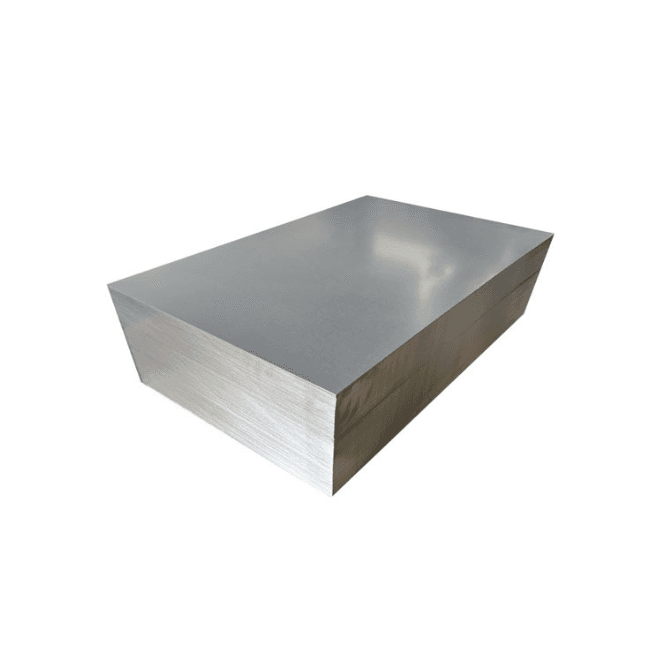
Tinplate for Sauce and Prepared Food Cans
High-quality tinplate for sauce cans, prepared food cans, and related repeated wet food packaging applications. Designed for buyers who need stable quality, recurring specifications, timely supply, and reliable long-term support for repeated industrial production.
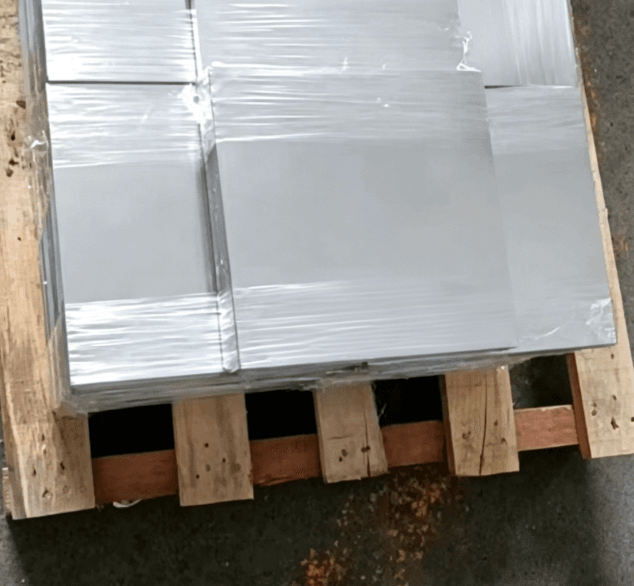
Tinplate for Pet Food Wet Cans
High-quality tinplate for pet food wet can manufacturing, suitable for dog food cans, cat food cans, and other repeated wet pet food packaging programs. Designed for buyers who need stable quality, recurring specifications, timely supply, and reliable long-term support for repeated industrial production.
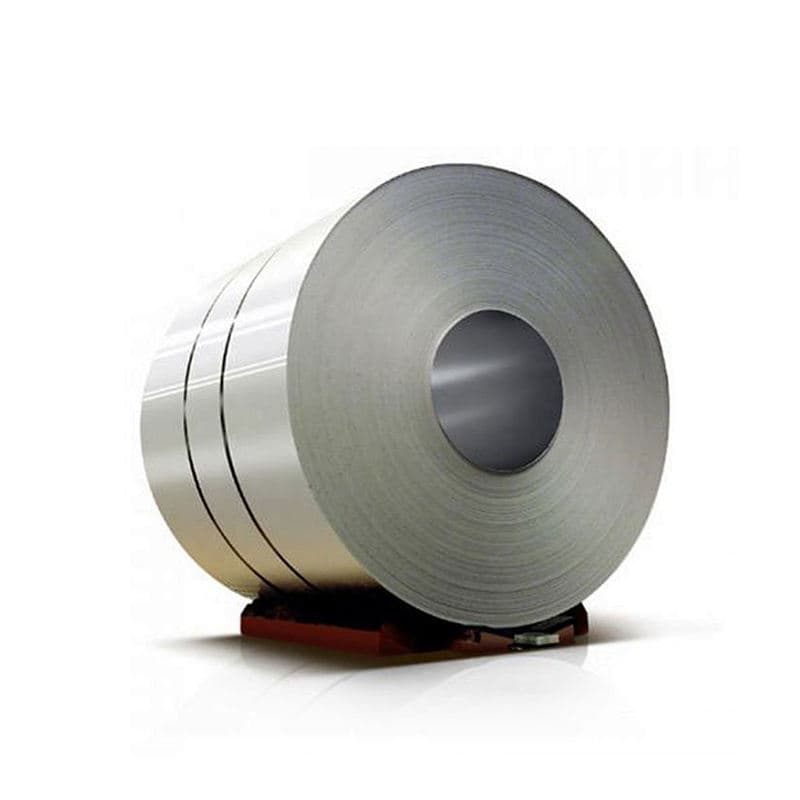
Premium Tinplate for Gift Tins
High-quality tinplate for gift tin manufacturing, suitable for premium food packaging, tea gift packaging, confectionery tins, festive packaging, promotional tins, and decorative retail metal boxes. Designed for buyers who need stable quality, repeatable dimensions, timely supply, and reliable support for recurring decorative packaging programs.
Interested in this product?
Get in touch for more information, pricing, or custom requirements.