

Custom Tinplate and Easy Open End Solutions for Efficient Metal Packaging
Introduction: Overcoming Procurement Challenges in Metal Packaging
For procurement managers and packaging engineers, sourcing metal packaging materials shouldn't feel like negotiating a maze. Yet the reality is stark: inflated minimum order quantities force you into standard can sizes you don't need, low-ball quotes from unverified metal packaging materials suppliers mask hidden logistics and quality costs, and finding a partner who can deliver custom size easy open lids alongside tinplate coils for manufacturing often means juggling four different vendors across three time zones. The friction is real, and it eats into your margins.
The solution lies in working with an integrated supplier that eliminates these barriers at the source. Rather than accepting rigid catalog specifications, forward-thinking buyers are partnering with suppliers who offer custom printed tin cans, precision-cut tinplate scroll cutting sheets, and tailored easy open ends—all without the punitive MOQ thresholds that inflate inventory and tie up working capital. This approach transforms packaging procurement from a recurring bottleneck into a strategic advantage.
Key Pain Points in Metal Packaging Procurement
Procurement teams consistently report three friction points that erode efficiency and inflate total cost of ownership. Understanding these challenges is the first step toward solving them.
MOQ Barriers That Dictate Your Production Line. When a three-piece tin can manufacturer or two-piece metal can supplier imposes rigid minimums, you're forced into pre-determined can dimensions that may not align with your filling line or market demand. The result is either costly rework, excess warehousing, or writing off obsolete inventory. A round metal can supplier that offers dimensional flexibility without volume penalties changes the equation entirely. Buyers who understand how to compare tinplate prices without falling into bad procurement traps quickly recognize that a slightly higher unit price with zero MOQ waste often delivers far lower total cost.
Deceptive Quotations That Conceal True Costs. An attractively low quote for tinplate coil, easy open ends, or steel can lids can be dangerously misleading. Inferior substrate quality, inconsistent temper grades, or hidden freight surcharges turn apparent savings into production downtime and rejected batches. When evaluating a tinplate coil supplier, tin free steel supplier, or EOE lid supplier, the quoted figure means nothing without a clear view of material certification, slitting tolerances, and delivery terms. Sophisticated buyers now apply the frameworks discussed in how to compare mill-source traders and processing suppliers for tinplate orders to ensure like-for-like evaluations.
Fragmented Supply Chains That Multiply Risk. Sourcing electrolytic tinplate sheet from one vendor, chromium coated steel coil from another, and custom easy open lids from a third creates coordination overhead that compounds with every shipment. A single delay from any link disrupts your entire production schedule. Learn more about what causes tinplate lead time delays and how buyers can reduce the risk to understand why consolidation with a capable metal packaging components supplier often cuts total lead time by two weeks or more.
Comprehensive Product Solutions for Your Packaging Needs
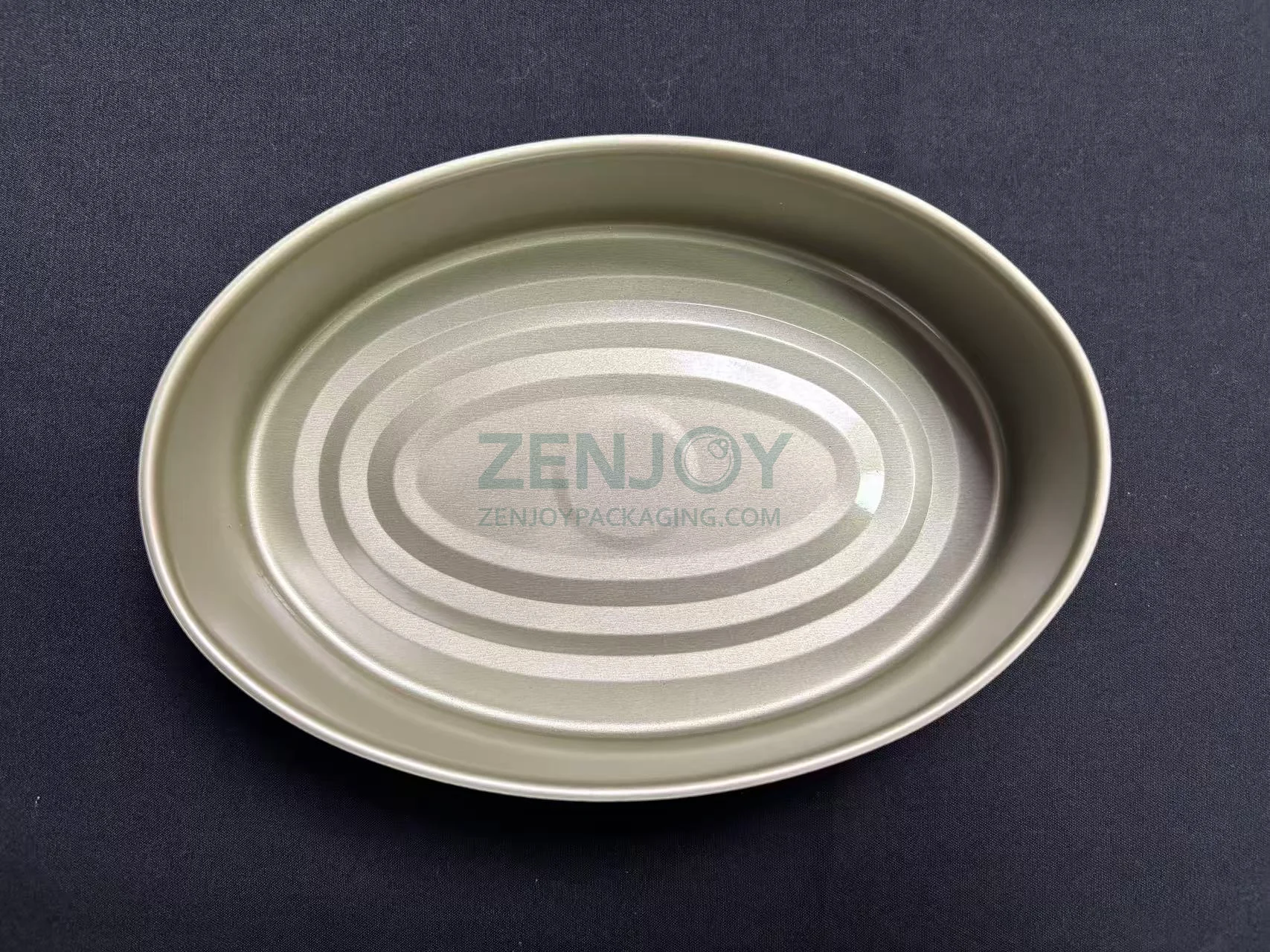
An integrated packaging partner should offer the full spectrum of metal packaging inputs under one roof. Here's what best-in-class supply looks like:
Tinplate Scroll Cutting Sheets and Slitted Coils. Whether you need tinplate coils for manufacturing can bodies or precision-cut sheets for high-speed welding lines, a dedicated tinplate sheet supplier should deliver custom dimensions—thickness, width, and temper—matched to your exact can-making specifications. Slitted coils from a reliable tinplate coil supplier arrive edge-conditioned and ready for your bodymaker, eliminating additional processing steps.
TFS (Tin Free Steel) Solutions. For ends, lids, and applications requiring superior lacquer adhesion, tin free steel sheets offer a chromium-coated alternative with excellent corrosion resistance and cost advantages. A qualified tin free steel sheet supplier provides TFS in scroll-cut formats that integrate seamlessly with your end-making presses. The chromium coated steel coil option is particularly valuable for can lid manufacturers producing high-volume runs where coating consistency directly impacts seaming performance.
Custom Easy Open Ends and Steel Can Lids. Off-the-shelf lids constrain your packaging design. A specialized easy open end supplier and EOE lid supplier should offer custom size easy open lids engineered for your specific product—whether that's a tuna can supplier requiring precise peel force, a meat can supplier needing robust double-seam integrity, or a milk can supplier demanding ultra-clean opening characteristics. Full-aperture and partial-aperture configurations across multiple diameters ensure your steel can lids perform exactly as required on the filling line.
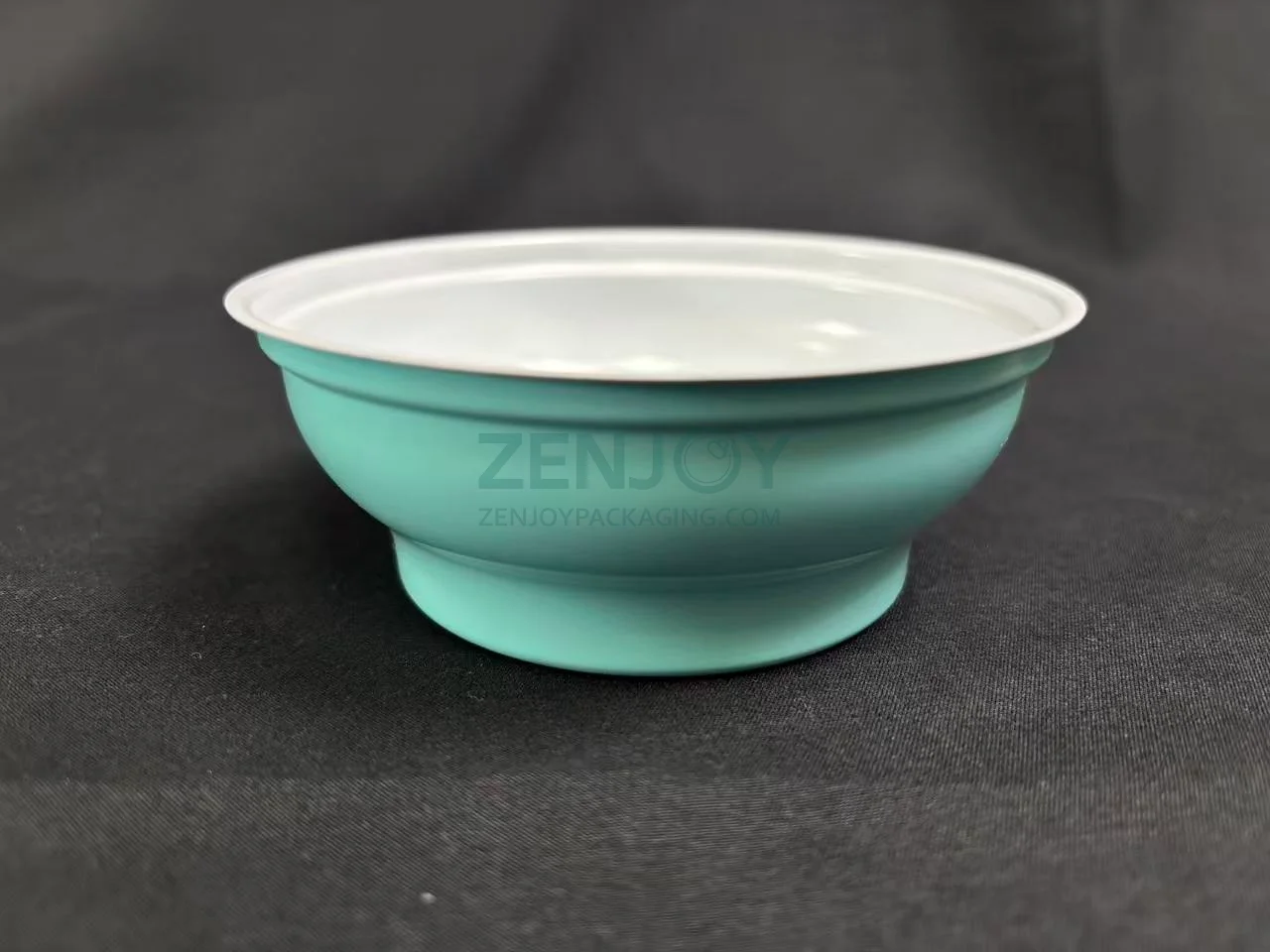
Three-Piece and Two-Piece Metal Cans. From three-piece tin can manufacturers producing welded side-seam cans in round and irregular shapes to two-piece can suppliers delivering drawn and wall-ironed (DWI) formats, full customization capability matters. A versatile three-piece can supplier and round metal can supplier should offer variable heights, diameters, and neck-in configurations without tooling amortization penalties that make short runs uneconomical. Custom printed tin cans with high-resolution lithography complete the package, turning your container into a shelf-differentiating asset.
Tinplate Claw-Type Twist-Off Lids. For jar sealing applications in sauces, pickles, and preserved foods, precision-manufactured claw-type twist-off lids from a tinplate can lid manufacturer provide reliable hermetic seals with consistent opening torque. These integrate with existing capping equipment and are available with custom coatings tailored to your product's acidity profile.
Industry Trends and Sustainable Packaging
The global shift toward sustainable packaging has thrust metal—particularly tinplate and TFS—into the spotlight. Unlike alternative materials that degrade during recycling, metal packaging is infinitely recyclable without loss of structural integrity. This aligns directly with circular economy mandates and increasingly stringent extended producer responsibility (EPR) regulations.
Procurement teams sourcing from a metal packaging containers supplier that prioritizes material efficiency gain both environmental credentials and cost benefits. Advances in coil slitting technology and scroll cutting optimization from an experienced metal packaging materials supplier reduce skeletal waste by up to 8%, directly lowering per-unit material costs. An electrolytic tinplate sheet supplier with modern processing lines can deliver tighter gauge tolerances, enabling lightweighting without compromising can body performance—a sustainability win that simultaneously improves margins.
Success Stories: Real ROI from Integrated Packaging Suppliers
The most compelling evidence comes from buyers who have already made the switch. A mid-sized food manufacturer previously sourced tinplate coils from one vendor, easy open ends from a second, and three-piece welded cans from a third. Each supplier operated on different lead times, different payment terms, and different quality specifications. By consolidating with a single metal packaging components supplier, they reduced total packaging costs by 12% and compressed lead times by 20%—gains that flowed directly to the bottom line. The streamlined shipping coordination eliminated three separate freight events per order cycle.
Another processor eliminated recurring MOQ penalties that had been inflating their per-unit lid cost by nearly 15%. Working with a can lid manufacturer and EOE lid supplier that offered flexible production scheduling, they achieved 99.8% on-time delivery across twelve consecutive months while transitioning to fully customized printed cans. As detailed in Ahmed Hassan's procurement experience, the administrative burden of managing multiple supplier relationships dropped dramatically, freeing his team to focus on strategic sourcing initiatives rather than expediting and quality disputes.
The pattern is consistent: integrated suppliers that combine tinplate coil processing, TFS sheet supply, custom easy open end manufacturing, and can production under one quality management system deliver lower total cost, faster turnaround, and measurably better consistency than fragmented supply chains.
Conclusion: Streamline Your Supply Chain with a Trusted Partner
The case for consolidation is clear. Working with a supplier that removes MOQ barriers, delivers the full product range—from tinplate scroll cutting sheets and chromium coated steel coil to custom size easy open lids and three-piece tin cans—and provides genuine customization without penalty fundamentally changes your packaging economics. Lower total cost, faster time to market, and fully recyclable packaging solutions aren't competing priorities; they're the natural outcome of a well-structured supplier relationship.
Whether you're evaluating a new tinplate sheet supplier, seeking a responsive easy open end supplier for a product launch, or qualifying a two-piece metal can supplier for an existing line, the right partnership transforms procurement from a cost center into a strategic lever. For a detailed discussion of your specific requirements, reach out to our team for a consultation.
Related News
Other news you might be interested in
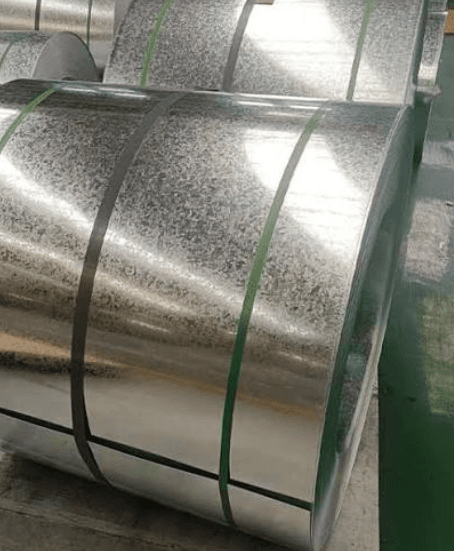
Tinplate Sheet: Uses, Specifications, and Buying Guide for Can Making
Tinplate sheet is used for food cans, paint cans, aerosol cans, lids, ends, and printed metal packaging. Learn key uses, specifications, and buying tips before ordering.
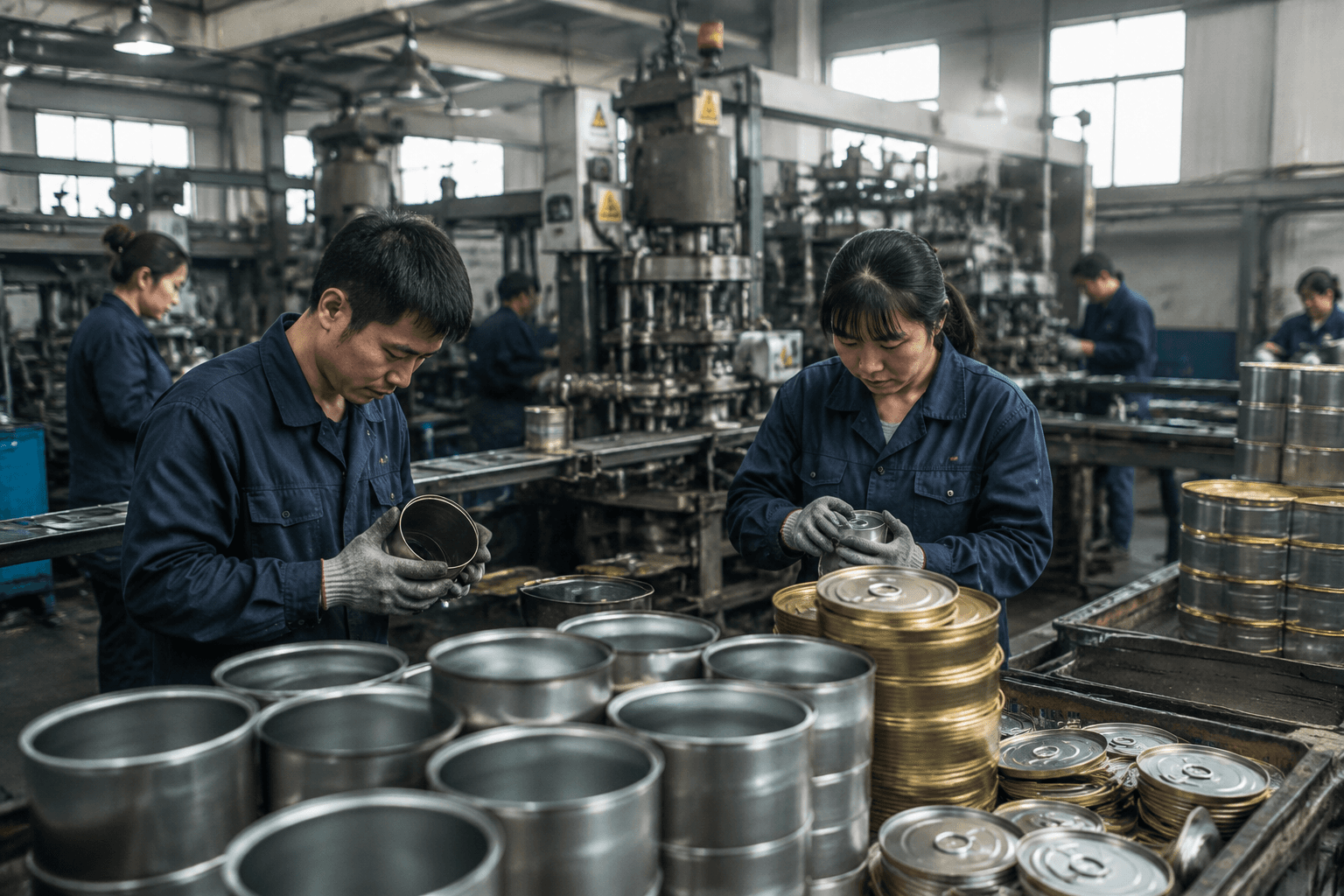
How to Choose the Right Metal Packaging Supplier Without Sacrificing Quality or Scalability
Selecting a metal packaging supplier? Balance cost, quality, and scalability. Avoid hidden risks from inferior materials and supply disruptions. Explore flexible tinplate, easy open ends, and custom cans.
Want to know more?
Get in touch with us for more information about our services and products.