
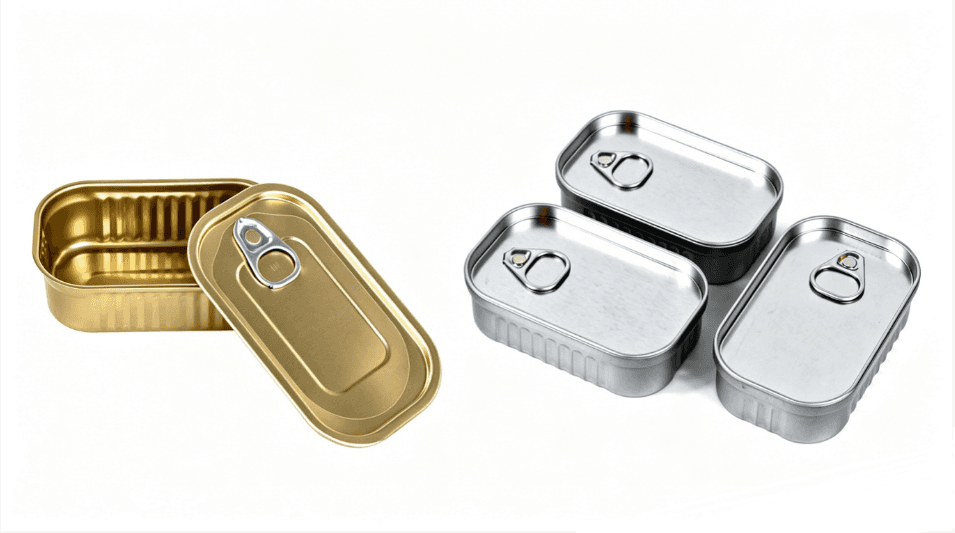
ETP vs. TFS: Which Substrate Wins in Food Can Manufacturing?
For food can manufacturers, deciding between Electrolytic Tinplate (ETP) and Tin-Free Steel (TFS) is rarely a matter of finding a universal "better" material. In industrial packaging, the right choice depends strictly on two factors: the mechanical limitations of your production line and the chemical composition of the food being packaged.
Procurement directors and technical engineers understand that selecting the wrong substrate does not just increase material costs—it leads to machine downtime, lacquer peeling, and catastrophic food spoilage claims.
Below is a technical comparison of ETP and TFS to help packaging manufacturers match the correct coated steel to their specific canning applications.
1. Production Line Compatibility: Welding vs. Drawing
The most definitive dividing line between ETP and TFS is how the metal will be formed into a container.
Three-Piece Cans (Welded Bodies): The Domain of ETP
If your facility produces standard three-piece food cans (body, bottom end, and top lid), ETP is the mandatory choice for the can body. The tin coating on ETP serves as an excellent conductor for electrical resistance welding (ERW). It allows the copper wire welder to operate at high speeds without sparking or creating brittle, inconsistent seams.
TFS, on the other hand, possesses a high electrical resistance due to its chromium and hydrated chromium oxide layers. Attempting to weld TFS directly is impossible on standard equipment without first mechanically grinding away the chromium layer at the weld margins—a process that slows down production and increases tooling wear.
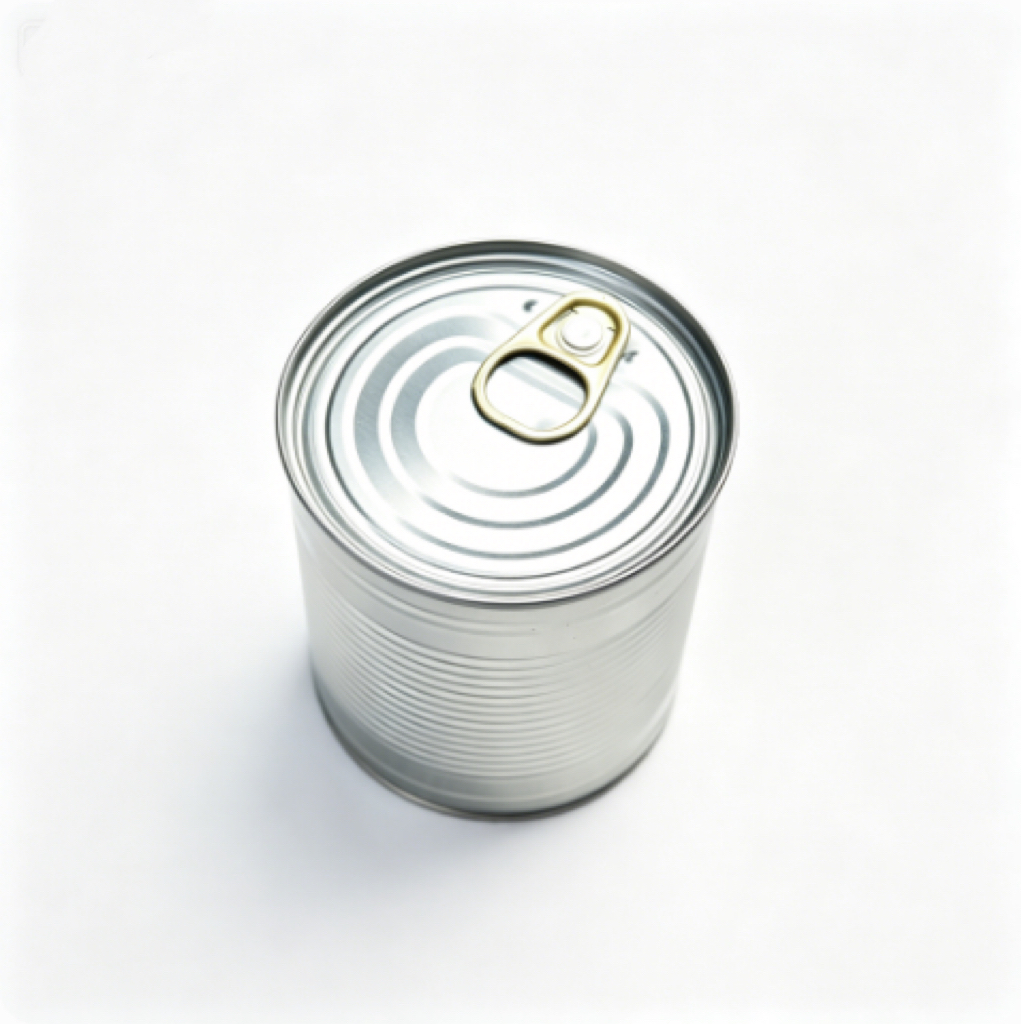
Two-Piece Cans (DRD) and Ends: The Strength of TFS
For non-welded applications—such as two-piece Draw-Redraw (DRD) cans, shallow food bowls, standard bottom ends, and easy-open ends—TFS often outperforms ETP. Because these components rely entirely on mechanical drawing and double-seaming rather than welding, the manufacturer can take full advantage of TFS’s structural integrity and superior coating adhesion.
2. Lacquer Adhesion and Food Chemistry
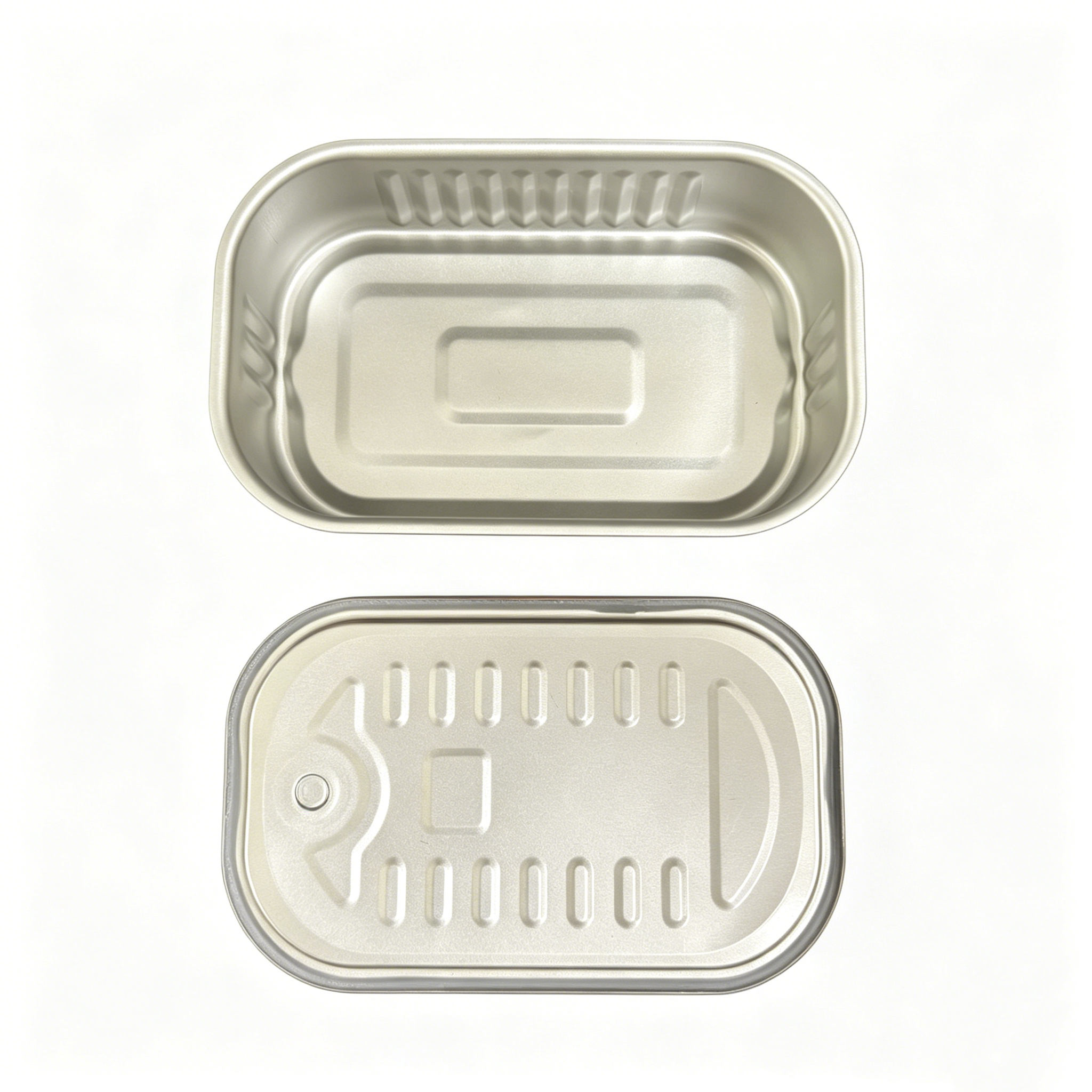
Modern food cans rely heavily on internal lacquers (including modern BPA-NI coatings) to separate the metal from the food. The base material dictates how well this lacquer performs under the stress of high-temperature sterilization (retort processing) and long-term storage.
TFS: Maximum Lacquer Adhesion and Sulfur Resistance
TFS is structurally designed for lacquering. Its chromium oxide layer provides an exceptional bonding surface for organic coatings. When subjected to the severe mechanical stress of a seaming chuck or the 121°C heat of a retort oven, lacquer applied to TFS is far less likely to micro-fracture or peel.
Furthermore, TFS is highly resistant to sulfide staining. When packing high-protein foods like meat, fish, and pet food, amino acids break down during sterilization and release sulfur. If these sulfur compounds penetrate the lacquer and react with tin (ETP), they create unsightly black tin sulfide stains. TFS eliminates this blackening risk entirely, making it the superior substrate for protein-rich canned goods.
ETP: Unlacquered Applications and Sacrificial Protection
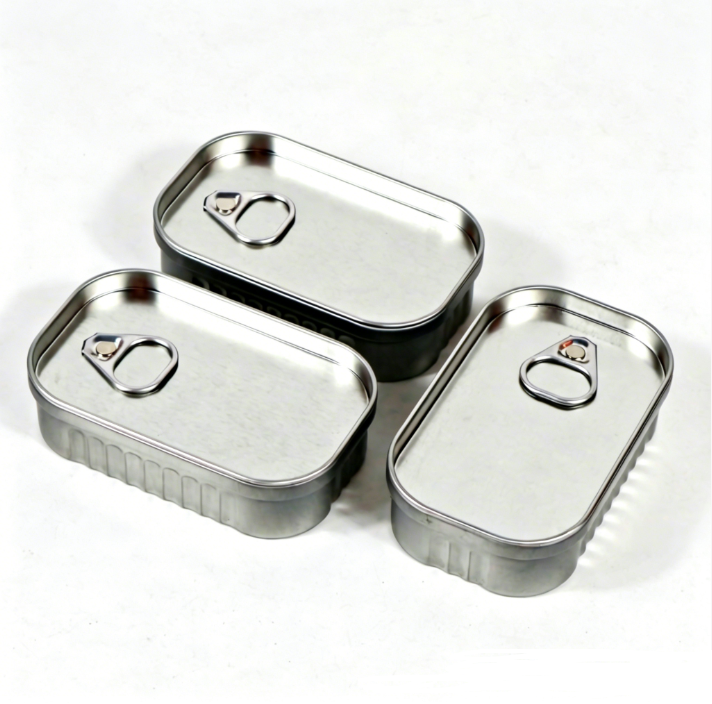
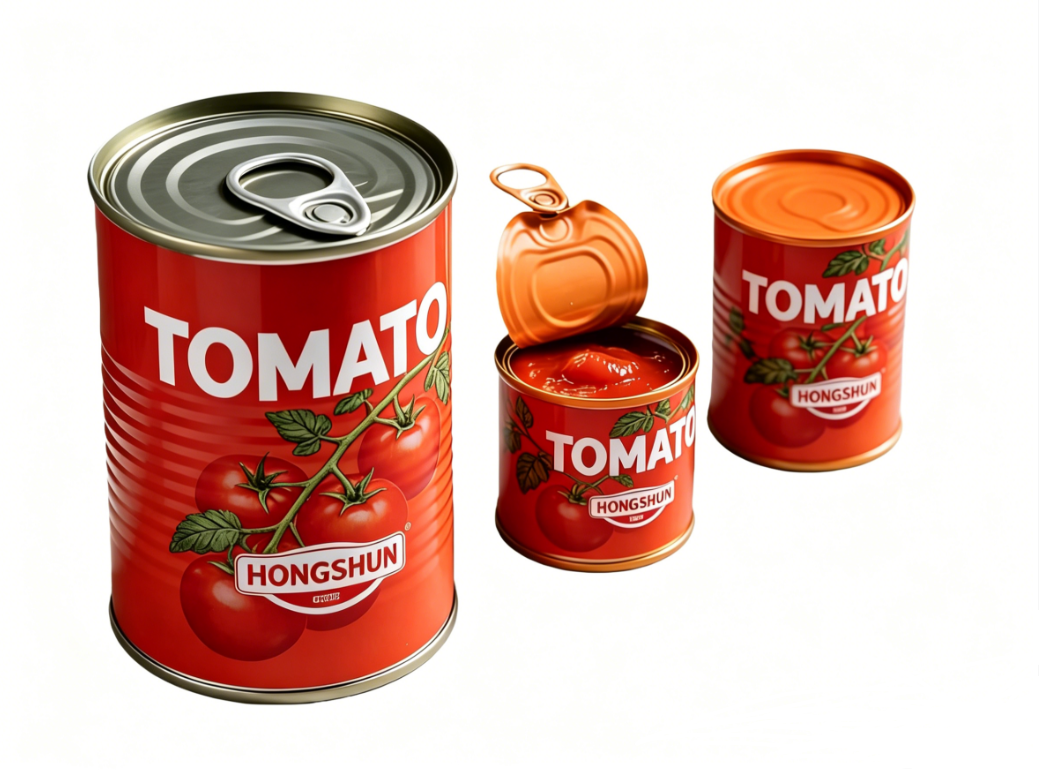
ETP still holds a unique advantage for specific light-colored, highly acidic foods (like pineapples, peaches, and certain tomato products). In these specific applications, manufacturers sometimes use cans with an unlacquered internal ETP body.
Tin provides "sacrificial anodic protection." It slowly dissolves into the food at microscopic, FDA-approved levels, absorbing the oxygen inside the can. This chemical reaction protects the steel base from rusting and prevents the fruit from oxidizing, preserving its bright color and natural flavor. TFS cannot provide this sacrificial protection and must always be 100% lacquered.
3. Cost Control and Supply Chain Considerations
From a pure raw-material perspective, TFS is generally more cost-effective per metric ton than ETP because it eliminates the need for expensive tin. However, experienced procurement teams know that raw material price is only one part of the calculation.
- Coating Costs: Because TFS lacks tin's natural lubricity and corrosion resistance, it requires thorough internal and external lacquering before it can be used. The cost of this additional coating process must be factored into the final unit price.
- Tooling Wear: ETP is naturally lubricated by its tin layer, which reduces friction on cupping presses and stamping dies. Stamping TFS requires higher-quality lubricants and more frequent die maintenance, or tooling wear will accelerate.
- Material Yield: Regardless of whether you choose ETP or TFS, yield is dictated by the cold-rolling precision of the steel mill. Coils with inconsistent thickness tolerances or crown variations will cause machine jams and increase scrap rates, wiping out any initial procurement savings.
The Verdict
There is no single winner. ETP remains the undisputed requirement for high-speed, three-piece welded can bodies and specific light-fruit applications. TFS is the most cost-effective and technically sound choice for drawn cans, ends, lids, and protein-rich foods requiring strong lacquer adhesion.
The true "win" for a can manufacturer is securing a stable supply of either substrate with strict gauge control and consistent temper.
Optimizing Your Metal Packaging Sourcing
Ensuring your production line runs without interruption requires prime material from top-tier mills. With 40,000 MT of regular stock in both ETP and TFS, and direct partnerships with leading mills like HBIS, Shougang, and Baosteel, Zenjoy Packaging provides the exact specifications your tooling demands.
Email: [email protected]
Phone: +86 185 0122 2689
Location: Handan, Hebei, China
Related News
Other news you might be interested in
Tinplate Sheet: Uses, Specifications, and Buying Guide for Can Making
Tinplate sheet is used for food cans, paint cans, aerosol cans, lids, ends, and printed metal packaging. Learn key uses, specifications, and buying tips before ordering.
How to Choose the Right Metal Packaging Supplier Without Sacrificing Quality or Scalability
Selecting a metal packaging supplier? Balance cost, quality, and scalability. Avoid hidden risks from inferior materials and supply disruptions. Explore flexible tinplate, easy open ends, and custom cans.
Want to know more?
Get in touch with us for more information about our services and products.