
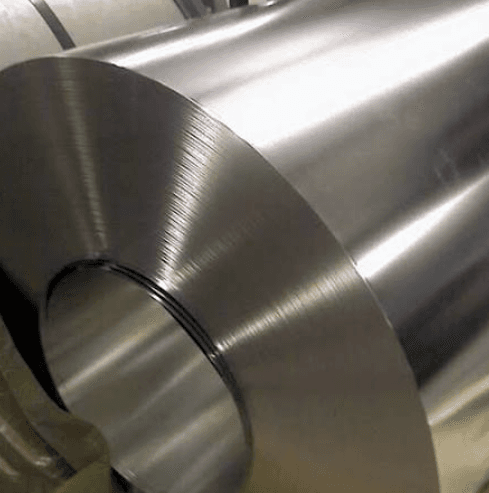
How South American Buyers Can Compare Local and Imported Tinplate Suppliers
For many can manufacturers, lid producers, metal printing plants, and packaging material buyers in South America, choosing a tinplate or TFS supplier is not a simple price decision.
Local suppliers often have clear advantages. They may provide faster communication, local technical support, easier claims handling, and more familiar service. For factories that need stable production every week, these factors are very important.
At the same time, many buyers also compare imported tinplate and TFS materials to reduce cost, expand sourcing options, or secure more flexible specifications. This is also reasonable, especially when local prices are high, delivery is tight, or certain materials are not easy to source locally.
However, changing or testing a new imported supplier is not always easy. Some buyers have already tested several suppliers and did not get the expected quality or service. Some have experienced claims, unclear guarantees, or materials that looked acceptable at first but caused problems during production.
For this reason, South American buyers need a practical way to compare local and imported tinplate suppliers. The goal is not to replace a local supplier quickly. The goal is to reduce sourcing risk and find materials that can truly fit production.
Local Suppliers Have Real Advantages
Before comparing imported materials, it is important to recognize the value of local suppliers.
For many South American factories, a local supplier may offer:
- Faster response in the same language or time zone
- Local warehouse or shorter delivery time
- Easier face-to-face communication
- Technical people who can visit the factory
- Faster problem checking when claims happen
- More familiar payment and delivery terms
- Existing trust from long-term cooperation
These advantages are real. For can makers and packaging factories, production downtime can be expensive. If a material problem happens, having someone local to check the issue quickly can be very helpful.
This is why some buyers are careful when testing imported tinplate or TFS. They are not only asking, “Is the price lower?” They are also asking, “Can this supplier support us if something goes wrong?” That concern is reasonable.
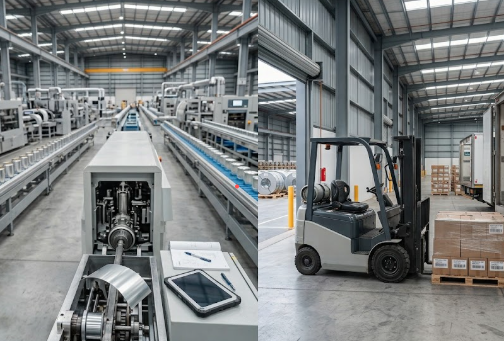
Why Buyers Still Compare Imported Tinplate and TFS
Even when local suppliers provide good service, buyers may still consider imported tinplate or TFS for several practical reasons.
For example:
- Local price may be higher than expected.
- Some specifications may not be available quickly.
- Lead time may become unstable.
- Buyers may want a second supply source.
- Large-volume orders may need better cost control.
- A factory may need coil, sheet, or scroll cut sheet in special sizes.
- Buyers may want to compare different mills and material performance.
- Long-term sourcing should not depend on only one supplier.
For many packaging factories, imported materials are not only about saving money. They are also about building more sourcing flexibility.
But if the imported supplier cannot provide stable quality, clear communication, or useful technical feedback, the lower price may not be worth it.
Price Is Only One Part of the Comparison
When comparing local and imported tinplate suppliers, price is important, but it should not be the only factor.
Tinplate and TFS are production materials. If the material causes high scrap, unstable printing, coating problems, forming issues, or delivery delays, the real cost can become much higher than the purchase price.
A buyer should compare the total result, including:
- Material price
- Freight and import cost
- Delivery time
- Specification accuracy
- Packaging protection
- Production scrap rate
- Printing or coating result
- Machine adjustment needed
- Claim handling
- Technical communication
- Repeat order stability
A lower material price is useful only when the material can run properly in the buyer’s production line.
Common Concerns When Testing Imported Tinplate
Many South American buyers are cautious because they may have experienced problems during previous supplier comparisons.
Common concerns include:
- The material sample looked acceptable, but bulk quality was different.
- The first order passed, but repeat orders were not stable.
- The supplier promised quality, but did not provide clear documents.
- Claims were difficult to solve after shipment.
- The supplier did not understand the buyer’s production process.
- Technical support was not available locally.
- The material required too much machine adjustment.
- Packaging was not strong enough for long sea shipment.
- The supplier changed mill source without clear communication.
- The buyer could not verify whether the material matched the specification.
These concerns are not unusual. They are part of real international sourcing.
For imported tinplate and TFS to be accepted, suppliers need to do more than offer a low price. They need to help buyers reduce these risks.
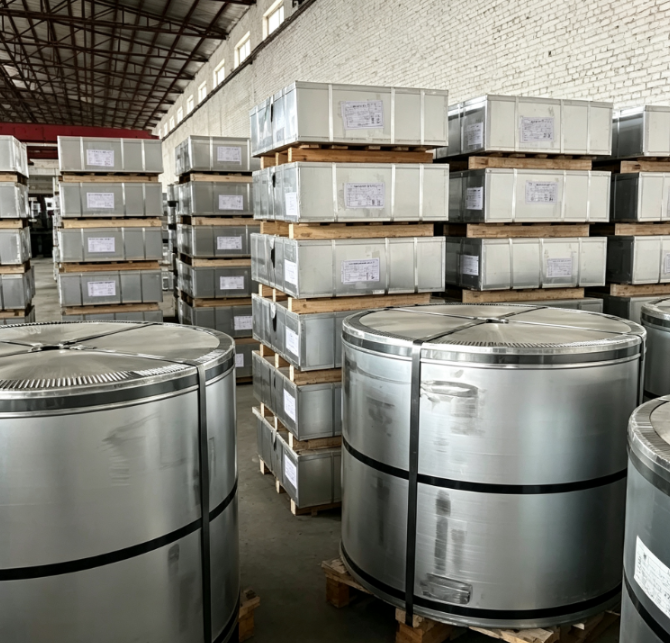
What South American Buyers Should Check Before Comparing Suppliers
Before testing a new imported tinplate or TFS supplier, buyers should prepare a clear comparison method. The following points are useful.
1. Compare the Same Specification
A fair comparison starts with the same specification. If two suppliers provide different thickness, temper, coating, surface finish, or sheet size, the production result may not be comparable.
Buyers should confirm:
- Material type: tinplate, TFS, lacquered tinplate, printed tinplate
- Thickness
- Temper
- Tin coating or chrome coating
- Surface finish
- Coil width or sheet size
- Tolerance requirement
- Application
- Packing method
- Quantity
- Destination port
If the imported material is not matched with the current material, the test result may be misleading.
For example, a slightly different temper may affect forming. A different surface finish may affect printing. A different oil level may affect coating or handling. These differences should be clear before testing.
2. Ask for Real Application Matching
Buyers should not only send a specification sheet. They should also explain the final use.
For example:
- Food can body
- Dry food can
- Aerosol can
- Paint can
- Chemical can
- Can end
- Easy open end
- Twist-off lid
- Printed tin box
- Lacquered sheet
- General line can
A supplier who understands the final application can recommend a more suitable material. If the supplier only quotes based on thickness and size, the risk may be higher.
For South American buyers, this is especially important because imported material takes time to arrive. If the wrong material is shipped, the cost of correction is much higher.
3. Check Whether the Supplier Understands Trial Orders
A trial order should be treated as a technical test, not only a small purchase.
A good imported supplier should be willing to discuss:
- What will be tested
- Which machine process will be used
- Whether printing or lacquering is involved
- Whether the buyer will compare with current local material
- What defects should be monitored
- Whether adjustment may be needed
- What feedback should be recorded
This does not mean the supplier must have local engineers in every country. But the supplier should at least understand the buyer’s test purpose and give practical guidance before the material is tested.
4. Review Quality Documents Carefully
For imported tinplate and TFS, quality documents are important. They help buyers check whether the material matches the agreed specification.
Buyers may request:
- Mill test certificate
- Thickness information
- Temper information
- Coating information
- Surface finish
- Chemical or mechanical data if needed
- Packing list
- Photos before shipment
- Batch or coil number information
Documents cannot replace actual production testing, but they help reduce uncertainty.
If a supplier only gives general promises without clear documents, buyers should be careful.
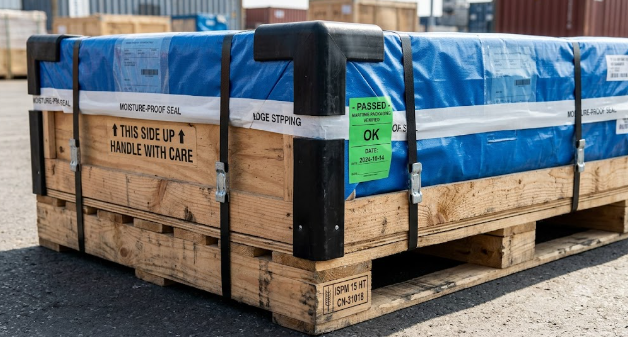
5. Evaluate Packaging for Long Sea Shipment
For South American buyers, transport distance is an important factor. Tinplate and TFS materials may spend weeks at sea, pass through ports, and face humidity, handling, and storage risks.
Good export packing is important to reduce:
- Rust
- Moisture marks
- Scratches
- Edge damage
- Coil deformation
- Sheet bending
- Package breakage
- Surface contamination
When comparing local and imported suppliers, buyers should not ignore packing quality. A good material can still become a problem if it is not packed properly for long-distance shipment.
Buyers should ask how coils or sheets will be packed, protected, labeled, and loaded.
6. Confirm Claim Handling Before Ordering
One major concern with imported materials is claim handling. If a problem appears after arrival, buyers want to know how the supplier will respond.
Before ordering, buyers should clarify:
- What documents are needed for a claim
- Whether photos and production records are required
- How quickly the supplier will respond
- Whether the supplier can review the issue technically
- What types of problems are covered
- How replacement, discount, or future order adjustment may be discussed
No supplier can promise that no problem will ever happen. A more realistic question is: if a problem happens, will the supplier help analyze it and respond responsibly?
This is more meaningful than a simple guarantee statement.
7. Test More Than One Production Step
For can makers and metal packaging factories, checking the material surface is not enough. A real comparison should include the steps that matter to the final product.
Depending on the application, buyers may need to test:
- Cutting
- Feeding
- Printing
- Lacquering
- Drying
- Welding
- Stamping
- Forming
- Bending
- Seaming
- Final appearance
- Coating adhesion
- Scrap rate
If the material only passes a visual inspection but fails during printing or forming, it may not be suitable. If it needs small adjustment but performs well after that, it may still be a good option.
A good test should record the full production result.
8. Compare Repeat Order Stability
One successful trial is useful, but repeat order stability is more important.
For long-term production, buyers should pay attention to:
- Whether the supplier can keep the same specification
- Whether the mill source is stable
- Whether the surface finish remains consistent
- Whether packing remains the same
- Whether lead time is stable
- Whether documents are consistent
- Whether the supplier communicates changes in advance
Many sourcing problems do not appear in the first order. They appear in the second, third, or later orders when the material condition changes.
For South American buyers, repeat order stability is a key point when comparing imported suppliers with local suppliers.
Local Supplier vs Imported Supplier: A Practical Comparison Table
| Comparison Point | Local Supplier | Imported Supplier |
|---|---|---|
| Communication | Usually faster and easier | Needs clear email and document communication |
| Technical support | May provide local visit | Usually remote support unless local agent exists |
| Delivery time | Often shorter | Longer due to sea freight and import process |
| Price | May be higher | May offer cost advantage |
| Claim handling | Easier to check locally | Must rely on clear records, photos, and documents |
| Specification range | May be limited by local stock | May offer more flexible mill or cutting options |
| Trial risk | Lower logistics risk | Needs better test planning |
| Repeat supply | Depends on local inventory | Depends on mill schedule and export planning |
This table does not mean one option is always better. The right choice depends on the buyer’s production needs, budget, risk tolerance, and supply strategy.
For many factories, the best solution may be to keep a reliable local supplier while also developing a qualified imported supplier as a second source.

FAQ
1. Should South American buyers replace local tinplate suppliers with imported suppliers?
Not necessarily. Local suppliers may provide useful advantages such as faster communication, local technical support, and easier claim handling. Imported suppliers can be considered as an additional option when buyers need cost control, more specifications, or a second supply source.
2. Why do some imported tinplate trial orders fail?
Trial orders may fail because of specification mismatch, machine settings, coating or printing compatibility, poor packing, unclear test standards, or insufficient communication. It is not always only a material quality problem.
3. What should buyers ask before importing tinplate or TFS?
Buyers should confirm application, thickness, temper, coating, surface finish, size, packing, quality documents, production process, and claim handling method before placing an order.
4. Is local technical service important for tinplate buyers?
Yes. Local technical service can help solve production problems faster. If an imported supplier does not have local service, they should provide clear technical communication, documents, and responsive support during trial orders.
5. How can buyers reduce risk when testing imported tinplate?
Buyers can reduce risk by matching the specification with current material, testing the full production process, recording trial results, checking export packing, and confirming claim handling before ordering.
Conclusion
For South American can makers, lid factories, metal printers, and packaging material buyers, comparing local and imported tinplate suppliers should be done carefully. Local suppliers have real advantages in communication, service, and technical support. Imported suppliers may offer cost advantages, flexible specifications, and additional supply options, but they must also prove quality stability and responsible service.
A good sourcing decision should not be based only on price or one quick trial. Buyers should compare material specification, production performance, export packing, documents, claim handling, and repeat order stability.
For imported tinplate and TFS materials, trust is built through clear communication, practical trial support, stable quality, and honest problem solving.
If you are comparing tinplate or TFS suppliers for can manufacturing, lids, ends, metal printing, or packaging production, please send us your current material specification, application, thickness, temper, coating requirement, surface finish, size, quantity, and destination port.
Related News
Other news you might be interested in
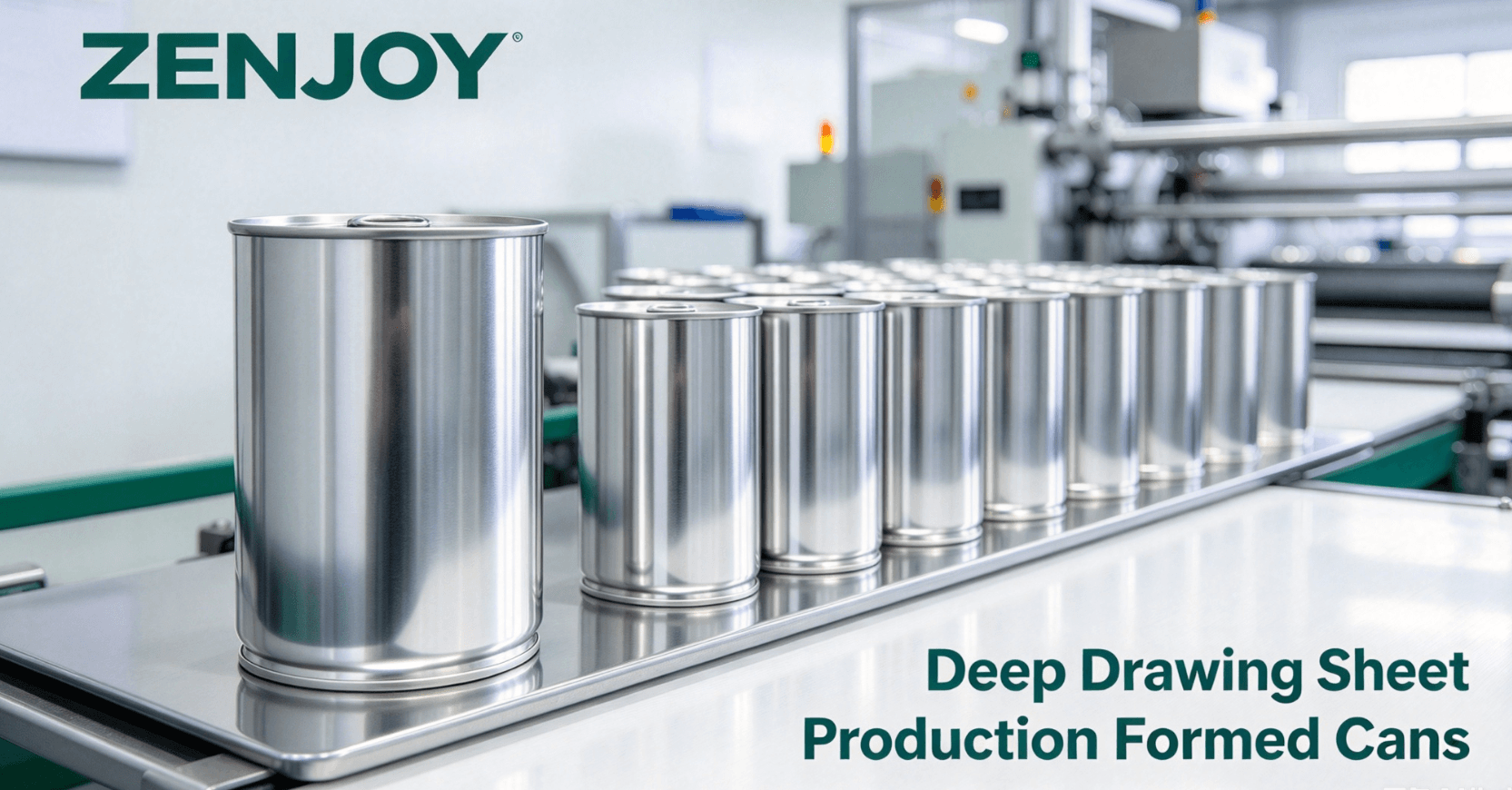
Deep Drawing Cracking Dilemma: How Tinplate Hardness and Elongation Affect Can Forming
Deep drawing cracking is one of the most common mechanical defects in DRD two-piece cans and complex shaped metal containers. Most stamping failures are not caused by mold parameters or lubrication issues, but by mismatched tinplate hardness and insufficient elongation. Unreasonable material temper selection will lead to edge cracking, body tearing and high scrap rate during high-speed continuous forming.

Tinplate Coating Peeling Risk Analysis and Avoidance Under High-Temperature Retort Sterilization
High-temperature retort sterilization is an essential process for shelf-stable food cans. However, long-term high-temperature and high-pressure environments easily cause coating blistering, delamination and peeling on the inner wall of metal cans. Many can manufacturers attribute coating failure solely to lacquer quality or baking process. In fact, **tinplate substrate performance, surface condition and material matching** are the core hidden causes of most high-temperature coating peeling problems. This article professionally analyzes the root causes of tinplate coating peeling under retort conditions, explains the difference in high-temperature resistance between ETP tinplate and TFS steel, and summarizes practical and operable avoidance solutions for mass production.
Want to know more?
Get in touch with us for more information about our services and products.