
How to Choose the Right Metal Packaging Partner for Your Food Canning Needs
The Hidden Costs of Choosing the Lowest Tinplate Quotation
A low price for a tinplate can lid manufacturer or tinplate coil for manufacturing might slash upfront spend, but the true cost of that decision surfaces quickly on your filling line. Poor sealing, unexpected corrosion, and tab failures on easy open ends force stoppages, reject entire batches, and erode consumer trust—costs no spreadsheet captures. While purchasing teams often fixate on per‑piece expense, 65% of food producers who chased the lowest bidder later faced a recall or consumer complaint within a year, directly hurting brand equity.
Smart procurement examines total cost of quality. Instead of ranking only on tinplate sheet supplier prices, factor in line efficiency, waste rates, and returns. A proper comparison of tinplate prices exposes the real financial risk lurking behind a too‑cheap quote. Whether you use tinplate or tin free steel, understanding the substrate’s compatibility with your food matrix—acidic sauces, oily fish, dry milk powder—prevents failures that a low‑cost supplier won’t warn you about.
Understanding Your Options: From Two-Piece to Three-Piece Cans and Beyond
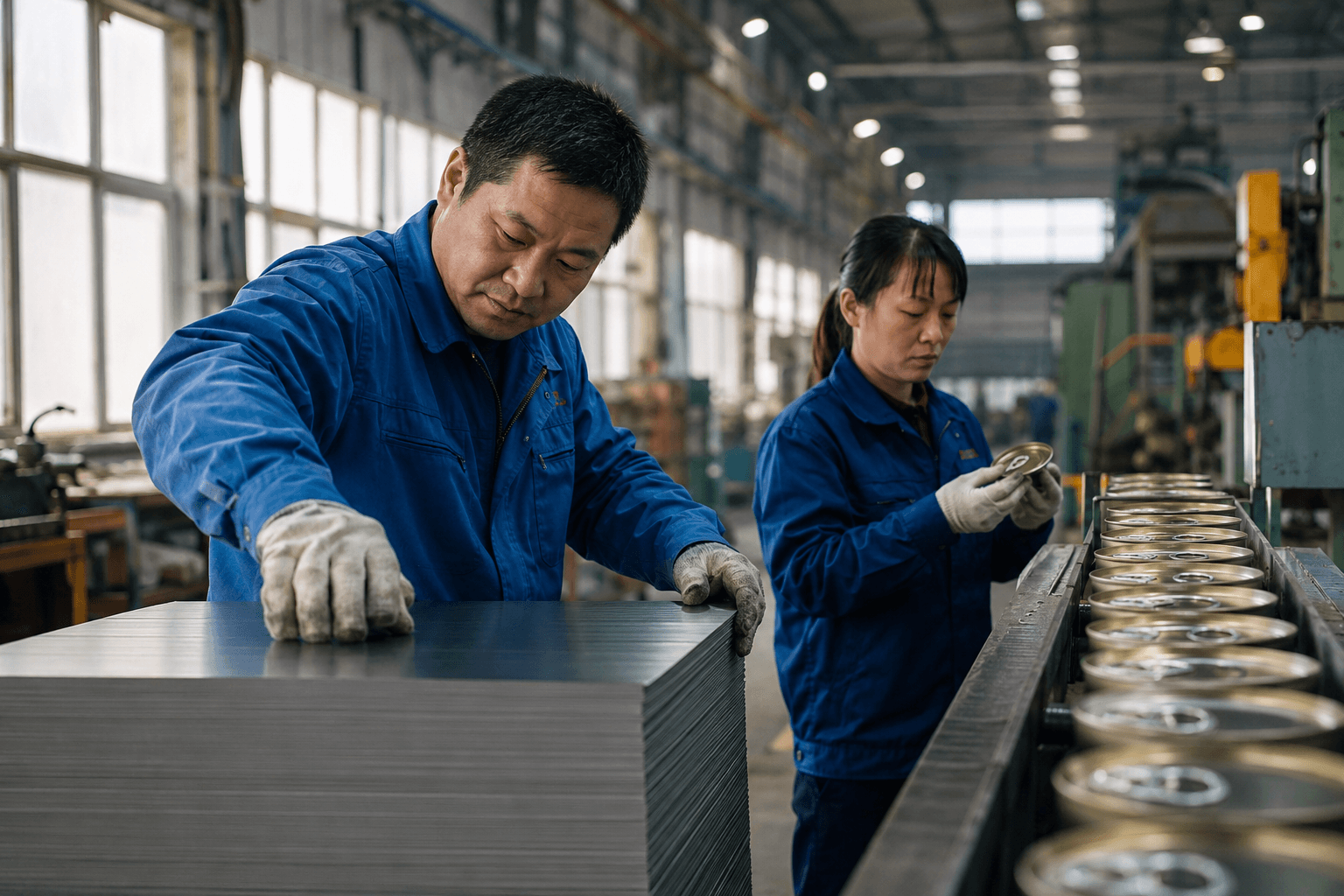
Food packaging lines rely on two major can styles. Two‑piece cans, drawn and wall‑ironed for lightweight strength, suit high‑speed filling of tuna or meat pastes where a seamless body reduces leak points. Three‑piece cans, built with a welded body and two ends, offer flexibility in height and diameter—ideal when you need a three-piece tin can manufacturer who can deliver both standard round sizes and irregular shapes for jerky or specialty powders. Choosing between them means matching your product’s handling, retort processes, and opening experience to the container design.
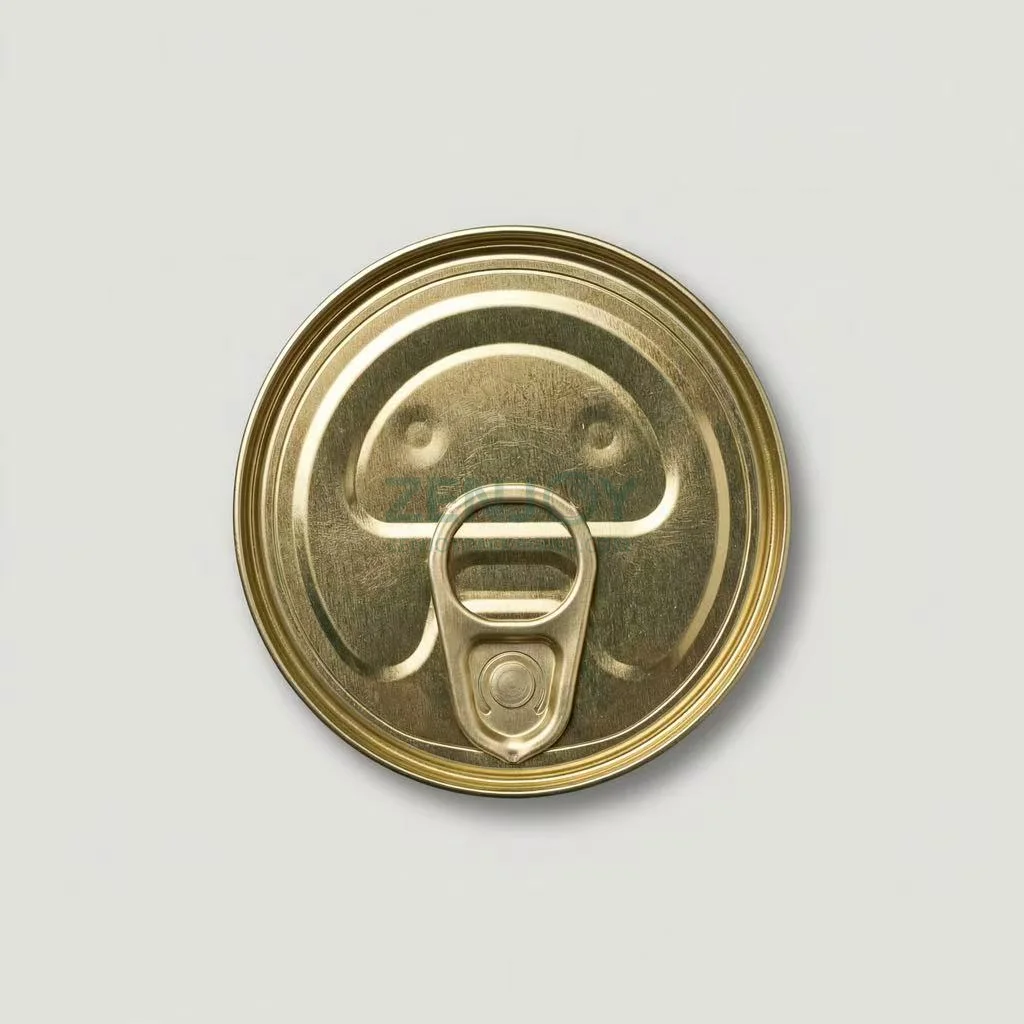
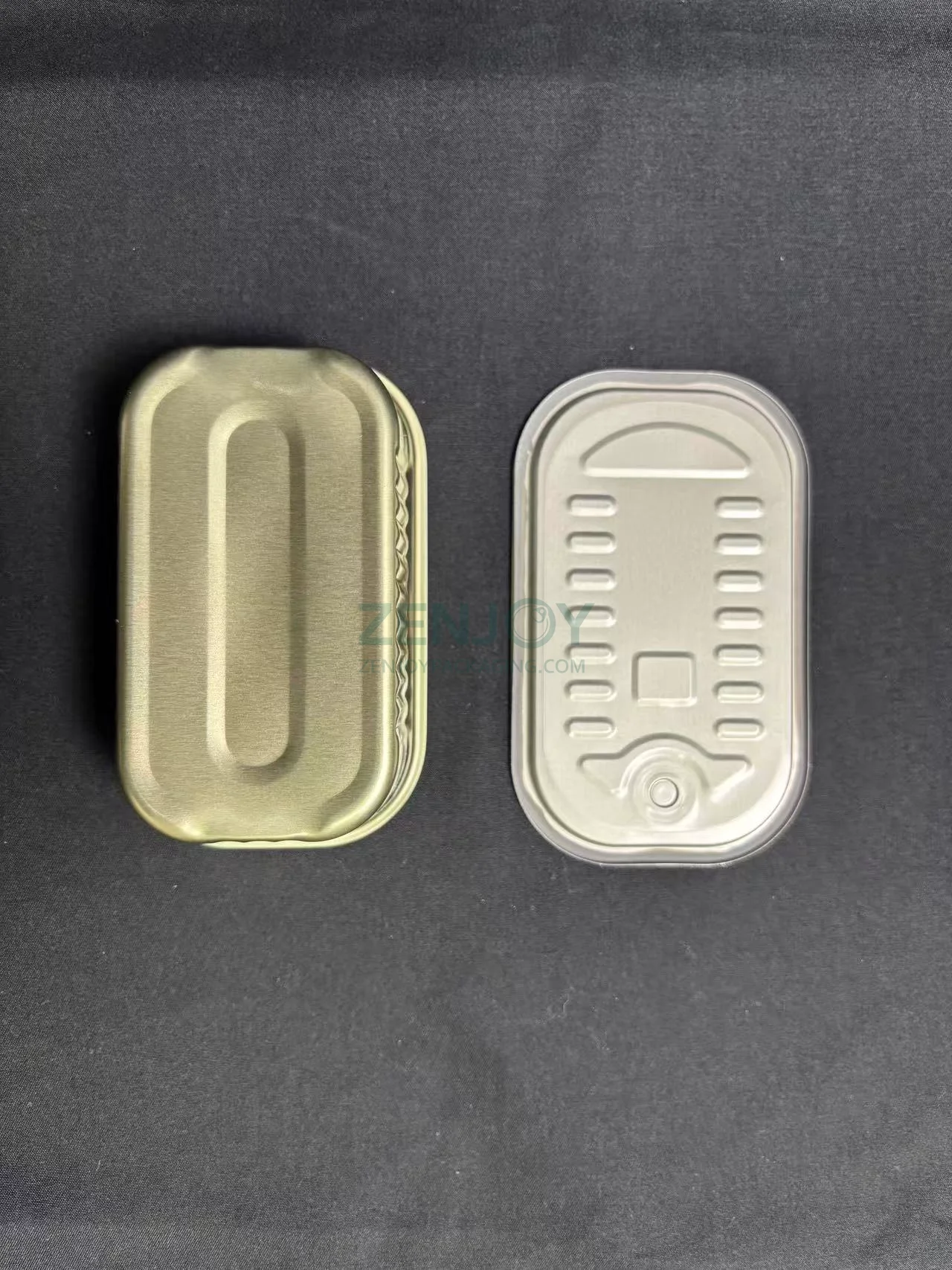
Ends define the consumer interaction. Full Aperture Oval Easy Open Ends at sizes like 159.8×106.8 mm give effortless access to large‑format cans, while round versions span 49.5 mm to 153.4 mm for everything from milk powder to pet food. A reliable easy open end supplier or EOE lid supplier ensures these components seal perfectly and open without sharp edges, preventing the frustration that drives buyers away. When you’re sourcing from a mill, trader, or processing supplier, you need a partner who understands both standard and custom configurations, integrating ends and bodies seamlessly into your existing line.
Critical Quality Factors in Tinplate and TFS Materials
Your product’s shelf life hangs on the material beneath the lacquer. Electrolytic tinplate sheet supplier quality determines corrosion resistance, especially for acidic fruits or salty meats. Tin free steel, coated with chromium, bonds exceptionally well to lacquers and often proves the more economical choice for lids and ends. A tin free steel sheet supplier that provides proper certifications ensures no microscopic pores compromise your barrier. At the same time, chromium coated steel coil must meet tight gauge tolerances to keep can‑making tools running smoothly.
The tinning process itself—cleaning, annealing, passivation—directly influences how the material withstands sterilization and distribution. Ask any tinplate coil supplier for batch‑level test data on tin coating weight and temper. When you partner with a metal packaging materials supplier who also processes lacquered & printed ETP/TFS sheets, you consolidate accountability: the same team that selects the substrate applies multi‑layer food‑grade coatings and precision printing, reducing delamination risks that later trigger recalls.
Why Customization Matters for Your Brand and Production Efficiency
Off‑the‑shelf cans blend into anonymity. Custom printed tin cans and custom size easy open lids turn your package into a silent salesman while solving real operational pain points. A precisely matched end profile can increase filler head accuracy, cut material waste, and speed up seaming. When you work with a metal packaging components supplier that offers in‑house design, tweaks like tab geometry or liner grade are tested on your specific product, not guessed from a catalog.
Whether you need a two-piece can supplier for a streamlined tuna format or a three-piece can supplier for a bulky stew, custom dimensions and graphics make your line more efficient. Full aperture oval ends, for example, can be sized and printed to reinforce brand messaging while making scoop‑out access effortless. This level of integration cuts lead times because engineering, plate‑making, and can‑forming happen under one roof, and your can lid manufacturer stands behind the compatibility of every component.
Real Results: How Leading Brands Reduced Costs and Improved Shelf Appeal
Data matters more than promises. One global tuna processor migrated to a two-piece metal can supplier that applied advanced high‑resolution printing directly to the tinplate. The result: 8% lighter material usage, a 12% sales uplift from shelf standout, and zero shutdowns for jammed ends. Another meat can supplier switched to custom EOE lids with an ergonomically repositioned tab; consumer complaints about opening difficulty dropped 90%, and filling line efficiency climbed 15% because seaming parameters matched perfectly.
A pet food producer, grappling with spoilage in humid climates, turned to an electrolytic tinplate sheet supplier with a high‑barrier lacquered specification. Spoilage fell 30% within a quarter. As Ahmed Hassan noted after adopting our integrated approach, “The consistency from sheet to finished can eliminated the variabilities that cost us hours of downtime each month.” These stories prove that the right metal packaging containers supplier delivers not just tinplate, but a systematic reduction in total cost of ownership.
Partner with a Reliable Supplier for Consistent Quality
A round metal can supplier or milk can supplier must do more than ship on time. Traceability from coil to finished container, batch‑level hygiene certificates, and proactive after‑sales support form the backbone of a crisis‑proof supply chain. When you rely on a tin free steel supplier or a steel can lid for cans specialist, insist on BRC‑ or FDA‑level documentation. Working with a partner who invests in R&D—like those who refine tab opening forces or develop thinner‑gauge profiles without strength loss—keeps your packaging ahead of evolving market demands.
We cover the full spectrum: two‑piece and three‑piece cans, round and oval easy open ends, claw‑type twist‑off lids, and lacquered/printed sheets. Because we control each step, we help you avoid disruptive lead time delays that derail seasonal production spikes. From tinplate coil for manufacturing to the final decorated can, our integrated model reduces your supplier count and the risks that multiply with it.
Related News
Other news you might be interested in

How to Build a More Reliable Metal Packaging Supply Chain
Align materials, can formats, ends, and delivery requirements before ordering to reduce production risk, improve supply visibility, and keep packaging programs on schedule.
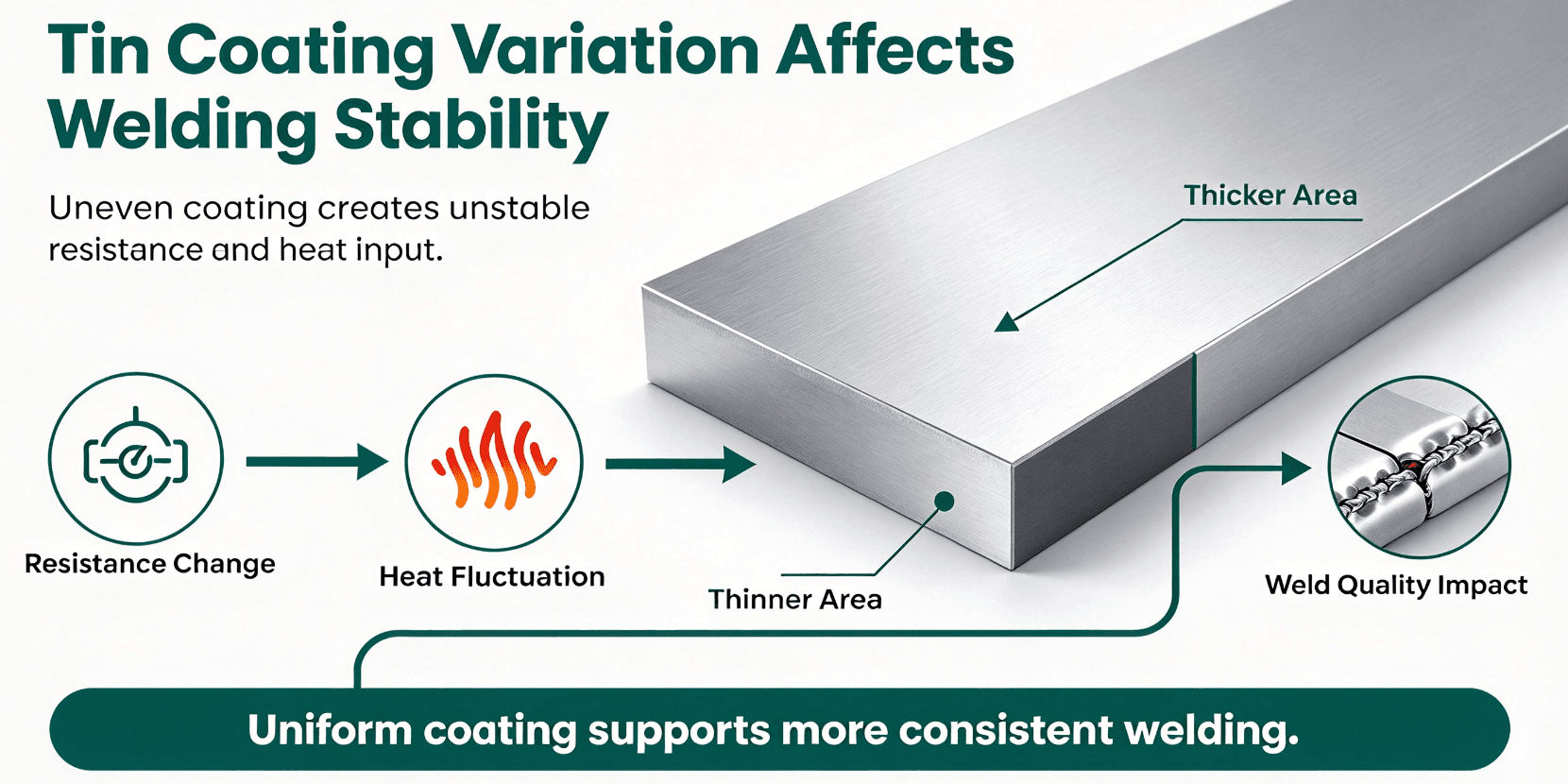
Weld Spatter & Leakage Defects: The Decisive Role of Tin Coating Uniformity in Can Welding Quality
High-speed resistance seam welding is the core forming process for three-piece metal cans. In actual mass production, persistent weld spatter, granular slag residue and hidden seam micro-leakage severely compromise sealing consistency, sterilization resistance and finished product yield. Most manufacturers tend to attribute these defects to unstable current, improper pressure or worn welding wheels. However, industrial verification proves that uneven tin coating distribution on tinplate is the fundamental material-induced root cause of recurring welding spatter and leakage issues.
Want to know more?
Get in touch with us for more information about our services and products.