
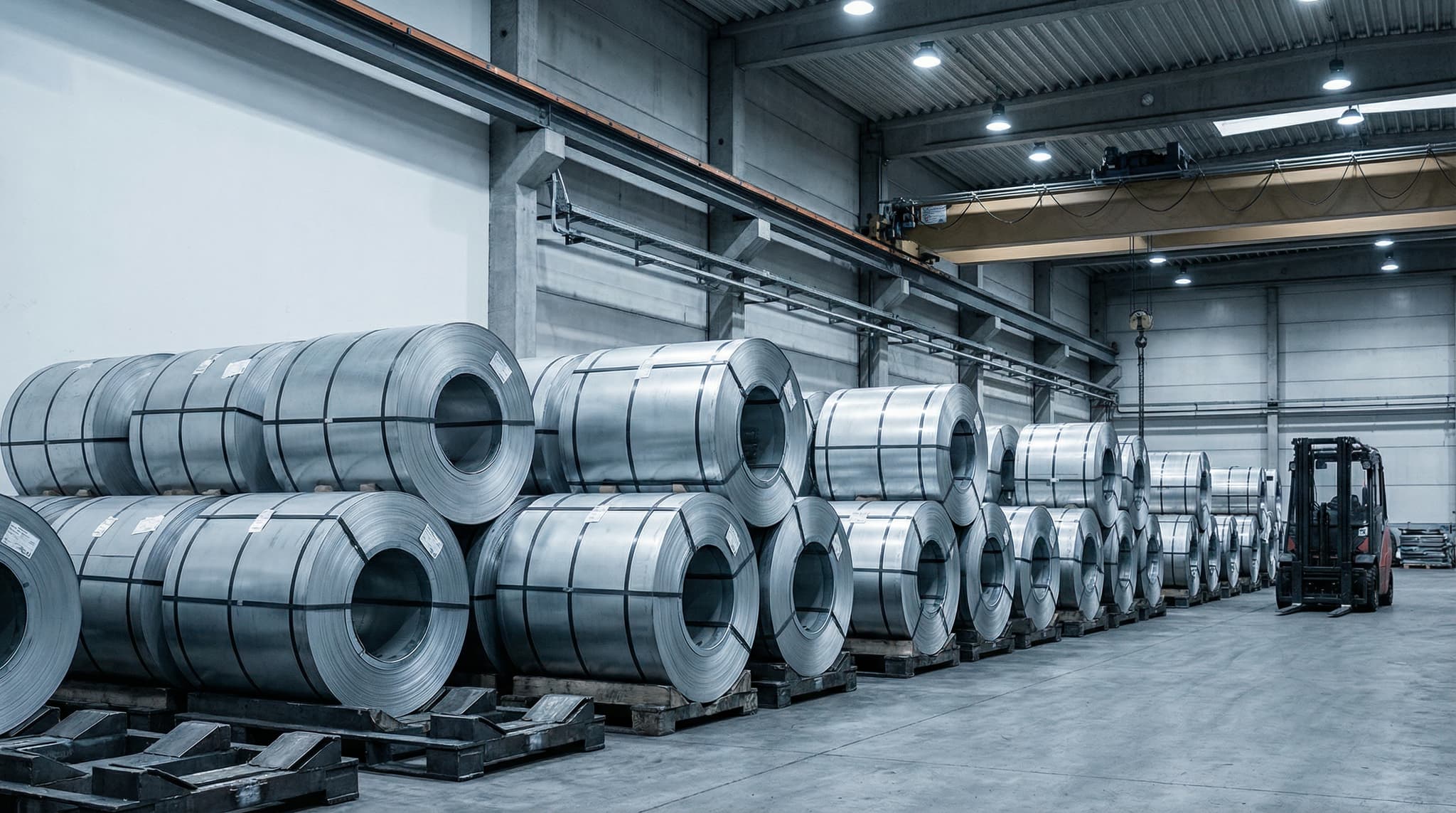
How to Choose Tinplate Temper Grades for Can Making
Why Tinplate Temper Matters
When industrial buyers source tinplate for can making, thickness and coating weight often get most of the attention first. But temper grade is just as important.
Tinplate temper affects how the material behaves during forming, bending, drawing, seaming, and other downstream manufacturing steps. If the temper is not matched to the application, the result may be production inefficiency, higher rejection rates, or unstable line performance.
For buyers supplying can factories, end makers, and packaging manufacturers, choosing the correct temper is not only a technical issue. It is a supply-chain decision that directly affects manufacturing consistency.
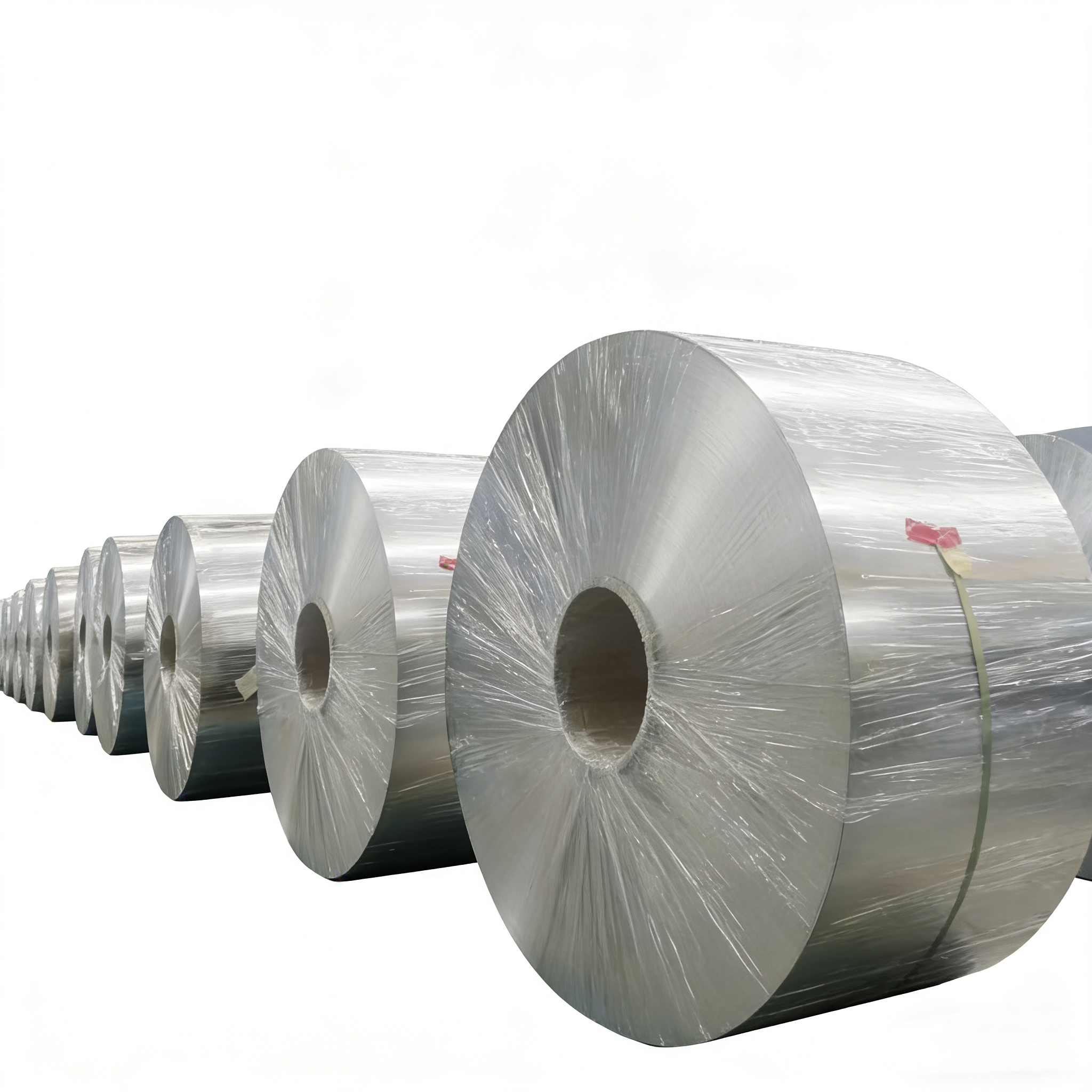
What Is Tinplate Temper?
Temper refers to the hardness and mechanical condition of tinplate after rolling and heat treatment. It indicates how the material is likely to behave during processing.
In practical terms, temper helps determine:
- how easily the material forms
- how much strength it provides
- whether it is better suited for drawing, shaping, bending, or structural stability
- how well it fits the intended packaging application
Different buyers may use different temper systems or internal production references, but the principle is the same: the right temper must match the intended production process.
Why Temper Selection Is Important for Can Makers
A tinplate supplier may offer a full range of thicknesses and coating options, but if the temper does not fit the production line, the material may still underperform.
Correct temper selection helps buyers improve:
1.Forming performance
The material needs to behave predictably during shaping and fabrication.
2.Production efficiency
Suitable temper can reduce machine adjustment issues and improve throughput.
3.Packaging reliability
Mechanical balance matters for can integrity, stacking, handling, and transport.
4.Waste control
If temper selection is wrong, scrap rate and line instability can increase.
For large-volume users, even a small mismatch can create significant cost over time.
General Understanding of Tinplate Temper Grades
In the market, buyers often refer to standard temper grades such as T1, T2, T3, T4, and T5, while some applications may also involve double reduced grades depending on end use.
Although exact selection depends on the line and product design, the general rule is simple:
- lower temper grades are usually softer and more formable
- higher temper grades are usually harder and stronger
This means softer grades may be more suitable for applications requiring greater forming ability, while harder grades may be preferred where higher rigidity is needed.
However, temper selection should never be based on hardness alone. It must be matched to the full application.
How to Choose Temper by Application
1. Can bodies
Can bodies often require a balance between formability and strength. Buyers usually look for material that runs well on the production line while maintaining structural performance in the finished package.
For this reason, medium temper selections are often common in can body production, but the ideal choice depends on can size, wall design, forming method, and downstream process.
2. Ends and lids
Ends and lids may require different mechanical characteristics from can bodies. In some cases, higher rigidity or different forming response is needed depending on the design and opening system.
The right temper should support both manufacturing efficiency and final component reliability.
3. Drawn or formed packaging components
For components requiring deeper drawing or more demanding forming, softer tempers may be preferred to reduce cracking risk and improve shape stability.
4. High-speed production lines
On high-volume lines, temper consistency is often just as important as temper grade itself. A theoretically correct temper is not enough if batch-to-batch variation creates machine instability.
Questions Buyers Should Ask Before Confirming Temper
Before ordering tinplate, buyers should review the following questions internally or with their supplier:
What is the exact application?
Can body, can end, lid, closure, dry product can, food can, or industrial container?
What is the forming method?
Welding, drawing, stamping, bending, or another process?
What line speed is involved?
Higher-speed lines often need tighter consistency control.
Is lightweighting a priority?
If the buyer wants to reduce material usage, temper selection becomes even more important.
Is the material replacing an existing supplier’s grade?
If yes, the buyer should compare not only nominal grade names but also actual performance in production.
Has line trial validation been completed?
For critical applications, line testing is recommended before large-volume switching.
Temper Grade and Total Procurement Risk
Many procurement teams focus on quotation comparison and assume temper selection can be adjusted later. In reality, incorrect temper can create larger risks than a small raw material price difference.
Potential risks include:
- line stoppage
- forming defects
- seaming problems
- unstable component dimensions
- higher scrap rate
- delayed delivery to downstream customers
This is why experienced industrial buyers usually expect the supplier to understand application needs, not just provide a material list.
Why Buyers Should Not Choose Temper by Price Alone
A lower-cost material may appear attractive in quotation review, but if it causes unstable processing, the real cost becomes much higher.
The best temper choice is the one that supports:
- stable production
- predictable output
- lower defect risk
- reliable packaging performance
- repeatable supply over time
For large-volume packaging customers, consistency and suitability usually matter more than the lowest initial offer.
Best Practice for Large Buyers
If your factory uses a high-volume can-making line, a good sourcing approach usually includes:
Confirming existing production parameters
Review current thickness, temper, coating, and end-use requirements.
Matching supply to the actual product
Do not buy a “general-purpose” tinplate grade without checking application fit.
Running qualification tests when needed
For supplier changes or new projects, testing before full conversion is the safer path.
Planning supply before peak season
Material selection and delivery timing should be coordinated early, especially in seasonal packaging sectors.
FAQ
What does tinplate temper mean?
Temper refers to the hardness and mechanical condition of tinplate, which affects forming performance and end-use suitability.
Are lower temper grades softer?
In general, yes. Lower temper grades are usually more formable, while higher temper grades are typically harder and stronger.
Is there one best temper grade for all can-making uses?
No. The best temper depends on the specific application, forming method, and production line requirements.
Why is temper consistency important?
Because batch variation can affect line stability, forming quality, and defect rate in large-scale production.
Should buyers test temper changes before mass purchase?
Yes. For important applications, line trials or validation tests are strongly recommended.
---
Need help selecting a suitable tinplate temper for your can-making or packaging application?
Contact us with your current specifications and production use case.
Related News
Other news you might be interested in

Tinplate Coating Peeling Risk Analysis and Avoidance Under High-Temperature Retort Sterilization
High-temperature retort sterilization is an essential process for shelf-stable food cans. However, long-term high-temperature and high-pressure environments easily cause coating blistering, delamination and peeling on the inner wall of metal cans. Many can manufacturers attribute coating failure solely to lacquer quality or baking process. In fact, **tinplate substrate performance, surface condition and material matching** are the core hidden causes of most high-temperature coating peeling problems. This article professionally analyzes the root causes of tinplate coating peeling under retort conditions, explains the difference in high-temperature resistance between ETP tinplate and TFS steel, and summarizes practical and operable avoidance solutions for mass production.
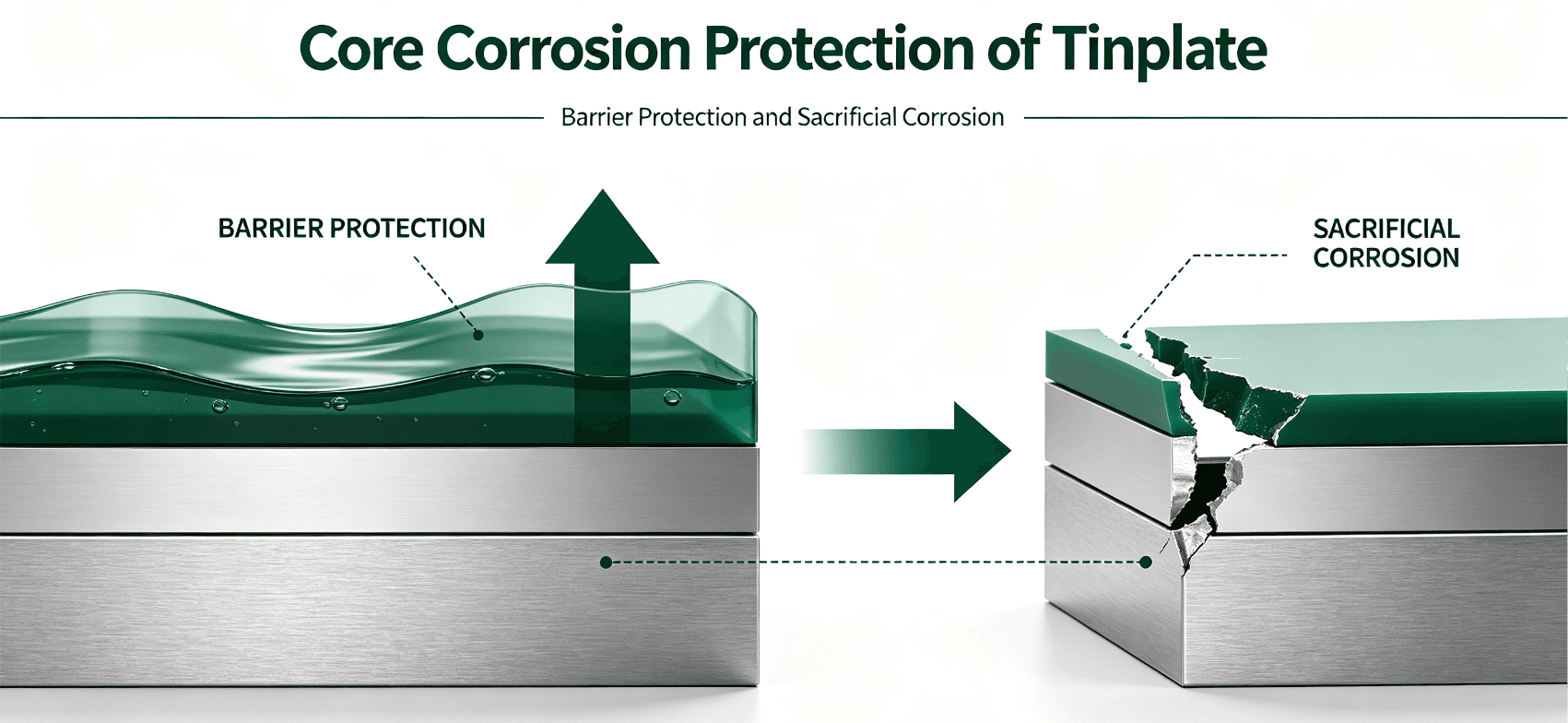
Sacrificial Corrosion & Barrier Protection: Core Anti-Corrosion Principle of Tinplate
The service life and storage safety of metal food cans largely depend on the anti-corrosion performance of packaging materials. As the most widely used substrate for food cans and general metal containers, ETP electrolytic tinplate adopts two core anti-corrosion mechanisms: barrier protection and sacrificial anode protection. These two protection systems work together to ensure stable corrosion resistance in complex food filling and high-temperature sterilization environments.
Want to know more?
Get in touch with us for more information about our services and products.