
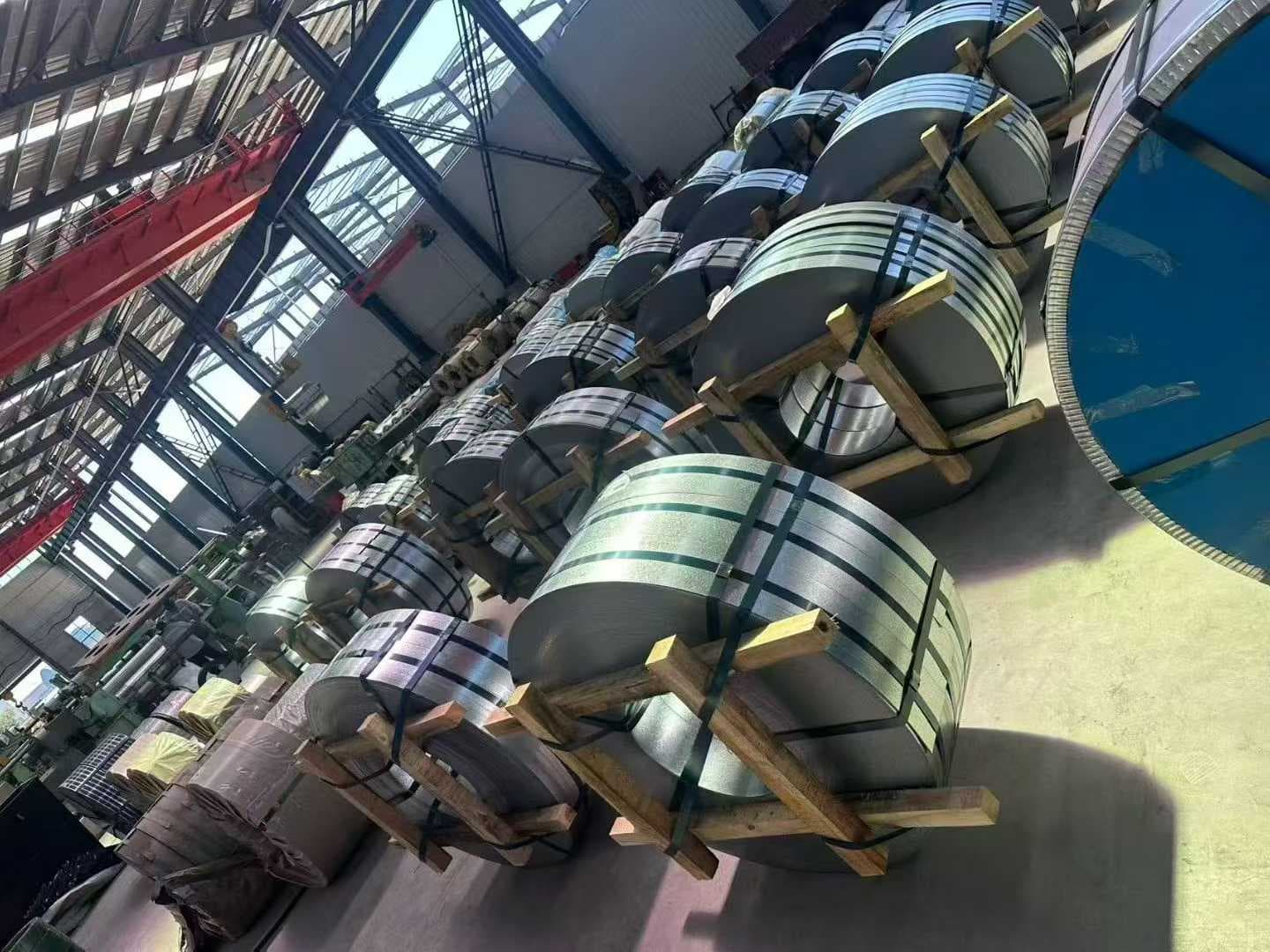
What Makes a Tinplate Supplier Reliable for Repeat Orders
Why Repeat Orders Are the Real Test of a Supplier
In industrial procurement, the first order is important, but it is rarely the real test.
Many suppliers can respond quickly to a first inquiry, offer an attractive quotation, and deliver one shipment that looks acceptable. But for buyers in food packaging, can-making, lids and ends production, and packaging steel distribution, the real question is different:
Can this supplier do it again, and again, without creating new problems each time?
That is what repeat-order reliability means.
For buyers managing recurring production, repeated SKUs, or long-term supply programs, a supplier is not judged mainly by first-contact enthusiasm. The supplier is judged by whether they can continue supporting the same specifications, maintain communication quality, and keep deliveries under control across multiple order cycles.
That is why repeat orders matter so much.
They expose what a supplier is really like after the quotation stage is over.
Reliability Begins with Specification Consistency
One of the first signs of a reliable tinplate supplier is the ability to support recurring specifications without unnecessary variation.
For many industrial buyers, procurement is built around repeated requirements such as:
- the same thickness
- the same width
- the same temper
- the same coating
- the same sheet size
- the same application standard
In this kind of repeated purchasing, instability causes operational pressure very quickly.
If a supplier cannot maintain specification consistency across multiple orders, buyers may face:
- extra inspection work
- production adjustments
- line inefficiency
- more internal clarification
- higher coordination cost between purchasing and production teams
A reliable supplier should make repeat procurement easier, not harder.
That is why buyers often look beyond whether a supplier can "supply tinplate" and focus on whether that supplier can support the same tinplate program over time without losing control.
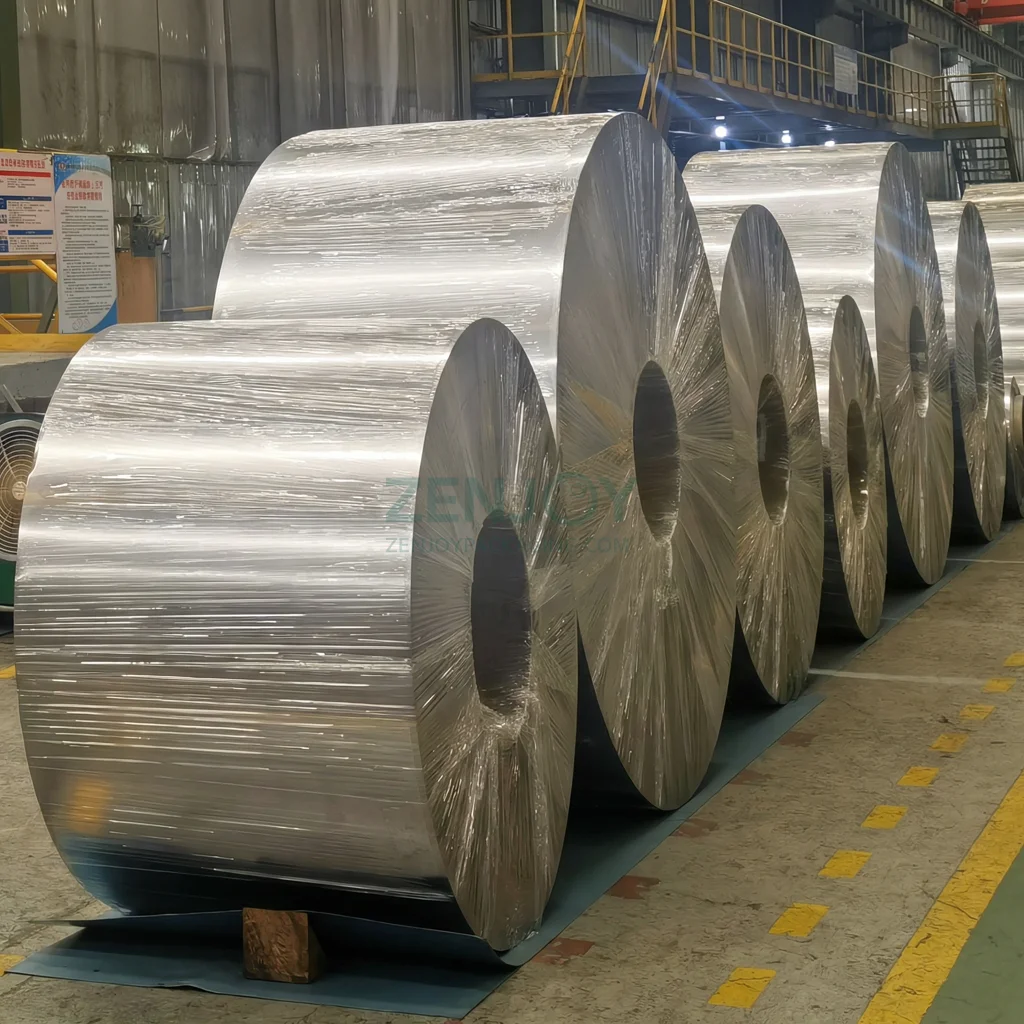
Tinplate Steel Sheet in Coil
Electrolytic Tinplate (ETP) is a low-carbon steel sheet that has been electrolytically coated with tin, widely used in packaging for food, beverages, chemical products, and other applications. With its excellent corrosion resistance, superior processability, and attractive appearance, tinplate has become an indispensable material in modern packaging industry. Our tinplate products strictly adhere to international standards and utilize advanced manufacturing processes to ensure exceptional quality in every coil.
Delivery Discipline Is More Important Than One Fast Shipment
Another major sign of reliability is delivery discipline.
A supplier may deliver the first order quickly, but repeat-order buyers usually want to understand something more practical:
- Can the supplier keep a stable delivery rhythm?
- Can they support recurring replenishment?
- Can they respond well when production schedules tighten?
- Can they handle repeated orders without letting follow-up quality decline?
This is especially important in sectors such as:
- food cans
- milk powder cans
- dry food packaging
- lids and ends
- repeated industrial packaging programs
In these industries, supply timing is part of production planning. A delayed repeat order may affect not only inventory levels, but also output continuity, customer commitments, and packaging schedules.
That is why reliable suppliers are usually judged by whether they can deliver repeatedly with discipline, not whether they once made a strong promise.
Good Suppliers Reduce Friction in Repeated Procurement
One of the clearest differences between an average supplier and a reliable one is how much friction they create after the first order.
In repeated procurement, friction often appears in the form of:
- unclear communication
- slow confirmation
- inconsistent follow-up
- repeated mistakes in order details
- weak document handling
- unstable packing or shipment coordination
These issues may not always appear in the quotation stage, but they become very visible in repeat business.
Reliable suppliers usually help buyers reduce this friction by offering:
- clearer communication
- better order records
- stronger repeated-specification management
- more consistent shipment coordination
- practical support before and after dispatch
For large buyers and structured distributors, this matters a great deal.
A supplier that reduces management pressure becomes easier to keep in the long-term supply chain.
Quality Control Must Work Across Multiple Orders
Reliable repeat-order support also depends on quality control that works over time, not just once.
Many buyers can accept that a supplier provides good samples or a strong first shipment.
What they need to know is whether the same level of quality can continue across repeated orders.
For repeat-order buyers, quality control means:
- stable material behavior
- predictable specification control
- reduced batch-to-batch surprises
- stronger confidence in receiving and internal use
- fewer disruptions to repeated production
This is why professional buyers often evaluate suppliers based on what happens after the first order, not just before it.
A supplier that supports repeated production should have enough internal order discipline to protect quality across the longer relationship, not only at the beginning.
Service Quality Becomes More Visible Over Time
Service is one of the biggest differentiators in repeat-order relationships.
In the first order, almost every supplier tries to respond quickly.
In repeat business, the buyer starts to see the supplier’s real operating standard.
Questions buyers often ask themselves include:
- Are replies still clear after the order becomes routine?
- Does the supplier still follow details carefully?
- Are recurring specifications remembered properly?
- Is shipment follow-up still proactive?
- Does the supplier communicate earlier when something changes?
A supplier who becomes careless once the relationship is established is usually not suitable for repeat industrial cooperation.
Reliable suppliers usually show stronger service habits over time:
- steadier communication
- better order memory
- more practical follow-up
- less need for repeated correction from the buyer
- stronger support during recurring production cycles
That is one of the reasons repeat-order buyers often value service just as much as material price.
Buyers Also Look for Long-Term Supply Logic
A reliable repeat-order supplier should not treat every order as an isolated event.
Serious buyers usually prefer suppliers who can think in terms of:
- repeated replenishment
- annual demand patterns
- stock support logic
- recurring dimensions
- production rhythm
- long-term cooperation
This does not mean every supplier must hold inventory for every buyer.
It means the supplier should understand the buyer’s operating logic and support it in a practical way.
For example, a reliable supplier should be comfortable discussing things like:
- recurring specs
- repeated order cycles
- supply planning for peak periods
- expected order rhythm
- continuity across repeated projects
These are the conversations that help buyers judge whether the supplier is ready for real long-term business.
Common Signs a Supplier May Not Be Reliable for Repeat Orders
Buyers often become cautious when they see patterns such as:
Strong first-order energy, weak second-order follow-up
A supplier that becomes less organized after the first shipment may create long-term risk.
Inconsistent details across repeated orders
If basic order details need to be re-explained every time, the supplier may not be managing recurring business well.
Unstable lead-time communication
If delivery expectations shift without clear explanation, repeat procurement becomes harder to plan.
Poor handling of recurring specifications
A supplier that treats repeated orders as if they were brand-new inquiries each time may not be suitable for structured industrial demand.
Weak response under timing pressure
Repeat-order reliability matters most when the buyer needs support quickly, not only when the schedule is comfortable.
These warning signs often matter more in long-term cooperation than a small price difference.
What Reliable Repeat-Order Support Usually Looks Like
A reliable tinplate supplier for repeat orders usually offers several practical strengths:
- stable recurring specification support
- better order continuity
- timely replenishment discipline
- stronger communication over time
- more consistent shipment execution
- practical understanding of long-term industrial demand
- service that helps reduce buyer workload, not increase it
In simple terms, reliability means the buyer can place the next order with less uncertainty than the last one.
That is the kind of supplier most serious buyers want.
FAQ
Why are repeat orders more important than the first order?
Because repeat orders show whether a supplier can maintain quality, delivery discipline, and service support over time.
What do buyers usually expect from a repeat-order tinplate supplier?
They usually expect specification consistency, timely delivery, practical communication, and smoother recurring order handling.
Is pricing enough to judge repeat-order reliability?
No. Buyers usually also compare quality stability, delivery performance, recurring support, and service discipline.
Why does service matter more in repeat orders?
Because recurring industrial procurement depends on follow-up quality, order memory, and practical coordination, not just initial sales activity.
What makes a supplier more reliable over time?
A reliable supplier usually supports repeated specs well, communicates clearly, handles orders consistently, and reduces friction in long-term procurement.
---
Related News
Other news you might be interested in

Tinplate Coating Peeling Risk Analysis and Avoidance Under High-Temperature Retort Sterilization
High-temperature retort sterilization is an essential process for shelf-stable food cans. However, long-term high-temperature and high-pressure environments easily cause coating blistering, delamination and peeling on the inner wall of metal cans. Many can manufacturers attribute coating failure solely to lacquer quality or baking process. In fact, **tinplate substrate performance, surface condition and material matching** are the core hidden causes of most high-temperature coating peeling problems. This article professionally analyzes the root causes of tinplate coating peeling under retort conditions, explains the difference in high-temperature resistance between ETP tinplate and TFS steel, and summarizes practical and operable avoidance solutions for mass production.
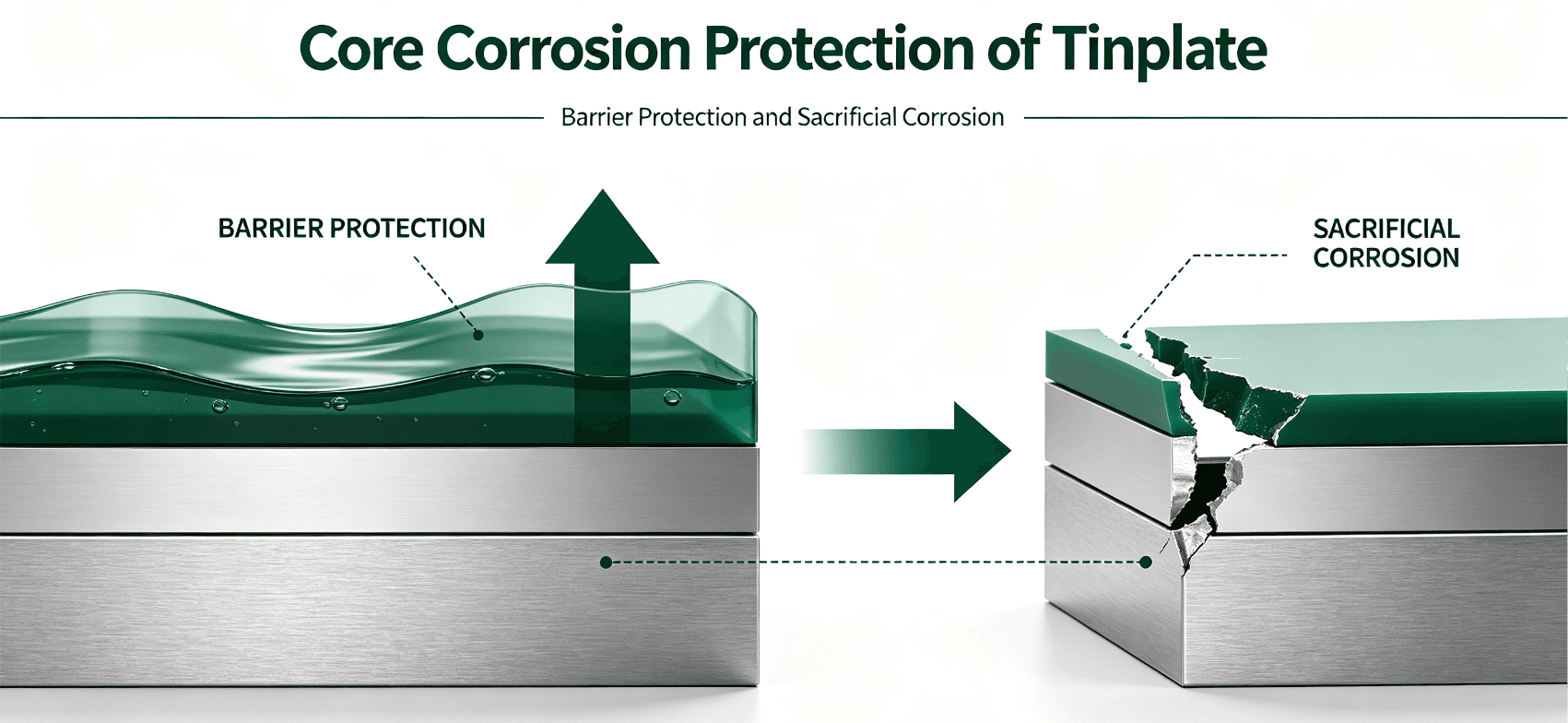
Sacrificial Corrosion & Barrier Protection: Core Anti-Corrosion Principle of Tinplate
The service life and storage safety of metal food cans largely depend on the anti-corrosion performance of packaging materials. As the most widely used substrate for food cans and general metal containers, ETP electrolytic tinplate adopts two core anti-corrosion mechanisms: barrier protection and sacrificial anode protection. These two protection systems work together to ensure stable corrosion resistance in complex food filling and high-temperature sterilization environments.
Want to know more?
Get in touch with us for more information about our services and products.