
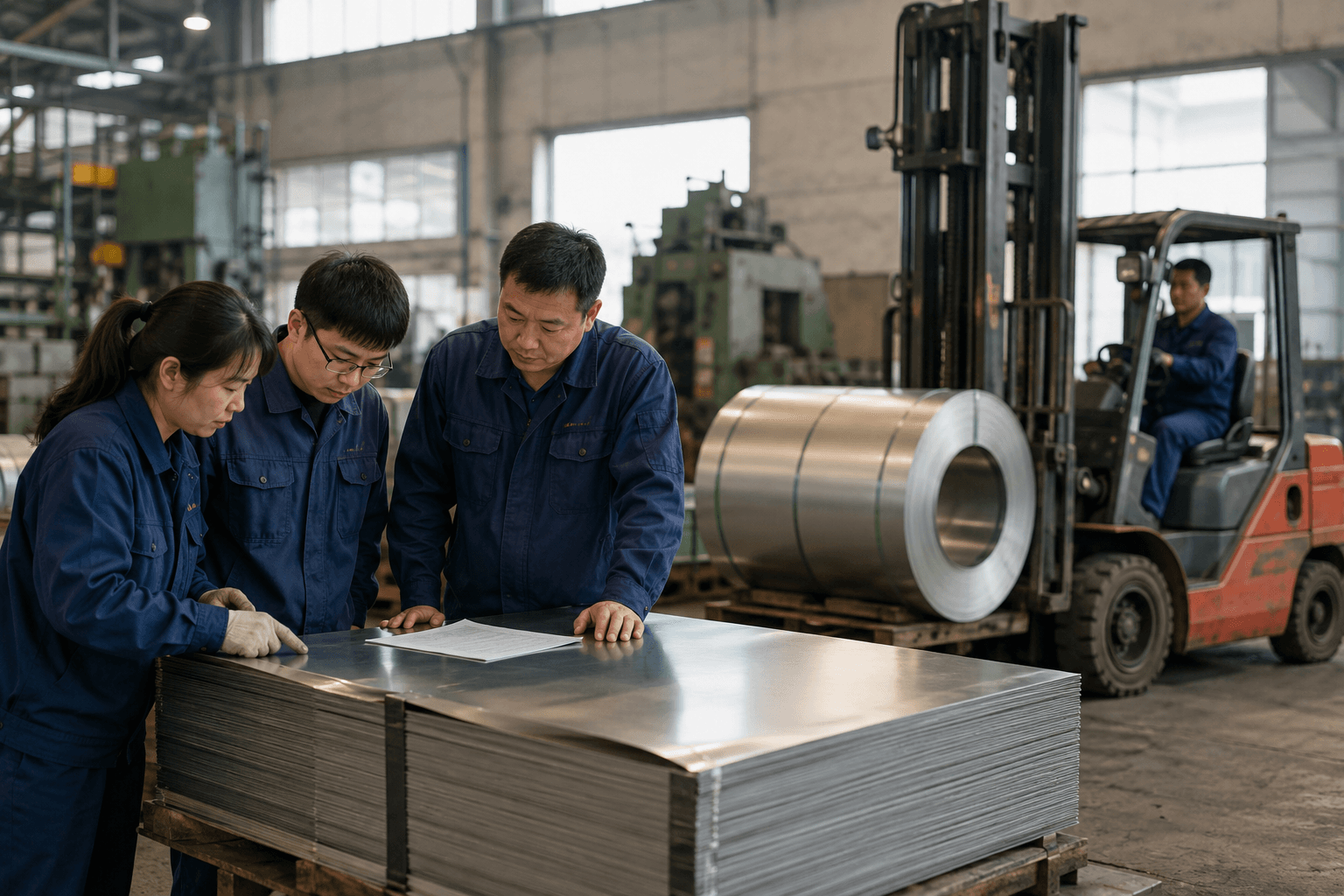
How to Source High-Quality Tinplate, Easy Open Ends, and Metal Cans Without Costly Supply Chain Risks
Understanding Your Metal Packaging Needs
The metal packaging industry offers diverse solutions for food and industrial applications, including tinplate, TFS (tin free steel), easy open ends, and can lids. Each material and component serves a distinct purpose, and matching the right specification to your product is the foundation of a reliable supply chain. As a metal packaging materials supplier, we see procurement teams make the same costly mistake repeatedly: prioritizing the lowest quotation over total performance. Learning how buyers compare tinplate prices without making a bad procurement decision can mean the difference between a production line that runs smoothly and one plagued by spoilage, leaks, or rejected shipments.
When evaluating potential sources, it is critical to match material properties—corrosion resistance, formability, coating adhesion—with your specific product requirements. Tinplate production involves precise electrolytic tinning processes that ensure food safety and long-term recyclability. Yet a lower quotation for tinplate or easy open ends frequently conceals hidden costs: inconsistent gauge leading to forming defects, substandard coatings that fail during sterilization, or a can lid manufacturer that cannot hold dimensional tolerances across production batches. These failures cascade into downtime, wasted inventory, and damaged customer relationships. A capable metal packaging containers supplier or metal packaging components supplier eliminates these risks before they reach your filling line.
Key Considerations for Tinplate and TFS
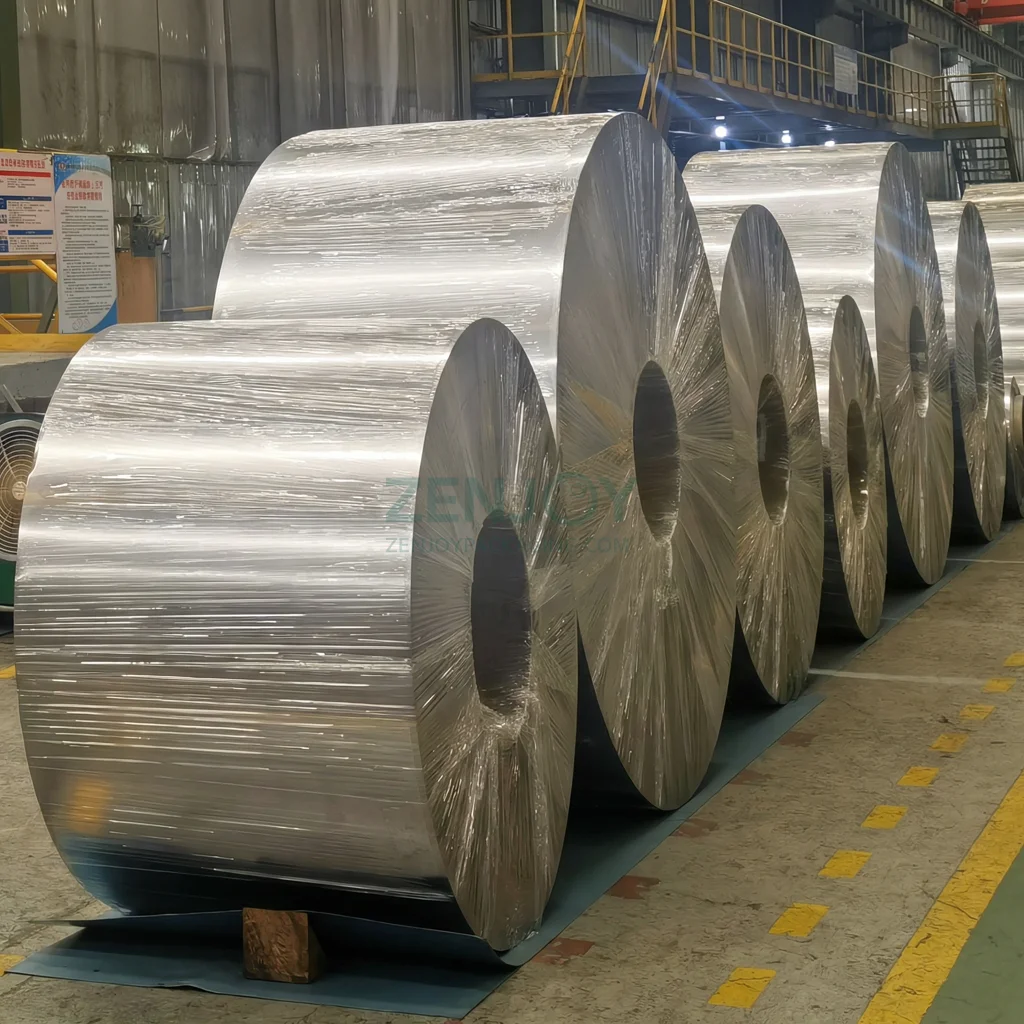
Tinplate (electrolytic tinplate) and Tin Free Steel (TFS, also referred to as chromium coated steel) are the primary substrate materials for can making. Tinplate offers excellent corrosion resistance and solderability, while TFS—a chromium coated steel coil product—provides superior adhesion for lacquers and is widely used for can ends and drawn components. When sourcing tinplate coil for manufacturing, you need absolute confidence that your supplier meets international standards and delivers consistent gauge, temper, and surface finish across every shipment. A reliable tinplate coil supplier or tinplate sheet supplier helps you avoid production delays that erode margins and disrupt your own delivery commitments. Understanding what causes tinplate lead time delays and how buyers can reduce the risk is essential for maintaining uninterrupted production schedules.
For food-contact applications requiring lead-free and fully compliant packaging, electrolytic tinplate sheet supplier qualifications matter. Verify that your source provides material traceability, mill test certificates, and adherence to food safety regulations in your target markets. When your product demands TFS instead—for example, on can ends where coating adhesion is paramount—partnering with a qualified tin free steel sheet supplier or tin free steel supplier ensures the chromium-coated surface performs exactly as required without delamination or corrosion under process conditions.
Easy Open Ends and Can Lids: Matching Performance with Packaging
Easy open ends (EOEs) have become standard for consumer convenience across food and industrial categories. Yet the engineering behind a properly functioning EOE is unforgiving. Sealing integrity must hold through retorting, vacuum, pressurization, and distribution stresses. As a specialized EOE lid supplier, we understand that score-line depth, rivet formation, and tab geometry are not interchangeable details—they directly determine whether your package arrives intact on the shelf or fails in the supply chain. A tinplate can lid manufacturer with deep process control ensures every steel can lid for cans performs consistently.
Non-standard openings require custom size easy open lid solutions backed by precision tooling and experienced manufacturing. Full aperture rectangular ends for specialty products such as processed meats or industrial compounds demand exacting dimensional control. The same applies to claw-type twist-off lids used across a broad range of jarred and canned goods. When selecting an easy open end supplier or can lid manufacturer, evaluate not only the lid specification itself but also compatibility with your existing can bodies and filling line equipment. A mismatched lining compound or incorrect curl dimension can force expensive changeover adjustments that compound over millions of units.
The Role of Can Manufacturing in Supply Chain Efficiency
Metal cans fall into two primary construction categories: two-piece (drawn and ironed, or D&I) and three-piece (rolled body with separate bottom and lid). Your choice depends on container geometry, internal pressure requirements, decoration needs, and filling process compatibility. A two-piece metal can supplier or two-piece can supplier can advise when the seamless D&I approach suits your product—commonly for carbonated beverages or products requiring smooth internal surfaces. Conversely, a three-piece tin can manufacturer or three-piece can supplier offers flexibility in diameter-to-height ratios and is well-suited for solid-pack foods, powders, and industrial goods.
Brand differentiation through custom printed tin cans is a powerful market advantage, but the printing process must not compromise the can's protective internal coating. Decoration systems that cure at excessive temperatures or use incompatible inks can damage the lacquer layer, leading to corrosion and product spoilage. For specialized food segments, dedicated suppliers matter: a milk can supplier understands the unique requirements of evaporated and condensed milk packaging, just as a meat can supplier or tuna can supplier knows the structural demands of protein-packed products that undergo aggressive thermal processing. For industrial applications, a round metal can supplier can provide robust packaging for lubricants, coatings, and other non-food contents where structural integrity defines shelf performance.
Selecting a Trusted Metal Packaging Materials Supplier
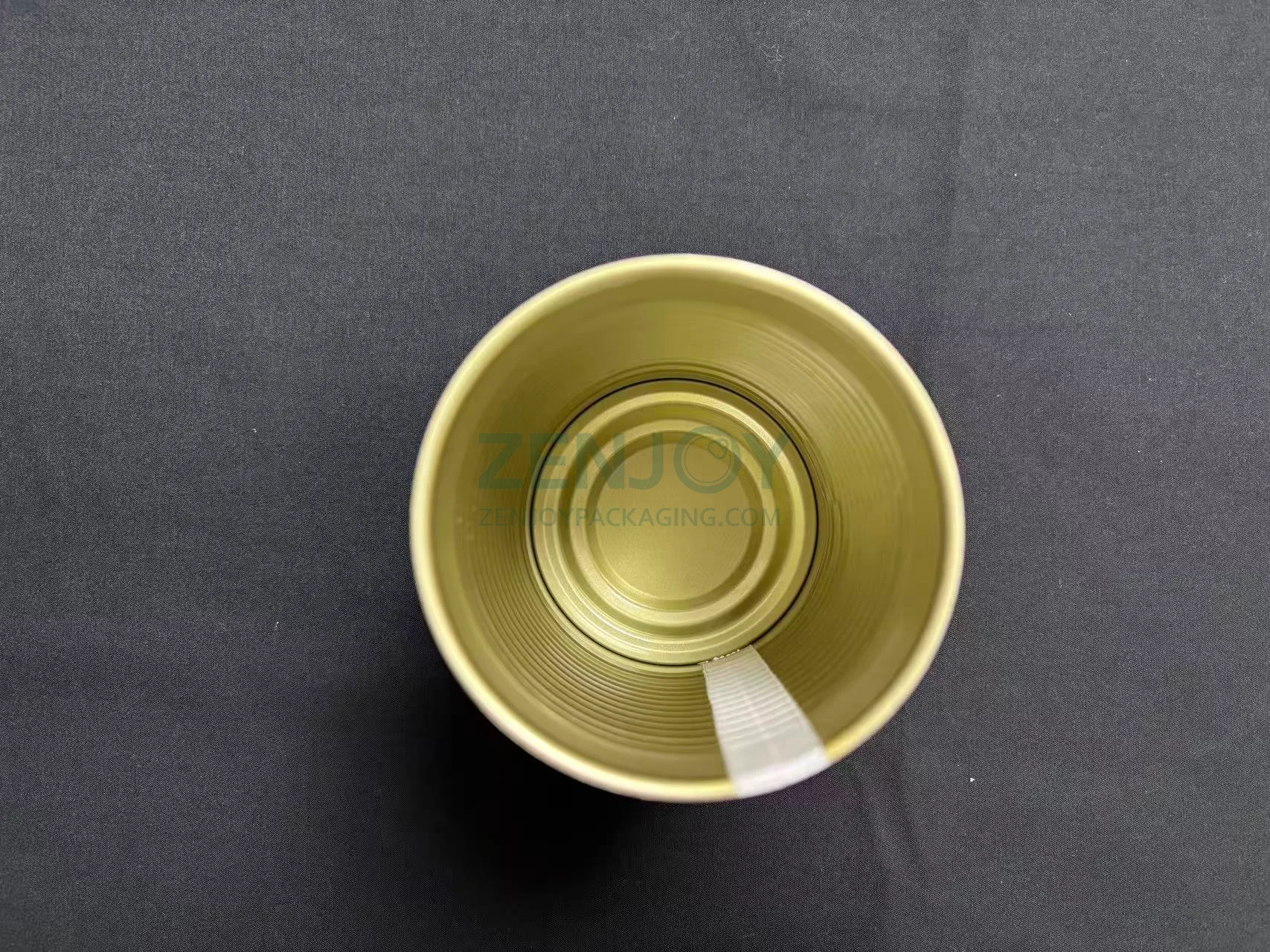
Beyond price comparison, effective supplier evaluation weighs quality certifications, lead time reliability, technical capability, and after-sales responsiveness. Knowing how to compare mill source, trader, and processing supplier options for tinplate orders gives procurement teams a structural advantage—you stop treating all quotes as equivalent and start identifying the partners who can actually deliver on their commitments. Verified success stories reinforce what data already tells us. Ahmed Hassan's experience with a comprehensive metal packaging partner illustrates the operational gains that come from consolidating sourcing through a supplier that controls quality at every stage.
Companies that transition to a vetted metal packaging materials supplier for their tinplate steel sheet in coil and custom metal can requirements consistently report fewer defects, reduced line stoppages, and faster production cycles. This total cost of ownership perspective—not unit price alone—determines long-term procurement success. Our product range spans tinplate claw-type twist-off lids, full aperture rectangle easy open ends, TFS scroll cutting sheets, and both two-piece and three-piece cans, all manufactured to rigorous standards and backed by responsive after-sales support that keeps your operations moving when challenges arise.
Optimize Your Metal Packaging Supply Chain Today
Avoid the common pitfalls of inconsistent material quality, misaligned component specifications, and unreliable lead times by working with a supplier that understands the full interaction between tinplate substrates, TFS components, easy open ends, and finished can manufacturing. Whether you need standard specifications or custom-engineered solutions, the right partnership transforms packaging from a recurring headache into a competitive advantage.
Contact our team today to discuss your specific metal packaging requirements.
Related News
Other news you might be interested in
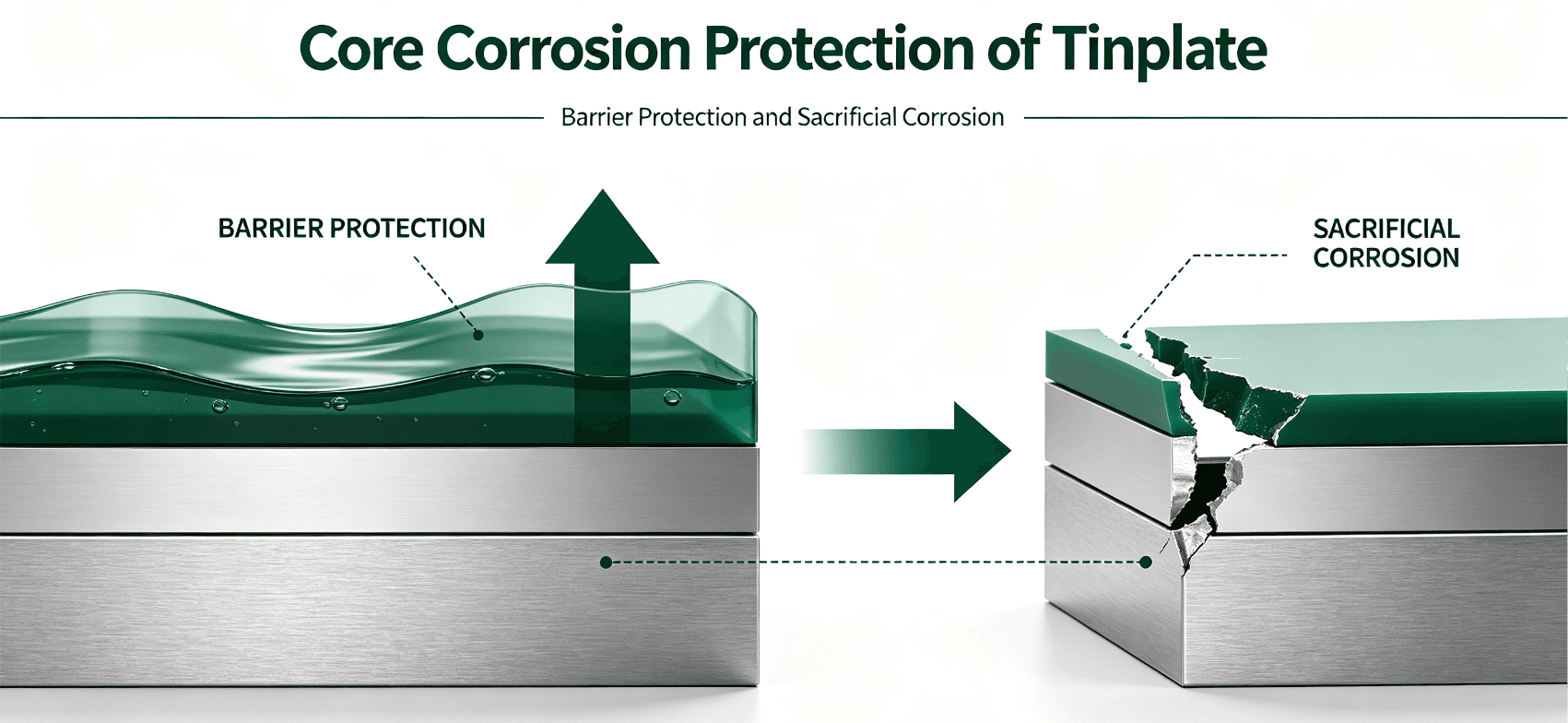
Sacrificial Corrosion & Barrier Protection: Core Anti-Corrosion Principle of Tinplate
The service life and storage safety of metal food cans largely depend on the anti-corrosion performance of packaging materials. As the most widely used substrate for food cans and general metal containers, ETP electrolytic tinplate adopts two core anti-corrosion mechanisms: barrier protection and sacrificial anode protection. These two protection systems work together to ensure stable corrosion resistance in complex food filling and high-temperature sterilization environments.

Sulfuration Black Spot Analysis: Material Causes and Solutions for Food Cans
Sulfuration black spots inside food cans are one of the most common quality puzzles for can manufacturers. Many factories mistakenly attribute the problem to coating or sterilization process issues. In fact, most recurring sulfuration discoloration stems from **incorrect metal substrate selection and surface passivation defects. This article professionally analyzes the essential material causes of can sulfuration black spots, clarifies the performance differences between ETP tinplate and TFS tin-free steel in anti-sulfur scenarios, and provides targeted, actionable solutions for mass can production.
Want to know more?
Get in touch with us for more information about our services and products.