
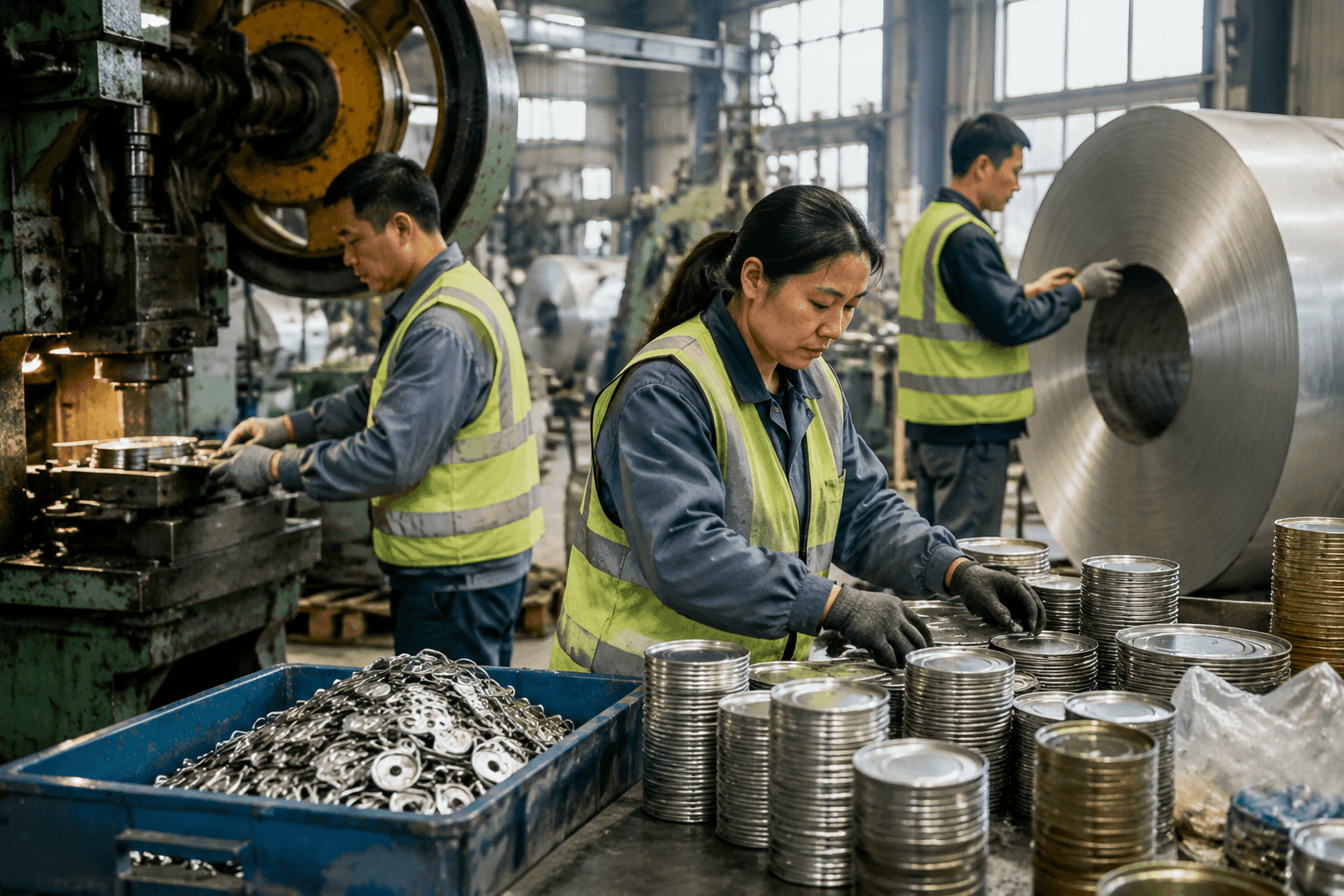
Optimize Your Metal Packaging Supply: Quality, Compliance & Efficiency Solutions
Choose the Right Metal Packaging Material to Minimize Costs and Maximize Durability
Selecting the optimal metal packaging substrate directly impacts your product safety, shelf life, and margins. Tinplate and tin-free steel (TFS) offer distinct advantages in corrosion resistance, formability, and recyclability. Yet inconsistent supply quality can lead to can failures and rejections. That’s why you need a partner who delivers precision—whether it’s electrolytic tinplate sheets, scroll-cut coils, or TFS for ends and lids. Our guide to comparing mill sources, traders, and processors helps you secure true mill-grade material, while our cut-to-spec services eliminate scrap and streamline your can-making line. Choose a TFS supplier who gives you lower material cost without compromising on end-seam integrity or print quality.
End-to-End Packaging Components: Easy Open Ends, Lids & Cans for Any Filling Line
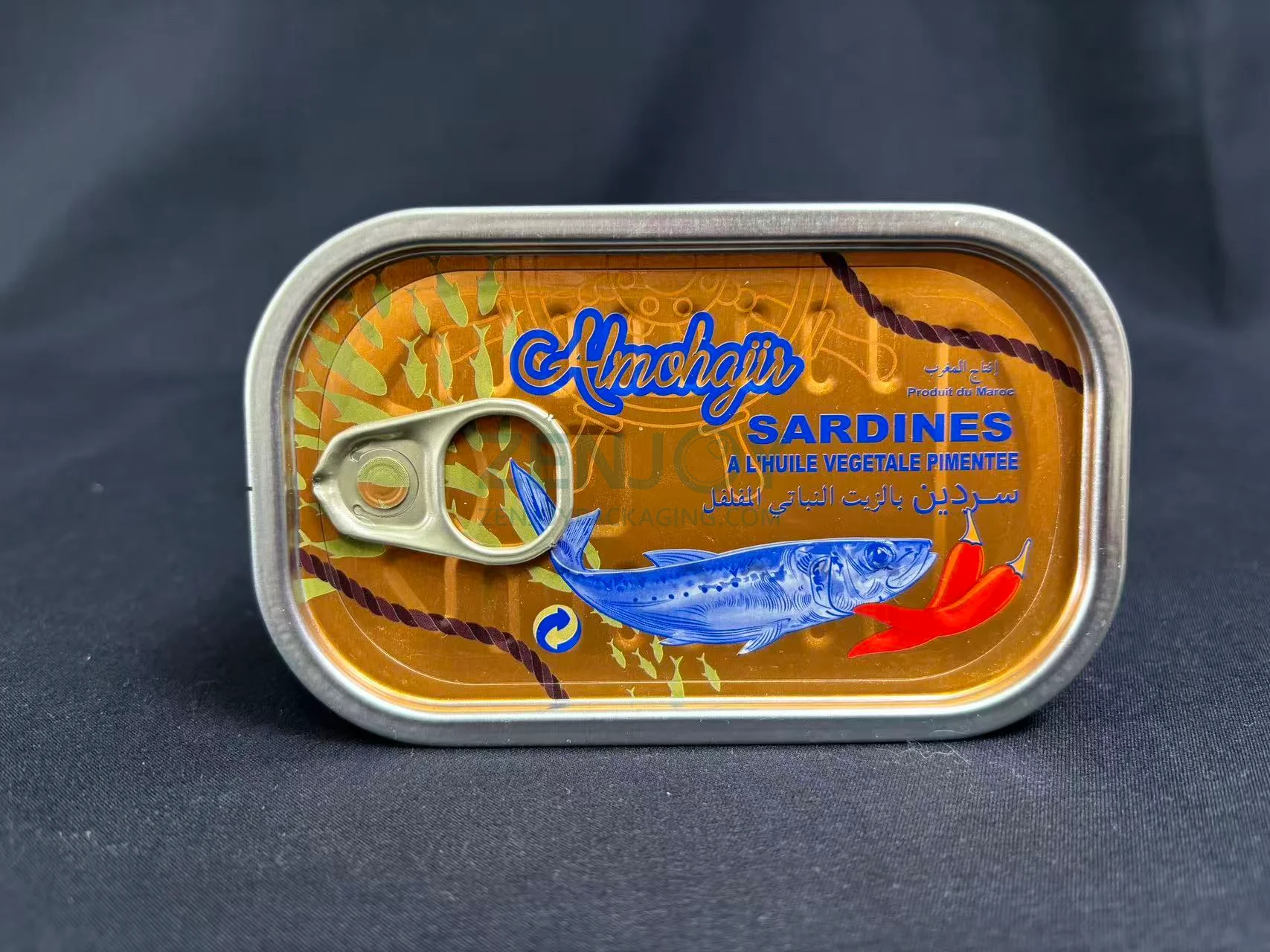
From full-aperture rectangle ends for meat and pet food to round ends from 49.5–153.4 mm, our EOE range fits any filler. Our claw-type twist-off lids seal jarred goods reliably, while custom-sized ends handle unusual container profiles. Need can bodies? We supply two-piece and three-piece cans, integrated with your line as a single-source partner. As a leading easy open end and can lid manufacturer, we maintain stock of standard EOE lids and can produce steel lids to your exact specs. Niche producers—milk can, tuna can—trust our sealing solutions to keep their products fresh and their lines running.
Elevate Shelf Presence with Custom Printing & Lacquering
Your packaging is your brand’s ambassador on the shelf. Our 9-step lacquering and printing process—cleaning, internal coating, multi-color offset, over-varnish—delivers graphics that resist scuffing and maintain gloss from factory to consumer. We process ETP and chromium-coated TFS coils from qualified mills, so your custom printed cans, decorative tins, or industrial containers stand out and stay consistent. Partner with us for metal packaging that sells before the customer opens it.
Streamline Your Supply Chain for Scale, Consistency & Cost Savings
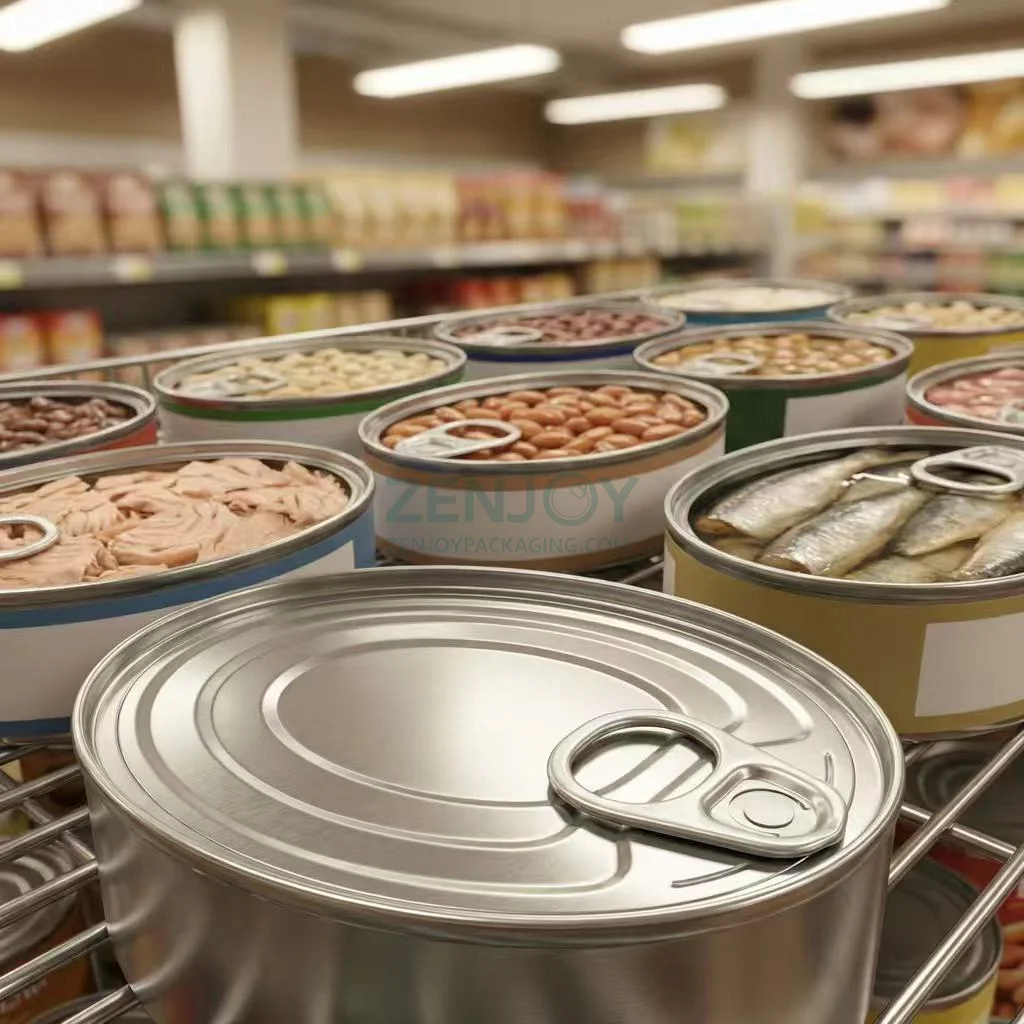
The metal packaging market is set to reach $154.83 billion by 2034, and brands that consolidate their supply chain will capture the margin. When you source tinplate, ends, lids, and printing from a single supplier, you cut lead times, streamline approvals, and access volume tier pricing. Our article on reducing tinplate lead time risks helps you plan for continuity, while our transparent cost-comparison approach has helped food processors achieve a 12% packaging cost reduction through optimized specs and just-in-time custom lid delivery. We don’t just promise efficiency—we prove it.
Partner with a Proven Metal Packaging Materials Supplier
From tinplate sheet to finished easy open ends, we provide a single point of accountability. As an established can lid manufacturer, three-piece can factory, and steel packaging specialist, we deliver the consistent quality that manufacturers like Ahmed Hassan depend on—read his story here. Whether you need standard round cans, two-piece bodies, or specialty meat cans, our team will configure a supply solution that meets your volume, specs, and timeline. Contact us today to start cutting packaging costs and securing your supply chain. Get in touch with our experts.
Related News
Other news you might be interested in

Tinplate Coating Peeling Risk Analysis and Avoidance Under High-Temperature Retort Sterilization
High-temperature retort sterilization is an essential process for shelf-stable food cans. However, long-term high-temperature and high-pressure environments easily cause coating blistering, delamination and peeling on the inner wall of metal cans. Many can manufacturers attribute coating failure solely to lacquer quality or baking process. In fact, **tinplate substrate performance, surface condition and material matching** are the core hidden causes of most high-temperature coating peeling problems. This article professionally analyzes the root causes of tinplate coating peeling under retort conditions, explains the difference in high-temperature resistance between ETP tinplate and TFS steel, and summarizes practical and operable avoidance solutions for mass production.
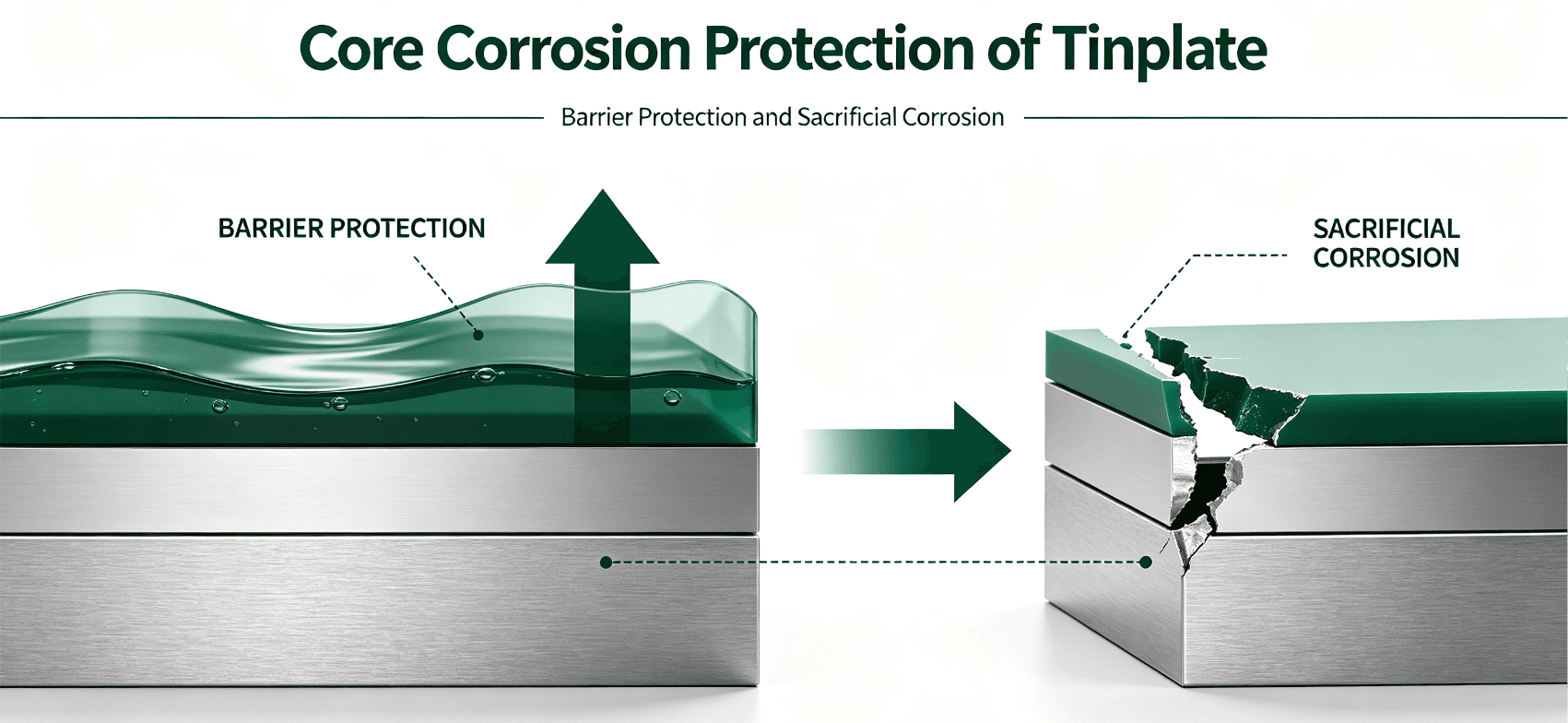
Sacrificial Corrosion & Barrier Protection: Core Anti-Corrosion Principle of Tinplate
The service life and storage safety of metal food cans largely depend on the anti-corrosion performance of packaging materials. As the most widely used substrate for food cans and general metal containers, ETP electrolytic tinplate adopts two core anti-corrosion mechanisms: barrier protection and sacrificial anode protection. These two protection systems work together to ensure stable corrosion resistance in complex food filling and high-temperature sterilization environments.
Want to know more?
Get in touch with us for more information about our services and products.