
Selecting the Right Metal Packaging Supplier: Tinplate, TFS, and Easy Open Ends
The Hidden Costs of Low-Cost Metal Packaging
It’s tempting to jump at the lowest quotation for tinplate, easy open ends, or can lids. The numbers look good on a spreadsheet, but that initial saving rarely survives contact with the production line. What you aren’t seeing are the downstream costs: inconsistent material leads to jammed seamers, coating defects trigger batch rejections, and poorly dimensioned lids cause slow-downs that eat into your margins. When a tinplate sheet supplier cuts corners on gauge tolerance or coating weight, your operation pays the price in waste, rework, and lost time. Smart buyers evaluate the total cost of ownership—not just the per-unit price. They know that a few dollars saved on a shipment of steel can lid for cans evaporates fast when a recall or line stoppage hits.
If you’ve ever wondered how buyers compare tinplate prices without making a bad procurement decision, the answer lies in looking beyond the invoice. You need dimensional accuracy that repeats order after order, lacquer adhesion that survives retorting, and delivery schedules you can actually depend on. When your metal packaging materials supplier treats these as non-negotiable, you protect your brand reputation and keep your line running smoothly.
Tinplate vs. Tin-Free Steel: Choosing the Right Substrate

The decision between electrolytic tinplate (ETP) and tin-free steel (TFS, also called chromium coated steel) shapes both your package performance and your long-term cost structure. Electrolytic tinplate sheet supplier options give you the corrosion resistance and solderability that food cans demand, especially when packaging aggressive products where the substrate needs to stay inert. On the other hand, if you’re producing ends, lids, or containers for dry goods, a tin free steel supplier can deliver a more stable price point because it avoids the volatility of tin markets.
Your application dictates the right move. For acidic or high-moisture foods, the extra protection of tinplate is often non-negotiable. For can lids or industrial packaging, chromium coated steel coil offers a reliable, cost-effective alternative. Many B2B buyers find that a blend—using tinplate coil for manufacturing bodies and TFS for ends—optimizes cost without sacrificing safety. To make that call precisely, you need to compare mill source, trader, and processing supplier capabilities for your tinplate orders. The source of your substrate isn’t just a line item; it’s the foundation of your packaging integrity.
Specifying Can Lids and Easy Open Ends for Your Production
Easy open ends have become a hygiene and convenience standard, but not all EOEs are equal. As a custom size easy open lid buyer, you need more than a generic diameter—you need the precise curl dimensions, score depth, and panel geometry that match your can’s neck and seaming setup. Any deviation translates into micro-leaks, difficult opening, or worse, vacuum loss that compromises shelf life. Working with an established easy open end supplier means your specs are engineered to your can’s exact requirements, not taken from a one-size-fits-all catalog.
For traditional cans, steel can lids for cans—including twist-off and pry-off types—require careful attention to the compound lining and metal preparation. A reliable can lid manufacturer will provide full traceability on the lacquer system and dimensional reports, so you can pass audits without scrambling. Whether you need a standard EOE lid supplier for round cans or a custom opening feature, the key is to partner with a team that understands your filling process and doesn’t treat lids as a commodity.
Secure Your Supply Chain with a Reliable Metal Packaging Partner
As the three-piece metal can market expands, the pressure on procurement teams intensifies. You can’t afford surprises. That’s why forward-looking buyers lock in relationships with metal packaging containers supplier partners who manage everything from raw coil to finished lids. Instead of juggling a separate tinplate coil supplier and a three-piece tin can manufacturer, you consolidate your sourcing with a full-service partner that offers metal packaging components supplier consistency across all inputs.
Consider the experience of Ahmed Hassan’s team: after battling repeated tinplate lead time delays from fragmented vendors, they switched to a single provider that coordinates production from coil to finished custom printed tin cans. The result? Their operation moved from reactive to reliable, cutting downtime and inventory guesswork. When your supplier handles everything from tinplate scroll cutting sheets to custom printed tin cans, your team stops worrying about material availability and starts focusing on filling capacity and market growth.
Next Steps: Get a Tailored Quote for Your Packaging Needs
Whether you need a dedicated two-piece metal can supplier, a three-piece can supplier for varied diameters, or a specialist in custom size easy open lids for existing lines, your requirements deserve a response that matches the precision of your packaging. Our team works with you to specify the right substrate—whether it’s tin free steel sheet supplier material for lids or tinplate coil for manufacturing your can bodies—and delivers fully finished components or raw material, exactly as you need them. Our quotation process is transparent and built for B2B buyers who demand speed and accuracy. Contact us today to discuss your project and receive a competitive, tailored proposal that reflects your exact specifications and production timelines.
Related News
Other news you might be interested in
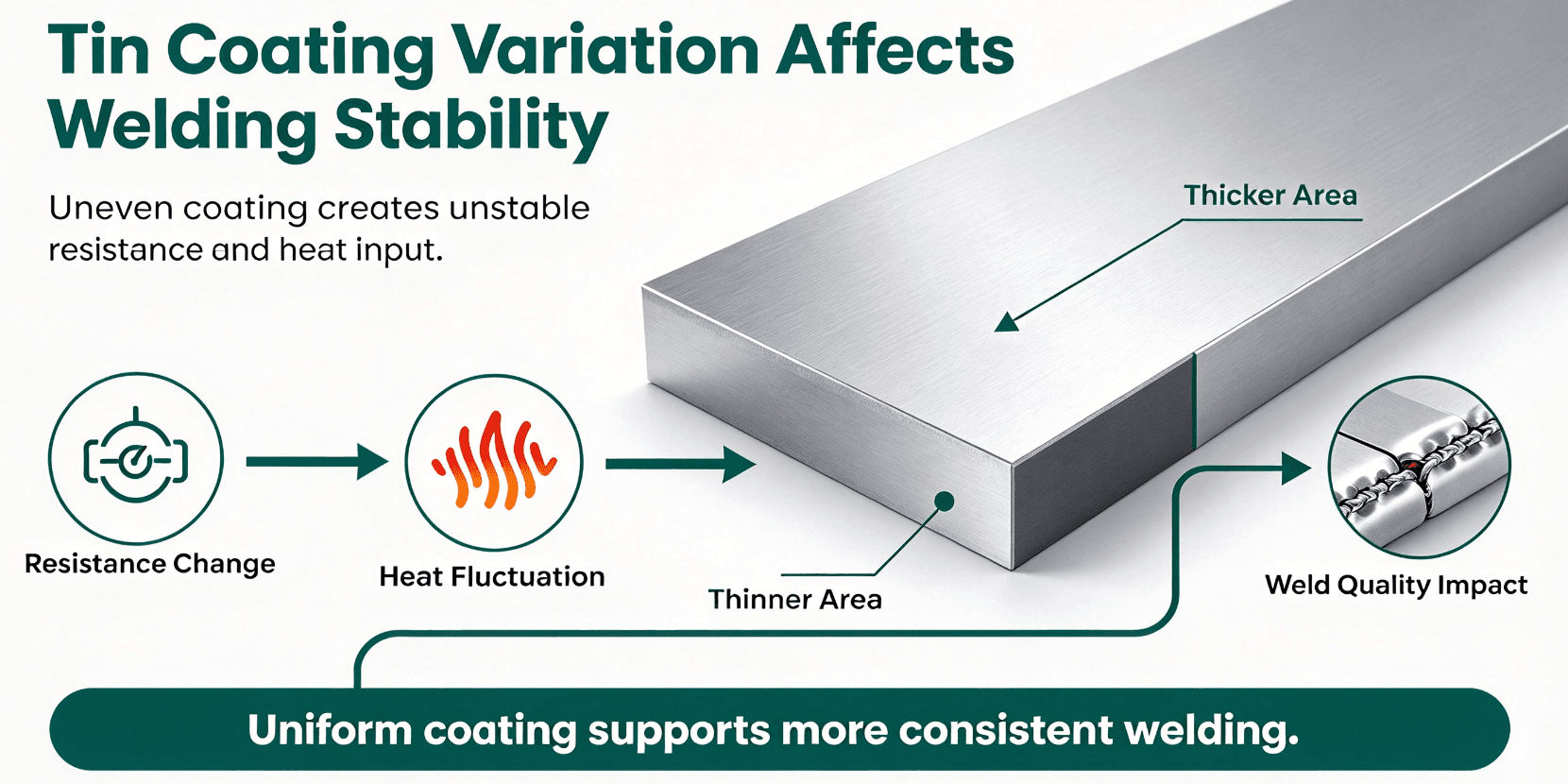
Weld Spatter & Leakage Defects: The Decisive Role of Tin Coating Uniformity in Can Welding Quality
High-speed resistance seam welding is the core forming process for three-piece metal cans. In actual mass production, persistent weld spatter, granular slag residue and hidden seam micro-leakage severely compromise sealing consistency, sterilization resistance and finished product yield. Most manufacturers tend to attribute these defects to unstable current, improper pressure or worn welding wheels. However, industrial verification proves that uneven tin coating distribution on tinplate is the fundamental material-induced root cause of recurring welding spatter and leakage issues.
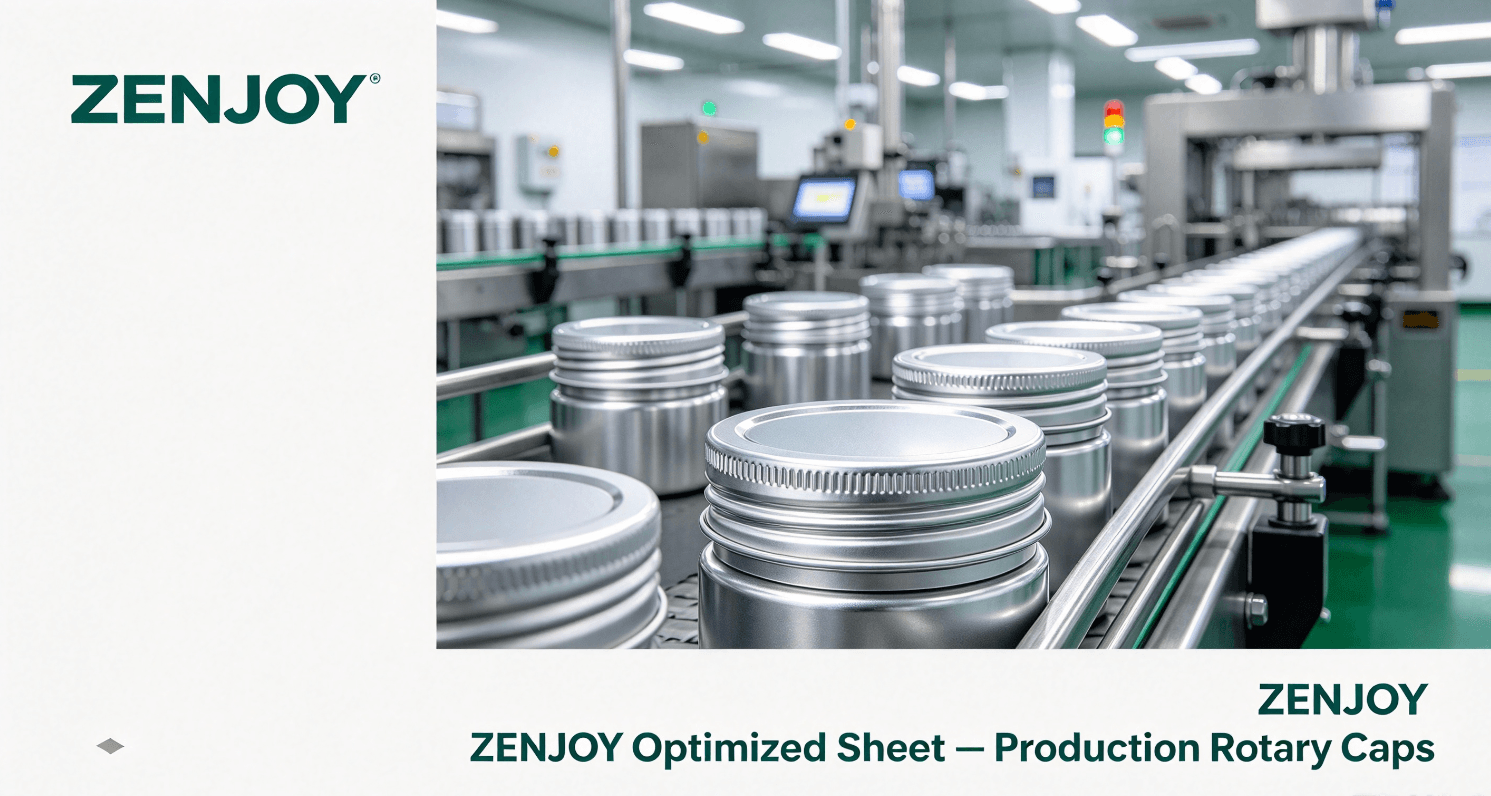
Low-Earing CA Annealed Tinplate: The Optimal Material for Stable Twist-Off Lid Deep Drawing & High Yield Rate
Twist-off lid manufacturing has extremely strict requirements on material anisotropy and ductility. Different from regular can bodies, twist-off lids undergo complex deep drawing, edge trimming and crimping processes, making them highly sensitive to uneven steel performance. According to actual mass production verification, no alternative tinplate grades can achieve stable forming results for twist-off lid production. Low-earning CA continuous annealed tinplate remains the most suitable and high-performance material dedicated for twist-off lid stamping.
Want to know more?
Get in touch with us for more information about our services and products.