
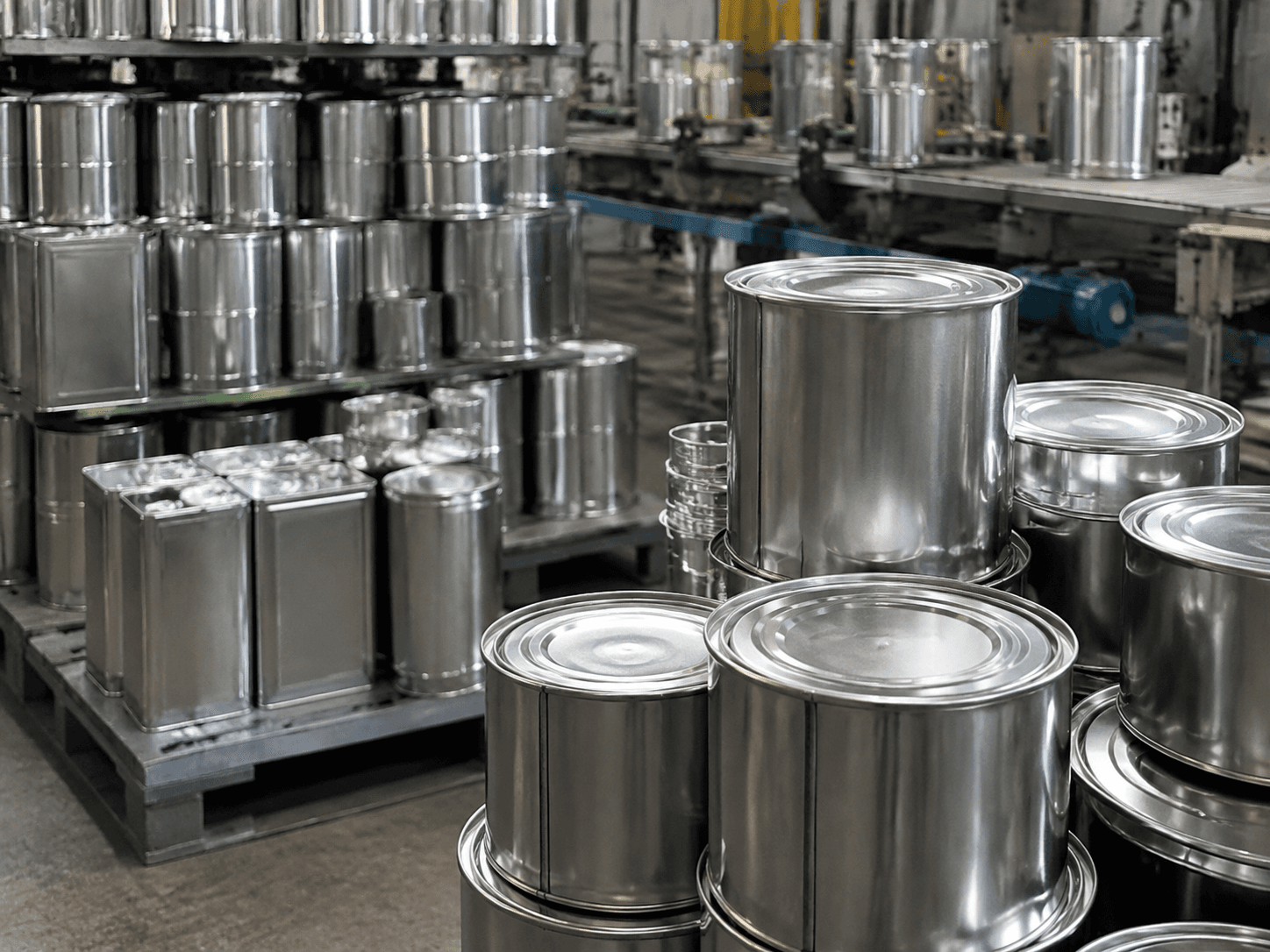
Selecting Tinplate for Solvent and Chemical Cans: Coating and Compatibility Checklist
Tinplate sheet is widely used for paint cans, coatings cans, adhesive containers, lubricants, cleaning products and other industrial metal packaging. For these applications, however, buyers should not select material based on thickness or price alone.
The packed product, solvent system, internal coating, can structure and filling process all affect whether a Tinplate solution is suitable. A material that performs well for one water‑based coating or oil product may not be the right choice for a strong solvent, acidic chemical or long‑storage application.
For can manufacturers and industrial packaging buyers, the practical starting point is to define the filling product and production process before confirming the Tinplate specification.
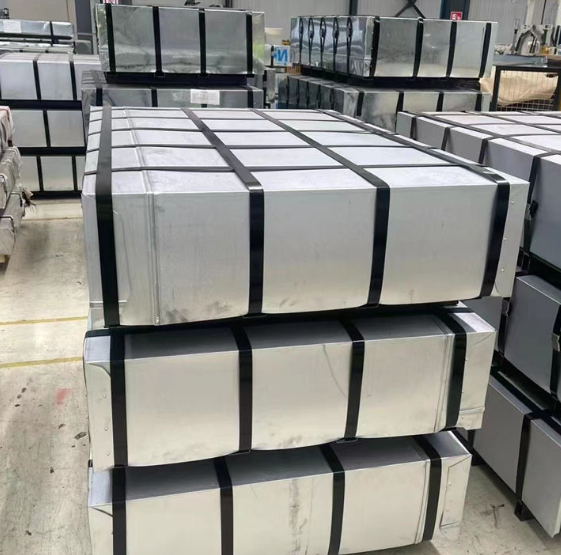
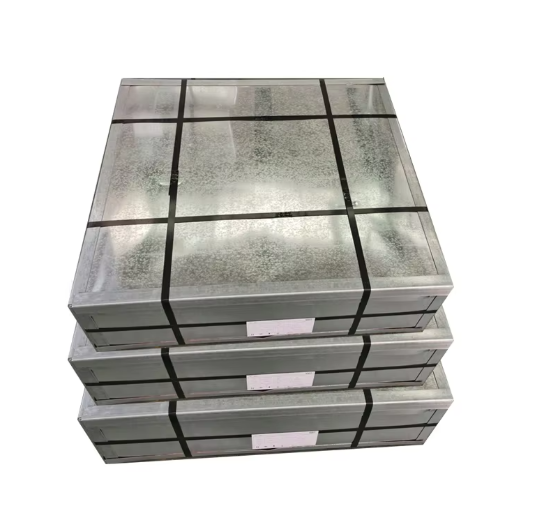
Tinplate cut‑to‑length and scroll cutting sheet can be supplied for sheet‑fed printing, stamping and can‑body production. For continuous production lines, Tinplate steel sheet in coil may be the more suitable supply format.
Why Chemical Can Applications Need More Material Confirmation
Industrial cans do more than hold a product. They need to withstand forming, welding or seaming, filling, storage, stacking and transportation without avoidable corrosion, leakage or appearance problems.
When sourcing Tinplate sheet for chemical cans, buyers should first consider:
- Whether the content is water‑based, oil‑based, solvent‑based or chemically reactive
- The expected storage period and warehouse conditions
- Whether the can includes an internal lacquer or protective coating
- The can diameter, height, body structure and end design
- Whether the production line uses welding, stamping, drawing or sheet‑fed printing
- The required appearance of the final can, especially for printed retail packaging
Tinplate provides strength, forming performance and a printable metal surface. However, the final packaging performance depends on the complete system, including the substrate, coating, can‑making process and packed product.
Internal Coating Compatibility Is a Key Checkpoint
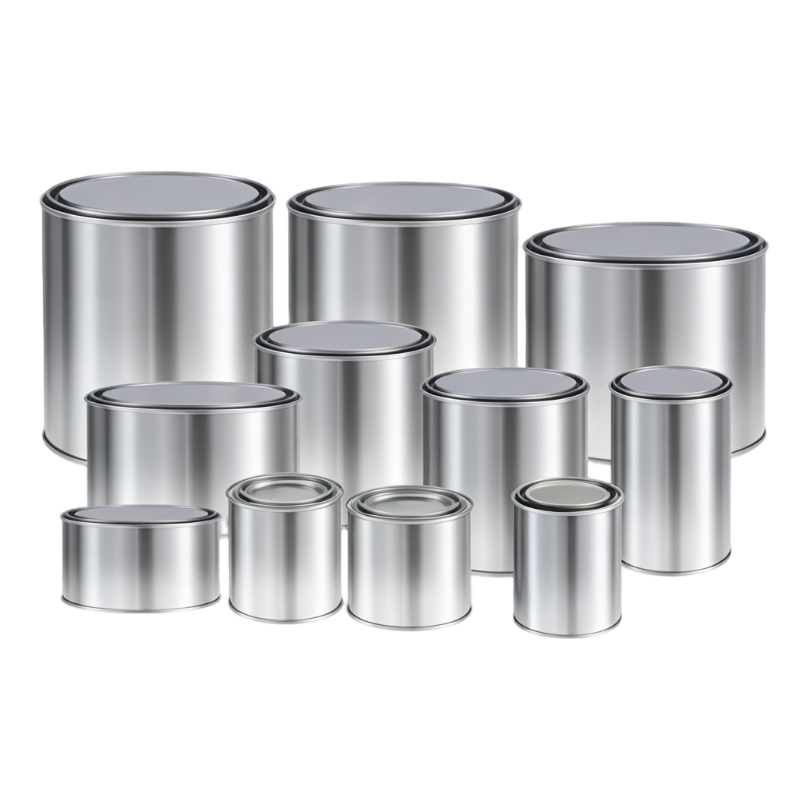
For solvents, chemicals, paints, coatings and cleaning products, the inside of the can may need a suitable protective lacquer. The purpose is to help reduce direct contact between the product and the metal surface where required by the application.
The correct coating cannot be selected by a generic description such as “chemical‑resistant.” Compatibility should be evaluated against the actual filling product and its conditions of use.
Before confirming the material, buyers should share as much relevant information as possible, including:
- Product category and main chemical characteristics
- Whether the product contains water, oil, alcohol, solvent or other active components
- Filling temperature and filling method
- Expected shelf life
- Whether the product will be stored in hot, humid or coastal conditions
- Current can material and internal coating, if there is an existing specification
- Any previous corrosion, discoloration, adhesion or leakage issue
A trial using the intended can structure, lacquer system and filling product is often the most practical way to reduce uncertainty before a repeat or bulk order.
Tinplate Properties That Affect Can Production
Material selection should support stable processing as well as packaging compatibility. The following factors should be confirmed for each chemical‑can project.
| Item | What Buyers Should Confirm |
|---|---|
| Material form | Coil, sheet, cut‑to‑length sheet or scroll cut sheet |
| Thickness | Based on can size, required strength, forming method and material yield |
| Temper | Suitable hardness for bending, welding, stamping, beading or end forming |
| Tin coating | Coating requirement according to corrosion protection and final application |
| Surface finish | Surface condition needed for lacquering, printing and final appearance |
| Sheet size or coil width | Matched to the can‑body layout or stamping tool to control waste |
| Internal coating | Coating type and compatibility with the packed product |
| Production process | Printing, lacquering, welding, stamping, forming, seaming or curing conditions |
| Packing | Moisture protection, edge protection and export packing requirements |
| Quantity and delivery | Trial order, repeat volume, destination port and requested lead time |
For printed industrial cans, surface quality and coating adhesion also matter. Lacquered and printed ETP/TFS sheets may be relevant when the project requires pre‑treated or printed metal sheets.
The suitable option should match the buyer's printing process, coating system and final can design.
Tinplate or TFS: Do Not Choose Only by Material Cost
Tinplate and TFS can both be used in industrial metal packaging, but they have different surface characteristics and coating requirements. TFS is often considered for applications where paint or lacquer adhesion is important, while Tinplate remains widely used for many can bodies and packaging components.
The suitable choice depends on the specific can design and the complete coating system. Buyers should avoid replacing one material with another based only on raw‑material cost, especially when the change affects stamping, welding, corrosion protection or printed appearance.
For projects using TFS, TFS sheet in coil and TFS scroll cutting sheet can be reviewed according to the required supply format and processing route.
Information to Submit for a Material Recommendation
To receive a more useful quotation and material recommendation, please send:
- Final application: paint can, coating can, adhesive can, lubricant can, cleaning‑product can or other industrial container
- Can drawing, diameter, height and body/end structure
- Required Tinplate or TFS supply form
- Thickness, temper, coating weight and surface finish, if available
- Sheet size, coil width or blank layout
- Printing and internal‑lacquer requirements
- Filling product information and expected storage conditions
- Trial quantity, monthly demand, destination port and target delivery date
---
Related News
Other news you might be interested in
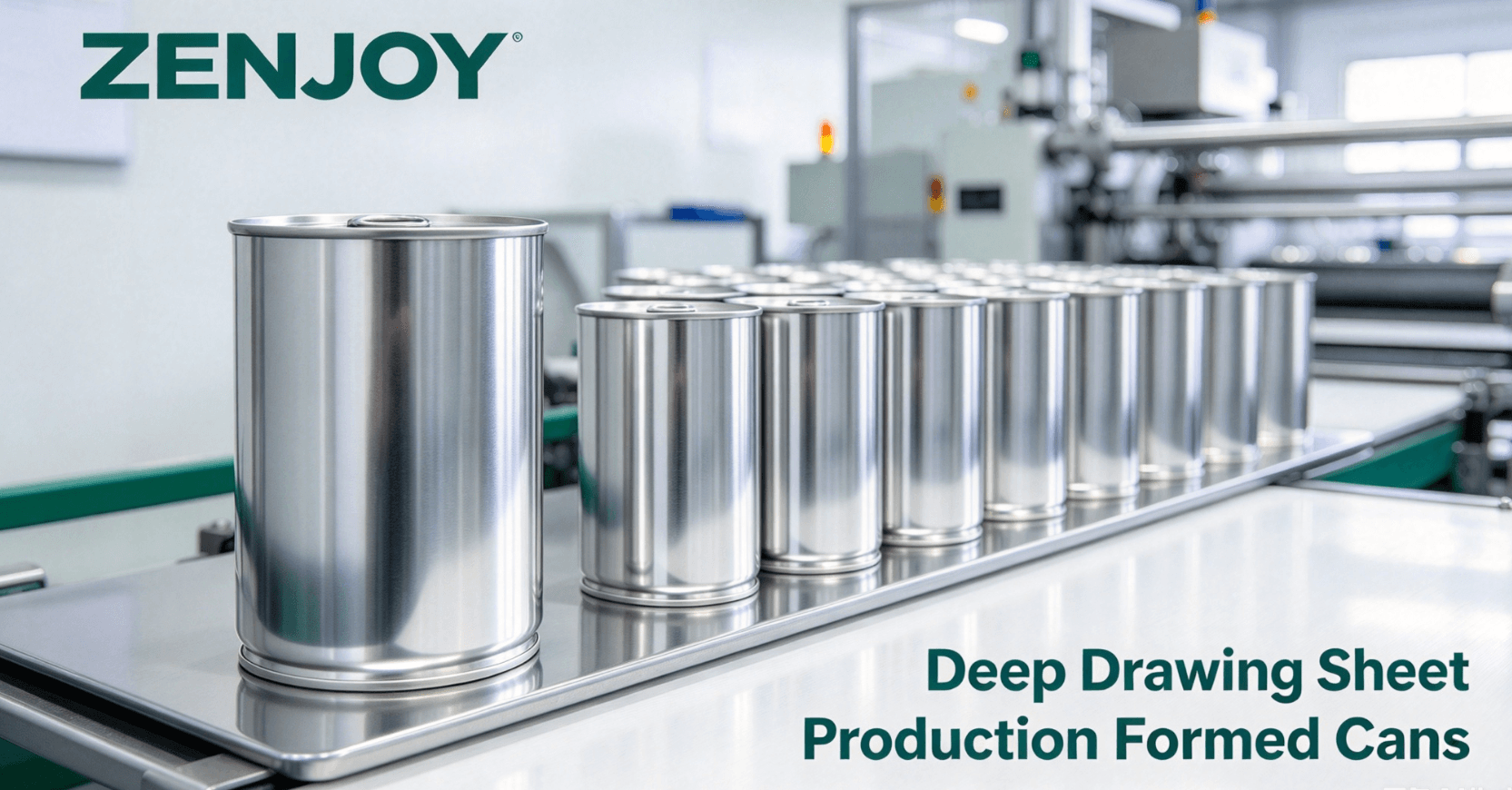
Deep Drawing Cracking Dilemma: How Tinplate Hardness and Elongation Affect Can Forming
Deep drawing cracking is one of the most common mechanical defects in DRD two-piece cans and complex shaped metal containers. Most stamping failures are not caused by mold parameters or lubrication issues, but by mismatched tinplate hardness and insufficient elongation. Unreasonable material temper selection will lead to edge cracking, body tearing and high scrap rate during high-speed continuous forming.

Tinplate Coating Peeling Risk Analysis and Avoidance Under High-Temperature Retort Sterilization
High-temperature retort sterilization is an essential process for shelf-stable food cans. However, long-term high-temperature and high-pressure environments easily cause coating blistering, delamination and peeling on the inner wall of metal cans. Many can manufacturers attribute coating failure solely to lacquer quality or baking process. In fact, **tinplate substrate performance, surface condition and material matching** are the core hidden causes of most high-temperature coating peeling problems. This article professionally analyzes the root causes of tinplate coating peeling under retort conditions, explains the difference in high-temperature resistance between ETP tinplate and TFS steel, and summarizes practical and operable avoidance solutions for mass production.
Want to know more?
Get in touch with us for more information about our services and products.