
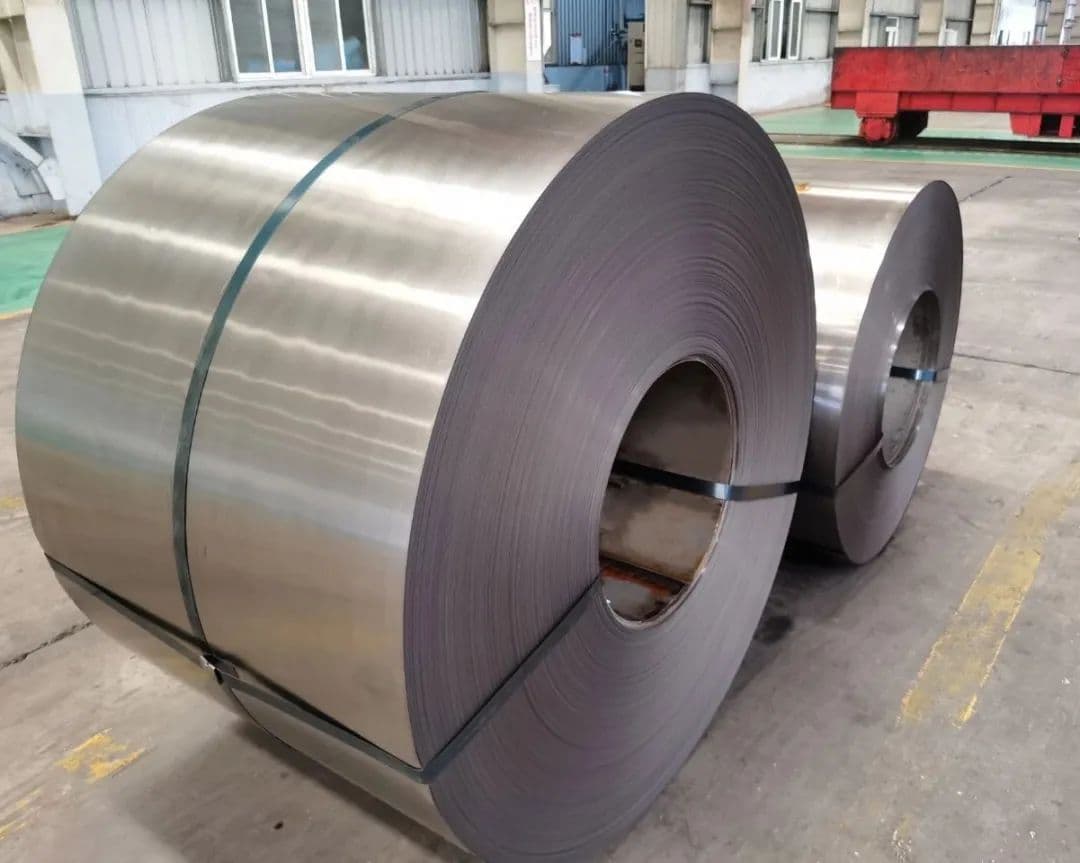
Tinplate vs TFS: How to Choose the Right Material for Your Packaging Line
If you are choosing materials for cans, lids, closures, printed sheets, or metal packaging parts, tinplate and TFS are usually two of the first options on the table. They look similar in some applications, but they are not the same material. The right choice depends on your product type, coating system, forming process, corrosion exposure, and total production cost.
For buyers, the most important question is not “Which material is better?” but “Which material is better for this packaging line and this final product?”
What Is Tinplate?
Tinplate is steel sheet coated with a thin layer of tin. It is widely used in metal packaging because it offers good formability, good appearance, and solid corrosion protection when used correctly.
Tinplate is a classic choice for food cans, decorative tins, beverage-related packaging parts, and many kinds of metal containers.
What Is TFS?
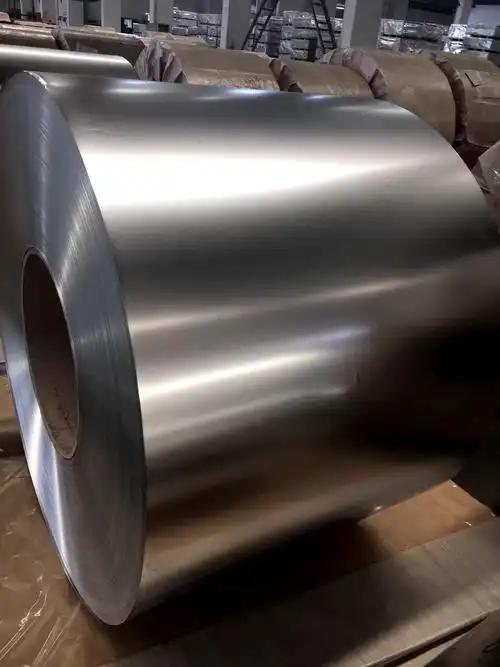
TFS stands for Tin Free Steel, also known as ECCS in many markets. Instead of a tin layer, it uses a chromium-based coating system. TFS is often used where strong paint adhesion, good surface performance after coating, and cost control matter.
TFS is commonly used for lids, closures, dry food packaging, printed sheets, and some industrial or chemical packaging parts. In many cases, it works best when paired with the right lacquer or coating system.
Tinplate vs TFS: Key Differences
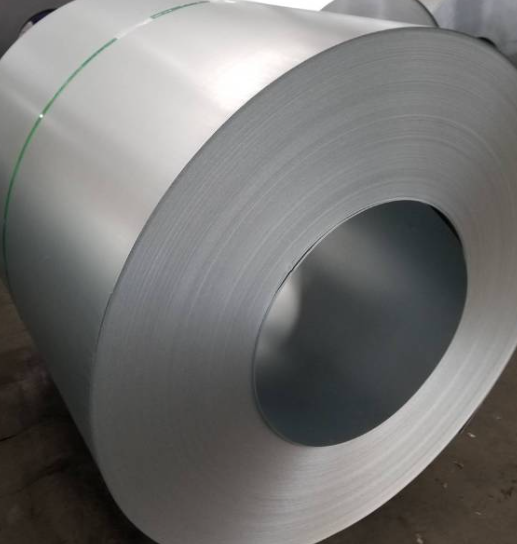
| Item | Tinplate | TFS | What It Means for Buyers |
|---|---|---|---|
| Surface coating | Tin coating | Chromium-based coating | The surface behavior and coating compatibility are different |
| Corrosion protection | Strong and well known | Depends more on lacquer system | TFS usually relies more on the final coating design |
| Forming performance | Good for many can-making jobs | Good for many coated applications | Both can be used in packaging, but the final product matters |
| Printing and coating | Widely used for printed packaging | Often preferred for painted or lacquered parts | TFS is often chosen for coated closures and lids |
| Cost control | Usually higher than TFS in many cases | Often more cost-friendly | TFS can help reduce material cost in suitable applications |
| Common applications | Food cans, decorative tins, can bodies, lids | Lids, closures, printed sheets, dry goods packaging, industrial parts | Choose based on the end use, not just the raw material price |
Which One Should You Choose?
The best answer depends on your packaging line and the product inside the package.
Choose tinplate if:
Your product needs a proven packaging material with strong all-round performance. Tinplate is often a good choice for food cans, decorative tins, and products that need a stable balance of appearance, forming, and corrosion resistance.
Choose TFS if:
Your product is better suited to a coated or lacquered structure, or if you want a material that can work well for lids, closures, printed sheets, and cost-sensitive packaging parts. TFS is often used in applications where surface treatment is part of the final design. Choose based on the end product: A food can, a tea tin, an easy open end, and a chemical container do not have the same material needs. The right material should match the product, the sealing method, the coating system, and the production line.
Practical Factors Buyers Should Check Before Ordering
1.Product type
Ask first: is this for food, dry goods, decorative packaging, or industrial use? The answer changes the material choice immediately.
2.Corrosion exposure
If the contents are more sensitive to moisture, acidity, or long storage, the protection system matters more. Tinplate is often selected for stronger all-round corrosion performance, while TFS usually depends more on the coating design.
3.Forming and processing
If your packaging line involves deep drawing, stamping, curling, or repeated shaping, you need to match the material with the forming requirement. A material that looks fine on paper may still create waste on the line if the wrong temper, thickness, or coating is used.
4.Printing and appearance
If the final product needs a clean printed surface, branding consistency, or a decorative look, the coating and printing process should be checked early. This is especially important for tea tins, biscuit tins, gift tins, and other visible packaging.
5.Total cost, not just sheet price
The cheapest raw material is not always the cheapest solution. Yield loss, coating failure, production downtime, and rework can cost more than the sheet price itself. The better question is: which material gives you the most stable total cost for your product?
6.Repeated supply and consistency
For many buyers, especially small and medium-sized businesses, the key issue is not only the first order. It is whether the supplier can keep the same specification, the same quality, and the same delivery rhythm for repeat orders.
Common Use Scenarios
Tinplate is often a strong fit for:
- Food cans
- Beverage-related metal packaging parts
- Decorative tins
- Gift boxes and printed tins
- Products that need a familiar, stable packaging material
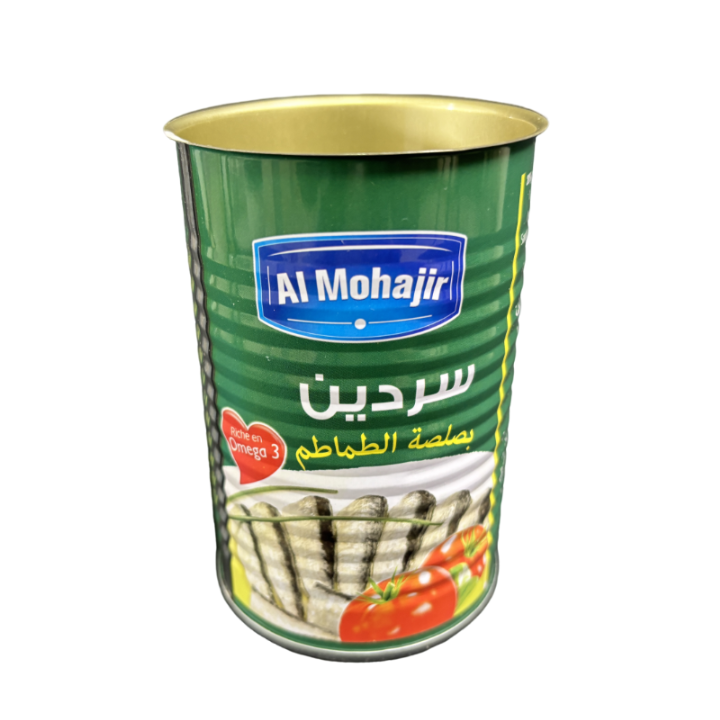
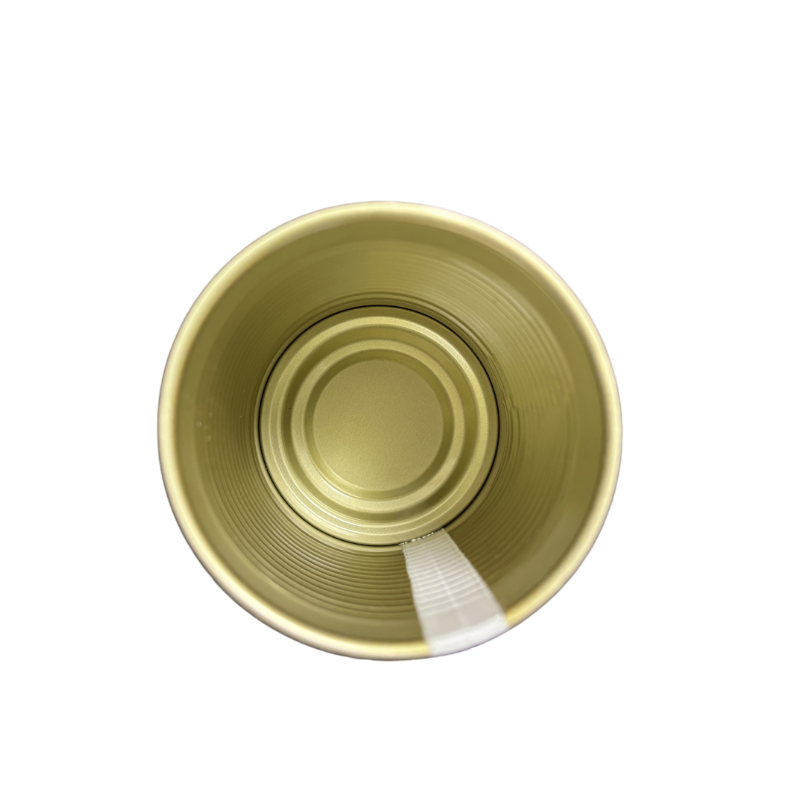
TFS is often a strong fit for:
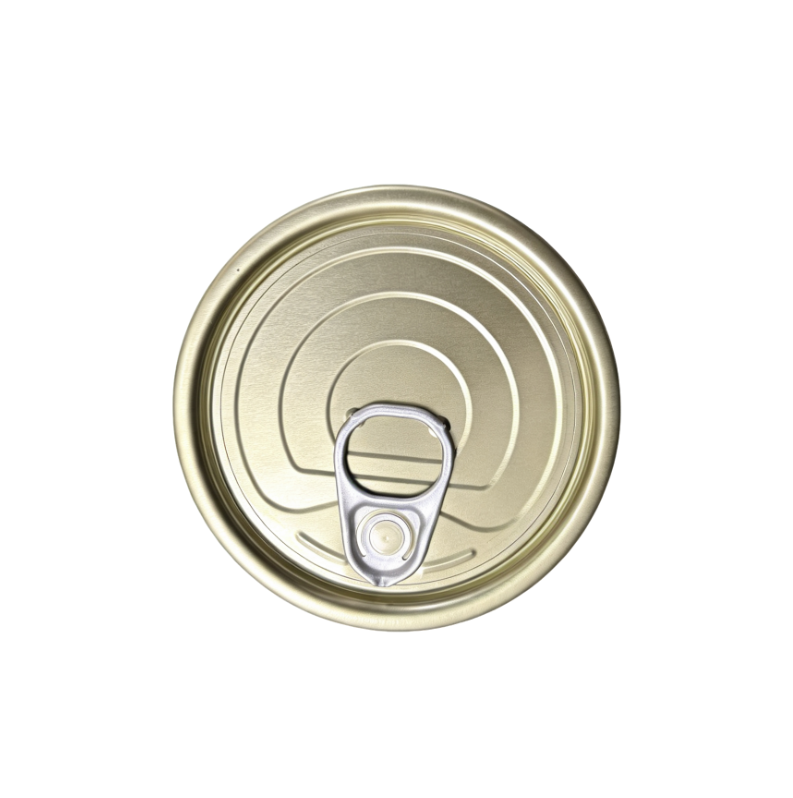
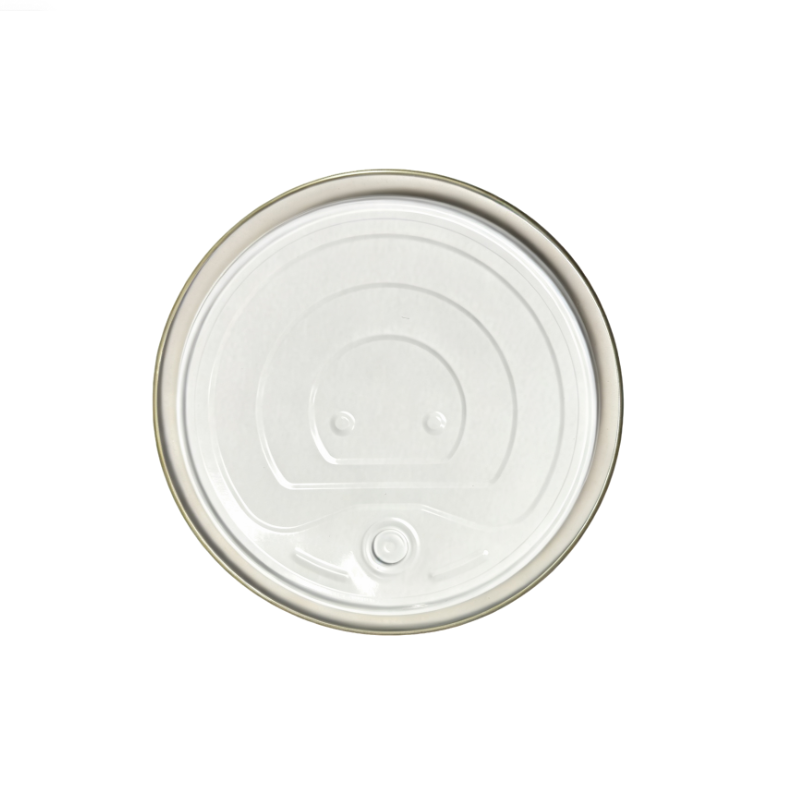
- Easy open ends
- Lids and closures
- Printed or lacquered sheets
- Dry food packaging
- Some industrial packaging parts
- Cost-sensitive applications where coating design is already part of the process
A Simple Buying Rule
If your package depends more on the base metal’s general balance of formability, protection, and appearance, tinplate is often the safer starting point.
If your package depends more on surface treatment, coating performance, and cost control, TFS may be the better fit.
FAQ
Is tinplate always better than TFS?
No. Tinplate is not automatically better. It is better for some products and less efficient for others. The correct choice depends on the package design, the contents, and the production process.
Can TFS be used for food packaging?
Yes, in suitable applications with the right coating system and packaging design. The final decision should always be based on the product requirements and the target shelf-life conditions.
What should I ask a supplier before placing an order?
Ask about thickness, temper, surface treatment, coating system, forming requirement, available specifications, lead time, and repeat order consistency. These details matter more than a simple material name.
Conclusion
Tinplate and TFS both play important roles in metal packaging. Tinplate is a strong all-round choice for many food and decorative packaging uses. TFS is often a practical choice for lids, closures, printed sheets, and coated packaging parts where cost and surface performance matter.
If you are planning a new packaging line or comparing material options for an existing one, the best approach is to start from the final product, then work backward to the material. That is the fastest way to avoid waste, reduce risk, and improve order stability.
For buyers looking for tinplate, TFS, printed sheets, easy open ends, or custom metal packaging parts, it is worth discussing the product structure and line requirements before placing the first order.
Related News
Other news you might be interested in
Deep Drawing Cracking Dilemma: How Tinplate Hardness and Elongation Affect Can Forming
Deep drawing cracking is one of the most common mechanical defects in DRD two-piece cans and complex shaped metal containers. Most stamping failures are not caused by mold parameters or lubrication issues, but by mismatched tinplate hardness and insufficient elongation. Unreasonable material temper selection will lead to edge cracking, body tearing and high scrap rate during high-speed continuous forming.

Tinplate Coating Peeling Risk Analysis and Avoidance Under High-Temperature Retort Sterilization
High-temperature retort sterilization is an essential process for shelf-stable food cans. However, long-term high-temperature and high-pressure environments easily cause coating blistering, delamination and peeling on the inner wall of metal cans. Many can manufacturers attribute coating failure solely to lacquer quality or baking process. In fact, **tinplate substrate performance, surface condition and material matching** are the core hidden causes of most high-temperature coating peeling problems. This article professionally analyzes the root causes of tinplate coating peeling under retort conditions, explains the difference in high-temperature resistance between ETP tinplate and TFS steel, and summarizes practical and operable avoidance solutions for mass production.
Want to know more?
Get in touch with us for more information about our services and products.