

Pourquoi certains programmes d'emballage échouent après la première commande
Pourquoi une bonne première commande ne garantit pas un bon programme d'emballage
De nombreuses relations d'emballage industrielles semblent réussies au début. Le fournisseur répond rapidement, la première commande est passée, l'envoi arrive et l'acheteur a le sentiment que la coopération a bien commencé. Mais plus tard, le programme d'emballage commence à rencontrer des difficultés. C'est parce qu'une première commande réussie n'est pas la même chose qu'un programme d'emballage réussi à long terme. Dans l'emballage industriel répété, le véritable test commence généralement après la première commande, lorsque l'acheteur a besoin :
- de la même taille à nouveau
- du même format à nouveau
- d'un réapprovisionnement répété
- d'une communication répétée
- d'une continuité à long terme
- d'une coordination plus prévisible dans le temps
Un fournisseur qui performe bien une fois peut encore être un mauvais choix à long terme si la coopération répétée crée trop de friction.
De nombreux programmes d'emballage échouent parce que les commandes répétées n'ont pas été correctement planifiées
Une raison courante pour laquelle les programmes d'emballage s'affaiblissent après la première commande est que la logique des commandes récurrentes n'a jamais été clairement traitée dès le début. Au stade de la première commande, les acheteurs et les fournisseurs peuvent se concentrer trop fortement sur :
- l'obtention du premier devis
- la confirmation d'un envoi
- la résolution d'un besoin urgent
- la conclusion rapide de la première transaction
Ce qui reçoit souvent trop peu d'attention, c'est :
- la continuité des dimensions récurrentes
- le traitement des commandes répétées
- le calendrier de réapprovisionnement
- la communication à long terme
- l'adéquation de l'emballage répété dans le temps
Lorsque ces problèmes ne sont pas résolus tôt, le programme d'emballage peut commencer à échouer progressivement, même si la première commande semblait acceptable.
Les problèmes de taille répétés apparaissent souvent plus tard
Une autre raison courante pour laquelle les programmes d'emballage s'affaiblissent après la première commande est un faible support pour les dimensions récurrentes. Lors de la première transaction, un fournisseur peut sembler parfaitement capable car une seule taille ou un seul lot est examiné. Mais plus tard, les acheteurs peuvent découvrir que :
- les dimensions récurrentes ne sont pas traitées clairement
- les commandes répétées nécessitent trop de reconfirmations
- la mémoire des commandes est faible
- l'approvisionnement répété crée plus de friction que prévu
Cela est important car de nombreux programmes d'emballage industriels dépendent du support répété des mêmes dimensions. Lorsque la continuité des dimensions récurrentes est faible, la continuité de l'emballage devient plus difficile à gérer et la confiance de l'acheteur commence à décliner.

Les problèmes de livraison deviennent souvent plus visibles après la première commande
Un fournisseur peut bien performer sur la première expédition mais devenir moins prévisible par la suite. Cela arrive souvent parce que l'acheteur n'a pas encore vu comment le fournisseur se comporte face à une demande répétée. Après la première commande, de nouveaux problèmes peuvent apparaître, tels que :
- le calendrier de livraison répété devient moins stable
- le réapprovisionnement est plus difficile à coordonner
- la communication sur les délais s'affaiblit
- les commandes futures créent plus d'incertitude sur le planning
Cela est important car de nombreux programmes d'emballage dépendent de la discipline d'approvisionnement répété, et non d'une seule commande d'ouverture réussie. Si la livraison répétée est faible, le programme d'emballage peut progressivement perdre sa stabilité opérationnelle.
L'adéquation du fournisseur est souvent jugée de manière trop étroite au début
Certains programmes d'emballage rencontrent des difficultés plus tard parce que le fournisseur a été choisi principalement pour la commodité de la première commande. Par exemple, les acheteurs peuvent trop se concentrer sur :
- le devis initial
- la rapidité de la première commande
- l'urgence à court terme
- la correspondance produit de base
Mais l'adéquation du fournisseur à long terme dépend souvent de bien plus :
- le support des dimensions récurrentes
- la discipline des commandes répétées
- la qualité de la communication
- la prévisibilité des délais
- l'adéquation à la logique industrielle répétée de l'acheteur
Un fournisseur qui convient pour une commande n'est pas automatiquement un fournisseur qui convient pour un système d'emballage industriel répété. C'est l'une des raisons les plus courantes pour lesquelles le succès d'une première commande ne se transforme pas en succès d'emballage à long terme.
La qualité de la communication devient généralement plus importante avec le temps
De nombreux programmes d'emballage s'affaiblissent non pas parce que le produit est complètement mauvais, mais parce que la communication répétée devient trop difficile. Après la première commande, les acheteurs commencent souvent à remarquer :
- les détails récurrents ne sont pas mémorisés clairement
- les commandes répétées nécessitent trop de clarifications
- le suivi des expéditions devient incohérent
- la coordination s'affaiblit à mesure que la relation se poursuit
- la charge de travail interne augmente au lieu de diminuer
Cela est important car l'approvisionnement industriel répété devrait devenir plus facile à gérer avec le temps, et non plus difficile. Un fournisseur qui ajoute de la friction après la première commande affaiblit souvent le programme d'emballage, même si la première expédition semblait correcte.

Pourquoi les acheteurs solides évaluent les programmes au-delà du succès de la première commande
Les acheteurs expérimentés comprennent généralement qu'une bonne première commande n'est qu'un signe précoce, et non la preuve définitive d'une relation fournisseur solide. C'est pourquoi les acheteurs solides évaluent souvent les programmes d'emballage en se demandant :
- Les mêmes dimensions peuvent-elles être clairement supportées à nouveau ?
- Les commandes répétées peuvent-elles être traitées avec moins de friction ?
- Les délais resteront-ils prévisibles dans le temps ?
- La communication s'améliore-t-elle ou se dégrade-t-elle à mesure que la relation se poursuit ?
- Le fournisseur correspond-il à notre logique d'emballage répété ?
Ces questions aident les acheteurs à éviter l'erreur de considérer le succès de la première commande comme une preuve à long terme.
Raisons courantes pour lesquelles les programmes d'emballage échouent après la première commande
Les acheteurs professionnels voient souvent des problèmes récurrents tels que :
1. Faible continuité des dimensions récurrentes
La première commande fonctionne, mais les dimensions répétées futures ne sont pas traitées assez clairement.
2. La discipline de livraison décline
Le réapprovisionnement répété devient plus difficile à fiabiliser.
3. La communication devient plus difficile
L'acheteur passe plus de temps à gérer le fournisseur au lieu de moins.
4. L'adéquation du fournisseur à long terme n'a jamais été correctement testée
Le fournisseur était bon pour une commande mais pas pour un programme d'emballage industriel répété.
5. L'approvisionnement est resté trop réactif
Trop d'attention est restée sur la gestion des commandes urgentes au lieu de construire une continuité à long terme. Ces schémas expliquent pourquoi certains programmes d'emballage semblent réussis au début puis s'affaiblissent plus tard.
Ce que les programmes d'emballage solides font généralement mieux
Les programmes d'emballage plus solides performent généralement mieux car ils sont construits autour de :
- la clarté des dimensions récurrentes
- la continuité des commandes répétées
- un meilleur contrôle des délais
- une communication plus forte
- une adéquation fournisseur à long terme
- une friction d'approvisionnement répété plus faible
Ce sont généralement les véritables fondations du succès d'un emballage à long terme. C'est pourquoi les acheteurs sérieux passent souvent plus de temps à évaluer la qualité d'exécution récurrente que la présentation de la première commande.
FAQ
Pourquoi un programme d'emballage peut-il échouer même après une bonne première commande ?
Parce qu'une première commande réussie ne prouve pas le support des dimensions récurrentes, la continuité des commandes répétées, la fiabilité des délais à long terme ou une solide adéquation fournisseur à long terme.
Qu'est-ce qui tourne souvent mal après la première commande ?
Les acheteurs commencent souvent à voir des problèmes de taille répétés, une discipline de livraison plus faible, une communication moins bonne et une qualité de coordination à long terme inférieure.
Pourquoi la continuité des dimensions récurrentes est-elle si importante ?
Parce que de nombreux programmes d'emballage industriels dépendent du support répété des mêmes tailles dans le temps.
Pourquoi l'adéquation du fournisseur est-elle souvent mal jugée au début ?
Parce que les acheteurs peuvent trop se concentrer sur la rapidité, le devis ou l'urgence de la première commande plutôt que sur la continuité de l'emballage à long terme.
Que font généralement les acheteurs solides différemment ?
Ils évaluent la qualité d'exécution récurrente, la coordination à long terme et la stabilité des commandes répétées plutôt que de considérer la première commande comme une preuve définitive.
---
Related News
Other news you might be interested in
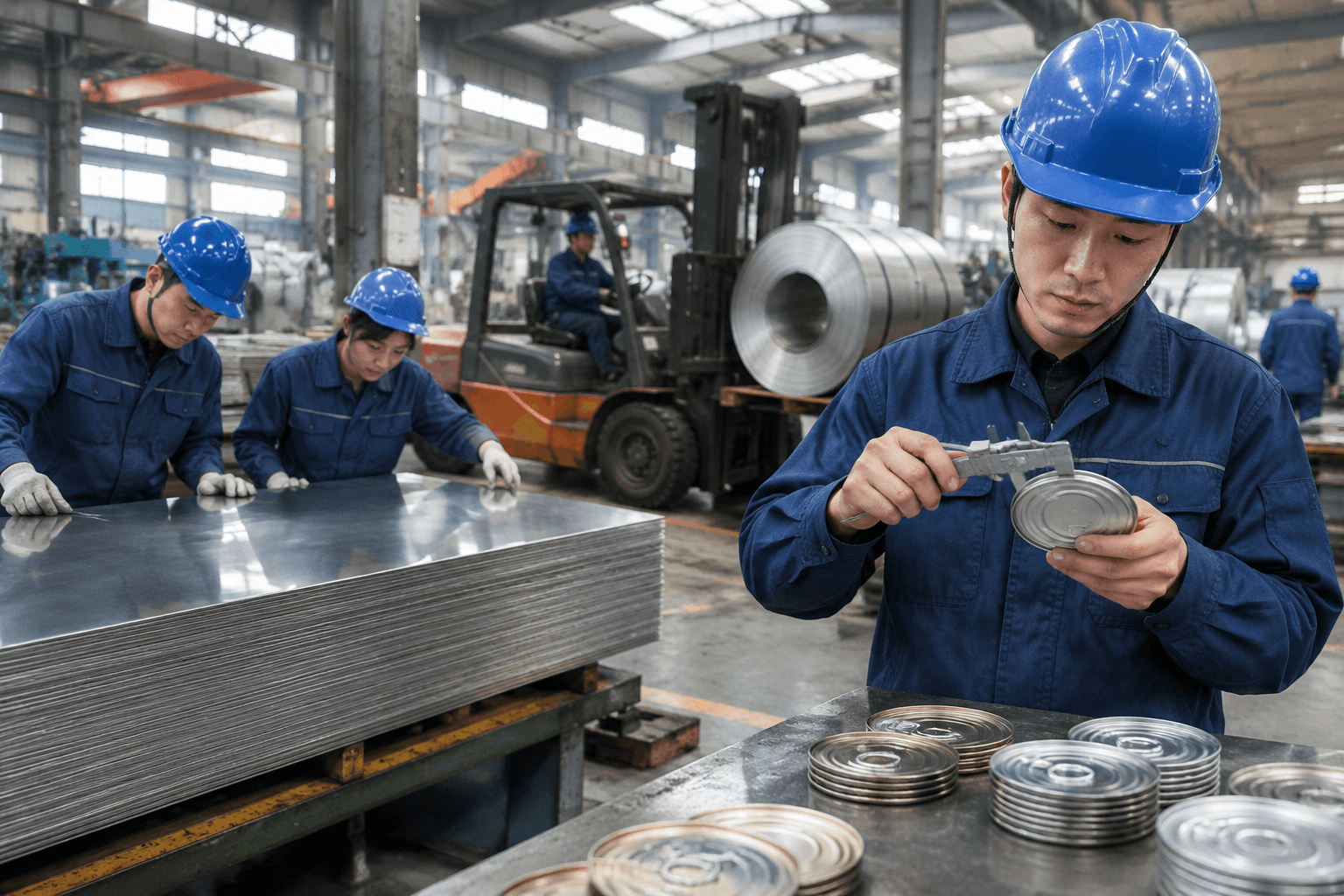
Simplification de l'approvisionnement en emballages métalliques : choisir le fer-blanc, le TFS et les couvercles à ouverture facile pour votre gamme de produits
Découvrez comment un approvisionnement stratégique en fer-blanc, TFS et couvercles à ouverture facile réduit les risques, stabilise les délais de livraison et soutient une production flexible de boîtes pour les acheteurs d'emballages alimentaires et industriels.
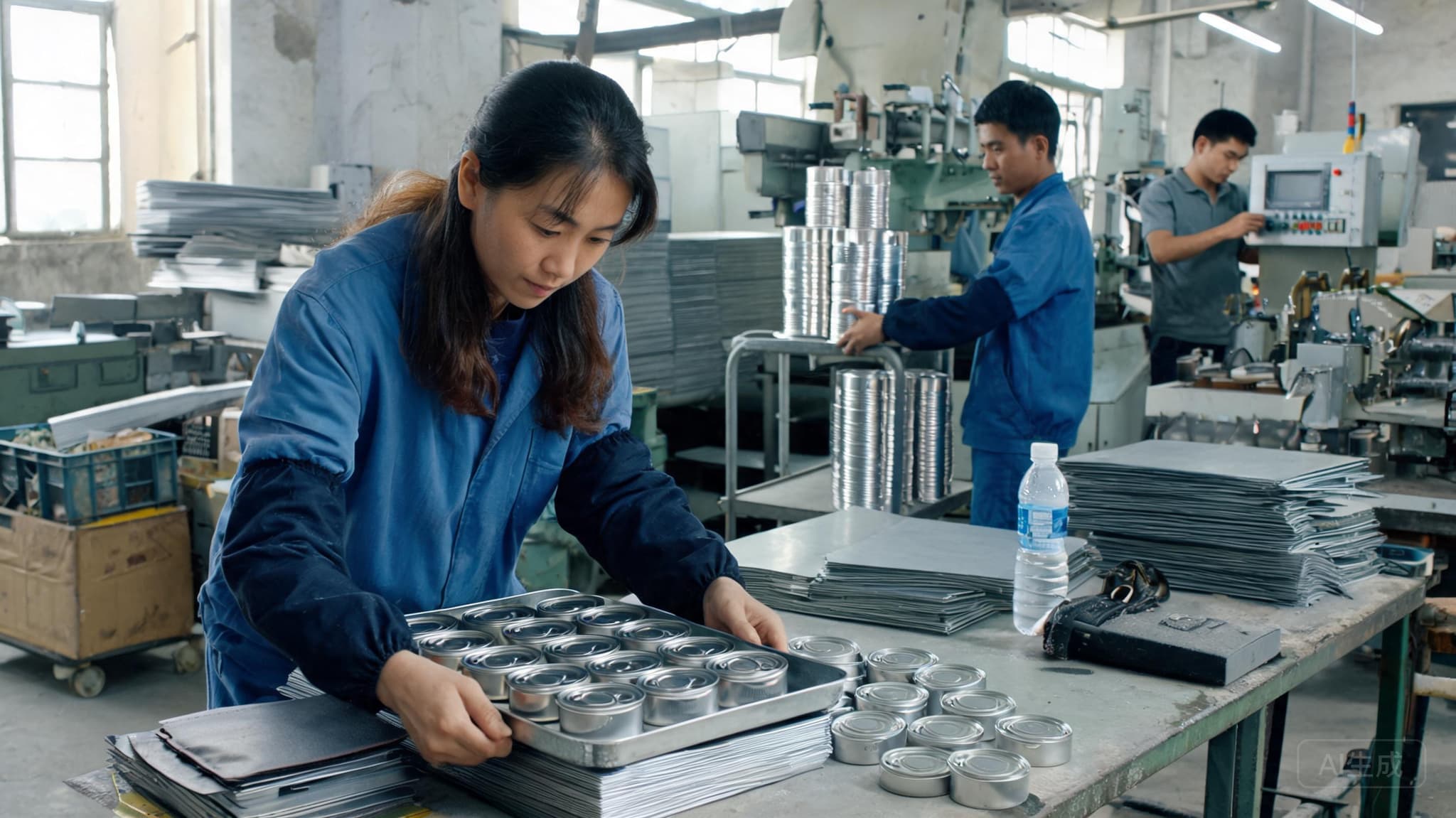
Sécurisez votre approvisionnement en emballages métalliques avec du fer-blanc, du TFS et des couvercles à ouverture facile de première qualité
Sécurisez votre approvisionnement en emballages métalliques avec du fer-blanc et du TFS de première qualité. Découvrez comment un approvisionnement intégré réduit les temps d'arrêt, diminue les coûts et garantit une livraison fiable pour les boîtes deux pièces et trois pièces.
Want to know more?
Get in touch with us for more information about our services and products.