

Build a More Reliable Metal Packaging Supply Chain with the Right Materials and Components
When packaging supply gaps put production at risk
Late materials, inconsistent specifications, or components that do not run properly on your production line can disrupt operations and increase costs. A qualified supply partner can help coordinate material selection, processing, and component sourcing around your production requirements.
For food and industrial manufacturers, reliable sourcing starts with clear specifications and a supplier able to coordinate the materials and components your operation needs.
Tinplate and Tin Free Steel (TFS) are different materials, not automatic substitutes. TFS is chromium-coated steel without tin and is often used for can ends and lids. Tinplate is steel sheet coated with tin for can making and packaging. TFS coatings may limit compatibility with some welding processes, so confirm suitability for your can design and manufacturing method before ordering.
Build a dependable supply chain by agreeing on specifications, coordinating component sourcing, and reducing unnecessary handoffs. When assessing suppliers, consider how material selection, processing, and delivery planning fit together. For more detail, see how buyers can compare mill sources, traders, and processing suppliers.
Choose materials and formats around the application
Compare electrolytic tinplate sheet and coil suppliers with TFS sheet or coil suppliers according to forming, coating, sealing, and end-use requirements. A dependable tinplate sheet supplier should be able to explain how the requested grade and finish align with your processing method and finished package.
TFS sheet in coil is chromium-coated steel supplied in uncut coil form. It can serve as a raw material for further processing into packaging components for food, beverage, and other applications. Confirm coating and forming requirements with your supplier before selecting TFS for a specific component.
If your operation needs sheets rather than coil, tinplate scroll-cutting sheet is made by slitting and leveling tinplate coil to customer-specified dimensions. The resulting sheets can be used for stamping, bending, or other processing. Ask a qualified metal packaging materials supplier to verify specifications, processing needs, and compatibility with your equipment before production begins.
Match can construction and ends to your product

Two-piece cans offer customizable dimensions and materials to support product protection and presentation. Evaluate a two-piece metal can supplier based on line compatibility, specifications, and order schedule.
Three-piece cans are available in customizable dimensions and materials, including standard round and selected special shapes. A three-piece can manufacturer should be able to assess your production requirements and explain which format suits your application.
For food applications, Round Easy Open End sizes range from 49.5 mm to 153.4 mm. These ends are designed for products including milk powder, jam, luncheon meat, and pet food. When contacting an easy open end supplier, specify the opening style, diameter, material, and sealing requirements. For a custom-size easy open end, include dimensions and production line details in your specification.
A tinplate claw-type twist-off lid is designed for food packed in glass containers, including chili sauce, honey, and pickled vegetables. Its claw structure supports opening and sealing. For conventional ends, confirm dimensions and compatibility with a tinplate can lid manufacturer or supplier of steel can lids.
Evaluate suppliers on more than the quoted price
Unit price is only one part of sourcing cost. Assess quality controls, specification consistency, processing capabilities, capacity, lead times, and responsiveness when selecting a tinplate sheet supplier or source of chromium-coated steel coil. Compare offers against equivalent specifications and delivery terms. This guide to comparing tinplate prices without a poor procurement decision can help structure your review.
Ask whether a supplier can coordinate coil, cut-to-size sheets, cans, and ends as a metal packaging components supplier. Fewer disconnected purchasing and production steps can make it easier to keep specifications and delivery plans aligned.
Match supplier experience to your application. A meat can, tuna can, milk can, or round metal can supplier should be prepared to discuss relevant formats and component requirements. For custom-printed tin cans, custom dimensions, or other component options, ask how order minimums, tooling, approvals, and delivery schedules may change.
Use market signals and supplier evidence to strengthen the business case
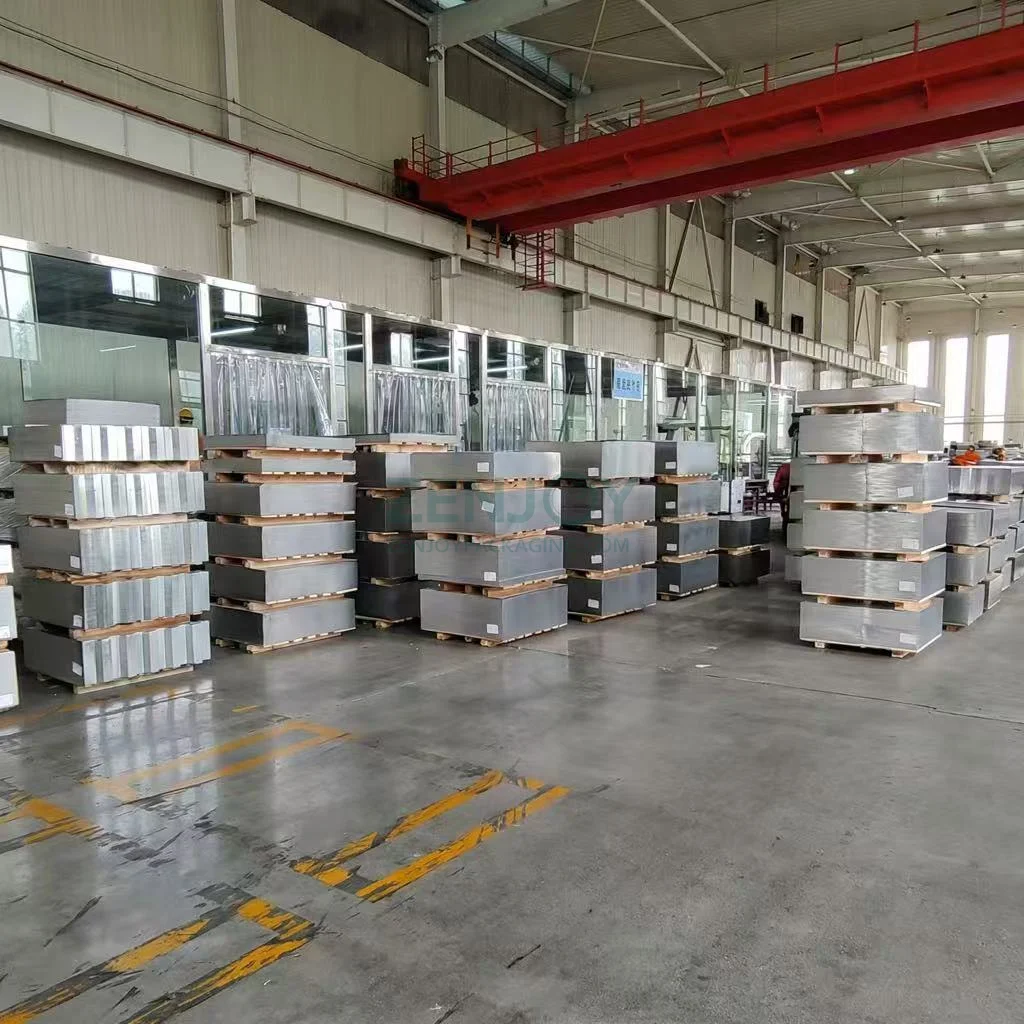
Market forecasts can add context to a sourcing proposal, but verify figures before using them to support an investment. Forecasts cited for tinplate packaging report values of $820 million by 2035 and $1.85 billion by 2032. Check the underlying reports, market categories, and geographic scope, and confirm that the figures refer to comparable markets.
A Zenjoy Packaging supply-chain article cites a 30% figure. Treat it as a reported result, not a universal benchmark. Ask for the measurement basis, timeframe, and evidence from comparable customers before applying it to your business case.
Examples such as Trivium Packaging’s two-piece food cans and technical deep dives into three-piece steel cans can help frame questions about format, production, and application fit. Request references or case studies that connect documented outcomes—such as fewer delays, more consistent materials, or lower total landed cost—to operations similar to yours.
Move from supplier comparison to a qualified sourcing plan
Prepare a sourcing brief covering product type, can format, dimensions, material, coating, end or lid requirements, print needs, annual volume, target delivery schedule, and applicable quality or regulatory standards. Ask each shortlisted supplier for specification sheets, sample availability, quality documentation, pricing assumptions, lead times, and a clear process for managing changes or nonconforming product.
A metal packaging materials supplier can review your tinplate and TFS requirements and identify suitable coil, sheet, can, and end options. During qualification, clarify how the supplier handles delivery planning and follow-up. These overviews of shipping coordination and after-sales support offer useful points to discuss.
Related News
Other news you might be interested in
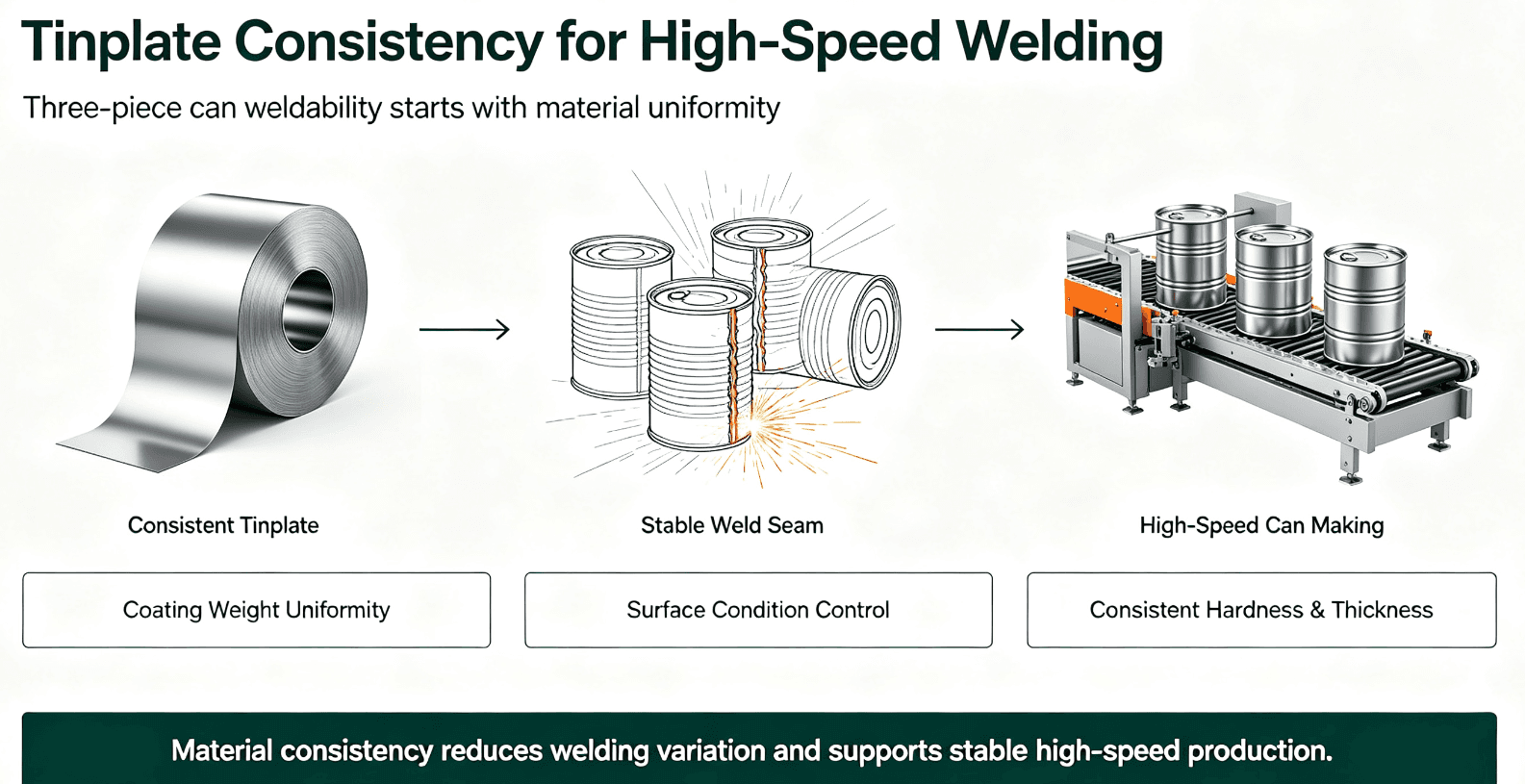
Optimizing Three-Piece Can Welding Performance: Why Tinplate Material Consistency Matters in High-Speed Can Making
Three-piece can production runs on extremely narrow welding windows. Weld spatter, granular slag and hidden seam leakage are usually blamed on current settings, electrode pressure or worn welding wheels, yet a large share of these defects originates upstream, in the tin coating distribution of the tinplate itself. This article explains how local coating deviation disrupts contact resistance and Joule heat generation, why excess and insufficient tin produce two opposite but equally costly failure modes, and how coating consistency across coil length, strip width and batch becomes the decisive material property for stable high-speed welding.
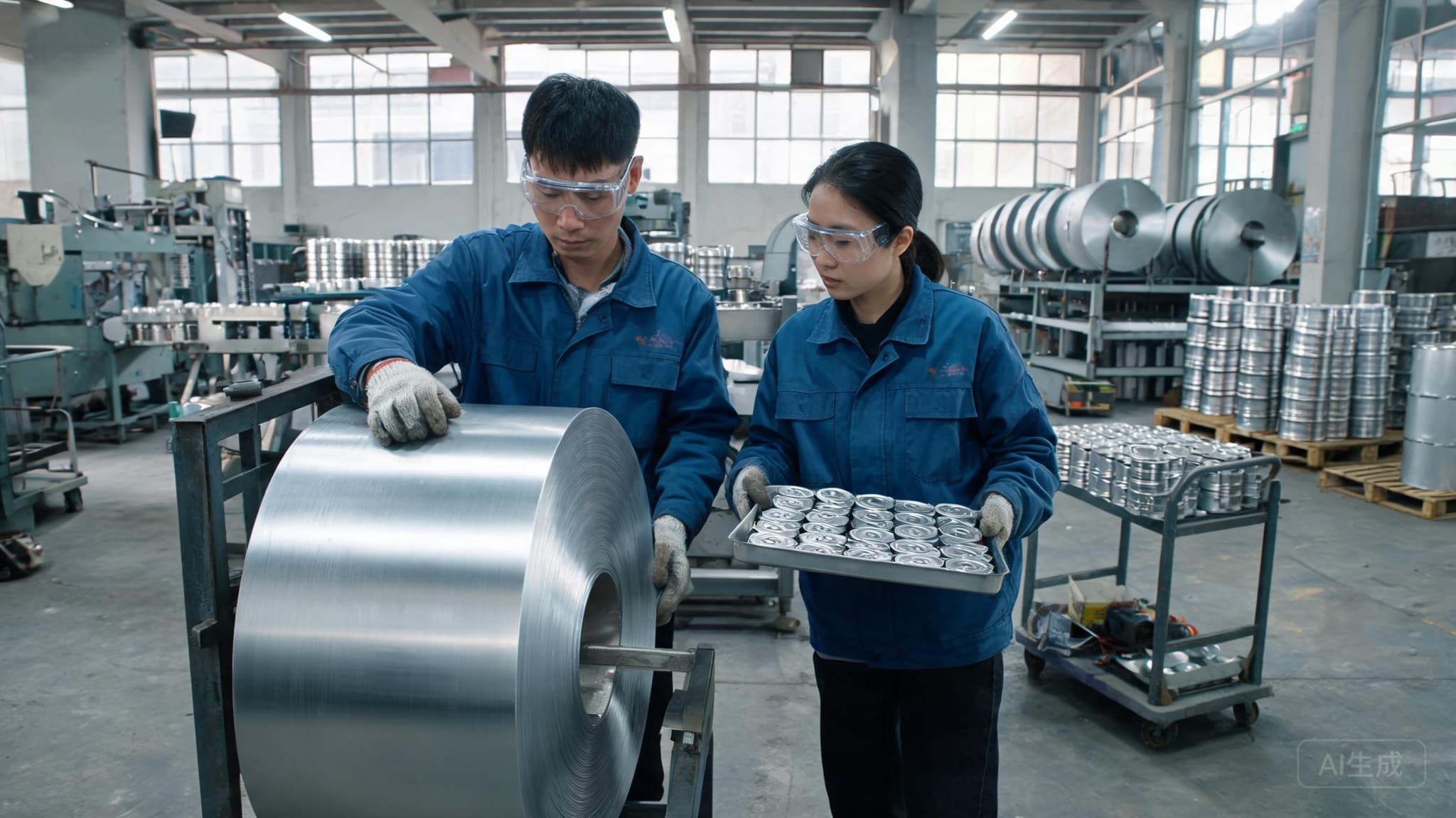
Build a More Reliable Metal Packaging Supply Chain from Coil to Can
Coordinate tinplate, TFS, can ends, lids, and finished cans through a clearer sourcing plan. Match materials and components to your production line, specifications, and delivery needs.
Want to know more?
Get in touch with us for more information about our services and products.