

Choosing the Right Metal Packaging Partner: A Guide to Tinplate, TFS, and Easy Open Ends
The Hidden Costs of Cutting Corners in Metal Packaging
Low-cost tinplate, easy open ends, or can lids may look appealing on a purchase order, but the real expense shows up later—on your production line. Inferior materials lead to inconsistent flange dimensions, micro-fractures in the scoring of easy open ends, and poor enamel coverage that triggers corrosion after filling. These failures don't just waste a single batch; they ripple into unplanned downtime, full-shift stoppages, and emergency reorders that erode your margins.
Too many buyers fixate on the initial per-unit price and miss the total cost of ownership entirely. Rejected batches at the filler, returned product from distributors, and silent brand damage when consumers encounter leaking or rusted cans—these are the true costs of cutting corners. Smart procurement teams now evaluate suppliers on consistency metrics: passivation layer uniformity, temper grade certification, and dimensional tolerance across full coil runs. Learning how to compare tinplate pricing beyond the surface number is the first step toward protecting your production uptime and brand equity. Demand mill test certificates, request batch samples from current production runs, and verify that your supplier's quality control includes inline thickness gauging and surface inspection—not just outgoing visual checks.
Understanding Your Material Options: Tinplate vs. Tin-Free Steel
The foundation of every metal package starts with the substrate. Two materials dominate the industry, and choosing between them shapes your can's performance, your filling line efficiency, and your product's shelf life.
Tinplate—cold-rolled steel electroplated with tin—remains the benchmark for food cans that require superior solderability and long-term corrosion resistance. Sourced as coils or cut sheets from a qualified tinplate sheet supplier or tinplate coil supplier, this material excels in three-piece welded can bodies and lids where the tin layer acts as both a protective barrier and a lubricant during forming. For manufacturers running high-speed welding lines, consistency in tin coating weight and temper grade from an electrolytic tinplate sheet supplier directly determines seam integrity and scrap rates. When your product has moderate to high acidity—tomato-based sauces, fruit preserves, or pickled vegetables—tinplate with appropriate lacquer systems provides the reliable protection your fill weight demands.
Tin-Free Steel (TFS)—also called electrolytic chromium coated steel—offers a different value proposition. The chromium oxide layer creates an exceptionally strong bond with organic coatings and enamels, making TFS the substrate of choice for drawn can ends, easy open lids, and container bottoms where enamel adhesion is non-negotiable. Sourcing from a tin free steel sheet supplier or ordering chromium coated steel coil gives you a material that withstands aggressive sterilization cycles without under-film corrosion. TFS cannot be soldered, so it's used in two-piece drawn cans and as ends on three-piece welded bodies. A tin free steel supplier with tight gauge control helps you maintain consistent lid seaming performance across millions of units.
The decision between tinplate and TFS isn't theoretical—it's operational. Understanding your supplier's position in the chain—mill source, trader, or processing supplier—gives you leverage on pricing, lead times, and technical support when specifying your substrate. Both materials are fully recyclable through existing steel recovery streams, supporting your sustainability commitments without compromising on performance.
Key Considerations for Sourcing Can Lids and Easy Open Ends
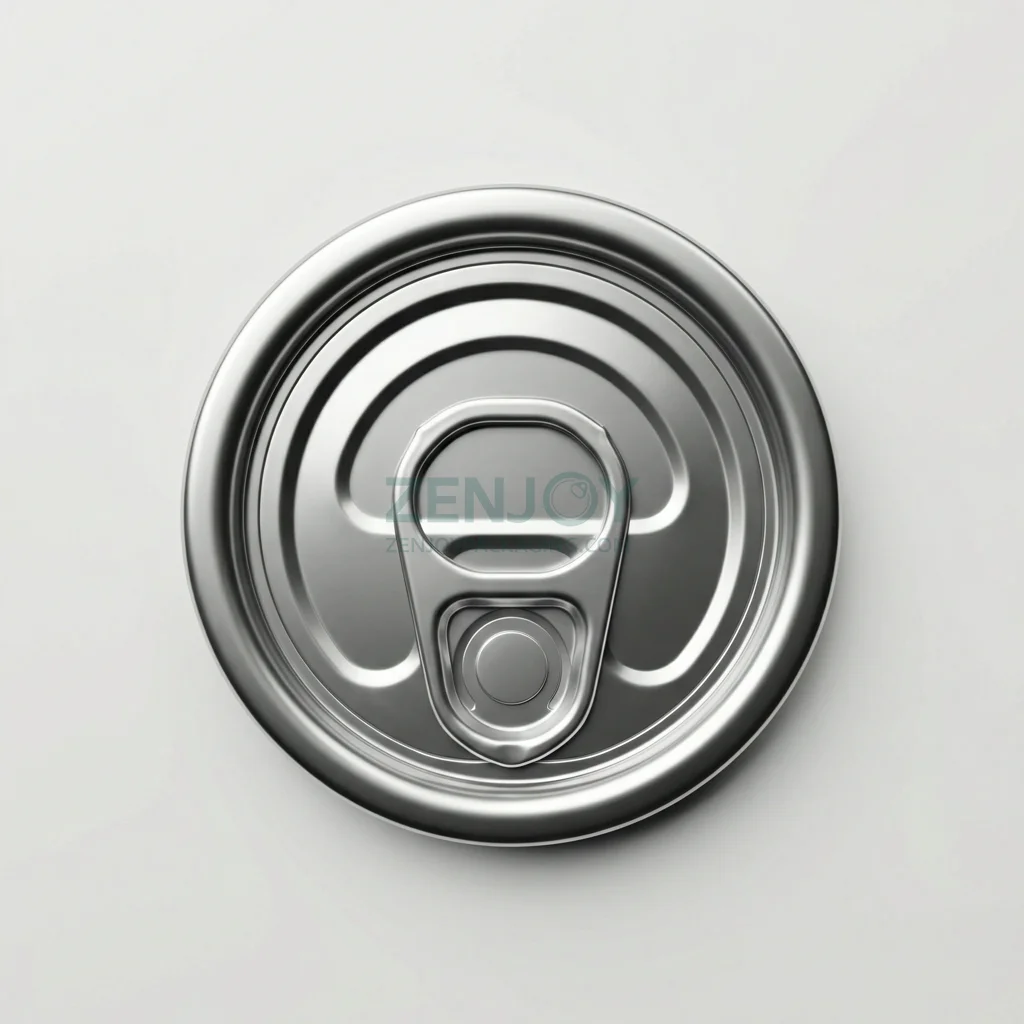
Lids are where packaging performance meets consumer experience. A can body can be flawless, but if the easy open end fails—tab detachment, incomplete scoring, or seal leakage—the entire unit becomes waste. Getting lid sourcing right protects everything inside.
Easy open ends (EOE) span full aperture round formats from 49.5mm to 153.4mm, plus oval and custom geometries for brand differentiation. Off-the-shelf diameters work for commodity applications, but custom size easy open lid configurations unlock shelf presence for premium categories: wider openings for milk powder scoops, shaped apertures for luncheon meat extraction, and controlled-pour designs for tuna packed in oil. Partnering with an experienced easy open end supplier and can lid manufacturer ensures that scoring depth, tab rivet integrity, and sealant compound application meet your filling line's speed and your product's retort cycle. An EOE lid supplier with in-house tooling capability can adjust panel profile and countersink geometry to match your can body's flange precisely—eliminating the micro-leaks that trigger costly field returns.
For jarred and bottled products—chili sauces, honey, pickled condiments—tinplate claw-type twist-off lids provide the vacuum seal and re-closability that consumers expect. The lug profile, plastisol compound distribution, and panel embossing all contribute to opening torque consistency. Whether you need round EOE for processed meat cans or custom-printed twist-off lids for premium preserves, a tinplate can lid manufacturer with multi-format production lines can serve your full portfolio without forcing you to manage multiple suppliers for different lid types.
Streamlining Your Supply Chain with a Reliable Metal Packaging Materials Supplier
Managing separate suppliers for tinplate coils, TFS sheets, can bodies, and lids introduces coordination risk at every handoff. When your three-piece can bodies arrive from one source and your easy open ends from another, tolerance mismatches at the seaming station become your problem to solve—usually under production pressure. Consolidating sourcing through a single metal packaging materials supplier shifts that integration burden onto the supplier, where it belongs.
The market for three-piece metal cans continues to grow, driven by shelf-stable food demand and format flexibility. This growth strains fragmented supply chains. A dedicated metal packaging components supplier that provides electrolytic tinplate sheet, TFS coils, and finished components—including steel can lid for cans and custom printed bodies—closes the gaps that cause lead time volatility. Tinplate lead time delays often stem from poor coordination between mill output and processing schedules; a supplier that controls both material sourcing and component manufacturing can compress your order-to-delivery cycle significantly. Look for partners offering tinplate coil for manufacturing alongside finished can components—this dual capability means they understand both your material requirements and your production reality, enabling them to hold buffer stock intelligently and respond when your demand spikes.
Case Study: Customized Solutions That Drove a 20% Sales Lift
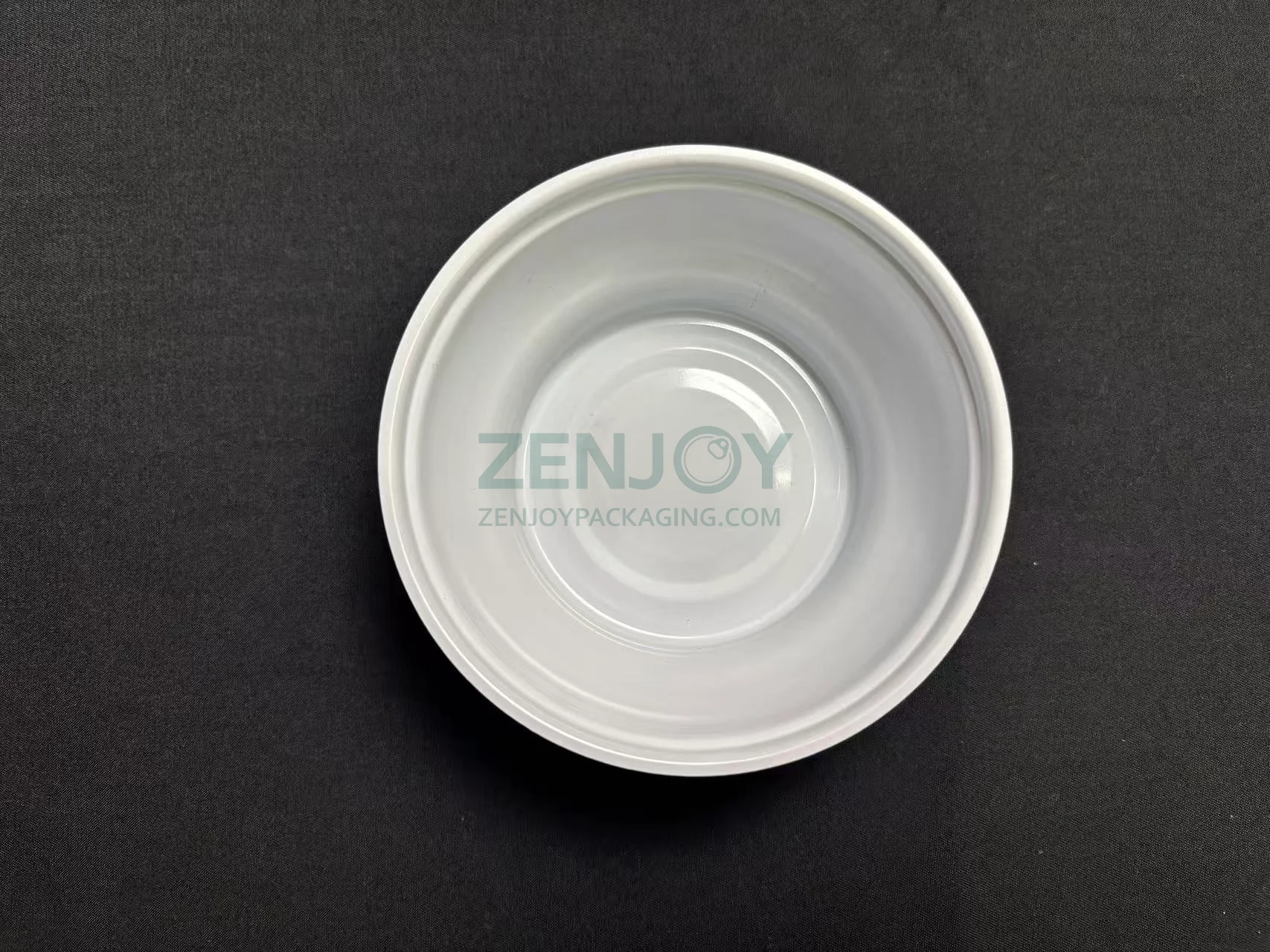
A premium brand of dog and cat food came to us with a problem their previous supplier couldn't solve: standard easy open ends leaked during distribution, and the resulting returns were eating into their margins and channel partner confidence. The round EOE lids they were using had scoring depth variation that passed incoming inspection but failed under the vibration and pressure cycling of long-haul shipping. Their field return rate sat at an unsustainable 4.2%.
We moved their packaging to customized two-piece metal cans paired with full-aperture round EOE manufactured to tighter scoring tolerances. As a two-piece can supplier with in-house lid production, we controlled the critical interface between the can body flange and the lid curl, eliminating the tolerance stacking that caused their leaks. The result: returns dropped by 35% within the first quarter. But the bigger win came from what we did next—custom printing on the can lids with their brand mark and a freshness seal message. This turned a functional component into a brand asset at the point of opening. Combined with the improved product integrity, repeat purchases at their top distribution accounts rose measurably, driving a 20% sales lift over the following two quarters. Similar results have been documented by brands that prioritized packaging as a strategic lever rather than treating it as a cost line.
Whether you're a meat can supplier, tuna can supplier, or milk can supplier, tailored dimensions and material specifications—wall thickness for vacuum packs, internal lacquer for high-protein formulations, lid aperture for product extraction—convert packaging from a procurement afterthought into a measurable competitive advantage.
Ready to Upgrade Your Packaging? Partner with Worunda
Worunda operates as a full-spectrum metal packaging manufacturer, supplying tinplate and TFS substrates, easy open ends, custom-printed round metal cans, and both two-piece and three-piece can configurations for food and industrial applications. As a tinplate can lid manufacturer and three-piece tin can manufacturer with integrated coil processing, we eliminate the handoffs that fragment your supply chain and inflate your lead times. Our metal packaging containers supplier model supports everything from custom printed tin cans for branded products to bulk tinplate coil for manufacturing at your own can-making facility. If you're evaluating a three-piece can supplier or need a responsive two-piece metal can supplier for a new product launch, our quotation process is designed to get you firm pricing and technical specifications within your decision timeline. Contact our team to discuss your specific can and end requirements and request a free packaging audit today.
Related News
Other news you might be interested in
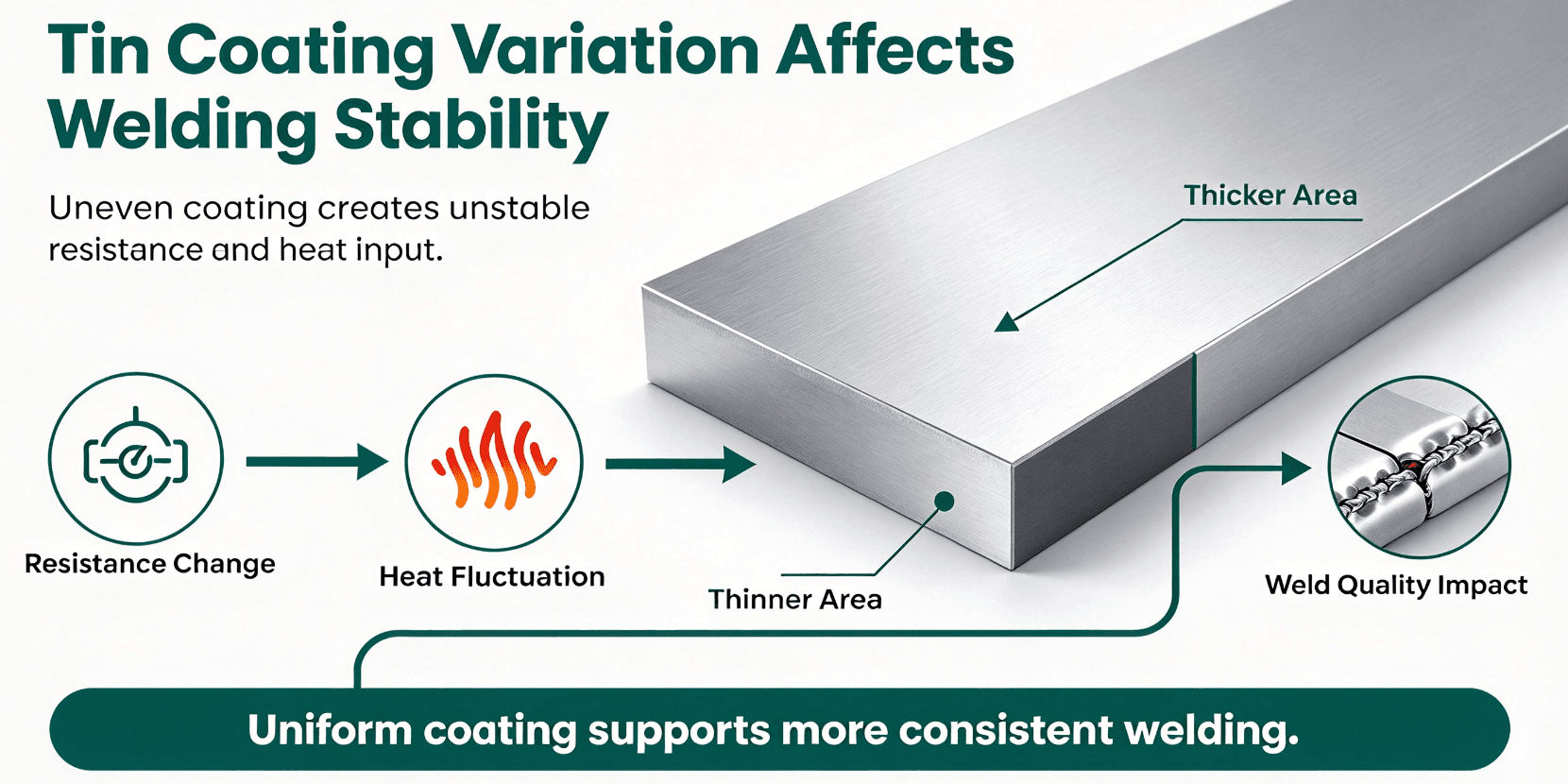
Weld Spatter & Leakage Defects: The Decisive Role of Tin Coating Uniformity in Can Welding Quality
High-speed resistance seam welding is the core forming process for three-piece metal cans. In actual mass production, persistent weld spatter, granular slag residue and hidden seam micro-leakage severely compromise sealing consistency, sterilization resistance and finished product yield. Most manufacturers tend to attribute these defects to unstable current, improper pressure or worn welding wheels. However, industrial verification proves that uneven tin coating distribution on tinplate is the fundamental material-induced root cause of recurring welding spatter and leakage issues.
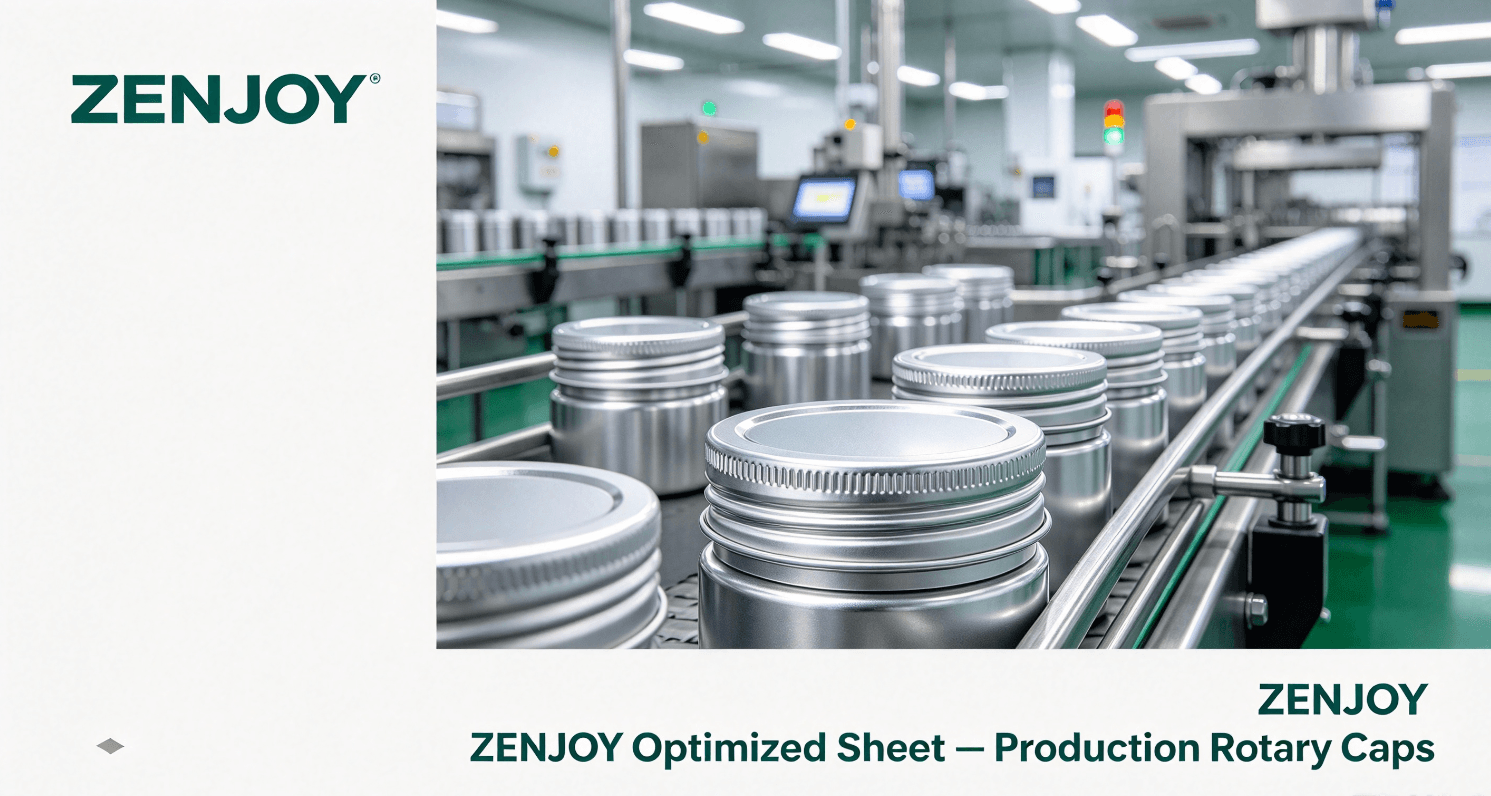
Low-Earing CA Annealed Tinplate: The Optimal Material for Stable Twist-Off Lid Deep Drawing & High Yield Rate
Twist-off lid manufacturing has extremely strict requirements on material anisotropy and ductility. Different from regular can bodies, twist-off lids undergo complex deep drawing, edge trimming and crimping processes, making them highly sensitive to uneven steel performance. According to actual mass production verification, no alternative tinplate grades can achieve stable forming results for twist-off lid production. Low-earning CA continuous annealed tinplate remains the most suitable and high-performance material dedicated for twist-off lid stamping.
Want to know more?
Get in touch with us for more information about our services and products.