How Industrial Buyers Reduce Supply Risk in Wet Food Can Component Procurement
Why Supply Risk Matters So Much in Wet Food Can Component Procurement
In wet food can component procurement, buyers are not only worried about whether a supplier can provide a component once. They are usually trying to control a much broader supply risk.
That is because wet food packaging programs often depend on:
● recurring component sizes
● repeated production cycles
● repeated replenishment schedules
● filling continuity
● delivery commitments
● long-term packaging coordination
If component supply becomes unstable, the impact can spread quickly across the packaging workflow.
A supplier problem does not remain only a procurement problem. It can become:
● a production timing problem
● a packaging continuity problem
● a warehouse planning problem
● a customer delivery problem
That is why serious industrial buyers work hard to reduce supply risk before repeated procurement becomes harder to control.
Supply Risk Usually Comes from Repeated-Order Weakness, Not Just One Big Failure
Many buyers think supply risk means one major failure. But in repeated industrial packaging, supply risk often grows more gradually.
It often comes from repeated weaknesses such as:
● recurring sizes not being handled clearly
● repeated delivery timing becoming unstable
● repeated communication creating too much friction
● long-term coordination being weaker than expected
● the supplier failing to support repeated industrial logic
These repeated weaknesses may look small in the beginning. Over time, they create much bigger packaging and procurement pressure.
That is why industrial buyers usually reduce supply risk by improving recurring order control, not only by reacting to major disruptions after they happen.
The First Risk-Control Step: Clarify Recurring Size Logic Early
One of the most effective ways buyers reduce supply risk is by making recurring size logic clear early in the relationship.
This matters because many wet food packaging programs depend heavily on:
● repeated can sizes
● repeated component formats
● repeated packaging SKUs
● recurring industrial order structures
If recurring dimensions are not defined and supported clearly, buyers may face:
● repeated clarification work
● more checking at every order cycle
● reduced confidence in recurring procurement
● more room for avoidable supply errors
That is why serious buyers often make recurring size clarity one of the first risk-control priorities in component procurement.
The Second Risk-Control Step: Compare Delivery Behavior, Not Only Lead Time
A quoted lead time is useful, but buyers usually know that real supply risk is reduced only when repeated delivery behavior is dependable.
This means buyers often ask:
● Can repeated replenishment be supported on time?
● Does delivery stay stable as orders become more regular?
● Does the supplier communicate clearly under timing pressure?
● Can repeated delivery support the buyer’s actual production rhythm?
This matters because wet food packaging is often schedule-sensitive. Delayed components can affect:
● can-making timing
● filling schedules
● production continuity
● downstream shipment timing
That is why experienced buyers compare actual delivery discipline over time, not only quotation-stage promises.
The Third Risk-Control Step: Choose Suppliers That Fit Repeated Industrial Logic
Supply risk is much lower when the supplier understands recurring industrial packaging logic.
A strong supplier usually understands:
● repeated packaging cycles
● recurring dimensions
● repeated replenishment patterns
● long-term procurement continuity
● recurring industrial demand rather than one-time order handling
A weak supplier may still provide components, but fail to support the buyer’s real operating system.
That is why industrial buyers often reduce supply risk by choosing suppliers who fit the packaging program well over time, rather than simply choosing whoever looks acceptable for the first order.
The Fourth Risk-Control Step: Reduce Procurement Friction in Repeated Orders
Repeated procurement friction is a major source of supply risk.
When repeated orders require too much:
● re-confirmation
● re-checking
● repeated follow-up
● repeated clarification
● repeated shipment correction
the buyer’s risk exposure becomes higher every cycle.
This is why strong buyers often reduce supply risk by choosing suppliers that make repeated procurement easier to manage.
A stronger supplier usually helps by:
● remembering recurring order details more clearly
● handling repeated dimensions with less friction
● coordinating shipments more predictably
● improving repeated order continuity
Supply risk goes down when repeated procurement becomes smoother and more structured.
The Fifth Risk-Control Step: Build for Continuity, Not Only for One Order
Many supply problems happen because buyers or suppliers treat each order too separately.
But in repeated wet food can component procurement, long-term continuity usually matters more than first-order convenience.
That is why serious buyers often think in terms of:
● recurring order cycles
● repeated dimensions
● replenishment continuity
● long-term packaging fit
● repeated supplier coordination
This long-term approach helps reduce risk because the supply relationship is built around continuity rather than repeated improvisation.
What Buyers Usually Look For When Reducing Supply Risk
When industrial buyers try to reduce supply risk in wet food can component procurement, they often look for:
Clear recurring size support
Because repeated dimensions must be managed consistently.
Better repeated-order continuity
Because long-term packaging stability depends on repeated execution, not one shipment.
More predictable delivery discipline
Because timing instability can affect the full packaging workflow.
Stronger communication
Because recurring procurement becomes much easier when repeated details are handled clearly.
Better long-term supplier fit
Because the best supplier is often the one that makes repeated procurement easier to control over time. These are usually the practical foundations of lower-risk recurring procurement.
Common Risk-Control Mistakes Buyers Try to Avoid
Professional buyers often try to avoid several recurring mistakes.
Waiting until a disruption happens
Good risk control usually begins before repeated problems become visible.
Focusing only on first-order quotation
This may hide long-term repeated-order weaknesses.
Ignoring recurring size continuity
Unclear recurring size support is one of the most common sources of repeated procurement friction.
Treating communication as secondary
Weak communication often becomes a direct source of supply risk over time.
Choosing suppliers who fit one order but not the long-term packaging program
This often creates repeated procurement instability later. Strong buyers often avoid these mistakes by thinking further ahead.
What Strong Suppliers Usually Do Better
A stronger supplier usually helps reduce supply risk by:
● supporting recurring dimensions more clearly
● making repeated procurement easier to manage
● delivering more predictably
● communicating recurring order details better
● fitting repeated industrial packaging programs more effectively
● reducing long-term procurement uncertainty
These strengths matter because supply risk in wet food packaging is usually reduced through repeated good execution, not one successful first transaction.
FAQ
Why is supply risk especially important in wet food can component procurement?
Because wet food packaging often depends on recurring dimensions, repeated production schedules, and timing-sensitive packaging continuity.
How do buyers usually reduce supply risk?
They reduce it by improving recurring size clarity, comparing repeated delivery behavior, choosing better long-term supplier fit, and reducing repeated procurement friction.
Why is recurring size support part of risk control?
Because weak recurring size support creates repeated clarification work, more procurement pressure, and greater room for avoidable supply problems.
Why does communication matter in supply risk reduction?
Because repeated industrial procurement becomes harder to control when recurring order details are handled poorly.
What makes a supplier stronger in low-risk recurring procurement?
A stronger supplier usually supports recurring dimensions clearly, delivers more predictably, and helps repeated procurement run with less friction.
---
Related News
Other news you might be interested in
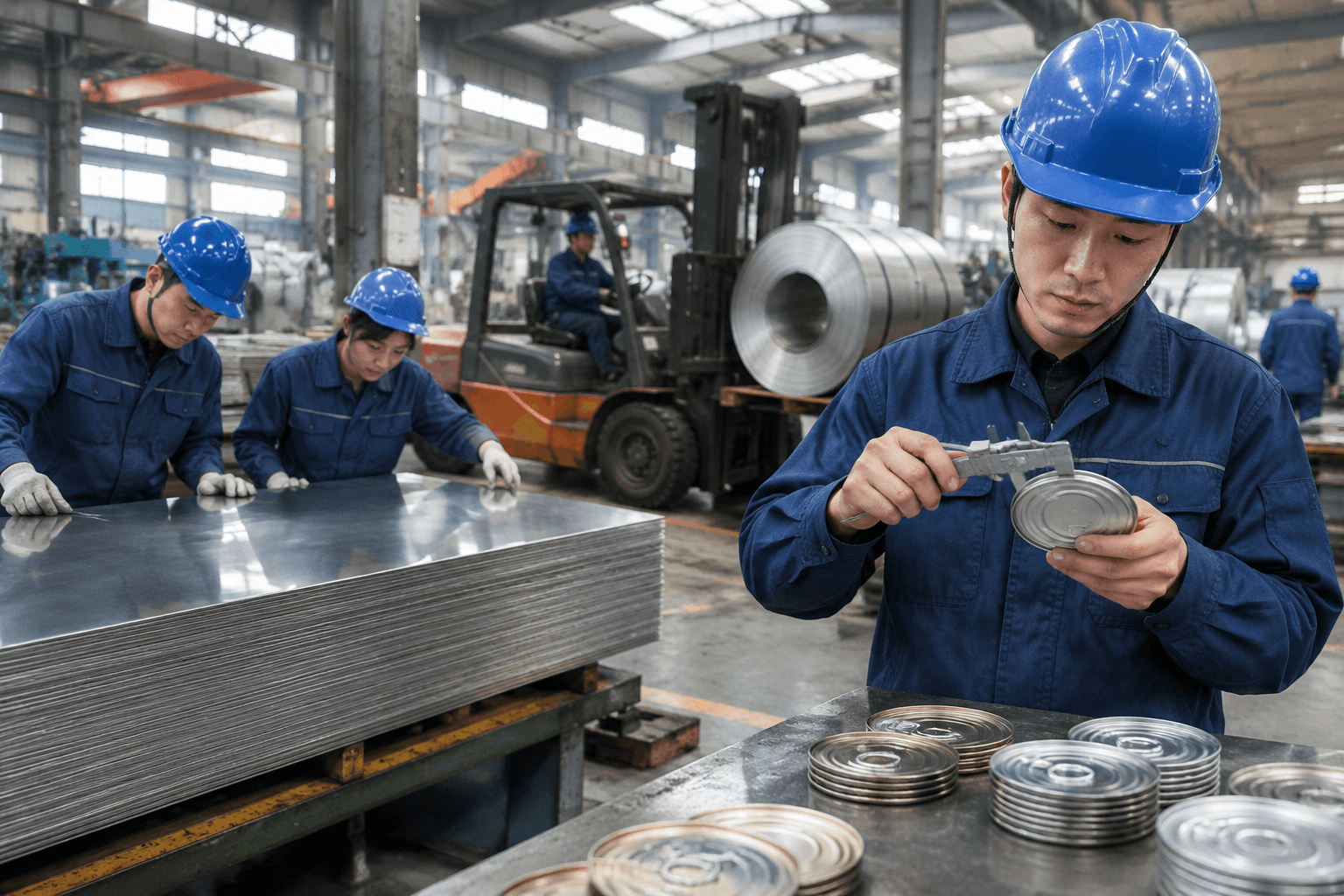
Metal Packaging Sourcing Simplified: Choosing Tinplate, TFS, and Easy Open Ends for Your Product Line
Discover how strategic sourcing of tinplate, TFS, and easy open ends reduces risk, stabilizes lead times, and supports flexible can production for food and industrial packaging buyers.
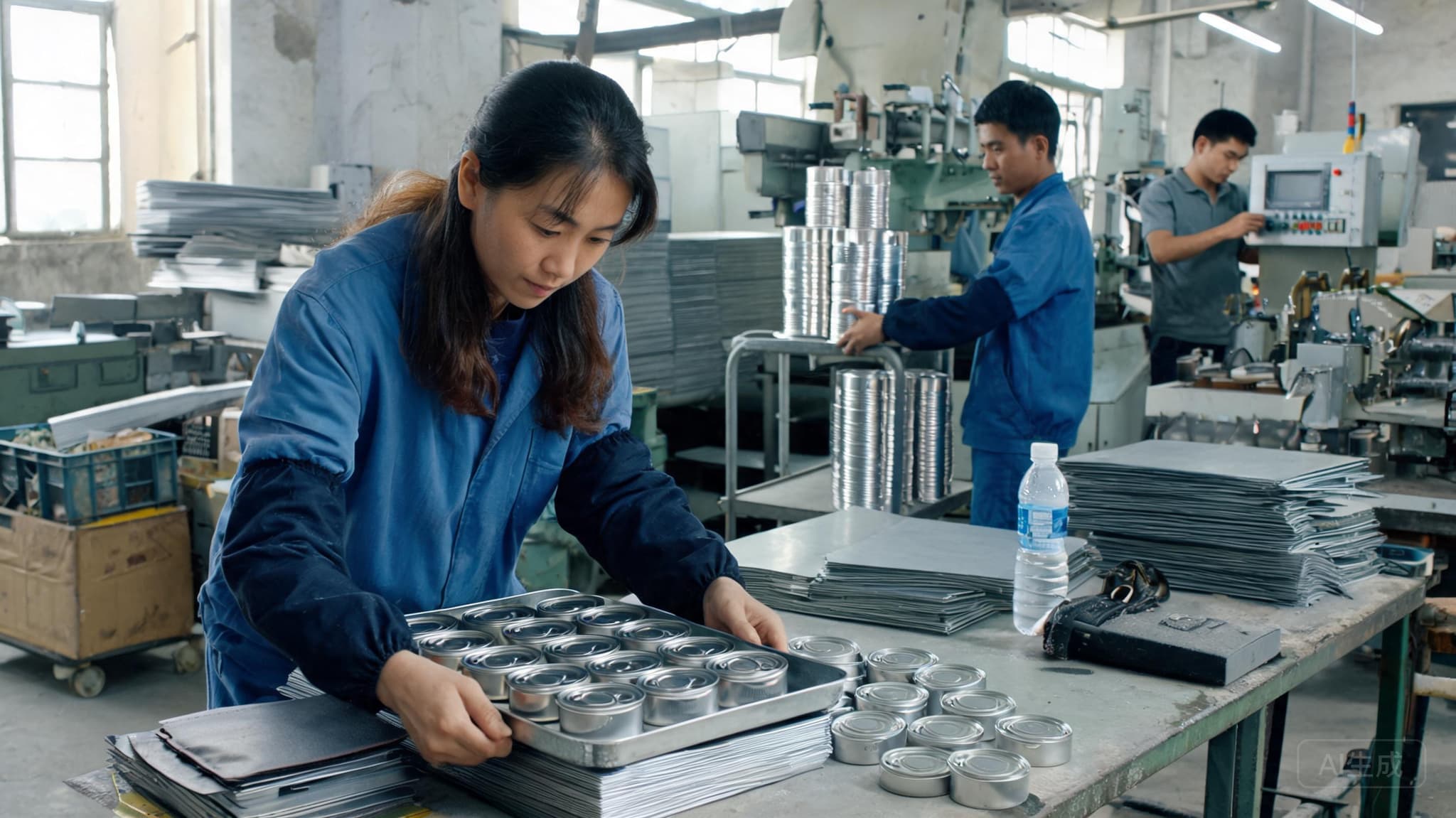
Secure Your Metal Packaging Supply with Premium Tinplate, TFS, and Easy Open Ends
Secure your metal packaging supply with premium tinplate and TFS. Learn how integrated sourcing reduces downtime, cuts costs, and ensures reliable delivery for two-piece and three-piece cans.
Want to know more?
Get in touch with us for more information about our services and products.