

How Tinplate Surface Roughness Affects Printing, Coating, and Can Appearance
For can manufacturers, metal printing factories, and packaging material buyers, tinplate quality is not only about thickness, temper, or coating weight. The surface condition of tinplate also plays an important role in printing quality, lacquer adhesion, forming performance, and the final appearance of metal cans.
One detail that is often overlooked during purchasing is surface roughness. It may look like a small technical parameter, but it can directly affect how ink, lacquer, and protective coatings perform on the tinplate surface.
If the surface is not suitable for the application, buyers may face problems such as uneven printing, poor coating appearance, weak adhesion, visible surface defects, or unstable can appearance after forming. For decorative cans, food cans, dry food cans, and printed metal packaging, choosing the right tinplate surface is an important step before production.
What Is Tinplate Surface Roughness?
Tinplate surface roughness refers to the microscopic texture of the tinplate surface. Even when a tinplate sheet looks smooth to the naked eye, its surface still has very small peaks and valleys. This texture is influenced by several factors, including:
- The base steel surface condition
- The rolling process
- The temper rolling process
- The tin coating process
- Surface finishing
- Passivation and oiling treatment
In metal packaging production, surface roughness affects how ink, lacquer, and coatings spread and attach to the tinplate. Different applications may require different surface characteristics.
For example, tinplate used for printed gift tins may require a clean and visually consistent surface. Tinplate used for food can bodies may need good lacquer adhesion and stable forming performance. Tinplate used for industrial cans may focus more on practical coating performance and production stability.
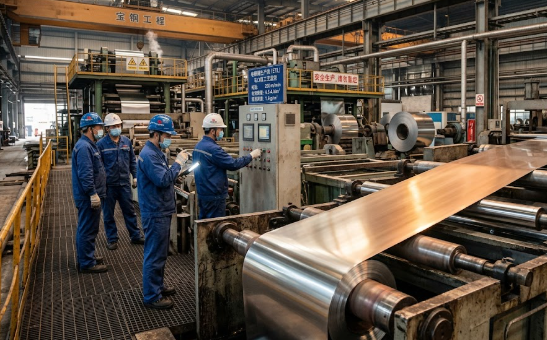
Why Surface Roughness Matters for Printed Tinplate
Printed tinplate is widely used for tea tins, biscuit tins, candy tins, coffee cans, gift boxes, decorative packaging, and promotional metal packaging. For these products, appearance is a key part of the final value.
If the tinplate surface is not suitable for printing, several problems may appear.
1. Ink Laydown May Become Uneven
During metal printing, ink needs to spread evenly across the tinplate surface. If the surface is too rough or inconsistent, ink distribution may become uneven.
This can lead to:
- Uneven color density
- Small visible spots
- Poor image clarity
- Unstable color appearance between batches
- A less refined surface after printing
For packaging with large solid color areas, surface issues can be more obvious. A small roughness difference may become visible after printing, especially on bright colors, white backgrounds, metallic designs, or premium decorative tins.
2. Fine Design Details May Lose Sharpness
Many printed tinplate products use detailed logos, small text, patterns, or brand graphics. If the surface roughness is not well matched with the printing process, fine details may not appear sharp enough. This is especially important for:
- Tea tins
- Coffee cans
- Biscuit tins
- Cosmetic tins
- Candy boxes
- Promotional metal boxes
- Branded gift packaging
For these products, customers often care about visual quality. A smooth and consistent tinplate surface helps improve print clarity and makes the final packaging look more professional.
3. Gloss and Visual Texture Can Change
Surface roughness also affects how light reflects from the printed tinplate. Even with the same ink and coating, different surface conditions may create different visual effects.
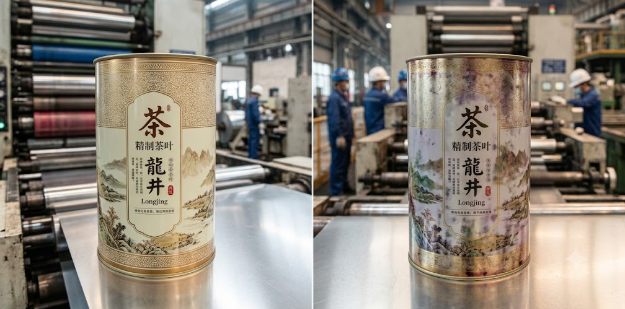
A smoother surface may create a brighter and cleaner appearance. A rougher or inconsistent surface may reduce gloss or make the surface look less uniform.
This does not mean that smoother is always better. Some products may use matte, stone, or other surface finishes for a specific appearance. The key point is that the surface finish should match the printing design and final packaging requirement.
How Surface Roughness Affects Lacquer and Coating
Tinplate is often lacquered before or after printing, depending on the application. Lacquer can protect the metal, improve corrosion resistance, support food packaging requirements, or create a suitable surface for forming and finishing.
Surface roughness affects lacquer performance in several ways.
1. Coating Adhesion
A suitable surface texture can help lacquer attach to the tinplate surface. If the surface is too smooth, adhesion may not be strong enough in some applications. If the surface is too rough or inconsistent, the lacquer layer may become uneven.
Poor adhesion can create problems during later production, such as:
- Coating peeling
- Cracking during forming
- Poor resistance after bending or stamping
- Local coating failure
- Reduced protection for the base metal
For food cans, lids, dry food packaging, and wet food packaging, coating adhesion is especially important because the lacquer layer may need to protect the metal from the packed product.
2. Coating Uniformity
Tinplate surface roughness can affect how lacquer spreads across the sheet. If the surface is not uniform, the coating thickness may vary in different areas.
This may cause:
- Uneven gloss
- Visible coating marks
- Local thin coating areas
- Poor surface appearance
- Higher risk of coating defects after forming
For food packaging and decorative packaging, coating uniformity matters both for function and appearance.
3. Forming Performance After Coating
After printing or lacquering, tinplate may be cut, bent, stamped, welded, or formed into cans and lids. If the coating does not bond well with the tinplate surface, defects may appear during forming.
Common risks include:
- Lacquer cracking at bends
- Coating damage near edges
- Surface marks after stamping
- Poor appearance on formed can bodies
- Higher rejection rate during production
This is why buyers should not only check the tinplate surface visually. They should also consider how the material will behave after printing, coating, and forming.
How Surface Roughness Affects Final Can Appearance
For many metal packaging products, the final can appearance is just as important as the material specification. Surface roughness can affect the final appearance in several practical ways.
1. Printed Can Bodies
For printed can bodies, uneven surface texture can become more visible after printing and forming. This can affect brand packaging quality, especially for products sold directly to consumers.
Examples include:
- Biscuit tins
- Tea tins
- Coffee cans
- Candy tins
- Milk powder cans
- Nutrition powder cans
- Gift tins
- Promotional packaging
For these products, buyers usually need tinplate with a clean surface, stable flatness, and consistent printability.
2. Food Cans and Dry Food Cans
Food cans and dry food cans may not always require decorative printing, but they still need stable coating and good surface protection.
For food can production, surface roughness may affect:
- Internal lacquer coverage
- External coating appearance
- Can body forming
- Weld area quality
- Overall packaging consistency
For dry food cans such as milk powder cans, coffee cans, and snack cans, the outside appearance is often important because the can may be printed and displayed on retail shelves.
3. Lids, Ends, and Other Components
For can ends and lids, surface condition can affect coating, stamping, and final appearance. Although TFS is also widely used for lids and ends, tinplate may still be used in some applications.
Surface roughness can influence:
- Lacquer adhesion
- Stamping performance
- Surface marks after forming
- Coating resistance around formed areas
- Final visual quality
For buyers of tinplate or coated steel materials, it is important to match the material surface with the actual production process.
Surface Roughness Is Related to Surface Finish
When sourcing tinplate, buyers often see surface finish descriptions such as bright, stone, silver, or matte finish. These finishes are related to the surface appearance and texture of the tinplate.
Different surface finishes may be suitable for different applications.
| Surface Finish | Common Characteristics | Typical Application |
|---|---|---|
| Bright finish | Smooth, shiny appearance | Decorative cans, printed packaging |
| Stone finish | Fine texture, less reflective | General packaging, printed cans |
| Silver finish | Metallic appearance, balanced surface | Food cans, general cans |
| Matte finish | Lower gloss, dull appearance | Special design or coating applications |
The right choice depends on the final product. A decorative tin box may need a different surface than an industrial paint can. A printed tea tin may need a different surface than a coated food can body.
Buyers should confirm the surface finish with the supplier according to their printing, coating, and forming process.
Common Problems Caused by Unsuitable Surface Roughness
If the surface roughness is not suitable for the application, buyers and factories may face production issues. Some common problems include:
| Problem | Possible Effect in Production |
|---|---|
| Uneven ink coverage | Poor print appearance, color variation |
| Weak coating adhesion | Peeling, cracking, or coating failure |
| Surface marks after printing | Lower visual quality |
| Poor lacquer uniformity | Higher defect rate |
| Visible roughness after forming | Unstable can appearance |
| Inconsistent gloss | Different appearance between batches |
| Coating damage during stamping | Reduced protection and higher rejection rate |
These problems may increase production waste, delay delivery, or affect the customer’s final packaging quality.
What Buyers Should Confirm Before Ordering Tinplate
When buying tinplate for printing, lacquering, or can production, buyers should provide more than just thickness and size. Clear application information helps the supplier recommend a more suitable material.
Before ordering, buyers should confirm:
- Final application: food can, dry food can, gift tin, tea tin, biscuit tin, aerosol can, industrial can, etc.
- Material form: coil, sheet, cut sheet, or scroll cut sheet
- Required thickness
- Temper grade
- Tin coating requirement
- Surface finish
- Printing or lacquering requirement
- Whether the material will be stamped, bent, welded, or deep drawn
- Sheet size or coil width
- Quantity and packing requirement
- Destination port or delivery plan
For printed tinplate or lacquered tinplate, buyers should also confirm whether the material needs to match a specific printing process, coating system, or end-use packaging requirement.
Tinplate for Printing and Lacquering: Practical Purchasing Advice
For buyers who use tinplate in metal printing or can manufacturing, the following points are helpful.
1. Do Not Choose Tinplate Only by Price
A lower material price may look attractive, but if the surface is not suitable for printing or coating, the total production cost can become higher. Defects, rework, rejected sheets, and unstable printing results may cost more than the initial price difference.
For printed packaging and food packaging, stable surface quality is often more important than choosing the cheapest material.
2. Match the Material with the Application
Different products need different surface performance. For example:
- Gift tins need good appearance and printability.
- Food cans need stable lacquer adhesion and corrosion protection.
- Dry food cans need clean printing and reliable forming.
- Industrial cans may focus on coating protection and strength.
- Aerosol cans may require good forming and surface consistency.
A clear application description helps the supplier recommend a more suitable tinplate material.
3. Pay Attention to Batch Consistency
For repeat orders, buyers should try to keep material specifications stable. Changes in surface finish or surface condition may affect printing and coating results.
For customers who need long-term production, it is better to build a clear material specification sheet and keep records for repeated orders.
4. Test Before Large-Scale Production
For new printed cans, new lacquer systems, or new packaging designs, sample testing is useful before mass production. This helps confirm whether the tinplate surface works well with the printing, coating, and forming process.
Testing can reduce the risk of large-volume material problems after shipment.
Applications That Need Careful Surface Selection
Tinplate surface roughness is especially important for these applications:
- Printed tea tins
- Biscuit tins
- Coffee cans
- Candy tins
- Gift boxes
- Milk powder cans
- Nutrition powder cans
- Food can bodies
- Dry food cans
- Aerosol cans
- Paint cans
- Chemical cans
- Lacquered tinplate sheets
- Printed tinplate sheets
- Metal packaging components
If the final product has visible printing, coating, or retail display requirements, surface quality should be discussed before ordering.
Conclusion
Tinplate surface roughness is an important factor in printing quality, coating adhesion, lacquer uniformity, and final can appearance. For can makers, metal printers, and packaging material buyers, choosing the right surface condition can help reduce defects, improve production stability, and create better-looking metal packaging.
When sourcing tinplate for printing, coating, or can manufacturing, buyers should not only confirm thickness, temper, and tin coating. They should also consider the surface finish, application, printing process, lacquer requirement, and forming method.
A suitable tinplate surface helps support stable production, cleaner printing, stronger coating performance, and more consistent final packaging quality.
FAQ
1.Does tinplate surface roughness affect printing quality?
Yes. Tinplate surface roughness can affect ink laydown, color uniformity, print clarity, gloss, and the overall appearance of printed cans or metal packaging.
2.Is smoother tinplate always better for printing?
Not always. A smooth and consistent surface is often helpful for decorative printing, but the best surface depends on the printing process, coating system, and final packaging design.
3.Why does surface roughness matter for lacquered tinplate?
Surface roughness affects how lacquer spreads and attaches to the tinplate surface. Unsuitable surface roughness may cause uneven coating, weak adhesion, cracking, or coating defects after forming.
4.What surface finish is suitable for decorative tin boxes?
Decorative tin boxes often require a clean and consistent surface suitable for high-quality printing. Bright, stone, or other finishes may be selected depending on the design effect and production process.
5.What information should buyers provide when ordering tinplate for printing?
Buyers should provide the application, thickness, temper, tin coating, surface finish, sheet size or coil width, printing or lacquer requirement, forming process, quantity, and destination port.
Related News
Other news you might be interested in
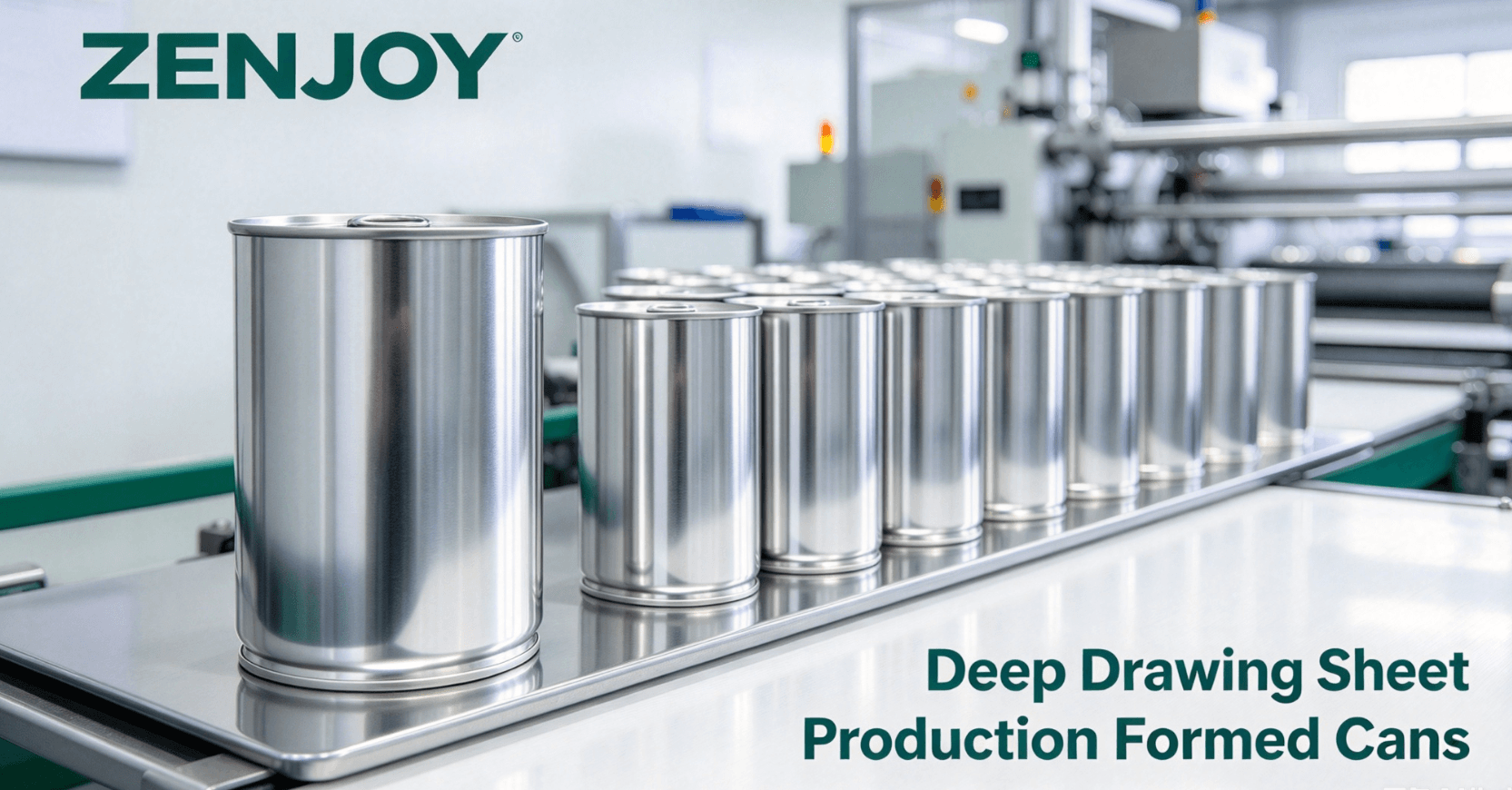
Deep Drawing Cracking Dilemma: How Tinplate Hardness and Elongation Affect Can Forming
Deep drawing cracking is one of the most common mechanical defects in DRD two-piece cans and complex shaped metal containers. Most stamping failures are not caused by mold parameters or lubrication issues, but by mismatched tinplate hardness and insufficient elongation. Unreasonable material temper selection will lead to edge cracking, body tearing and high scrap rate during high-speed continuous forming.

Tinplate Coating Peeling Risk Analysis and Avoidance Under High-Temperature Retort Sterilization
High-temperature retort sterilization is an essential process for shelf-stable food cans. However, long-term high-temperature and high-pressure environments easily cause coating blistering, delamination and peeling on the inner wall of metal cans. Many can manufacturers attribute coating failure solely to lacquer quality or baking process. In fact, **tinplate substrate performance, surface condition and material matching** are the core hidden causes of most high-temperature coating peeling problems. This article professionally analyzes the root causes of tinplate coating peeling under retort conditions, explains the difference in high-temperature resistance between ETP tinplate and TFS steel, and summarizes practical and operable avoidance solutions for mass production.
Want to know more?
Get in touch with us for more information about our services and products.