

Build a More Reliable Metal Packaging Supply Chain, from Coil to Custom Can
Build a more reliable metal packaging supply chain
Production plans can be disrupted by more than a late shipment. Inconsistent specifications across vendors, slow coordination, or a mismatch between materials, components, and equipment can add work and put delivery commitments at risk.
Coordinating materials, ends, and finished packaging through one metal packaging components supplier can simplify purchasing and quality control. With specifications aligned across the supply chain, your team can spend less time resolving handoff issues and more time keeping production on schedule. The goal is dependable supply that fits your products, equipment, and delivery windows.
Reduce the risks of a fragmented supply chain
When each can component comes from a different vendor, your team may need to reconcile separate specifications, schedules, and quality processes. A discrepancy between sheet dimensions and tooling requirements—or a delay confirming a lid specification—can affect production well beyond the purchasing desk.
A coordinated supplier can help align materials, components, and finished cans from the outset. This supports clearer communication, consistent quality checks, and a supply plan built around your production capabilities. For a closer look at sourcing models, read this guide to comparing mill sources, traders, and processing suppliers for tinplate orders.
Choose the right supply model for your operation
The right supply model depends on what your operation can produce in-house. If your facility processes coil or sheet and forms its own packaging, raw materials may be the best fit. If you have forming capability but need compatible ends, components may fill the gap. If you need a ready-made format, finished cans can reduce the production steps you manage internally.
For raw materials, determine whether your product and process call for Tinplate or Tin Free Steel (TFS). Tinplate is steel sheet coated with tin. TFS is chromium-coated steel without tin and is commonly used for can ends and lids. An electrolytic tinplate sheet supplier or tinplate coil supplier can support operations that require tin-coated steel, while a TFS supplier can provide suitable material for ends and lids.
A metal packaging materials supplier may offer tinplate coil, chromium-coated steel coil, tinplate sheets, and TFS sheets to customer specifications. Before comparing offers, align on grade, coating, thickness, dimensions, and processing requirements. Use this guide to comparing tinplate prices to assess more than the quoted price alone.
Match materials and components to the package
If your production line requires sheet rather than coil, ask about tinplate or TFS scroll-cut sheets. Coil is slit and leveled into order-specific sheet sizes for stamping, bending, can bodies, lids, and other packaging components. Confirm sheet dimensions and tolerances against your equipment and tooling before ordering.
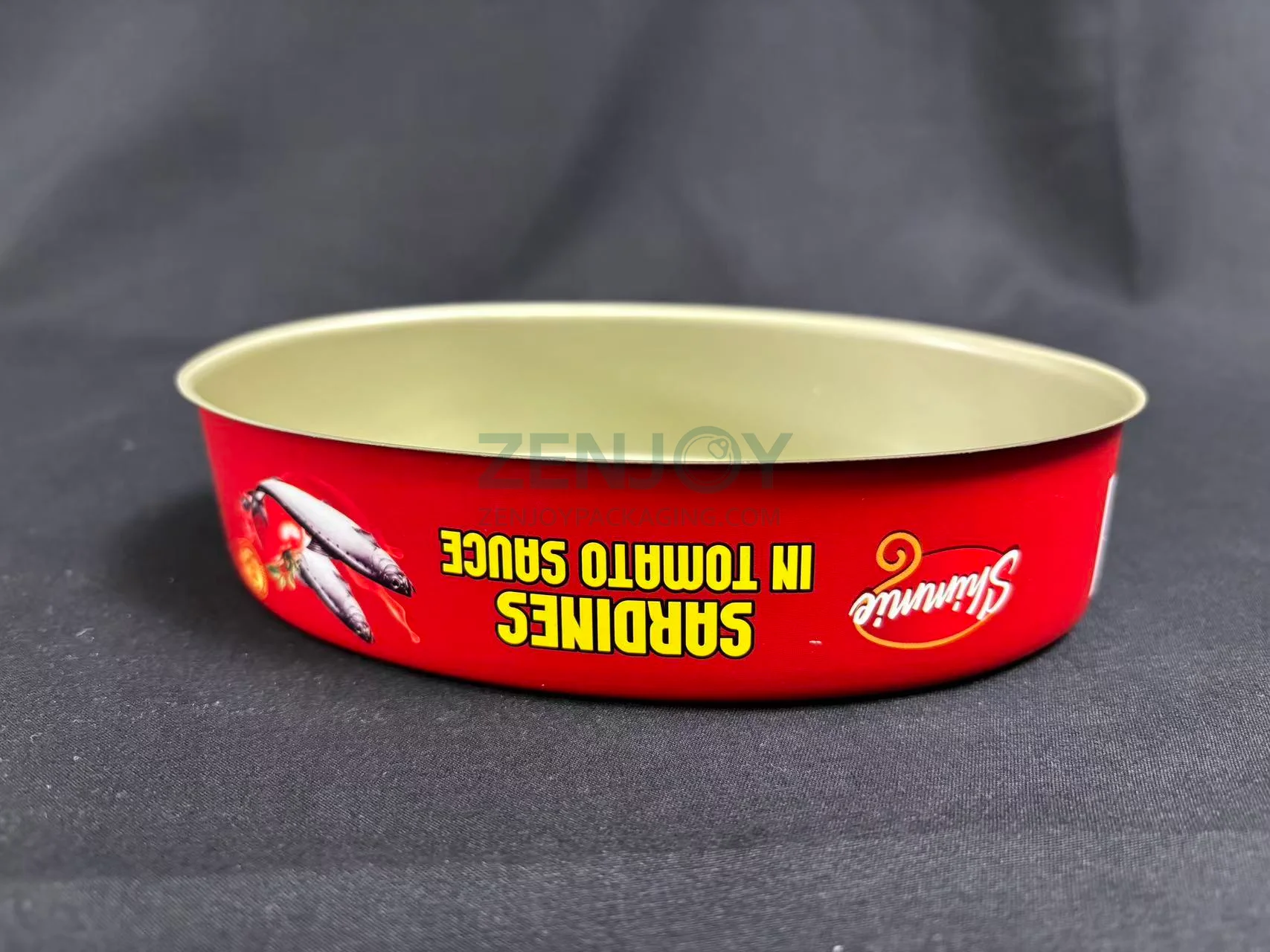
For ends and lids, assess sealing performance, opening experience, material, and dimensions—not just unit price. A tinplate can lid manufacturer, can lid manufacturer, or easy open end supplier should explain how its specifications match your product and filling process. Confirm the relevant dimensions and closure requirements for your application.
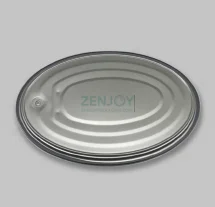
Round Full Aperture Easy Open Ends are available in sizes from 49.5 mm to 153.4 mm for products such as milk powder, jam, luncheon meat, and pet food. For larger cans requiring convenient, full-access opening, an Oval and Customized Full Aperture Easy Open End is sized at 159.8 × 106.8 mm. If standard options do not meet your needs, discuss a custom-size easy open end and verify that it suits your can dimensions and production process.
Select a can format for your product and production line
A three-piece can supplier or three-piece tin can manufacturer can provide customizable dimensions and materials for food and industrial packaging. Three-piece formats may suit products requiring a cylindrical body with a longitudinal seam and separately attached ends. Confirm that the dimensions and construction fit your product, filling process, and line capability.
For products with specific shape or branding requirements, customized metal cans may be available in standard round or special shapes. Design choices should reflect product characteristics and how the package will run on your equipment. Custom printed tin cans can also incorporate your brand requirements into the packaging specification.
When evaluating a two-piece can supplier or two-piece metal can supplier, compare the format with your product requirements, capacity, line capability, and packaging needs. The right choice depends on how the package will be filled, sealed, and stored—not on format alone.
Whether you need a milk can supplier, meat can supplier, tuna can supplier, round metal can supplier, or broader metal packaging containers supplier, specify the product, target dimensions, and production requirements early. This gives suppliers the information they need to recommend a practical format.
Assess suppliers for consistency and coordination
Use this checklist when comparing suppliers:
- Material grade, coating, and thickness
- Dimensional tolerances for coil, sheets, ends, and cans
- Sealing and opening performance for the intended product
- Production capacity and quality processes
- Lead times, shipping arrangements, and delivery communication
- Ability to coordinate custom dimensions, printing, and other packaging requirements
A single metal packaging components supplier may coordinate coil, cut sheets, ends, and cans, reducing handoffs and helping maintain consistent specifications. Ask how quotations are developed, how orders are monitored, and how delivery issues are handled. Review the supplier’s quotation process and shipping process as part of your evaluation.
Customization can help when standard dimensions do not suit your product or equipment. Ask whether the supplier can provide custom printed tin cans and custom-size easy open ends, and confirm how specifications will be checked before production. Clear requirements up front help prevent avoidable revisions.
Build a measurable sourcing case
Any reported savings figure should be treated as a starting point, not a guaranteed result. Confirm the metric and its context before presenting a quantified outcome. Then establish your own baseline: time spent coordinating vendors, material waste, delays caused by specification mismatches, and effort required to resolve quality issues.
With a baseline in place, compare your current sourcing model with a coordinated proposal. Consider the full scope: tinplate and TFS scroll-cut sheets, round and oval easy open ends, three-piece cans, and customized metal cans. An aligned supply plan may reduce coordination effort and improve consistency, but your business case should reflect your operation and measured results.
Request a coordinated supply proposal
Send us your material requirements, dimensions, can format, expected volume, and delivery schedule. Contact our team to request a tailored quotation and supply plan for your production needs.
Related News
Other news you might be interested in
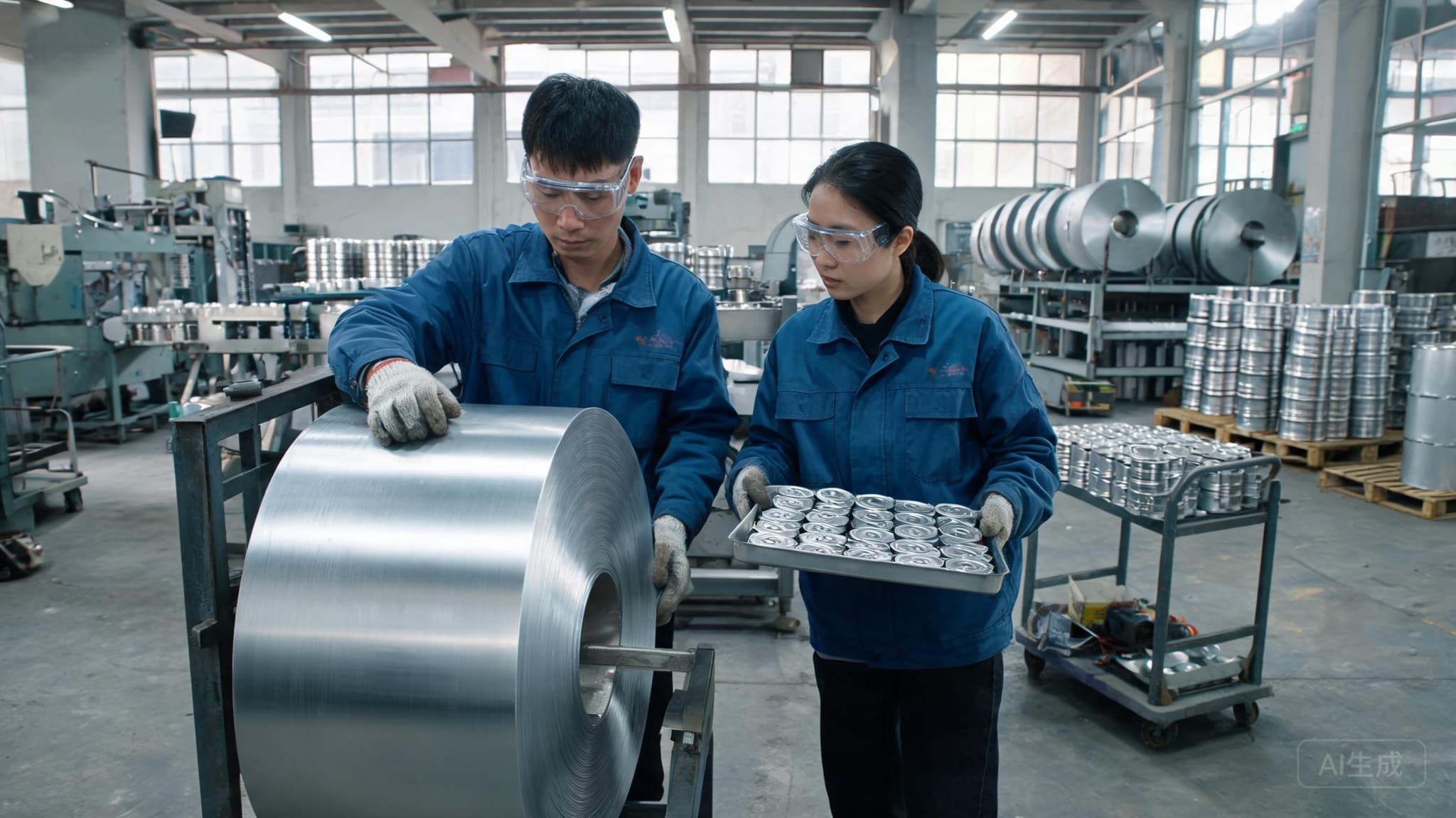
Build a More Reliable Metal Packaging Supply Chain from Coil to Can
Coordinate tinplate, TFS, can ends, lids, and finished cans through a clearer sourcing plan. Match materials and components to your production line, specifications, and delivery needs.
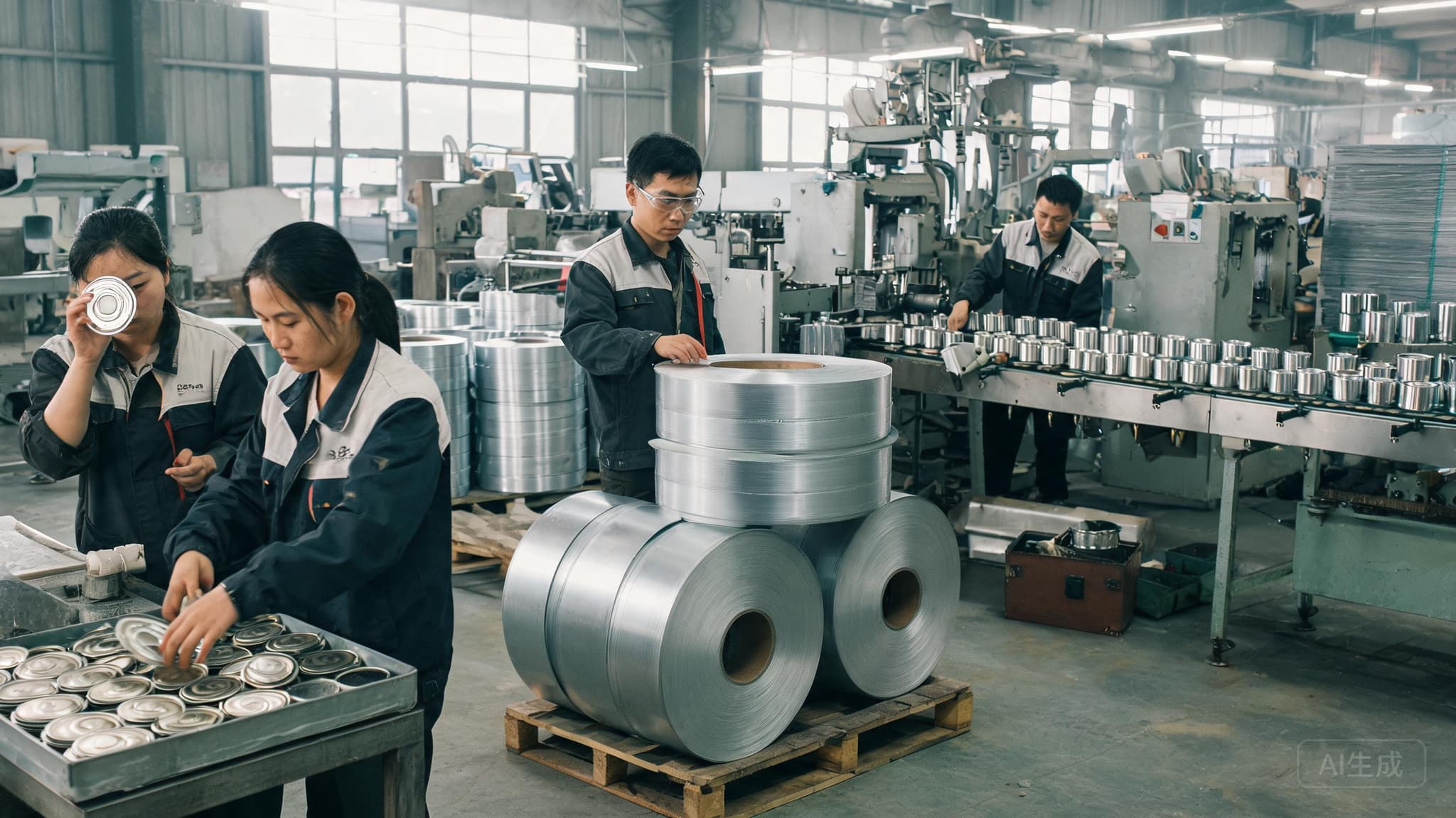
Build a More Reliable Metal Packaging Supply Chain from Coil to Finished Can
Coordinate tinplate, TFS, can ends, lids, and finished cans with a sourcing plan built around your specifications, production capabilities, and delivery schedule.
Want to know more?
Get in touch with us for more information about our services and products.