

How Do Different Contents Affect Lacquer Requirements for Tinplate?
Tinplate is widely used in food cans, beverage cans, dry-food containers and industrial metal packaging. Different products vary in acidity, salt content, sulfur compounds, oils and moisture. Packages also pass through filling, seaming, sterilization, transportation and storage. The internal lacquer is therefore more than a simple barrier layer: it must be suited to both the contents and the package’s real end use.
The same tinplate lacquer is not necessarily suitable for every product. Selection should consider how the contents interact with the can wall over time, how the can is formed, whether it undergoes retort processing, how it will be stored and what consumers expect when they open the package.
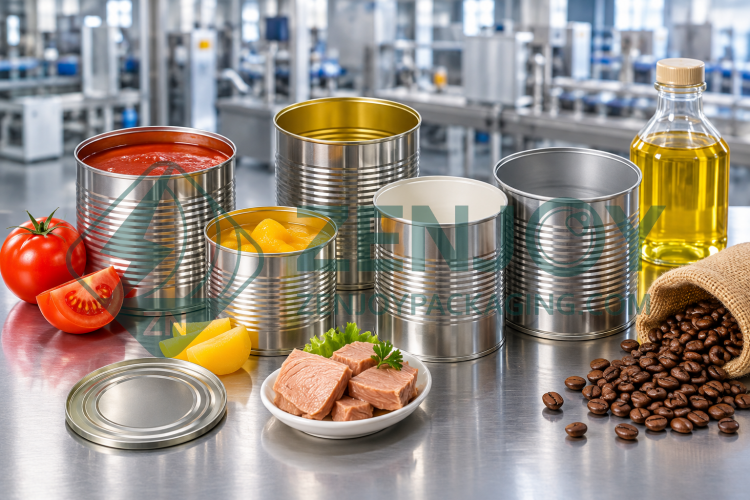
Product-by-Product Analysis: Chemical Properties Determine Coating Performance Requirements
Acidic Fruits and Vegetables (pH 3.0–4.5): Acid and Hydrolysis Resistance Are EssentialFor acidic products such as tomato paste, citrus fillings, berry purées and pineapple, the primary requirements for the lacquer system are excellent hydrolysis resistance and resistance to acid corrosion. Organic acids can continuously attack the coating interface during hot filling, pasteurization and even ambient storage, gradually degrading the coating from a “dense film” into a “porous film”.
The selected lacquer should have a stable cross-linked structure, low water absorption, strong adhesion to tinplate and tightly controlled dry-film pinholes. These properties help prevent localized corrosion that may generate hydrogen and cause can swelling. Common options include BPA-non-intent epoxy-phenolic or modified polyester coatings. For high-acid, higher-risk products such as concentrated tomato paste, a two-coat/two-bake structure—an anti-sulfur primer with an acid-resistant topcoat—may be used, with dry-film thickness adjusted as appropriate.
High-Protein Meat and Seafood: Sulfur Resistance Is the Central Requirement.For high-protein products such as luncheon meat, tuna, sardines and ham, the key risk is sulfide staining. During retort sterilization at 121°C, sulfur-containing amino acids (methionine and cysteine) may decompose and release sulfur compounds. If the lacquer contains pinholes or areas with insufficient coverage, sulfur species can react with exposed metal (iron or tin), forming black iron sulfide or tin sulfide spots. These visible “black spots” can become a major source of consumer complaints.
The lacquer must provide dedicated sulfur resistance. Common industry approaches include a zinc-containing anti-sulfur primer—which preferentially reacts with sulfur species to form visually less conspicuous zinc sulfide—or a highly film-forming epoxy-phenolic system. The coating must also withstand hot steam, oil penetration and salt attack. Formed products such as luncheon meat additionally require suitable release properties to prevent the cooked meat from sticking to the can and breaking during slicing.
High-Salt Pickles and Sauces: Chloride Pitting and Forming Performance Must Both Be Addressed.High-salt products such as pickled vegetables, fermented black beans, brined mushrooms and seasoned sauces create a combined corrosive environment involving chloride ions and mild acidity. Chloride ions can penetrate small coating defects and initiate pitting on the substrate; once the tin layer is penetrated, corrosion may spread rapidly. The lacquer therefore needs a dense film structure and strong resistance to salt exposure, while retaining sufficient flexibility. These products often use drawn or highly deformed can designs. If the coating cannot accommodate the substrate deformation during flanging, seaming or necking, microcracks may form at stress-concentration areas and provide pathways for chloride ions.
Oils and Nuts: Resistance to Oil Swelling and Flavor Transfer.For cans containing edible oils, nut fillings and oil-based sauces, the key requirements are oil resistance and low extractables. Although oils are poor solvents for many organic coatings, prolonged contact may still gradually swell and soften a coating, potentially allowing plasticizers or oligomers to migrate into the food and cause rancid or off-odors. The lacquer should resist long-term oil penetration and avoid swelling or softening, helping preserve flavor without unwanted odor transfer. For high-oil products, a system with high cross-link density and moderate polarity is generally worth evaluating, together with migration assessment using appropriate oil simulants (for example, the relevant simulants used under applicable GB requirements).
Aerosols and Chemical Products: The Differences Between Media Can Be More Extreme Than in Food Packaging.Aerosol cans and chemical containers face widely varying conditions. Alcohol-ether propellants, alkaline cleaners and media containing surfactants call for different coating properties, including solvent resistance, alkali resistance and low odor. Although non-food aerosols such as insecticides and automotive-care products are not subject to food-contact requirements, they may place demanding requirements on resistance to decomposition products in the contents—for example, sulfur resistance where sulfur-containing propellants are involved. Food-grade aerosols such as whipped cream and other spray foods must meet applicable food-contact requirements while also addressing migration under internal-pressure and use conditions.

Why Can the Same Lacquer Behave Differently Across Can Designs and Production Lines?
The final condition of a lacquer is influenced not only by the coating itself but also by the can-making method. Three-piece cans require attention to the welded seam and its repair coating. Two-piece drawn cans undergo significant deformation around the bottom radius and sidewall. Easy-open ends require consideration of the score, rivet and seam areas. If coating flexibility does not match the degree of forming, a film that was initially continuous may develop fine damage during production.
This is why the final solution should not be selected solely by a coating name or a single specification measured on flat sheet. Materials for drawn cans need to accommodate stretching and thinning; materials for three-piece cans must account for welding and side-stripe protection; and internal coatings for retort food cans must maintain suitable adhesion and protection after thermal processing. Even when the contents are the same, different can designs may require different substrate-and-lacquer combinations.
The intended use of the package matters just as much. Ambient distribution, refrigerated supply and ambient storage after retort do not place identical demands on the can interior. Filling temperature, seaming method, transport vibration and target shelf life can all influence package performance. These real-world conditions should be included in material selection so that a coating performs not only at one stage, but throughout manufacturing and distribution.

Lacquer Selection Must Connect the Contents, Can Design and Production Use
The performance of an internal lacquer depends on more than coating chemistry. Tinplate thickness, temper, tin coating weight, surface condition and passivation also matter. Different can formats and forming methods create different material requirements. For three-piece cans, welded-seam treatment and protection should be considered; for drawn cans and easy-open ends, attention should be paid to highly deformed areas, score lines and rivet structures.
When developing a new package or changing materials, can makers, product manufacturers and material suppliers should first clarify the product, can design, retort requirements, expected storage period and the problems the package must avoid. Acidic fruit and vegetable cans, for example, prioritize long-term acid protection; oil-packed seafood needs to account for oil, salt and thermal processing; coffee tins may place greater emphasis on odor and aroma preservation. Starting with the application often leads to a more effective material and lacquer match than comparing a single specification in isolation.
For food-contact applications, buyers should also confirm the regulations and relevant compliance documents applicable to the destination market, food category and conditions of use. Regulatory compliance, product compatibility and the actual package structure should be considered together.
Zenjoy Packaging: Connecting Material Selection with End-Use Applications
Zenjoy Packaging supplies tinplate, TFS and coated steel materials for metal packaging applications. For food cans, dry-food containers and industrial metal packaging, material selection should go beyond thickness and surface specifications to consider product characteristics, can design, processing methods and the final use environment, including the match between substrate and internal lacquer.
During project discussions, clarifying the product category, key formulation characteristics, can design, filling and thermal-processing methods, storage conditions and coating requirements helps define the material specification and application direction. Zenjoy Packaging aims to support material selection around specific packaging uses, helping customers coordinate substrate, coating and can-making requirements.
Different contents create different lacquer requirements because their real application environments are different. Acidic foods call for acid protection; seafood and high-salt products require consideration of salt and thermal processing; sulfur-bearing foods raise discoloration concerns; oily products require compatibility; and dry foods and industrial chemicals have their own priorities. By considering contents, can design, production and storage together, manufacturers can select a more suitable tinplate and internal coating system for the intended package.
Related News
Other news you might be interested in
Tinplate Passivation Film Failure: Pre-Existing Material Hazards for Metal Can Rusting During Storage
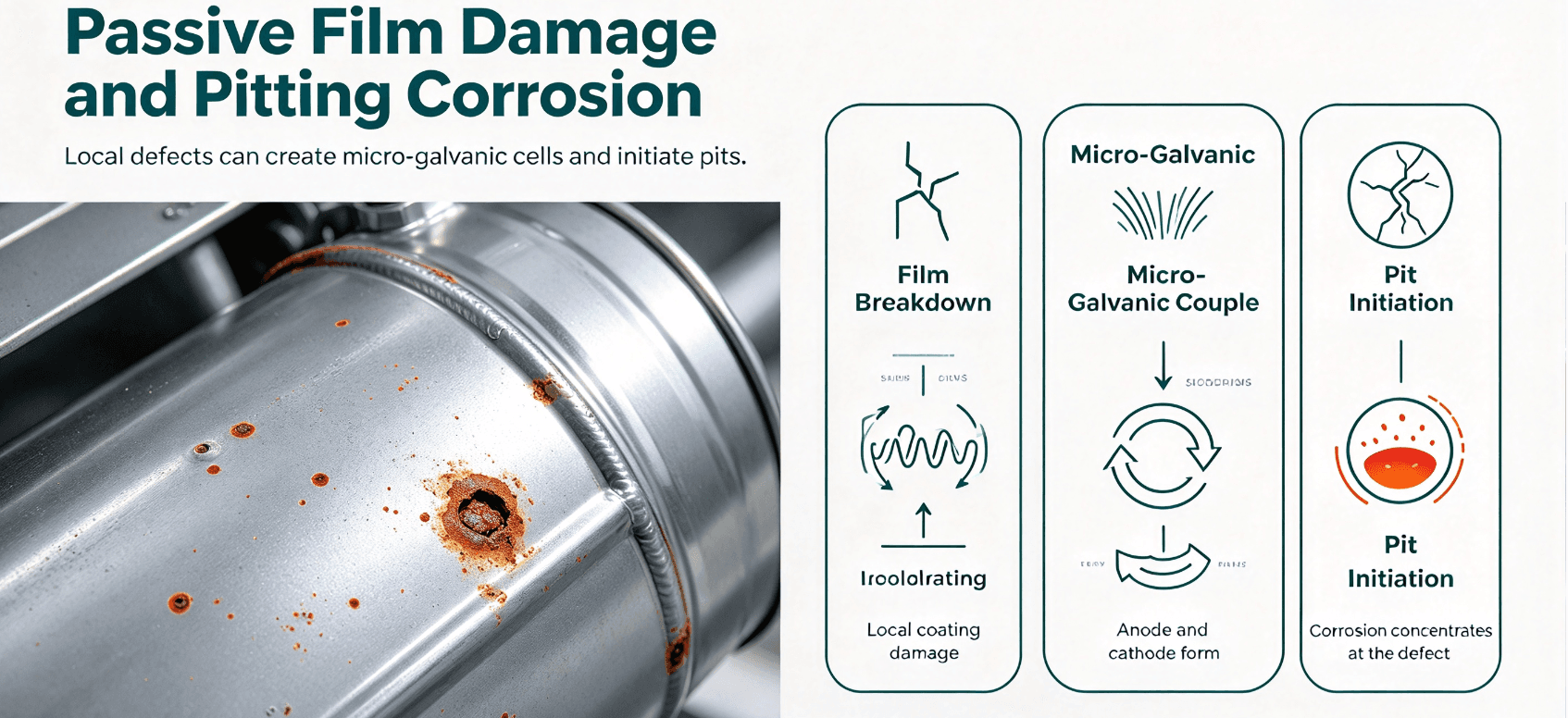
Rust spots appearing on metal cans after long-term warehouse storage is a common quality headache for can manufacturers. Most teams attribute this failure to poor warehouse humidity control or damaged outer coating, while overlooking the hidden risk originating from tinplate passivation film. The passivation film serves as a critical protective barrier between the tin layer and steel substrate. Inconsistent film weight, film discontinuity, improper passivation formula or edge weak film will weaken anti-corrosion performance. After slitting, forming and storage, moisture and corrosive media penetrate the protective layer and trigger pitting rust. This paper explains the corrosion mechanism caused by passivation film failure, evaluates key passivation quality indicators, and introduces how targeted material screening helps canmakers avoid post-production storage rust risks.

How to Build a More Reliable Metal Packaging Supply Chain
Align materials, can formats, ends, and delivery requirements before ordering to reduce production risk, improve supply visibility, and keep packaging programs on schedule.
Want to know more?
Get in touch with us for more information about our services and products.