
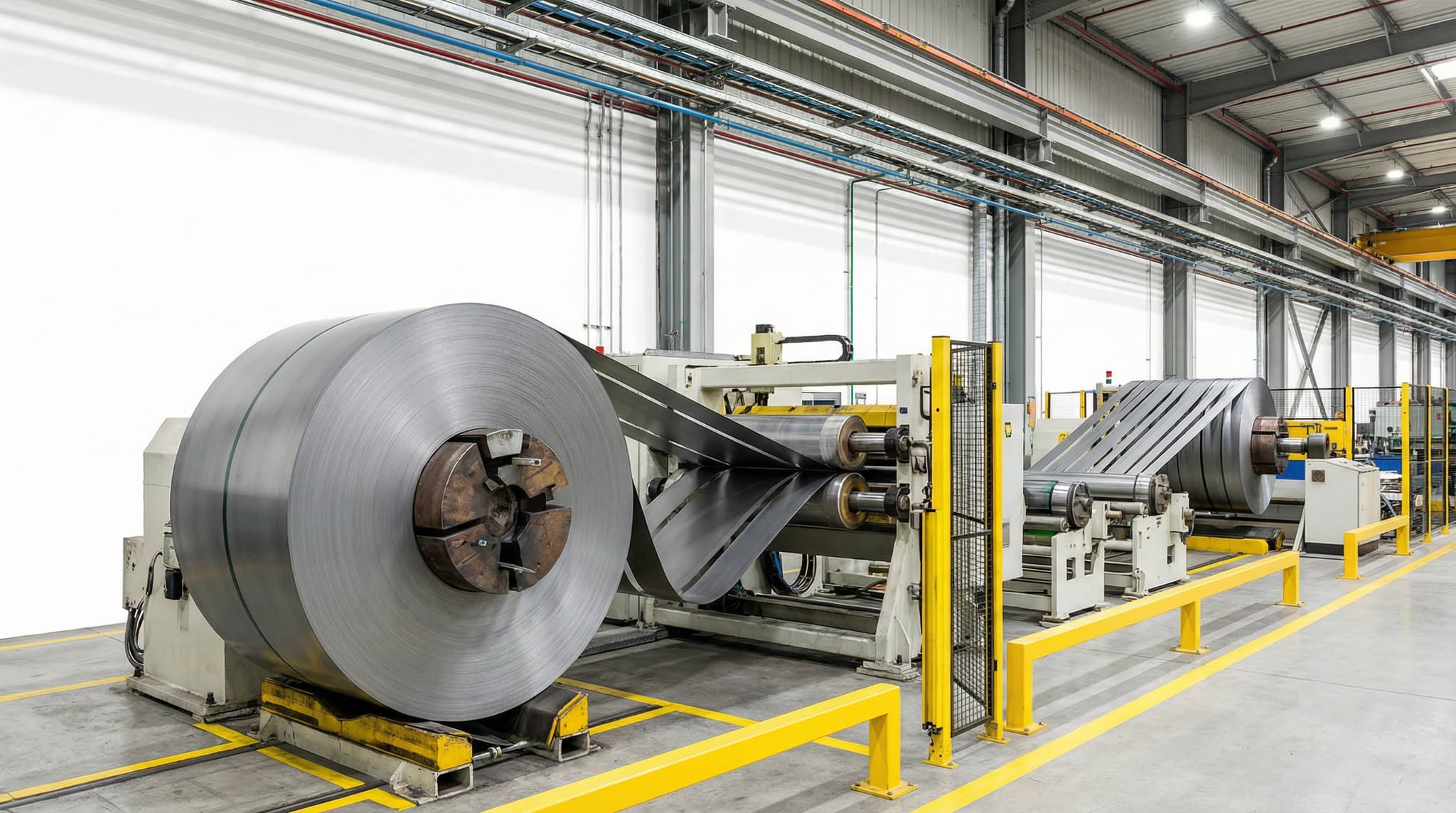
Hojalata vs Acero Libre de Estaño: Diferencias, Usos y Guía de Compra
Hojalata vs Acero Libre de Estaño: ¿Cuál es la Diferencia?
La hojalata y el acero libre de estaño son dos materiales importantes de acero ampliamente utilizados en el envasado y la fabricación industrial. A primera vista, pueden parecer similares porque ambos son productos de acero delgado utilizados en sistemas de envasado metálico. Sin embargo, no son el mismo material, y elegir el incorrecto puede afectar el costo, el rendimiento del proceso, el comportamiento frente a la corrosión y la idoneidad del producto final.
La principal diferencia está en el revestimiento superficial.
- La hojalata es acero recubierto con estaño.
- El acero libre de estaño, también llamado TFS o ECCS, es acero recubierto con cromo u óxido de cromo en lugar de estaño.
Para los compradores industriales, la elección entre hojalata y TFS debe basarse en los requisitos de la aplicación, el proceso de producción, el rendimiento frente a la corrosión, la compatibilidad con barnices y el ajuste total de la cadena de suministro.

¿Qué es la Hojalata?
La hojalata es una lámina de acero laminado en frío recubierta con estaño en ambos lados mediante un proceso electrolítico. Se utiliza ampliamente donde son importantes la resistencia a la corrosión, la apariencia, la soldabilidad y la versatilidad del proceso.
La hojalata se selecciona comúnmente para:
- latas de alimentos
- latas para productos secos
- envases decorativos
- contenedores industriales
- cierres y componentes que se benefician de una superficie recubierta de estaño
Debido a su amplia compatibilidad con los procesos, la hojalata sigue siendo un material estándar en muchos sectores de envasado.
¿Qué es el Acero Libre de Estaño?
El acero libre de estaño, o TFS, es una lámina de acero laminado en frío recubierta con capas basadas en cromo en lugar de estaño. A menudo se utiliza en aplicaciones donde la adhesión del barniz, el control de costos o los requisitos específicos de conformado y uso final lo convierten en una alternativa práctica a la hojalata.
El TFS se utiliza comúnmente para:
- tapas y fondos de latas
- tapas corona
- cierres
- componentes seleccionados de envases industriales
- aplicaciones donde la soldadura no es el requisito principal
El TFS puede ser una opción de material eficiente, pero no es un reemplazo directo uno a uno de la hojalata en todas las aplicaciones.
Diferencias Clave Entre Hojalata y TFS
1. Revestimiento superficial
La hojalata tiene un revestimiento de estaño.
El TFS utiliza sistemas de revestimiento basados en cromo. Esta diferencia afecta la apariencia, el comportamiento del procesamiento y la idoneidad de la aplicación.
2. Comportamiento frente a la corrosión
La hojalata a menudo se prefiere donde la resistencia a la corrosión y la protección del envase son preocupaciones principales, especialmente cuando se combina con sistemas de barniz adecuados.
El TFS también puede funcionar bien en muchas aplicaciones, pero el material debe coincidir cuidadosamente con el uso final y el sistema de revestimiento.
3. Soldabilidad
La hojalata es generalmente más adecuada para aplicaciones de cuerpos de latas soldadas.
El TFS suele ser menos adecuado donde se requiere soldadura y se utiliza más comúnmente en partes como tapas, fondos y cierres.
4. Adhesión de barniz y revestimiento
El TFS a menudo se valora por su buena adhesión del barniz en ciertas aplicaciones de envasado.
Esta es una de las razones por las que se utiliza comúnmente para tapas de latas y componentes similares.
5. Consideraciones de costo
En algunas aplicaciones, el TFS puede ofrecer ventajas de costo en comparación con la hojalata, dependiendo de las condiciones del mercado, los requisitos de revestimiento y las necesidades de rendimiento.
Sin embargo, los compradores no deben comparar solo el precio del material en bruto. La compatibilidad total de la producción y el rendimiento en el uso final son más importantes.
6. Flexibilidad de uso final
La hojalata es generalmente más versátil en una gama más amplia de formatos de envasado.
El TFS suele ser más específico para la aplicación.
¿Cuándo Deben los Compradores Elegir Hojalata?
La hojalata suele ser la mejor opción cuando los compradores necesitan:
- versatilidad general fuerte en el envasado
- rendimiento adecuado para cuerpos de latas
- buena apariencia y capacidad de impresión
- amplia compatibilidad de fabricación
- opciones de material para sistemas de envasado de alimentos y generales
- una solución probada para muchas aplicaciones establecidas de fabricación de latas
Para los grandes compradores, la hojalata suele ser la opción más segura cuando la aplicación requiere un conformado consistente y una mayor flexibilidad en el procesamiento posterior.
¿Cuándo Deben los Compradores Elegir Acero Libre de Estaño?
El TFS puede ser la mejor opción cuando los compradores necesitan:
- una alternativa consciente del costo en aplicaciones seleccionadas
- fuerte adhesión del barniz
- material para tapas, fondos o cierres
- una solución diseñada específicamente para componentes de envasado no soldados
- rendimiento coincidente con una línea y sistema de revestimiento existentes
El TFS a menudo no se selecciona porque sea "mejor en todos los aspectos", sino porque es mejor para un caso de uso específico.
¿Puede el TFS Reemplazar a la Hojalata?
A veces sí, pero no siempre.
Este es uno de los errores más comunes en las discusiones de abastecimiento. Algunos compradores intentan comparar el TFS y la hojalata solo por precio y luego asumen que el material más barato puede reemplazar al otro directamente. En la práctica, la sustitución debe revisarse cuidadosamente.
Antes de reemplazar la hojalata con TFS, los compradores deben evaluar:
- requisitos de conformado
- método de unión o costura
- expectativas de corrosión
- sistema de revestimiento o barniz interno
- entorno de llenado del producto
- condiciones de transporte y almacenamiento
- compatibilidad con la línea de producción
Un cambio de material debe probarse en función de las condiciones reales de la aplicación, no solo de la descripción del proveedor.
Qué Deben Confirmar los Compradores de Envases Antes de Ordenar
Ya sea que adquieran hojalata o TFS, los compradores industriales deben revisar lo siguiente:
Tipo de aplicación
¿El material es para cuerpos de latas, tapas, fondos, cierres o contenedores industriales?
Requisitos mecánicos
¿Qué resistencia y capacidad de conformado se necesitan?
Superficie y sistema de revestimiento
¿Qué barniz, impresión o tratamiento protector se utilizará?
Forma de suministro
¿Se necesita el material en forma de bobina, lámina o cortado a medida?
Consistencia de calidad
¿Puede el proveedor mantener la estabilidad por lotes para pedidos de gran volumen?
Tiempo de entrega y soporte en temporada alta
¿Puede el proveedor entregar de manera confiable durante la temporada crítica de producción del comprador?
Para los clientes de envasado de gran volumen, la confiabilidad del suministro suele ser tan importante como el material en sí.
Hojalata y TFS en la Adquisición de Gran Volumen
Los compradores industriales de gran volumen generalmente no compran solo por categoría de material. Compran según el riesgo de producción.
Eso significa que las preguntas reales de adquisición a menudo son:
- ¿Qué material se ajusta mejor a nuestra línea actual?
- ¿Qué opción reduce la posibilidad de interrupción de la producción?
- ¿Qué proveedor puede apoyar nuestra planificación de demanda anual?
- ¿Qué material nos da un costo aceptable sin agregar riesgo técnico?
Esta es la razón por la cual los proveedores fuertes hacen más que enumerar nombres de productos. Ayudan a los compradores a emparejar el material correcto con la aplicación correcta.
Preguntas Frecuentes
¿Cuál es la principal diferencia entre hojalata y TFS?
La principal diferencia es el revestimiento superficial. La hojalata utiliza estaño, mientras que el TFS utiliza revestimientos basados en cromo.
¿Es el TFS más barato que la hojalata?
En algunos casos puede serlo, pero la decisión no debe basarse solo en el precio. El ajuste del procesamiento y la idoneidad de la aplicación son críticos.
La hojalata es generalmente la opción preferida para aplicaciones de cuerpos de latas soldadas.
¿Cuál se utiliza comúnmente para tapas y fondos?
El TFS se utiliza comúnmente para tapas, fondos y ciertas aplicaciones de cierres.
¿Puede el TFS reemplazar completamente a la hojalata?
No en todos los casos. La sustitución debe verificarse en función del proceso de producción real y las condiciones de uso final.
---
¿Necesita ayuda para elegir entre hojalata y TFS para su línea de producción?
Related News
Other news you might be interested in

Tinplate Coating Peeling Risk Analysis and Avoidance Under High-Temperature Retort Sterilization
High-temperature retort sterilization is an essential process for shelf-stable food cans. However, long-term high-temperature and high-pressure environments easily cause coating blistering, delamination and peeling on the inner wall of metal cans. Many can manufacturers attribute coating failure solely to lacquer quality or baking process. In fact, **tinplate substrate performance, surface condition and material matching** are the core hidden causes of most high-temperature coating peeling problems. This article professionally analyzes the root causes of tinplate coating peeling under retort conditions, explains the difference in high-temperature resistance between ETP tinplate and TFS steel, and summarizes practical and operable avoidance solutions for mass production.
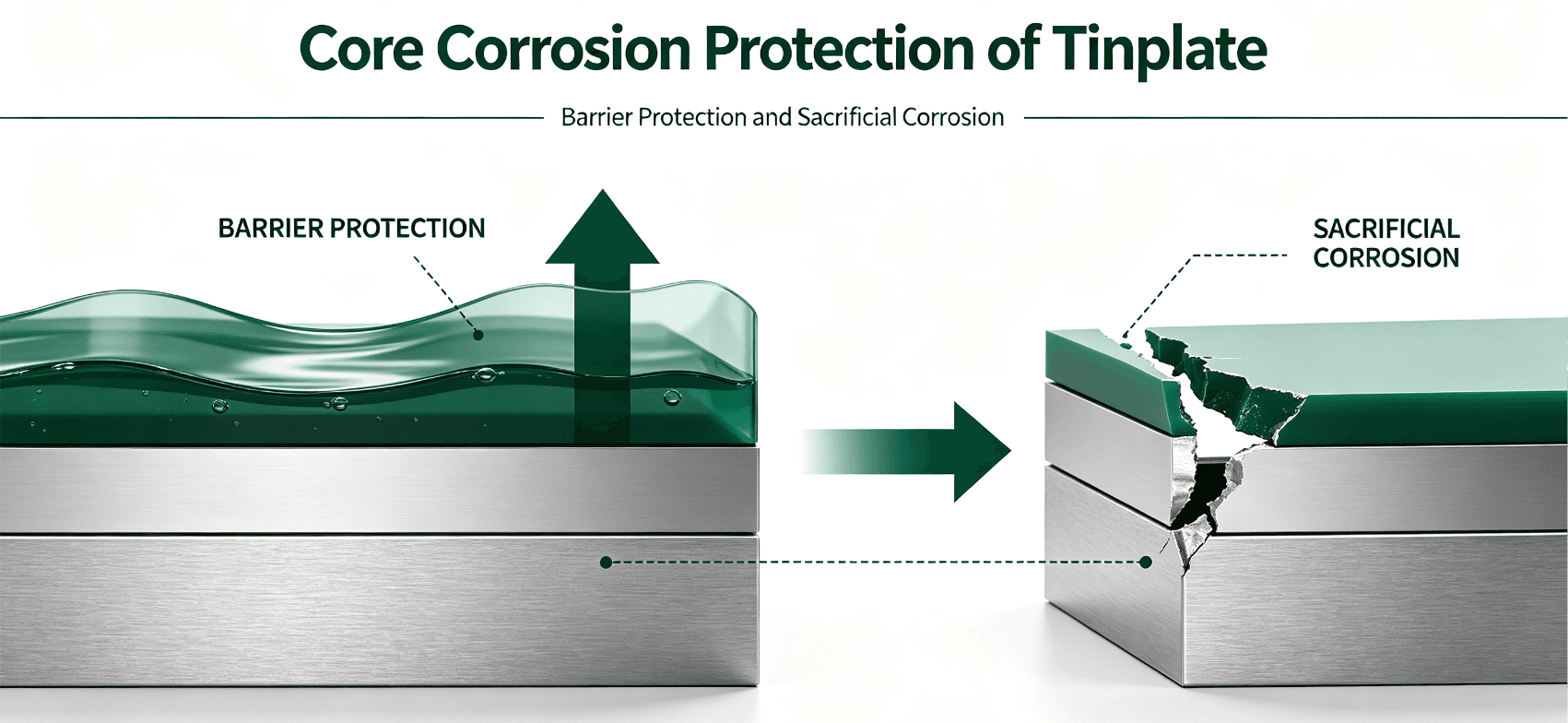
Sacrificial Corrosion & Barrier Protection: Core Anti-Corrosion Principle of Tinplate
The service life and storage safety of metal food cans largely depend on the anti-corrosion performance of packaging materials. As the most widely used substrate for food cans and general metal containers, ETP electrolytic tinplate adopts two core anti-corrosion mechanisms: barrier protection and sacrificial anode protection. These two protection systems work together to ensure stable corrosion resistance in complex food filling and high-temperature sterilization environments.
Want to know more?
Get in touch with us for more information about our services and products.