
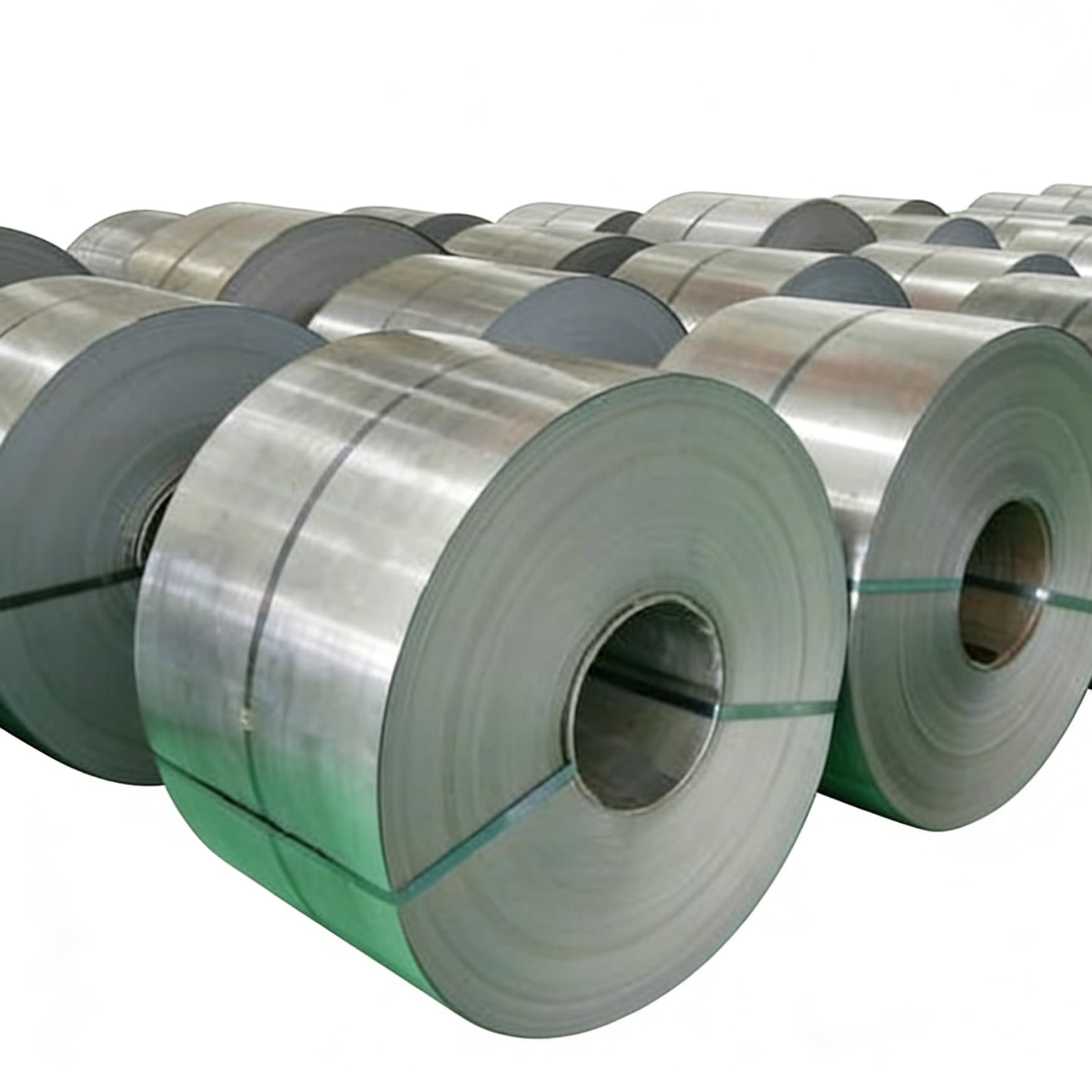
How Large Buyers Secure Tinplate Supply Before Peak Season
Why Peak-Season Planning Matters
In packaging-related industries, buying tinplate at the right time is often just as important as buying the right specification.
For large buyers serving:
- food can manufacturing
- tuna can packaging
- wet can applications
- closures and ends production
- industrial packaging demand cycles
missing the buying window can create much bigger problems than a simple delivery delay.
If material arrives too late, the buyer may face:
- interrupted production
- delayed customer deliveries
- reduced seasonal output
- rushed purchasing at higher risk
- pressure across the entire supply chain
That is why experienced buyers do not wait until the last moment. They secure tinplate supply before peak season through earlier coordination and better procurement planning.
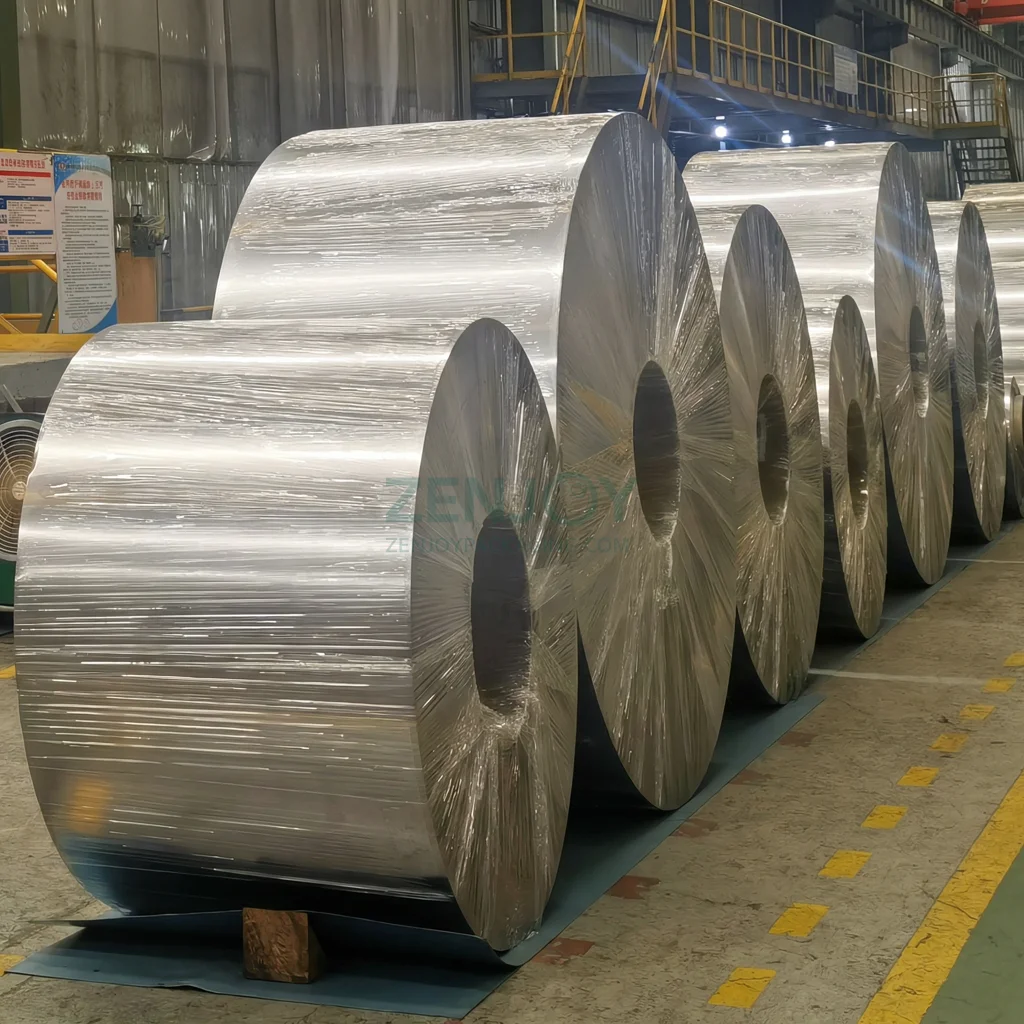
Tinplate Steel Sheet in Coil
Electrolytic Tinplate (ETP) is a low-carbon steel sheet that has been electrolytically coated with tin, widely used in packaging for food, beverages, chemical products, and other applications. With its excellent corrosion resistance, superior processability, and attractive appearance, tinplate has become an indispensable material in modern packaging industry. Our tinplate products strictly adhere to international standards and utilize advanced manufacturing processes to ensure exceptional quality in every coil.
Step 1: Lock the Core Specifications Early
The first step is to confirm the most important specifications before the market becomes crowded.
Buyers should review early:
- thickness
- width
- temper
- coating weight
- supply form
- application-specific requirements
When specifications remain unclear too long, procurement slows down exactly when suppliers become busier. This increases the risk of delayed decisions, weaker allocation, and rushed order placement.
Large buyers usually treat early specification confirmation as a way to protect later production stability.
Step 2: Build Procurement Around the Production Calendar
Peak-season buying should not be handled as a separate purchasing event. It should be aligned with the factory’s production calendar.
Buyers should work backward from:
- expected order surge
- production scheduling
- material arrival deadlines
- internal processing time
- finished goods delivery commitments
This approach helps answer a more practical question:
When must the material actually be in the factory, not just when should the PO be issued?
For buyers with large volume demand, this timing difference is critical.
Step 3: Confirm Real Lead Time, Not Ideal Lead Time
One of the biggest procurement mistakes is relying on normal-period lead time during a busy season.
Lead time should be reviewed based on:
- current market demand
- supplier stock position
- processing requirements
- export booking pressure
- holiday timing
- large-order queue conditions
A supplier may quote one timeline under normal conditions and a very different one when the market becomes busy.
Serious buyers therefore ask not only:
- What is the standard lead time?
but also:
- What is the peak-season lead time?
- Can repeat sizes be prioritized?
- Is there stock support?
- What needs to be booked earlier?
This is often where supply success or failure is decided.
Step 4: Avoid Last-Minute Specification Changes
Late specification changes are especially risky before peak season.
A small change in:
- thickness
- width
- coating
- supply form
- packaging method
- processing requirement
can cause more delay than buyers expect, especially when suppliers are already scheduling heavy volume.
If specification changes are unavoidable, they should be discussed as early as possible. Waiting until the order is close to shipment usually reduces flexibility and increases supply pressure.
For large-volume procurement, stable planning is often more valuable than constant last-minute adjustment.
Step 5: Choose Suppliers That Can Support Bulk Continuity
During peak season, buyers do not only need a supplier who can quote. They need one who can support continuity.
This means evaluating whether the supplier can help with:
- repeat bulk supply
- standard specification continuity
- practical stock or replenishment support
- processing and delivery coordination
- communication speed when schedules tighten
A supplier that looks competitive in a quiet month may not perform the same way when the entire market is under pressure.
For seasonal industries, supply continuity is one of the most important selection criteria.
Step 6: Prepare for Internal Handling and Processing Time
Securing supply is not only about the shipment date. Buyers should also plan for what happens after the material arrives.
This includes:
- inbound handling
- warehouse allocation
- internal cutting or slitting
- line scheduling
- quality checking
- production release timing
Some buyers focus on vessel departure or factory dispatch without checking whether the material can actually enter production on time.
For operations using sheet-fed or custom-size material, this step may be easier. For buyers handling full coil with internal processing, preparation time should be built in much earlier.
Step 7: Reduce Risk Through Better Communication
Peak season exposes weak coordination very quickly.
To reduce procurement risk, buyers should maintain clear alignment with suppliers on:
- confirmed specifications
- order timing
- production schedule
- packing requirements
- shipping plan
- possible delay points
- urgent communication channels
In many cases, problems do not begin with material shortage. They begin with unclear timing and incomplete communication.
Better coordination often creates better delivery performance.
What Large Buyers Usually Do Differently
Compared with smaller buyers, large industrial buyers often secure supply more effectively because they:
- define recurring specifications early
- plan against the production calendar
- confirm realistic lead times
- reduce unnecessary changes
- work with suppliers that can support repeat volume
- build buffer time into the process
- communicate earlier and more clearly
This does not eliminate every market risk, but it usually lowers the chance of major disruption.
Why This Matters So Much in Food and Wet Can Packaging
In industries tied to food processing or seasonal demand, missing the supply window can affect much more than one shipment.
A delayed tinplate order may mean:
- missed production slots
- delayed can filling schedules
- missed seasonal market demand
- underused labor and equipment
- lower annual volume than planned
For buyers in these segments, early supply planning is not optional. It is a core part of commercial execution.
FAQ
Why should buyers secure tinplate supply before peak season?
Because late procurement increases the risk of longer lead times, supply pressure, and production disruption.
What should be confirmed first before busy season?
Buyers should confirm specifications, required arrival timing, and realistic lead-time expectations.
Why is normal lead time not enough?
Because peak-season conditions often create longer queues, tighter stock, and reduced scheduling flexibility.
Can late specification changes cause major delays?
Yes. Even small changes may affect processing, scheduling, or shipping when suppliers are already busy.
What kind of supplier is better for peak-season buying?
A supplier that can support repeat volume, stable coordination, and reliable delivery planning.
---
Need support planning tinplate supply before your peak production season?
Related News
Other news you might be interested in
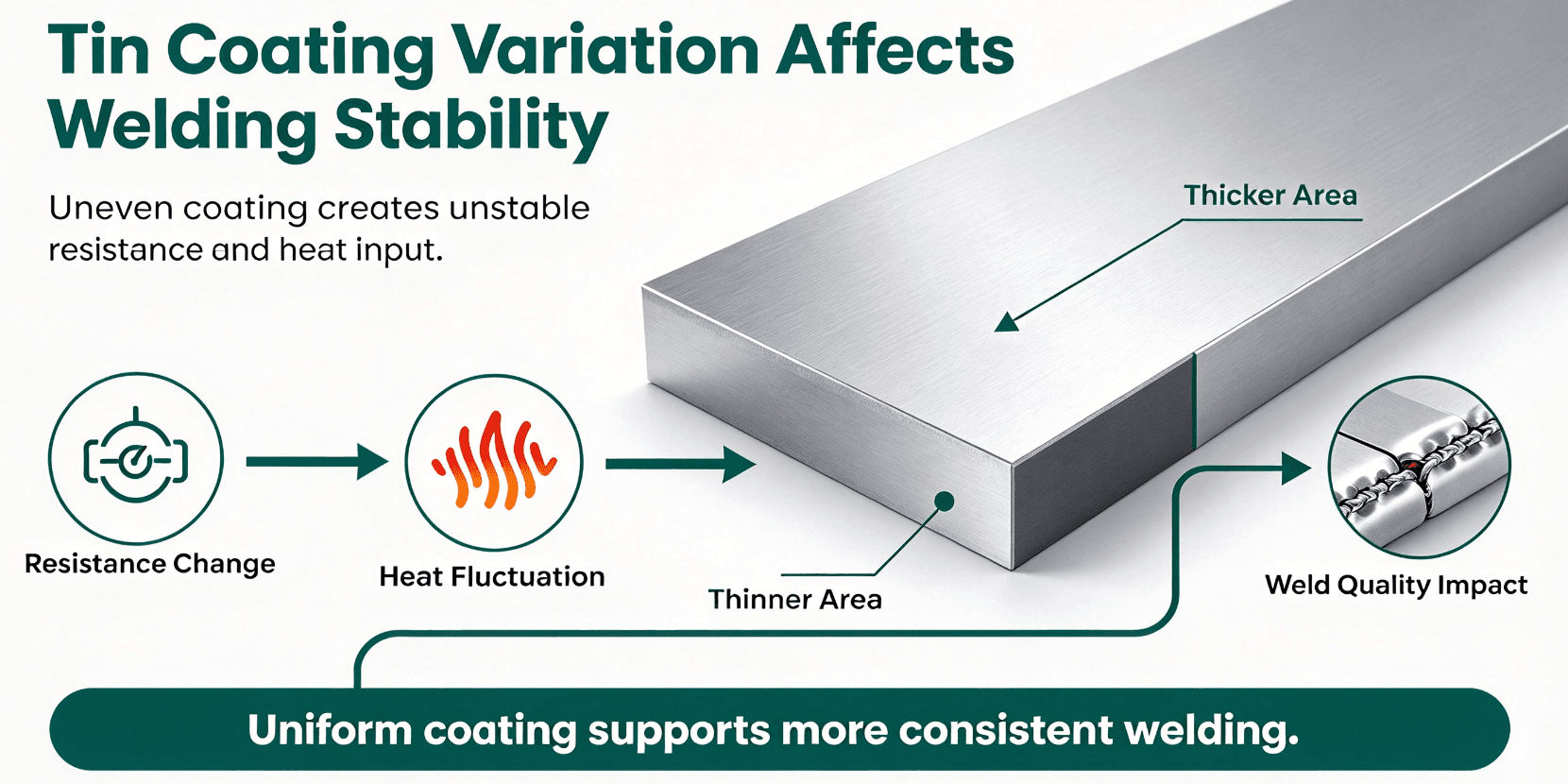
Weld Spatter & Leakage Defects: The Decisive Role of Tin Coating Uniformity in Can Welding Quality
High-speed resistance seam welding is the core forming process for three-piece metal cans. In actual mass production, persistent weld spatter, granular slag residue and hidden seam micro-leakage severely compromise sealing consistency, sterilization resistance and finished product yield. Most manufacturers tend to attribute these defects to unstable current, improper pressure or worn welding wheels. However, industrial verification proves that uneven tin coating distribution on tinplate is the fundamental material-induced root cause of recurring welding spatter and leakage issues.
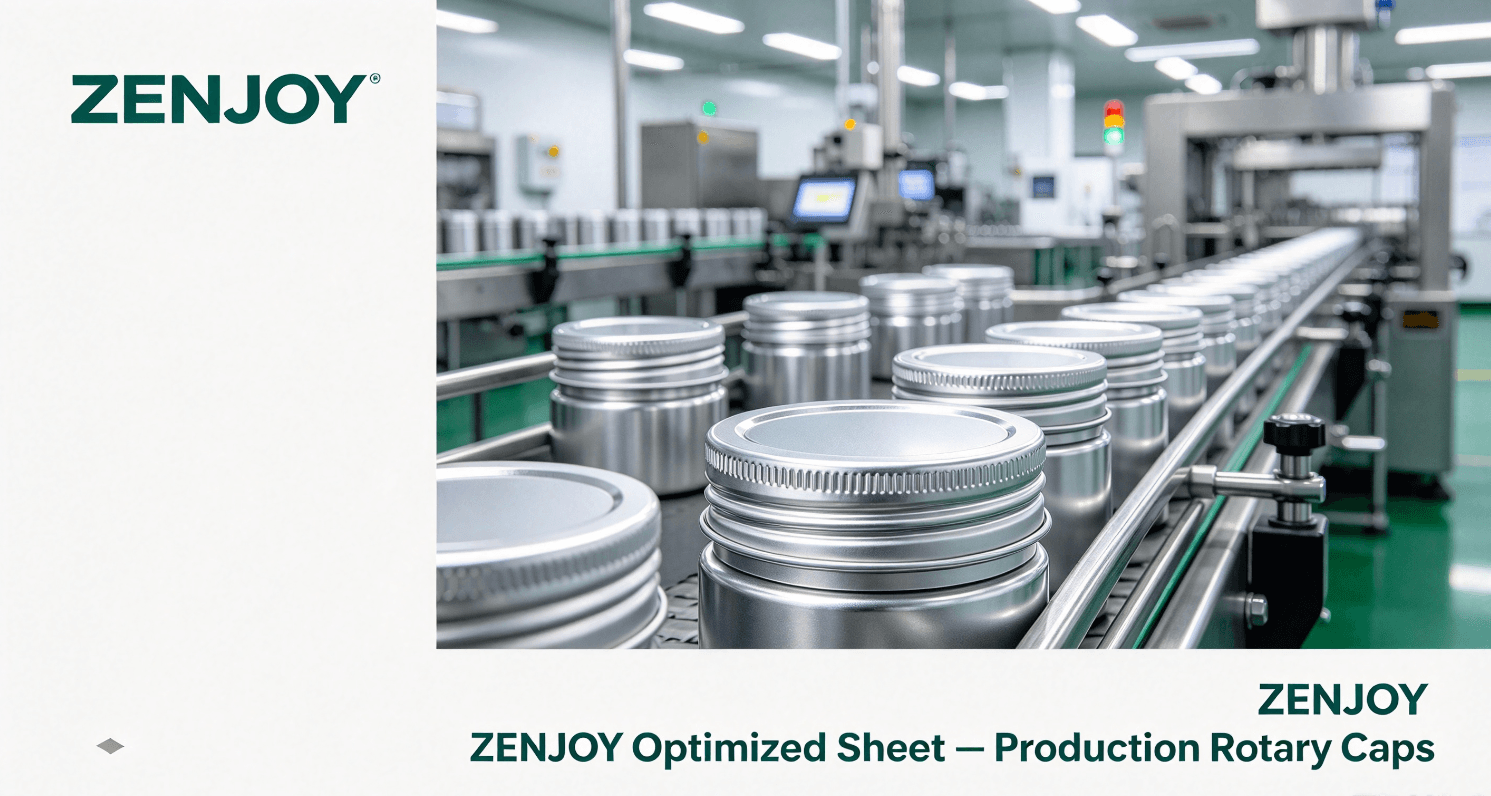
Low-Earing CA Annealed Tinplate: The Optimal Material for Stable Twist-Off Lid Deep Drawing & High Yield Rate
Twist-off lid manufacturing has extremely strict requirements on material anisotropy and ductility. Different from regular can bodies, twist-off lids undergo complex deep drawing, edge trimming and crimping processes, making them highly sensitive to uneven steel performance. According to actual mass production verification, no alternative tinplate grades can achieve stable forming results for twist-off lid production. Low-earning CA continuous annealed tinplate remains the most suitable and high-performance material dedicated for twist-off lid stamping.
Want to know more?
Get in touch with us for more information about our services and products.