

How to Build a More Reliable Metal Packaging Supply Chain
When Packaging Supply Decisions Put Production at Risk
Metal packaging decisions can quickly become production risks when material costs fluctuate, specifications do not match line requirements, or lead times change without warning. Buyers need to protect product quality through filling, storage, shipment, and delivery while keeping procurement predictable.
The challenge rarely involves the can body alone. Barrier performance, product protection, recyclability, opening convenience, sealing requirements, and component cost must work together. When material, can format, and end design are selected independently, teams can face delays, incompatible components, avoidable line adjustments, and costly rework.
A more reliable approach starts by aligning packaging specifications with production needs before placing an order. Confirm material grade, dimensions, coating requirements, can construction, lid design, volumes, and delivery schedule as one connected sourcing decision.
Match the Material to the Application
Material selection affects forming performance, sealing compatibility, appearance, and supply continuity. Tinplate is steel coated with tin. Tin Free Steel (TFS) is chromium-coated steel without tin and is commonly selected for can ends and lids when the application and forming requirements support its use.
A capable metal packaging materials supplier can help compare tinplate coil for manufacturing, electrolytic tinplate sheet, tinplate sheets, chromium-coated steel coil, and TFS against required dimensions, temper, coating, forming method, and end use.
For coil-fed operations, a dependable tinplate coil supplier should confirm coil specifications and continuity requirements before shipment. For blank-fed or sheet-based production, a tinplate sheet supplier or electrolytic tinplate sheet supplier can help establish sheet dimensions and tolerances suited to downstream operations.
For lid and end applications, a TFS sheet supplier can support buyers seeking consistent chromium-coated sheet. A qualified supplier can coordinate material availability with component-making requirements. For a practical procurement perspective, review how to compare mill source, trader, and processing supplier options for tinplate orders.
Choose Can Formats and Components Around the Product

Select can format around the product, filling method, line configuration, capacity, and appearance. Two-piece cans are formed from a body and an end. Three-piece cans typically use a body, top, and bottom, providing flexibility across round and other required shapes.
A two-piece metal can supplier can support programs that need tailored dimensions, suitable materials, and a consistent appearance. Two-piece designs can be a strong fit when body construction and end compatibility need close coordination.
A three-piece format offers another configurable option for products requiring round profiles or specific dimensions. A qualified three-piece metal can manufacturer can work from a production brief covering body diameter, height, seam requirements, coating needs, and end style.
Depending on your product range, you may need a round metal can supplier, milk can supplier, meat can supplier, or tuna can supplier that understands the relevant pack format and component requirements.
Specify Easy-Open Ends for a Better User Experience
The end is a functional packaging component, not an afterthought. Its design affects opening convenience, sealing performance, can compatibility, and the integrity of packaged food during storage and transportation.
For large-capacity cans requiring convenient access and dependable sealing, the Full Aperture Oval Easy Open End is available in a 159.8 × 106.8 mm format. Its full-aperture opening supports access to the packed contents while maintaining a production-ready end configuration.
The Full Aperture Rectangle Easy Open End suits canned-food applications that require a precision-fit rectangular format. Selecting the correct geometry helps ensure the end matches the can body, filling process, and intended user experience.
An experienced easy open end supplier, EOE lid supplier, or tinplate can lid manufacturer should assess can dimensions, material selection, end profile, and intended application before recommending a steel can lid or a custom-size easy-open lid. This review can prevent compatibility issues after production starts.
Build Production Flexibility Into Material Preparation
TFS scroll-cut sheet is chromium-coated steel processed to customer-specified dimensions through slitting and leveling. Accurate processing gives downstream manufacturers material prepared for the intended forming operation, reducing unnecessary handling or adjustment.
The processed sheet can be stamped or bent into can bodies, easy-open lids, packaging boxes, and hardware components. Dimensional consistency is important for manufacturers that need dependable feeding, forming, and component output.
Work with a TFS supplier or metal packaging components supplier early in planning to reduce material-handling friction. Share finished component dimensions, blank layout, required tolerances, and planned production volumes so the supplied sheet supports the actual manufacturing workflow.
Customize Packaging Without Losing Sight of Manufacturability

A customized metal can can be configured across dimensions, materials, round formats, and special shapes. A successful design must remain practical for forming, seaming, filling, end application, shipment, and repeat production.
Custom printed tin cans can increase brand visibility, but appearance should be reviewed alongside product characteristics, can geometry, component compatibility, and production capability. Early coordination helps avoid designs that look strong on a specification sheet but add unnecessary complexity on the line.
Involving a metal packaging containers supplier at the beginning allows buyers to coordinate material, can body, end design, printing, and delivery as one program. A clear quotation process also helps identify specification gaps before they affect cost or timing; see the supplier’s quotation process for details that support a more accurate proposal.
Evaluate Suppliers on Total Supply-Chain Value
Evaluate suppliers on more than price per unit. Key qualification points include specification adherence, material traceability, dependable capacity, communication, component compatibility, packaging support, and the ability to manage customization consistently.
Metal packaging performance depends on barrier requirements, product protection, recyclability, and format suitability. Two-piece and three-piece steel cans serve different product and production needs, so the best choice depends on the full packaging brief rather than a single purchasing criterion.
A capable can lid manufacturer, two-piece can supplier, or metal packaging materials supplier can reduce sourcing complexity by connecting material preparation, can construction, and end supply. This integrated approach improves supply-chain visibility and makes it easier to address changes before they become production disruptions.
Communication after order placement also matters. Confirm production status, inspection expectations, packing details, shipment milestones, and support channels before the first delivery. Reviewing after-sales support practices can help teams assess ongoing coordination.
Turn Packaging Requirements Into a Sourcing Conversation
To receive a useful sourcing proposal, share your product type, target can dimensions, preferred material, end style, expected volumes, destination, and delivery requirements. Include any needs for easy-open ends, printed decoration, special shapes, or prepared sheet dimensions.
A specification review can compare tinplate and TFS options, assess two-piece or three-piece can formats, confirm easy-open end compatibility, and identify the best path for customization and production fit. Aligning these details early makes it easier to protect schedule, quality, and supply continuity.
Related News
Other news you might be interested in
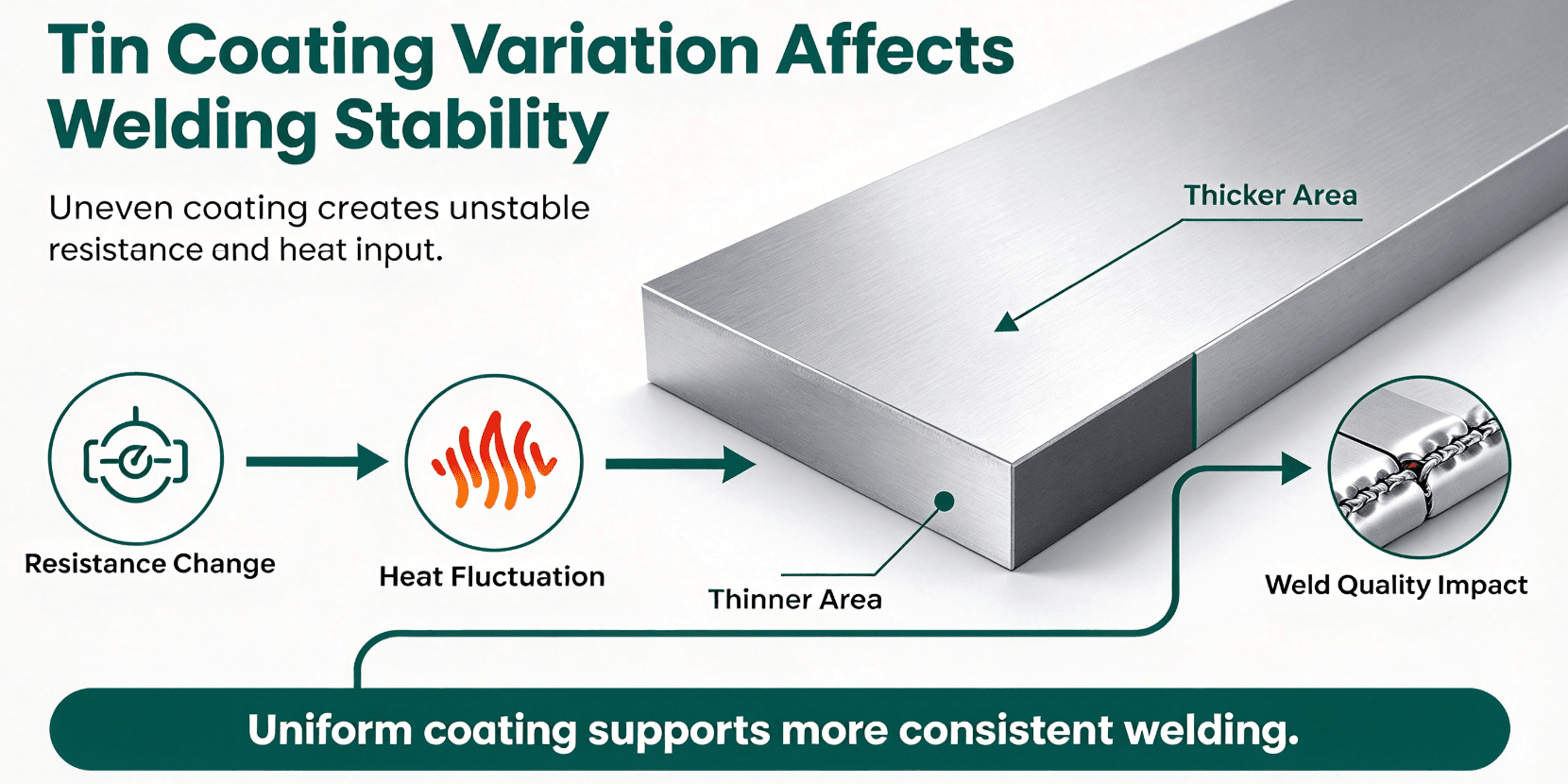
Weld Spatter & Leakage Defects: The Decisive Role of Tin Coating Uniformity in Can Welding Quality
High-speed resistance seam welding is the core forming process for three-piece metal cans. In actual mass production, persistent weld spatter, granular slag residue and hidden seam micro-leakage severely compromise sealing consistency, sterilization resistance and finished product yield. Most manufacturers tend to attribute these defects to unstable current, improper pressure or worn welding wheels. However, industrial verification proves that uneven tin coating distribution on tinplate is the fundamental material-induced root cause of recurring welding spatter and leakage issues.
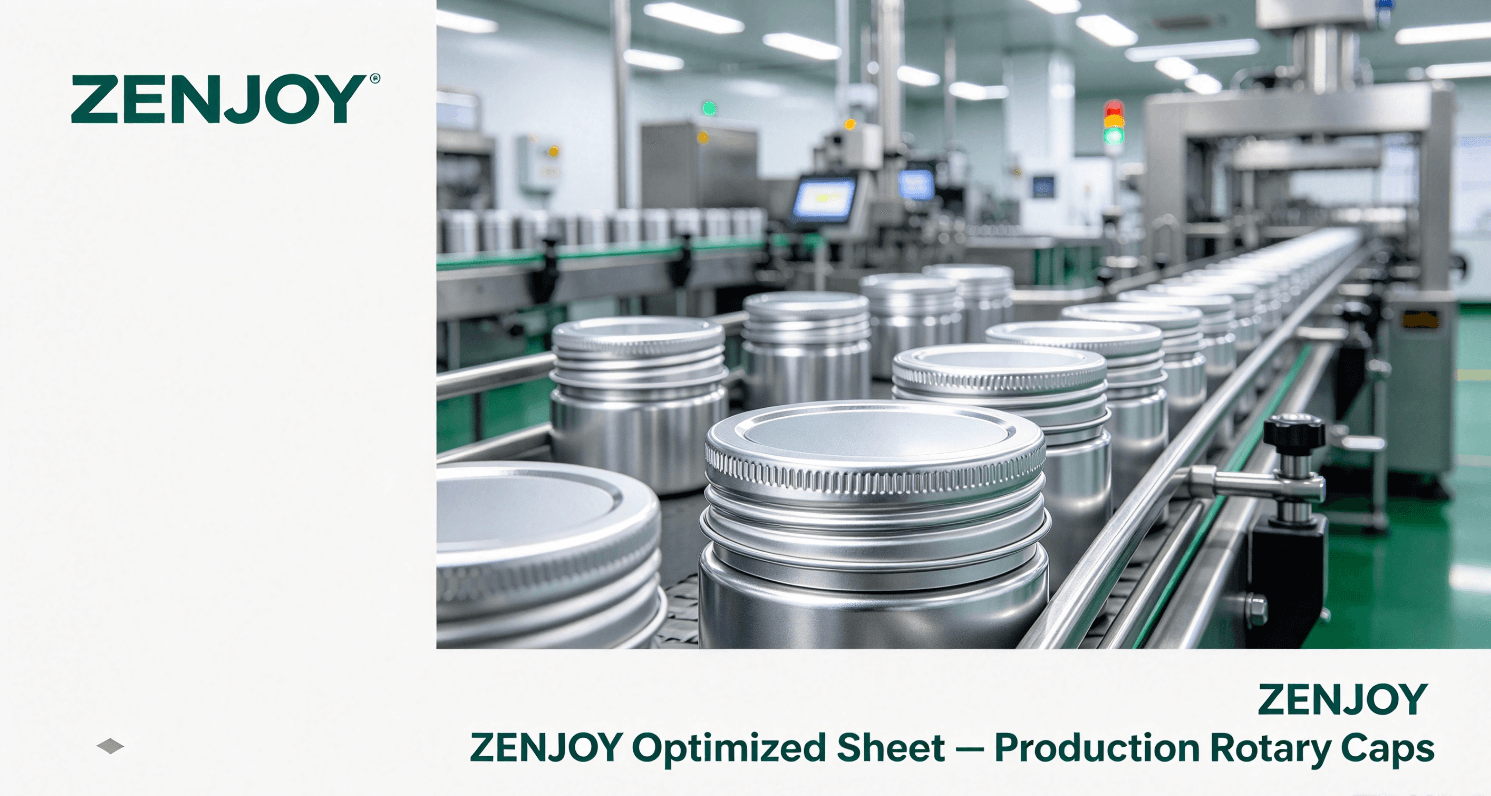
Low-Earing CA Annealed Tinplate: The Optimal Material for Stable Twist-Off Lid Deep Drawing & High Yield Rate
Twist-off lid manufacturing has extremely strict requirements on material anisotropy and ductility. Different from regular can bodies, twist-off lids undergo complex deep drawing, edge trimming and crimping processes, making them highly sensitive to uneven steel performance. According to actual mass production verification, no alternative tinplate grades can achieve stable forming results for twist-off lid production. Low-earning CA continuous annealed tinplate remains the most suitable and high-performance material dedicated for twist-off lid stamping.
Want to know more?
Get in touch with us for more information about our services and products.