Documents de qualité que les acheteurs doivent exiger lors de l'achat d'acier d'emballage et de composants
Pourquoi des documents de qualité sont plus importants que ce que de nombreux acheteurs imaginent
Dans l'approvisionnement en acier d'emballage et en composants, les acheteurs se concentrent souvent d'abord sur le prix, les dimensions, les délais et la continuité des approvisionnements répétés. Ces facteurs comptent, mais un autre domaine important est souvent sous-estimé : les documents de qualité. Pour les acheteurs industriels sérieux, la documentation n'est pas de la paperasse pour le plaisir. Elle fait partie du contrôle des achats. Une bonne documentation aide les acheteurs à :
- confirmer ce qui a été réellement fourni
- améliorer la confiance lors de la réception
- soutenir la revue et la libération internes
- réduire l'incertitude des commandes récurrentes
- renforcer l'évaluation des fournisseurs au fil du temps
- améliorer la traçabilité des achats à long terme
Dans les achats industriels répétés, la qualité de la documentation en dit souvent long sur la discipline du fournisseur. Un fournisseur qui gère les documents clairement est souvent aussi meilleur pour gérer les commandes récurrentes de manière claire. C'est pourquoi les acheteurs ne demandent généralement pas seulement : « Quel est le matériau ? » Ils demandent aussi : « Dans quelle mesure le matériau est-il documenté ? »
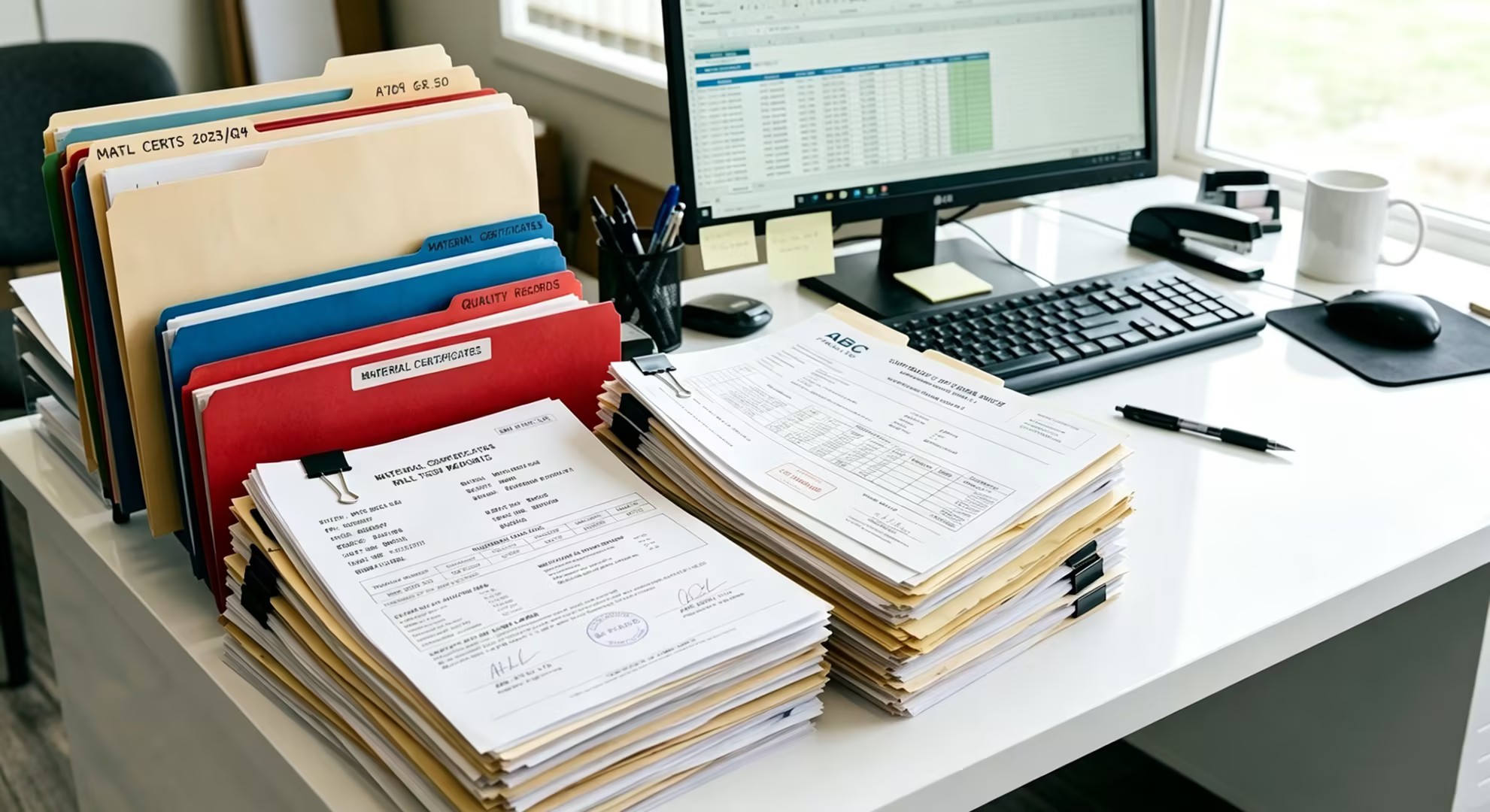
La documentation fait partie du contrôle des risques d'approvisionnement
Lorsque les acheteurs demandent des documents de qualité, ils ne demandent généralement pas un travail supplémentaire sans raison. Ils essaient de réduire les risques. La documentation aide à réduire les risques d'approvisionnement en :
- confirmant les détails clés du matériau ou du composant
- facilitant l'inspection à la réception
- améliorant la communication entre les équipes d'achat et de production
- réduisant les malentendus dans les commandes répétées
- aidant les acheteurs à comparer les fournisseurs plus concrètement au fil du temps
Dans un achat unique, une documentation faible peut créer des inconvénients. Dans un approvisionnement industriel répété, une documentation faible crée un schéma d'incertitude. C'est pourquoi les acheteurs sérieux évaluent souvent la documentation comme faisant partie de la qualité à long terme du fournisseur, et non pas seulement comme une administration post-commande.
Ce que les acheteurs veulent généralement confirmer en premier
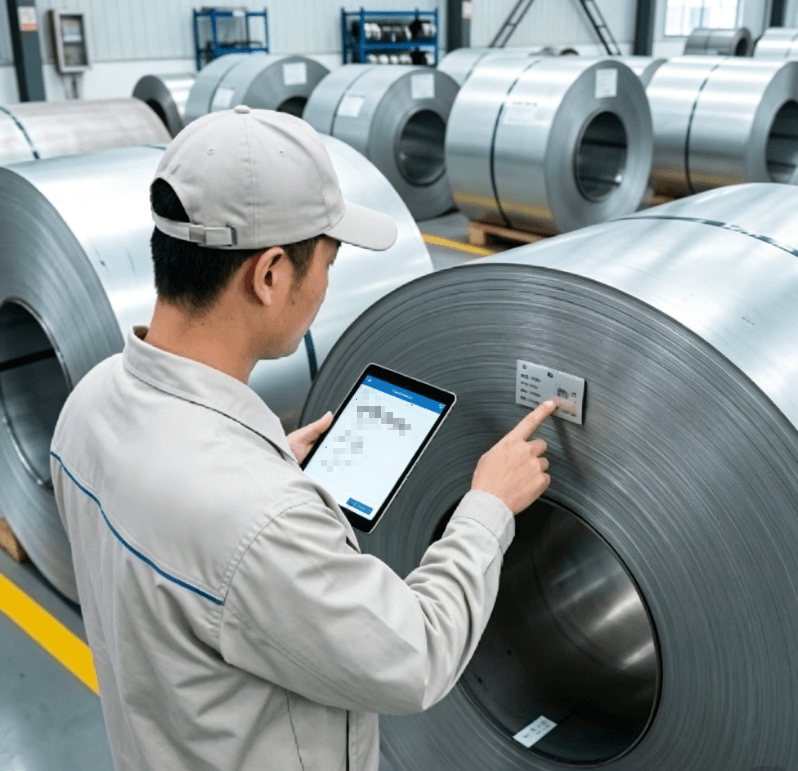
La première chose que les acheteurs veulent généralement est une identification claire du matériau ou du composant lié à la commande. En termes pratiques, les acheteurs veulent souvent une documentation qui aide à confirmer :
- ce qui a été fourni
- comment cela correspond à la commande convenue
- si cela peut être lié au besoin récurrent
- si cela peut être référencé à nouveau dans de futures commandes répétées
Cela est particulièrement important lorsque les acheteurs gèrent :
- des dimensions récurrentes
- des SKU répétés
- des programmes d'emballage répétés
- des cycles d'approvisionnement industriel à long terme
Sans documentation claire, l'approvisionnement récurrent devient plus difficile à contrôler et plus difficile à répéter en toute confiance.
Types de documents courants souvent demandés par les acheteurs
L'ensemble exact des documents peut varier selon l'application, la politique de l'entreprise, les exigences du secteur et le système de contrôle interne. Mais dans la pratique, les acheteurs demandent souvent des documents liés à plusieurs domaines courants.
Support d'identification du matériau ou du composant
Les acheteurs veulent souvent une documentation qui aide à identifier clairement l'acier d'emballage ou le composant fourni par rapport à l'exigence réelle de la commande.
Confirmation liée à la qualité ou à l'inspection
Certains acheteurs souhaitent des enregistrements de support qui améliorent la confiance lors de la réception et de la revue qualité interne.
Traçabilité de l'expédition et de la commande
Les acheteurs industriels répétés préfèrent souvent une documentation qui aide à relier clairement l'expédition à la commande, en particulier lorsque des matériaux ou composants similaires sont commandés encore et encore.
Discipline de processus côté fournisseur
Parfois, l'acheteur ne se contente pas d'examiner le matériau lui-même. Il évalue également le sérieux avec lequel le fournisseur gère la communication industrielle récurrente et le contrôle des commandes. Les noms exacts des documents peuvent différer d'une entreprise à l'autre, mais le principe est généralement le même : les acheteurs veulent plus de confiance et moins d'incertitude.
Pourquoi la documentation est encore plus importante dans les commandes répétées
Dans les programmes d'emballage industriels répétés, la documentation devient plus précieuse avec le temps. En effet, l'approvisionnement répété dépend souvent de :
- tailles récurrentes
- spécifications répétées
- référence de commande répétée
- vérifications de réception récurrentes
- comparaison de fournisseurs à long terme
Lorsque la documentation est gérée clairement, les acheteurs peuvent :
- référencer plus facilement les anciennes commandes
- réduire le travail de clarification répété
- améliorer l'efficacité de la réception interne
- renforcer la confiance à long terme envers le fournisseur
- rendre l'approvisionnement répété plus fluide
Un premier document faible peut sembler un petit problème. Une documentation faible sur dix commandes répétées devient un sérieux problème de gestion. C'est pourquoi les acheteurs avisés prêtent souvent une grande attention à la qualité de la documentation dès le début.
Ce que les acheteurs devraient rechercher au-delà de « Avez-vous des documents ? »
Un examen plus approfondi des documents va généralement au-delà du simple fait de vérifier si les documents existent. Les acheteurs se soucient souvent de savoir si la documentation est :
- claire
- organisée
- cohérente
- pertinente par rapport à la commande réelle
- utile pour la réception et la revue interne
- utile dans le cadre d'un approvisionnement répété au fil du temps
Cela est important car un document peut techniquement exister et être néanmoins inutile. Le meilleur fournisseur est souvent celui qui fournit une documentation d'une manière qui aide réellement l'acheteur à gérer plus efficacement les approvisionnements industriels récurrents.
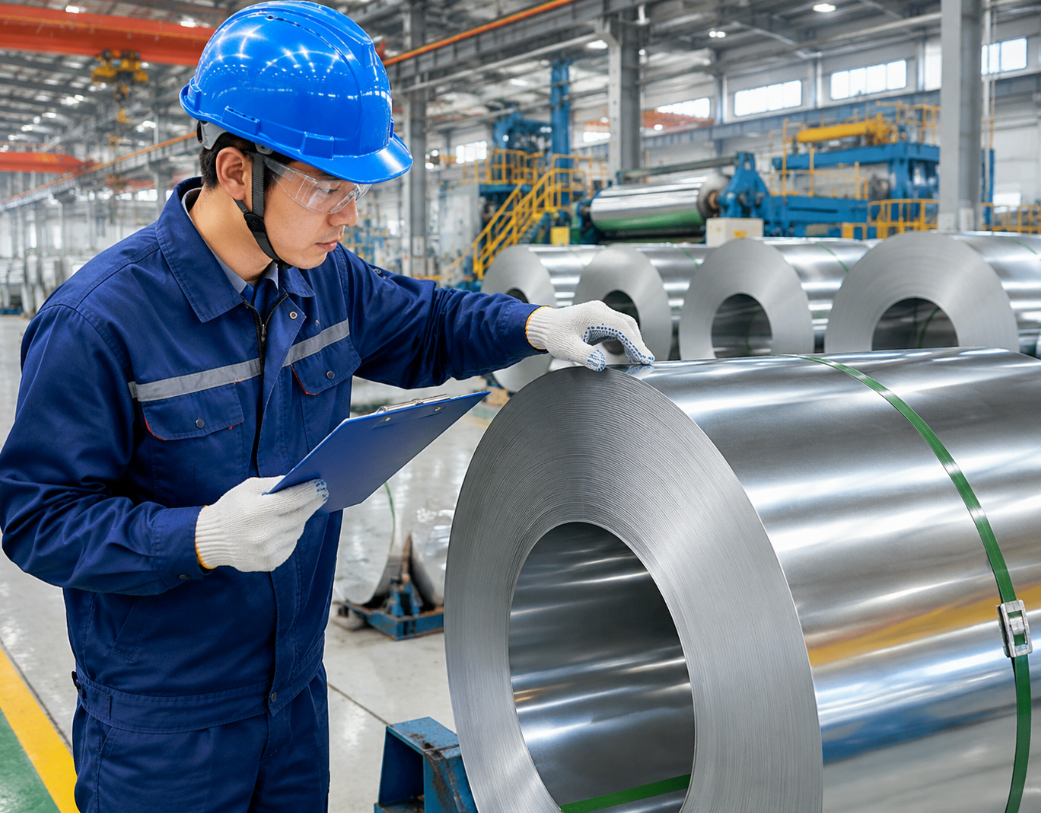
Pourquoi la documentation reflète aussi la discipline du fournisseur
La documentation est souvent l'un des signes les plus clairs de la discipline de processus d'un fournisseur. Un fournisseur avec une gestion documentaire plus solide est souvent aussi plus fort dans :
- le contrôle des commandes récurrentes
- le support des spécifications répétées
- une communication plus claire
- la coordination des expéditions
- la coopération industrielle à long terme
C'est pourquoi la qualité de la documentation ne concerne pas seulement la conformité. Elle fait souvent partie de la façon dont les acheteurs décident si un fournisseur semble suffisamment fiable pour des affaires répétées. Un fournisseur qui documente bien est généralement plus facile à approuver dans le cadre d'un approvisionnement à long terme.
Erreurs courantes des acheteurs concernant la documentation
Les acheteurs professionnels essaient souvent d'éviter plusieurs erreurs récurrentes.
- Attendre après l'expédition pour discuter des documents
Il est généralement préférable de clarifier les attentes en matière de documentation avant que l'approvisionnement répété ne devienne une routine.
- Supposer que tous les fournisseurs gèrent la documentation aussi bien
En réalité, la qualité de la documentation varie souvent beaucoup et peut refléter des différences plus larges dans la discipline du fournisseur.
- Traiter les documents comme distincts de l'évaluation du fournisseur
La documentation soutient souvent la confiance dans les approvisionnements répétés et doit être traitée comme faisant partie de l'évaluation du fournisseur.
- Ne pas vérifier si les documents sont réellement utiles en interne
Un document qui n'aide pas la réception ou la revue interne peut encore créer des frictions.
- Sous-estimer la documentation dans les commandes répétées
Plus la coopération se prolonge, plus la documentation devient importante pour le contrôle récurrent et la traçabilité à long terme. Ce sont des raisons pratiques pour lesquelles les acheteurs avisés soulèvent souvent des questions sur la documentation dès le début du processus d'évaluation des fournisseurs.
Ce que les bons fournisseurs font généralement mieux
Un fournisseur plus solide aide généralement les acheteurs en offrant une documentation qui soutient :
- une confirmation plus claire du matériau ou du composant
- une revue de réception plus fluide
- une traçabilité renforcée
- un meilleur contrôle des commandes récurrentes
- une communication plus claire lors des approvisionnements répétés
- une confiance accrue à long terme envers le fournisseur
C'est pourquoi les acheteurs sérieux considèrent souvent la qualité de la documentation comme faisant partie de la valeur du produit et de la valeur du fournisseur en même temps.
FAQ
Pourquoi les acheteurs demandent-ils des documents de qualité dans l'approvisionnement en acier d'emballage et en composants ?
Parce que les documents aident à confirmer ce qui a été fourni, à réduire l'incertitude, à soutenir la revue interne et à renforcer la confiance dans les approvisionnements répétés.
Les documents sont-ils principalement importants pour les premières commandes ?
Non. Ils deviennent souvent encore plus importants dans les approvisionnements industriels répétés car ils soutiennent la traçabilité à long terme et le contrôle des commandes récurrentes.
À quoi les documents de qualité aident-ils les acheteurs à évaluer ?
Ils aident les acheteurs à évaluer l'identification du matériau ou du composant, la confiance à la réception, la discipline du fournisseur et la fiabilité de l'approvisionnement à long terme.
Pourquoi la documentation est-elle importante dans la comparaison des fournisseurs ?
Parce qu'une gestion documentaire solide reflète souvent une discipline de processus plus forte, une meilleure communication récurrente et un support plus fiable pour les commandes répétées.
Que devraient vérifier les acheteurs en plus de l'existence des documents ?
Ils devraient vérifier si les documents sont clairs, organisés, pertinents et utiles pour la réception réelle et l'approvisionnement répété à long terme.
---
Related News
Other news you might be interested in
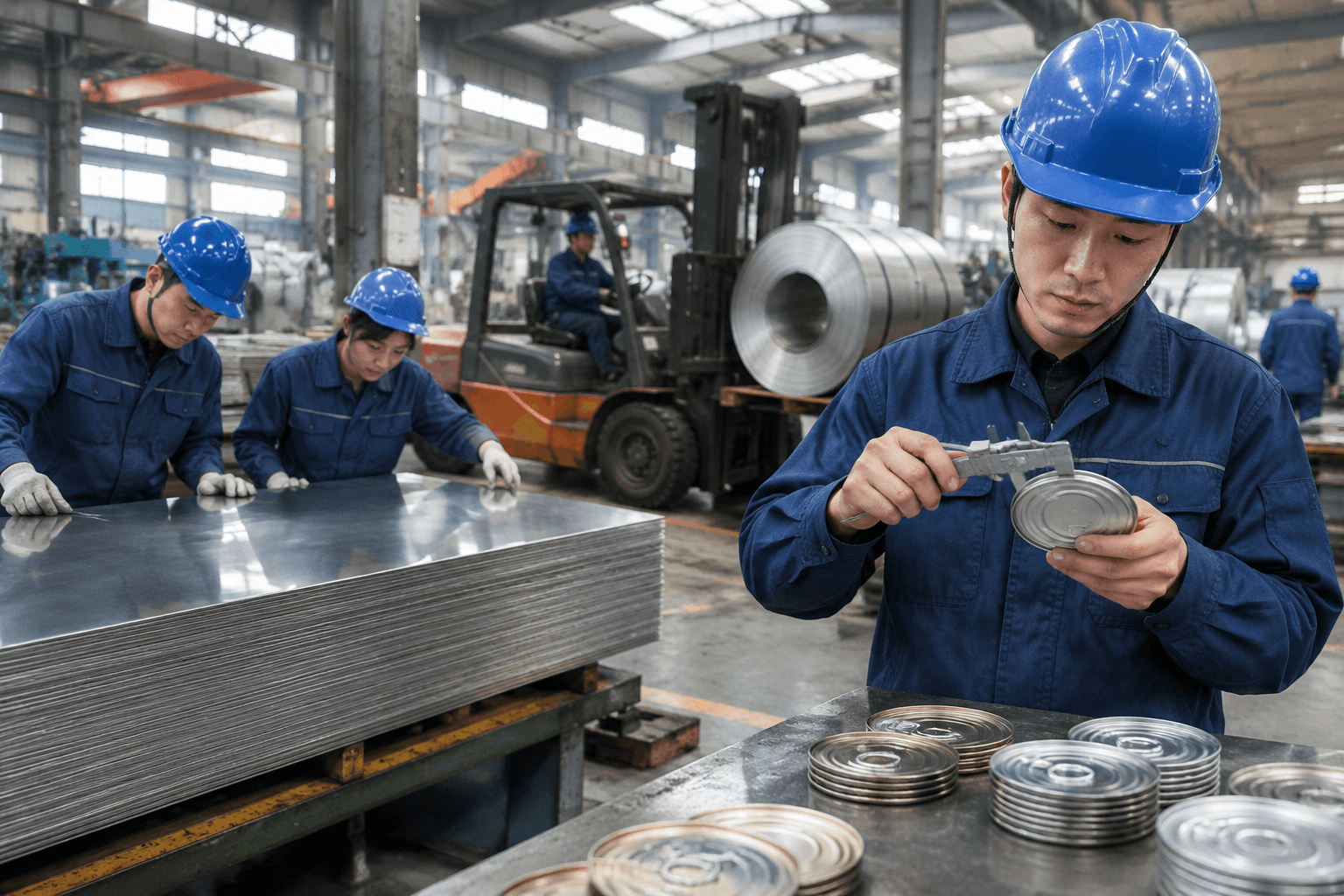
Simplification de l'approvisionnement en emballages métalliques : choisir le fer-blanc, le TFS et les couvercles à ouverture facile pour votre gamme de produits
Découvrez comment un approvisionnement stratégique en fer-blanc, TFS et couvercles à ouverture facile réduit les risques, stabilise les délais de livraison et soutient une production flexible de boîtes pour les acheteurs d'emballages alimentaires et industriels.
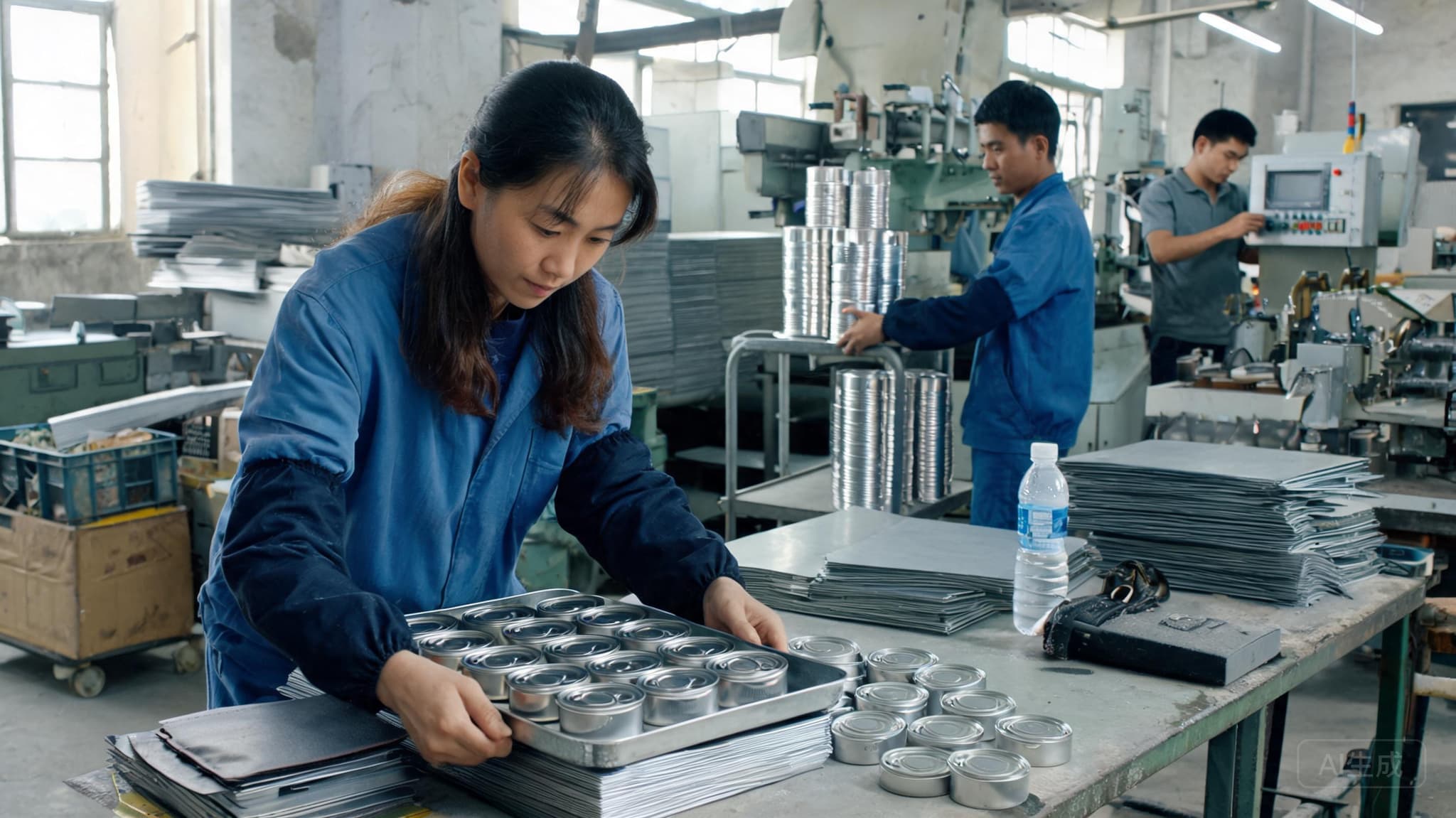
Sécurisez votre approvisionnement en emballages métalliques avec du fer-blanc, du TFS et des couvercles à ouverture facile de première qualité
Sécurisez votre approvisionnement en emballages métalliques avec du fer-blanc et du TFS de première qualité. Découvrez comment un approvisionnement intégré réduit les temps d'arrêt, diminue les coûts et garantit une livraison fiable pour les boîtes deux pièces et trois pièces.
Want to know more?
Get in touch with us for more information about our services and products.