
What Causes Tinplate Lead Time Delays and How Buyers Can Reduce the Risk
Why Lead Time Matters So Much in Tinplate Procurement
For industrial buyers, lead time is not just a scheduling detail. It is often one of the most important parts of procurement risk.
A quotation may look competitive, the specification may be correct, and the supplier may seem responsive. But if the material arrives later than required, the real business impact can be serious.
Delayed tinplate supply may affect:
- production scheduling
- customer delivery commitments
- labor utilization
- internal processing plans
- seasonal sales windows
In sectors such as food can packaging, wet can production, and industrial packaging, timing problems can quickly become commercial problems.
That is why buyers should understand not only what the lead time is, but also what makes it change.
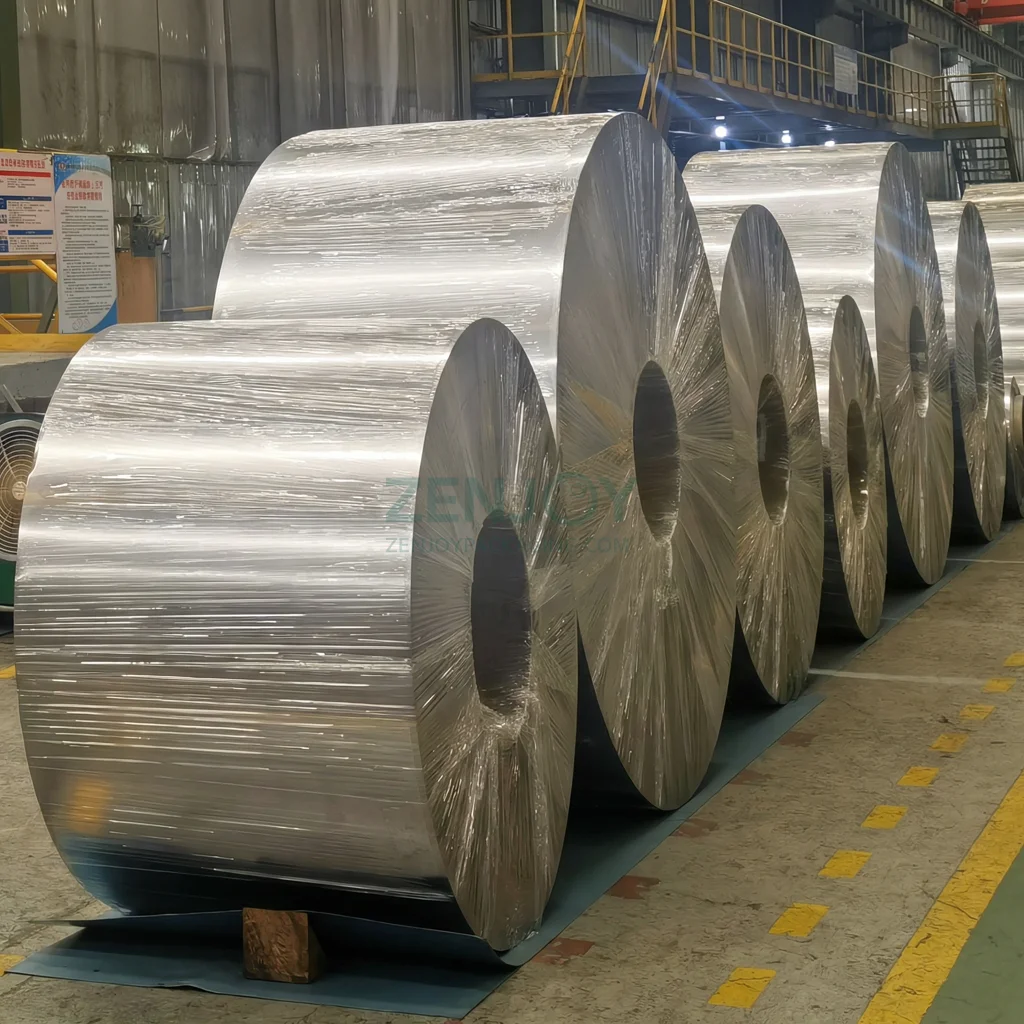
Tinplate Steel Sheet in Coil
Electrolytic Tinplate (ETP) is a low-carbon steel sheet that has been electrolytically coated with tin, widely used in packaging for food, beverages, chemical products, and other applications. With its excellent corrosion resistance, superior processability, and attractive appearance, tinplate has become an indispensable material in modern packaging industry. Our tinplate products strictly adhere to international standards and utilize advanced manufacturing processes to ensure exceptional quality in every coil.
The First Problem: Buyers Often Rely on Ideal Lead Time
One common mistake is to assume that the supplier’s standard lead time always reflects the real situation.
In practice, lead time can change because of:
- market demand
- production queue
- processing requirements
- specification complexity
- stock availability
- shipping conditions
- seasonal pressure
A supplier may quote one timeline under normal conditions and a much longer one when the market becomes busier.
For serious buyers, standard lead time is only the starting point.
What matters more is the real lead time under the buyer’s actual order conditions.
What Commonly Causes Tinplate Lead Time Delays
Several factors can cause tinplate delivery to take longer than expected.
1. Late specification confirmation
If buyers delay final confirmation of:
- thickness
- width
- temper
- coating weight
- supply form
- packing requirements
then the order cannot move forward efficiently.
Late specification changes often push the order back much more than buyers expect, especially when suppliers are already handling heavy volume.
2. Peak-season demand pressure
In seasonal packaging sectors, many buyers place orders in similar periods.
This creates pressure on:
- production scheduling
- available stock
- processing capacity
- shipment organization
- loading timelines
Buyers who wait too long may find that even normal specifications take longer because the supplier is already managing multiple urgent programs.
3. Processing requirements
Lead time is not only about material availability.
It also depends on how much work must happen before dispatch.
Orders may need:
- slitting
- cut-to-length processing
- custom sizing
- special packing
- sorting by size or batch
The more customized the order is, the more carefully buyers should review timing.
A standard material may be available earlier than a custom-ready supply format.
4. Stock mismatch
A supplier may have tinplate in stock, but not necessarily in the exact:
- thickness
- width
- temper
- coating
- quantity
- format
This is why “stock available” does not always mean “ready to ship.”
Buyers should confirm whether the available stock really matches the required specification or whether further conversion and coordination are still needed.
5. Shipment and export coordination
For international orders, lead time does not end when the material is produced.
Delays can also come from:
- packing preparation
- container booking
- loading scheduling
- document readiness
- port-side congestion
- holiday timing
Buyers that review only production timing, but not export execution timing, may underestimate the total delivery cycle.
6. Weak communication during order follow-up
Some delays become worse because problems are identified too late.
If buyers and suppliers do not stay aligned on:
- final specification
- order status
- schedule changes
- packing completion
- shipment readiness
then valuable time may be lost before anyone reacts.
Many delivery problems are not caused by capacity alone.
They are caused by weak coordination.
How Buyers Can Reduce Lead Time Risk
A better lead-time strategy starts before the order is placed.
1. Lock recurring specifications early
If the buyer already knows the main repeat sizes and application requirements, these should be confirmed as early as possible.
Stable specifications reduce internal delay and help the supplier plan more efficiently.
2. Build buying plans around the production calendar
Instead of asking only when the supplier can ship, buyers should work backward from:
- production start date
- internal receiving time
- processing time after arrival
- finished goods deadline
This helps define the real material arrival target, not just the PO date.
3. Avoid last-minute changes
Small changes late in the cycle can create disproportionate delays.
If adjustments are unavoidable, buyers should discuss them immediately rather than assuming they can be absorbed without impact.
4. Confirm real lead time for the exact order
Buyers should ask:
- Is this lead time based on current conditions?
- Does it include processing time?
- Does it include packing and export preparation?
- What changes during peak season?
- Is repeat supply easier than first-time supply?
These questions usually reveal far more than a simple “20 days” or “30 days” answer.
5. Work with suppliers that support continuity
A supplier that understands the buyer’s recurring program can usually support better timing than one handling only one-off inquiries.
Repeat-order alignment often improves:
- scheduling accuracy
- material planning
- packing consistency
- communication speed
That is why reliable long-term supply relationships often reduce lead-time risk.
Why Lead Time Is a Procurement Issue, Not Just a Logistics Issue
Some buyers treat lead time as something to check only after price is confirmed.
That is often too late.
In reality, lead time should influence:
- supplier selection
- specification planning
- inventory strategy
- order timing
- season preparation
A lower price may not be attractive if the timeline increases supply risk.
A slightly earlier and more reliable shipment may create stronger overall purchasing performance.
For high-volume industrial users, timing is part of value.
FAQ
What is the most common reason for tinplate lead time delays?
Late specification confirmation and peak-season pressure are two of the most common causes.
Does stock availability guarantee fast delivery?
No. The stock must still match the required size, temper, coating, quantity, and supply form.
Can custom processing increase lead time?
Yes. Slitting, cut-to-length work, and custom packing can all add time before dispatch.
Why should buyers review export timing too?
Because production completion does not automatically mean shipment is ready to move.
How can buyers reduce delay risk?
By locking specifications early, confirming real lead time, avoiding last-minute changes, and improving supplier coordination.
---
Need a more reliable tinplate supply plan with better lead-time control?
Related News
Other news you might be interested in
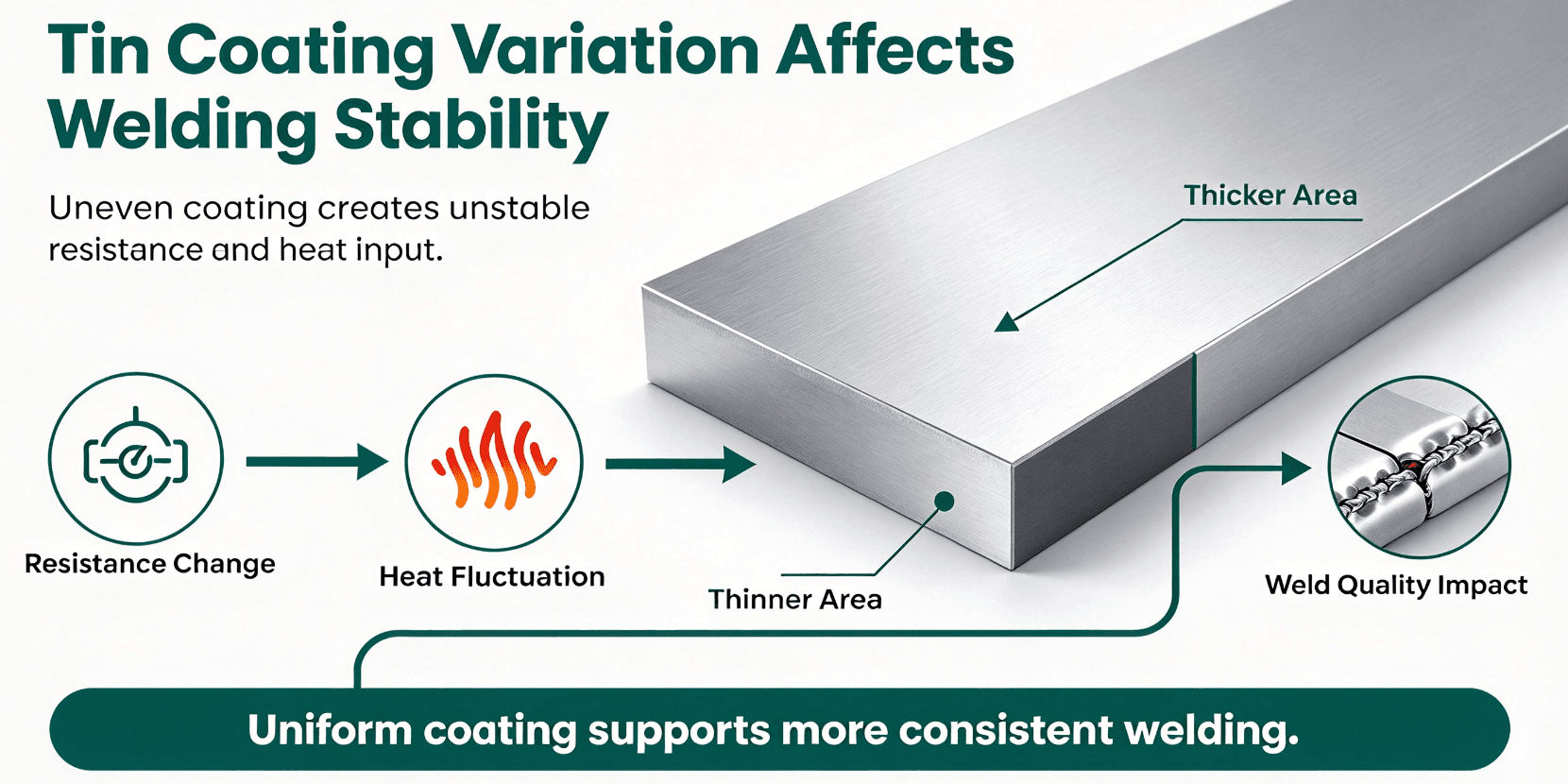
Weld Spatter & Leakage Defects: The Decisive Role of Tin Coating Uniformity in Can Welding Quality
High-speed resistance seam welding is the core forming process for three-piece metal cans. In actual mass production, persistent weld spatter, granular slag residue and hidden seam micro-leakage severely compromise sealing consistency, sterilization resistance and finished product yield. Most manufacturers tend to attribute these defects to unstable current, improper pressure or worn welding wheels. However, industrial verification proves that uneven tin coating distribution on tinplate is the fundamental material-induced root cause of recurring welding spatter and leakage issues.
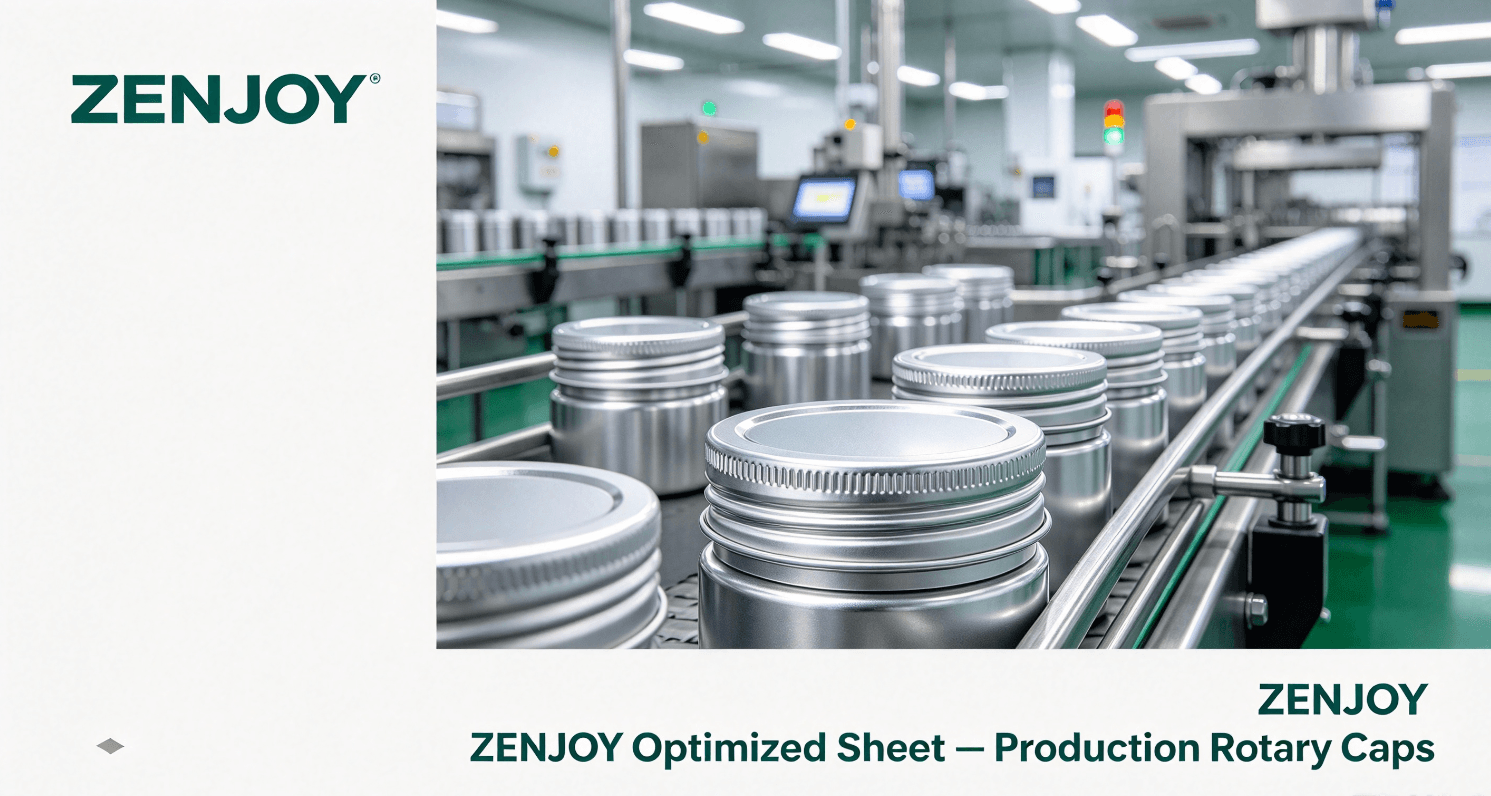
Low-Earing CA Annealed Tinplate: The Optimal Material for Stable Twist-Off Lid Deep Drawing & High Yield Rate
Twist-off lid manufacturing has extremely strict requirements on material anisotropy and ductility. Different from regular can bodies, twist-off lids undergo complex deep drawing, edge trimming and crimping processes, making them highly sensitive to uneven steel performance. According to actual mass production verification, no alternative tinplate grades can achieve stable forming results for twist-off lid production. Low-earning CA continuous annealed tinplate remains the most suitable and high-performance material dedicated for twist-off lid stamping.
Want to know more?
Get in touch with us for more information about our services and products.