
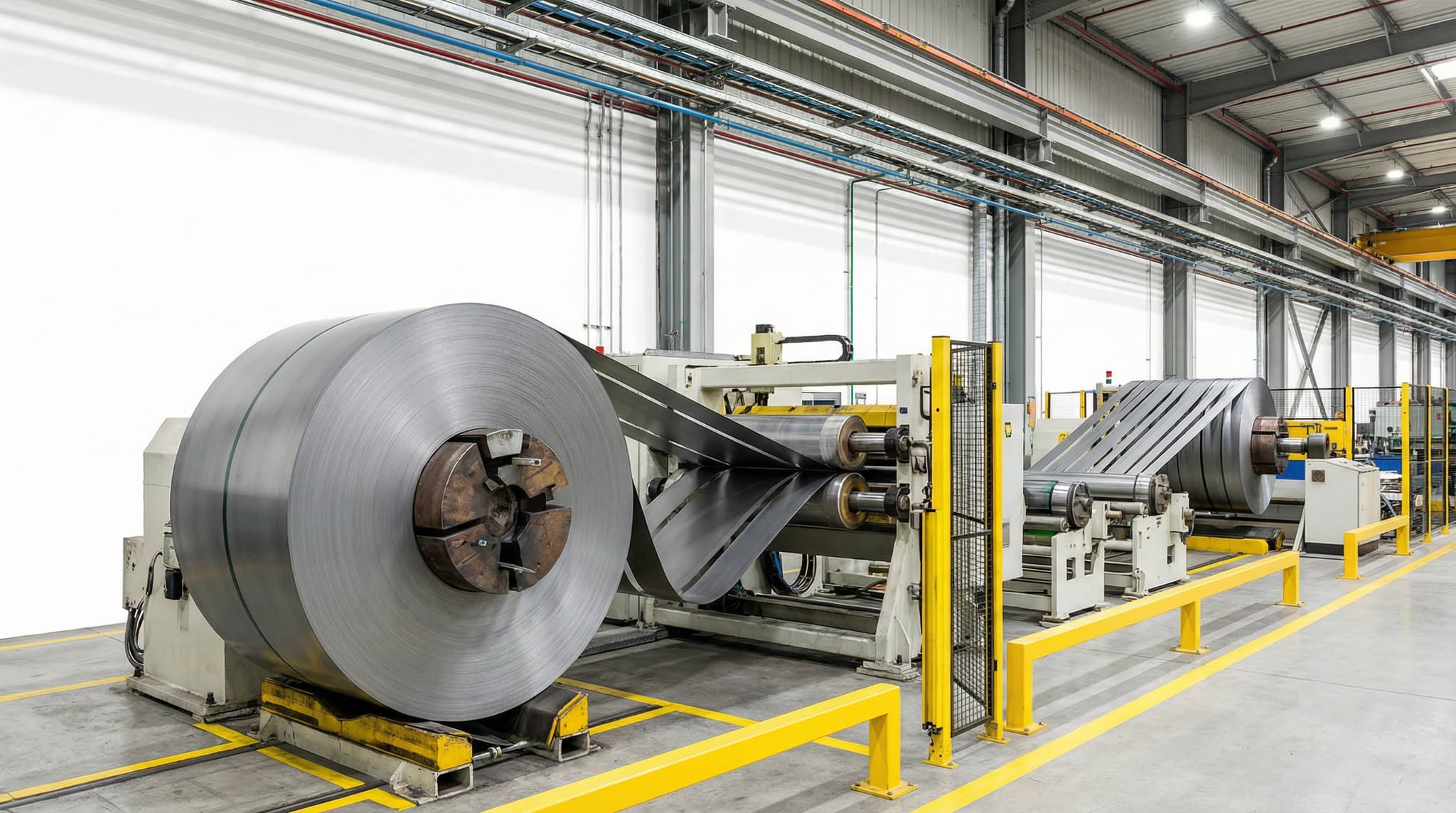
الصفيح المطلي بالقصدير مقابل الصلب الخالي من القصدير: الاختلافات، الاستخدامات، ودليل الشراء
الصفيح المطلي بالقصدير مقابل الفولاذ الخالي من القصدير: ما الفرق؟
الصفيح المطلي بالقصدير والفولاذ الخالي من القصدير هما مادتان فولاذيتان مهمتان تُستخدمان على نطاق واسع في التعبئة والتغليف والتصنيع الصناعي. للوهلة الأولى، قد يبدوان متشابهين لأن كلاهما منتجات فولاذية رقيقة تُستخدم في أنظمة التعبئة المعدنية. ومع ذلك، فهما ليسا نفس المادة، واختيار المادة الخاطئة يمكن أن يؤثر على التكلفة وأداء العملية وسلوك التآكل وملاءمة المنتج النهائي.
الفرق الرئيسي يكمن في الطلاء السطحي.
- الصفيح المطلي بالقصدير هو فولاذ مغطى بالقصدير.
- الفولاذ الخالي من القصدير، ويسمى أيضًا TFS أو ECCS، هو فولاذ مغطى بالكروم أو أكسيد الكروم بدلاً من القصدير.
بالنسبة للمشترين الصناعيين، يجب أن يعتمد الاختيار بين الصفيح المطلي بالقصدير وTFS على متطلبات التطبيق وعملية الإنتاج وأداء مقاومة التآكل وتوافق الطلاء وملاءمة سلسلة التوريد بأكملها.
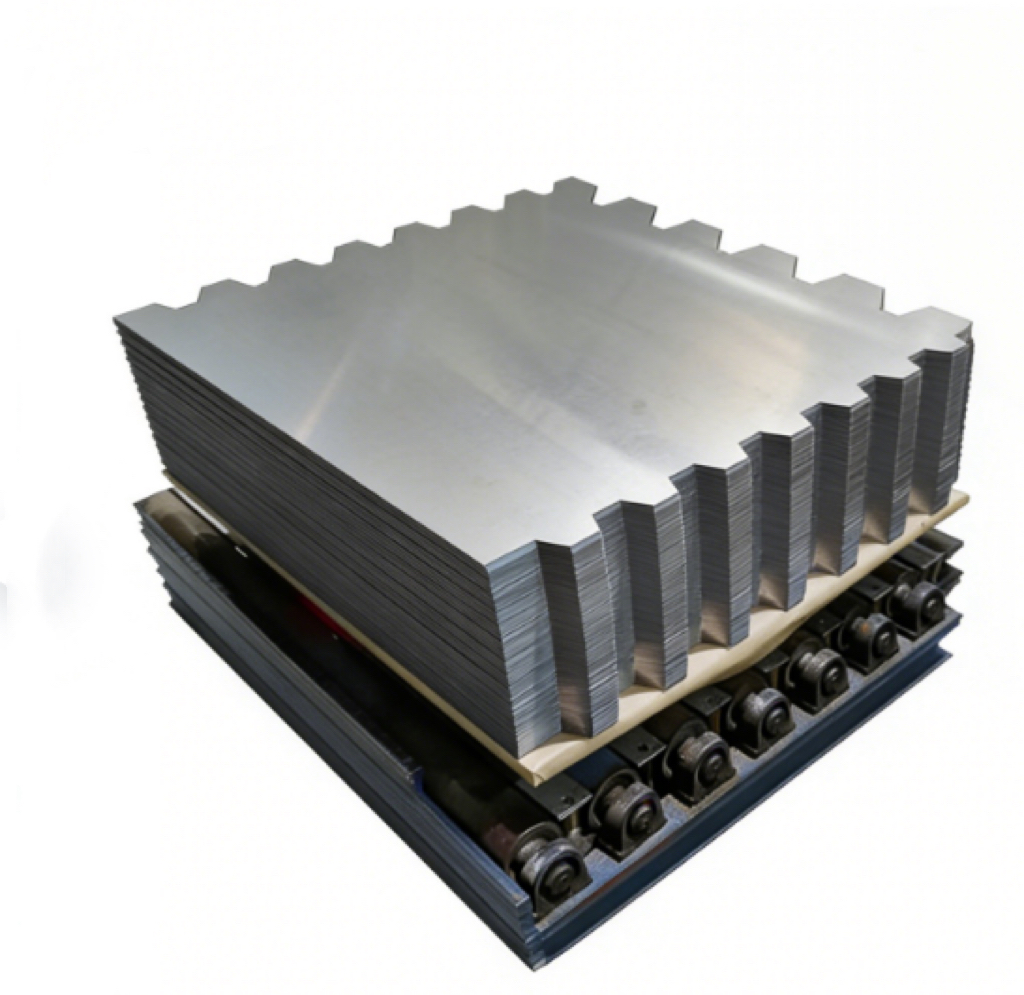
ما هو الصفيح المطلي بالقصدير؟
الصفيح المطلي بالقصدير هو صفيح فولاذي مدلفن على البارد ومطلي بالقصدير على كلا الجانبين من خلال عملية كهربائية. يُستخدم على نطاق واسع حيث تكون مقاومة التآكل والمظهر وقابلية اللحام وتعددية الاستخدام في العمليات مهمة.
يتم اختيار الصفيح المطلي بالقصدير عادةً لـ:
- علب الطعام
- علب المنتجات الجافة
- التعبئة والتغليف الزخرفية
- الحاويات الصناعية
- الأغطية والمكونات التي تستفيد من سطح مطلي بالقصدير
بسبب توافقه الواسع مع العمليات، يظل الصفيح المطلي بالقصدير مادة قياسية في العديد من قطاعات التعبئة والتغليف.
ما هو الفولاذ الخالي من القصدير؟
الفولاذ الخالي من القصدير، أو TFS، هو صفيح فولاذي مدلفن على البارد ومطلي بطبقات أساسها الكروم بدلاً من القصدير. غالبًا ما يُستخدم في التطبيقات حيث تكون التصاق الطلاء أو التحكم في التكلفة أو متطلبات التشكيل والاستخدام النهائي المحددة تجعله بديلاً عمليًا للصفيح المطلي بالقصدير.
يُستخدم TFS عادةً لـ:
- أغطية ونهايات العلب
- أغطية التاج
- الأغطية
- مكونات التعبئة والتغليف الصناعية المحددة
- التطبيقات حيث لا تكون اللحامات هي المتطلب الأساسي
يمكن أن يكون TFS خيارًا فعالاً للمادة، ولكنه ليس بديلاً مباشرًا واحدًا لواحد للصفيح المطلي بالقصدير في كل تطبيق.
الاختلافات الرئيسية بين الصفيح المطلي بالقصدير وTFS
1. الطلاء السطحي
الصفيح المطلي بالقصدير له طلاء من القصدير.
يستخدم TFS أنظمة طلاء أساسها الكروم. هذا الاختلاف يؤثر على المظهر وسلوك المعالجة وملاءمة التطبيق.
2. سلوك التآكل
يُفضل الصفيح المطلي بالقصدير غالبًا حيث تكون مقاومة التآكل وحماية التعبئة والتغليف من الاهتمامات الرئيسية، خاصة عند دمجه مع أنظمة طلاء مناسبة.
يمكن أن يؤدي TFS أداءً جيدًا أيضًا في العديد من التطبيقات، ولكن يجب مطابقة المادة بعناية مع الاستخدام النهائي ونظام الطلاء.
3. قابلية اللحام
الصفيح المطلي بالقصدير مناسب بشكل عام أكثر لتطبيقات جسم العلب الملحومة.
عادةً ما يكون TFS أقل ملاءمة حيث تكون اللحامات مطلوبة ويُستخدم أكثر في الأجزاء مثل النهايات والأغطية والأغطية.
4. التصاق الطلاء والطلاء
غالبًا ما يُقدر TFS لالتصاق الطلاء الجيد في بعض تطبيقات التعبئة والتغليف.
هذا هو أحد الأسباب التي تجعله يُستخدم عادةً لنهايات العلب والمكونات المماثلة.
5. اعتبارات التكلفة
في بعض التطبيقات، قد يوفر TFS مزايا من حيث التكلفة مقارنة بالصفيح المطلي بالقصدير، اعتمادًا على ظروف السوق ومتطلبات الطلاء واحتياجات الأداء.
ومع ذلك، لا ينبغي للمشترين مقارنة سعر المواد الخام فقط. توافق الإنتاج الكلي وأداء الاستخدام النهائي أكثر أهمية.
6. مرونة الاستخدام النهائي
الصفيح المطلي بالقصدير أكثر تنوعًا بشكل عام عبر نطاق أوسع من أشكال التعبئة والتغليف.
غالبًا ما يكون TFS أكثر تحديدًا للتطبيق.
متى يجب على المشترين اختيار الصفيح المطلي بالقصدير؟
عادةً ما يكون الصفيح المطلي بالقصدير الخيار الأفضل عندما يحتاج المشترون إلى:
- تعددية استخدام قوية للتعبئة والتغليف بشكل عام
- أداء مناسب لأجسام العلب
- مظهر جيد وقابلية للطباعة
- توافق تصنيعي واسع
- خيارات مواد لأنظمة التعبئة والتغليف الغذائية والعامة
- حل مثبت للعديد من تطبيقات صناعة العلب الراسخة
بالنسبة للمشترين الكبار، غالبًا ما يكون الصفيح المطلي بالقصدير الخيار الأكثر أمانًا عندما يتطلب التطبيق تشكيلًا متسقًا ومرونة أوسع في المعالجة اللاحقة.
متى يجب على المشترين اختيار الفولاذ الخالي من القصدير؟
قد يكون TFS الخيار الأفضل عندما يحتاج المشترون إلى:
- بديل يراعي التكلفة في تطبيقات محددة
- التصاق طلاء قوي
- مادة للنهايات أو الأغطية أو الأغطية
- حل مصمم خصيصًا لمكونات التعبئة والتغليف غير الملحومة
- أداء متطابق مع خط موجود ونظام طلاء
غالبًا لا يتم اختيار TFS لأنه "أفضل في كل شيء"، ولكن لأنه أفضل لحالة استخدام محددة.
هل يمكن لـ TFS أن يحل محل الصفيح المطلي بالقصدير؟
نعم أحيانًا، ولكن ليس دائمًا.
هذا أحد أكثر الأخطاء شيوعًا في مناقشات التوريد. يحاول بعض المشترين مقارنة TFS والصفيح المطلي بالقصدير فقط على السعر ثم يفترضون أن المادة الأرخص يمكن أن تحل محل الأخرى مباشرة. في الممارسة العملية، يجب مراجعة الاستبدال بعناية.
قبل استبدال الصفيح المطلي بالقصدير بـ TFS، يجب على المشترين تقييم:
- متطلبات التشكيل
- طريقة اللحام أو الربط
- توقعات التآكل
- نظام الطلاء أو الطلاء الداخلي
- بيئة ملء المنتج
- ظروف النقل والتخزين
- توافق خط الإنتاج
يجب اختبار تبديل المواد بناءً على ظروف التطبيق الفعلية، وليس فقط وصف المورد.
ما الذي يجب على مشتري التعبئة والتغليف تأكيده قبل الطلب
سواء كان التوريد للصفيح المطلي بالقصدير أو TFS، يجب على المشترين الصناعيين مراجعة ما يلي:
نوع التطبيق
هل المادة لأجسام العلب أو النهايات أو الأغطية أو الأغطية أو الحاويات الصناعية؟
المتطلبات الميكانيكية
ما هي القوة وقابلية التشكيل المطلوبة؟
السطح ونظام الطلاء
ما هو الطلاء أو الطباعة أو المعالجة الوقائية التي سيتم استخدامها؟
شكل التوريد
هل المادة مطلوبة في شكل ملف أو صفيح أو مقطوعة حسب الحجم؟
اتساق الجودة
هل يمكن للمورد الحفاظ على استقرار الدفعات لأوامر الحجم الكبير؟
وقت التسليم ودعم موسم الذروة
هل يمكن للمورد التسليم بموثوقية خلال موسم الإنتاج الحرج للمشتري؟
بالنسبة لعملاء التعبئة والتغليف ذوي الحجم الكبير، غالبًا ما تكون موثوقية التوريد بنفس أهمية المادة نفسها.
الصفيح المطلي بالقصدير وTFS في المشتريات ذات الحجم الكبير
عادةً لا يشترون المشترون الصناعيون ذوو الحجم الكبير بناءً على فئة المادة وحدها. يشترون وفقًا لمخاطر الإنتاج.
هذا يعني أن أسئلة التوريد الحقيقية غالبًا ما تكون:
- أي مادة تناسب خطنا الحالي بشكل أفضل؟
- أي خيار يقلل من فرصة انقطاع الإنتاج؟
- أي مورد يمكنه دعم تخطيط الطلب السنوي لدينا؟
- أي مادة تعطينا تكلفة مقبولة دون إضافة مخاطر فنية؟
هذا هو السبب في أن الموردين الأقوياء يفعلون أكثر من مجرد سرد أسماء المنتجات. إنهم يساعدون المشترين على مطابقة المادة الصحيحة مع التطبيق الصحيح.
الأسئلة الشائعة
ما الفرق الرئيسي بين الصفيح المطلي بالقصدير وTFS؟
الفرق الرئيسي هو الطلاء السطحي. يستخدم الصفيح المطلي بالقصدير القصدير، بينما يستخدم TFS طلاءات أساسها الكروم.
هل TFS أرخص من الصفيح المطلي بالقصدير؟
في بعض الحالات يمكن أن يكون، ولكن لا ينبغي أن يعتمد القرار على السعر وحده. توافق المعالجة وملاءمة التطبيق أمران بالغا الأهمية.
أيها أفضل لأجسام العلب؟
الصفيح المطلي بالقصدير هو الخيار المفضل بشكل عام لتطبيقات جسم العلب الملحومة.
أيها يُستخدم عادةً للأغطية والنهايات؟
يُستخدم TFS عادةً للنهايات والأغطية وبعض تطبيقات الأغطية.
هل يمكن لـ TFS أن يحل محل الصفيح المطلي بالقصدير بالكامل؟
ليس في كل حالة. يجب التحقق من الاستبدال مقابل عملية الإنتاج الفعلية وظروف الاستخدام النهائي.
---
هل تحتاج إلى دعم في الاختيار بين الصفيح المطلي بالقصدير وTFS لخط الإنتاج الخاص بك؟
أرسل لنا متطلبات التطبيق والمواصفات الخاصة بك للحصول على توصية مادة أكثر ملاءمة.
Related News
Other news you might be interested in

Tinplate Coating Peeling Risk Analysis and Avoidance Under High-Temperature Retort Sterilization
High-temperature retort sterilization is an essential process for shelf-stable food cans. However, long-term high-temperature and high-pressure environments easily cause coating blistering, delamination and peeling on the inner wall of metal cans. Many can manufacturers attribute coating failure solely to lacquer quality or baking process. In fact, **tinplate substrate performance, surface condition and material matching** are the core hidden causes of most high-temperature coating peeling problems. This article professionally analyzes the root causes of tinplate coating peeling under retort conditions, explains the difference in high-temperature resistance between ETP tinplate and TFS steel, and summarizes practical and operable avoidance solutions for mass production.
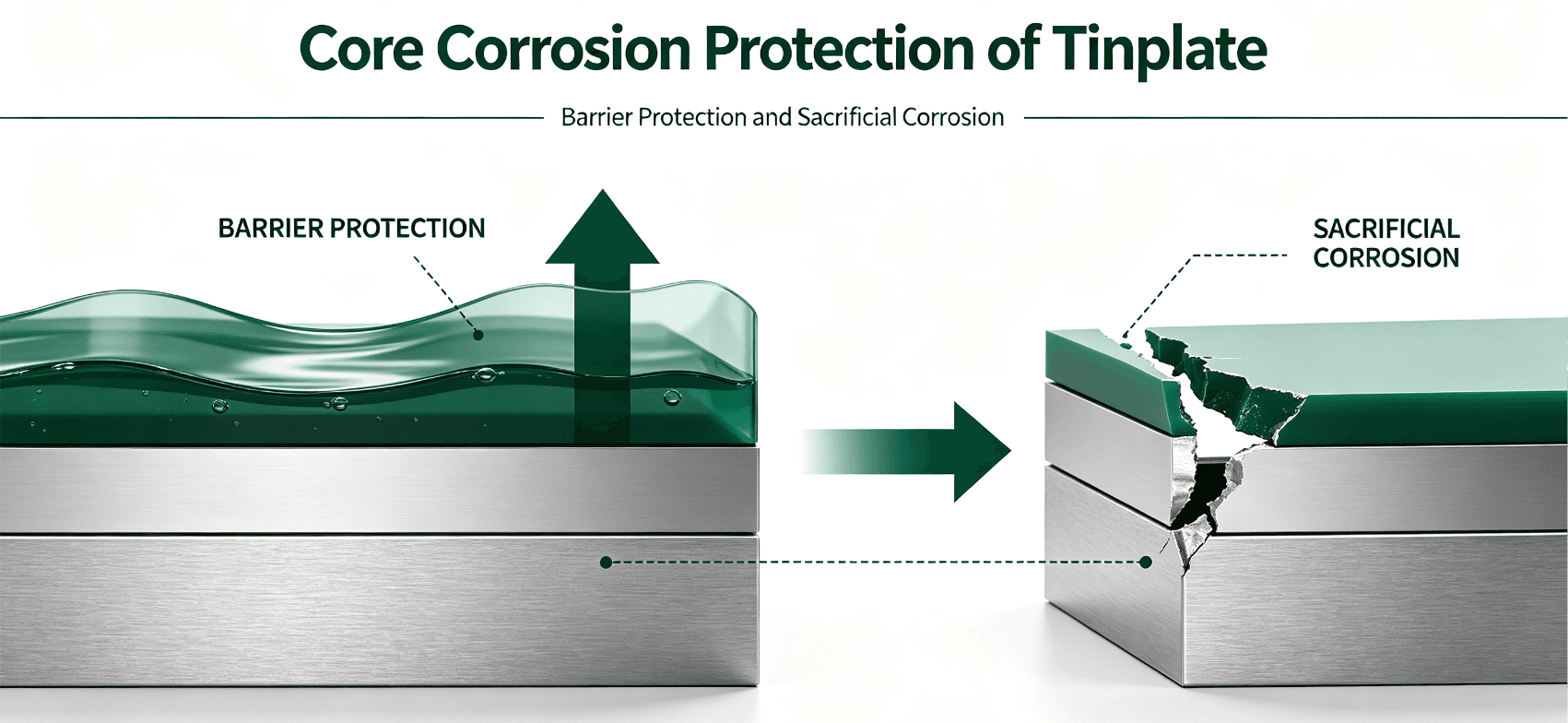
Sacrificial Corrosion & Barrier Protection: Core Anti-Corrosion Principle of Tinplate
The service life and storage safety of metal food cans largely depend on the anti-corrosion performance of packaging materials. As the most widely used substrate for food cans and general metal containers, ETP electrolytic tinplate adopts two core anti-corrosion mechanisms: barrier protection and sacrificial anode protection. These two protection systems work together to ensure stable corrosion resistance in complex food filling and high-temperature sterilization environments.
Want to know more?
Get in touch with us for more information about our services and products.