
أخبار ورؤى الصناعة
ابق على اطلاع بأحدث المعلومات حول الصفائح المعدنية، وألواح الصلب المطلية، ومواد التغليف المعدنية. اتجاهات السوق، وحالات التطبيق لعلب الطعام/الهباء الجوي، وتحديثات سلسلة التوريد، ورؤى الأسعار.
Categories
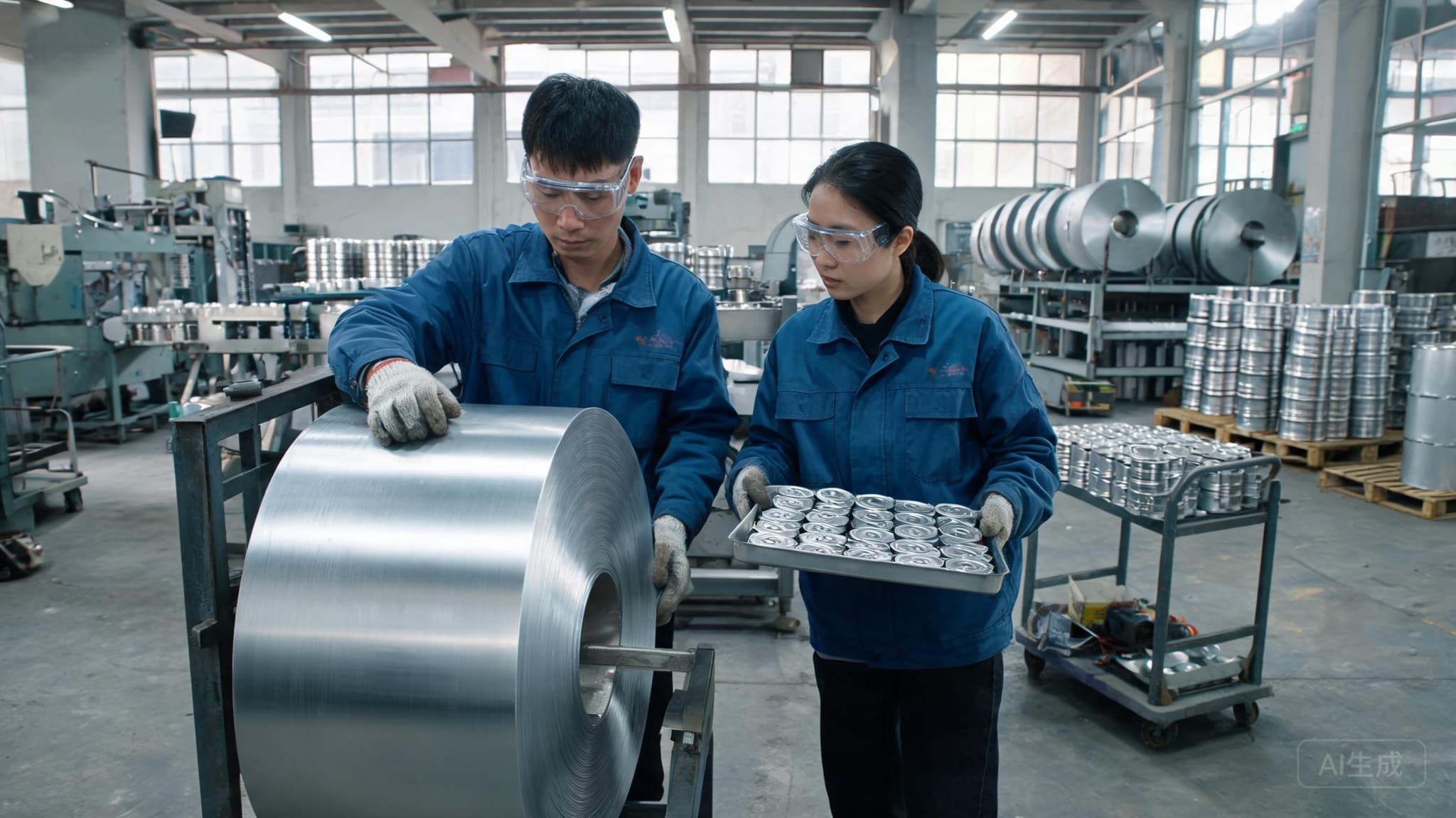
Build a More Reliable Metal Packaging Supply Chain from Coil to Can
Coordinate tinplate, TFS, can ends, lids, and finished cans through a clearer sourcing plan. Match materials and components to your production line, specifications, and delivery needs.
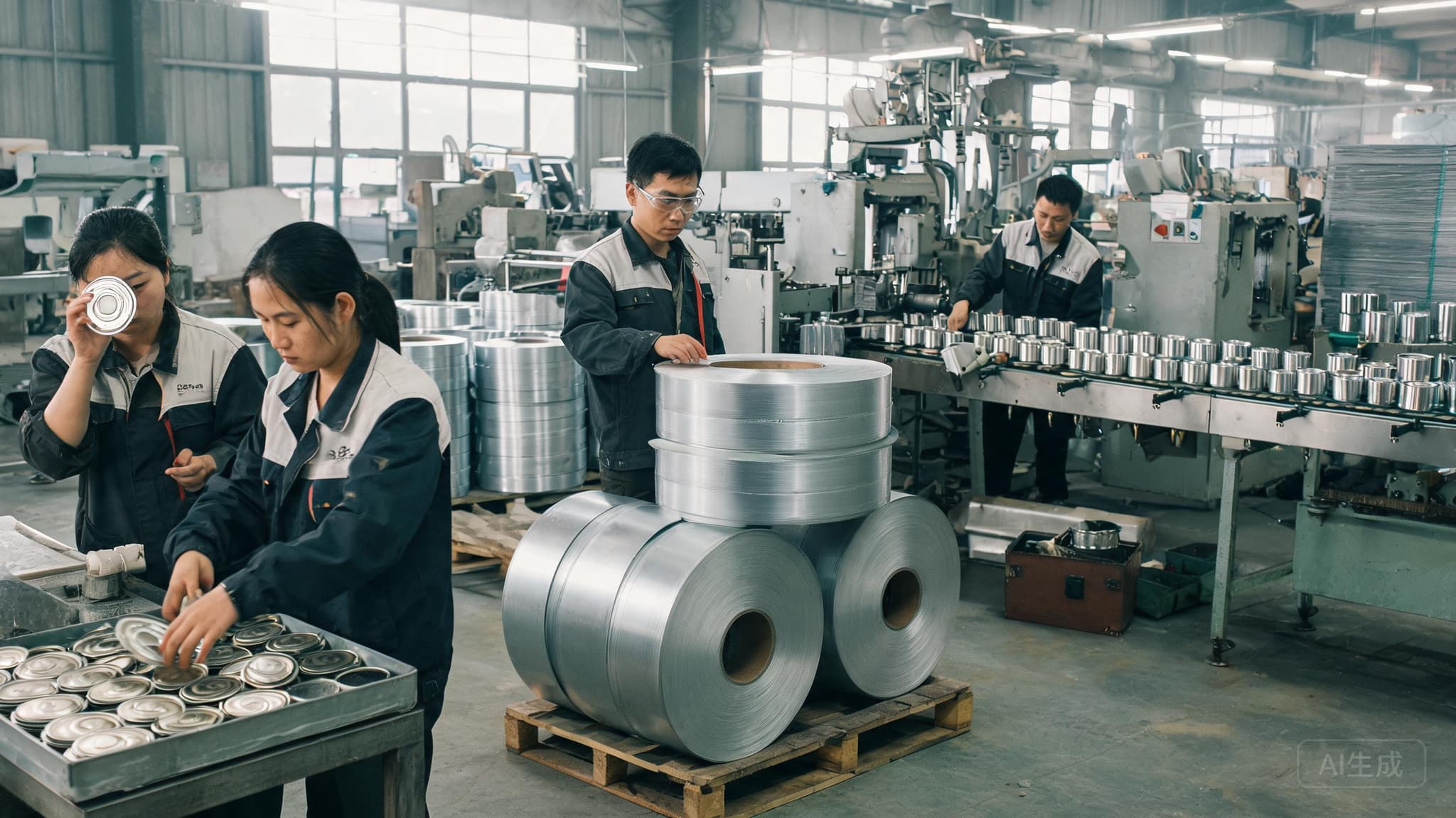
Build a More Reliable Metal Packaging Supply Chain from Coil to Finished Can
Coordinate tinplate, TFS, can ends, lids, and finished cans with a sourcing plan built around your specifications, production capabilities, and delivery schedule.
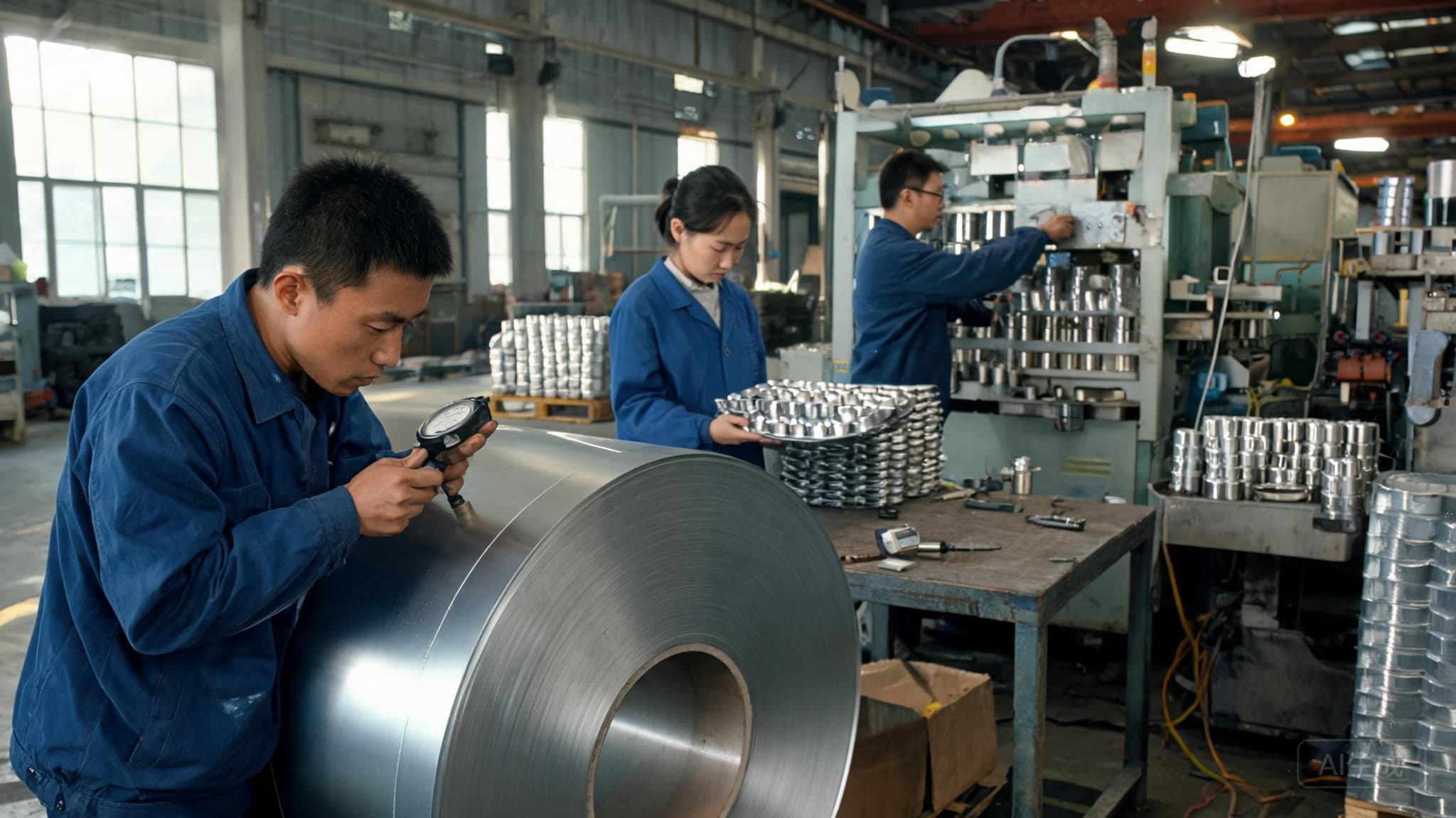
Build a More Reliable Metal Packaging Supply Chain, from Coil to Custom Can
Align tinplate and TFS, can ends, lids, and finished containers with your production needs. Use clear specifications and supply checks to reduce sourcing friction and strengthen consistency.
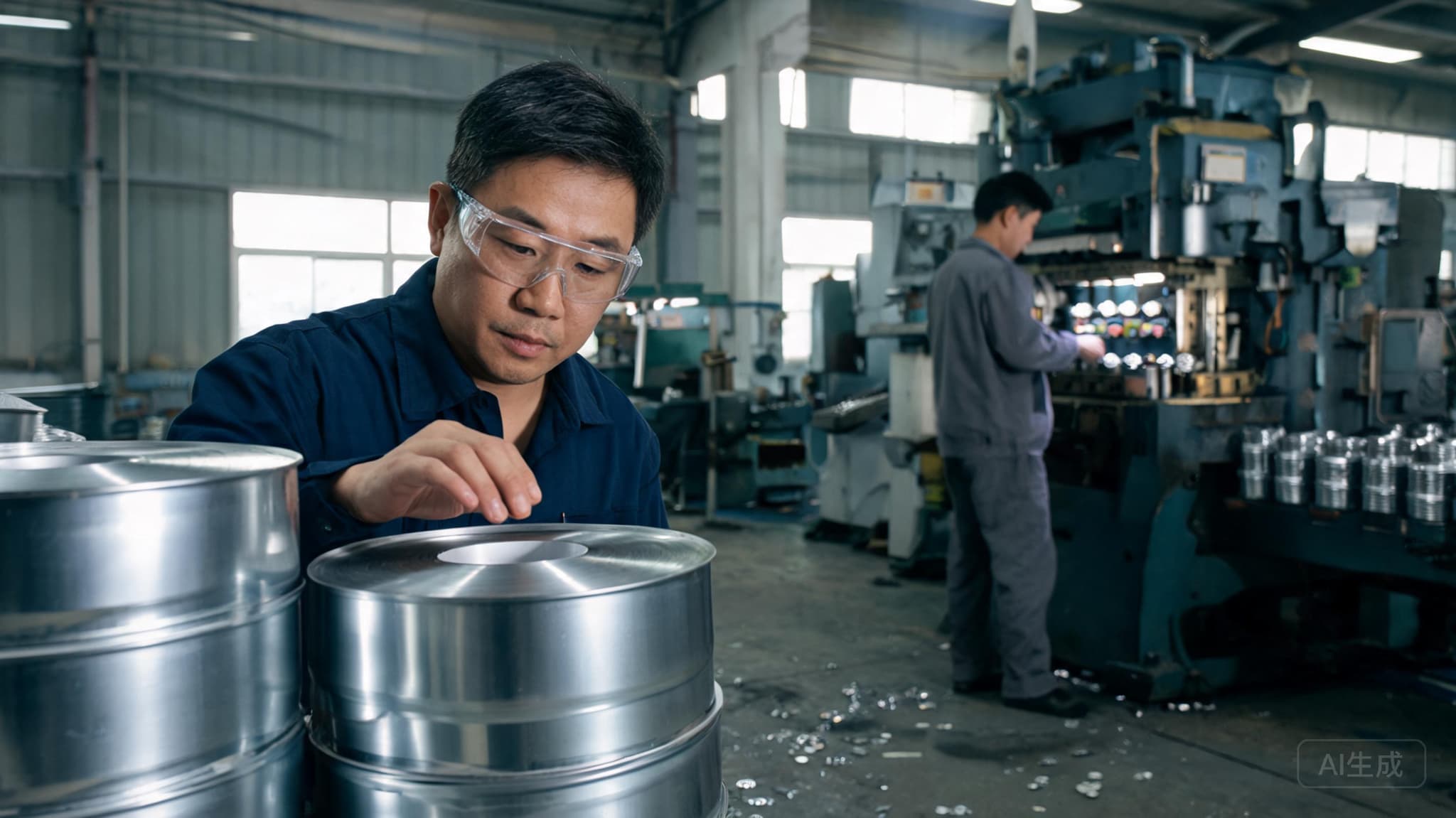
Streamlining Your Metal Packaging Supply Chain: From Coil to Custom Cans
Discover how consolidating tinplate, TFS, easy open ends, and finished cans with one supplier cuts costs, improves quality, and accelerates time-to-market for food and industrial packaging buyers.
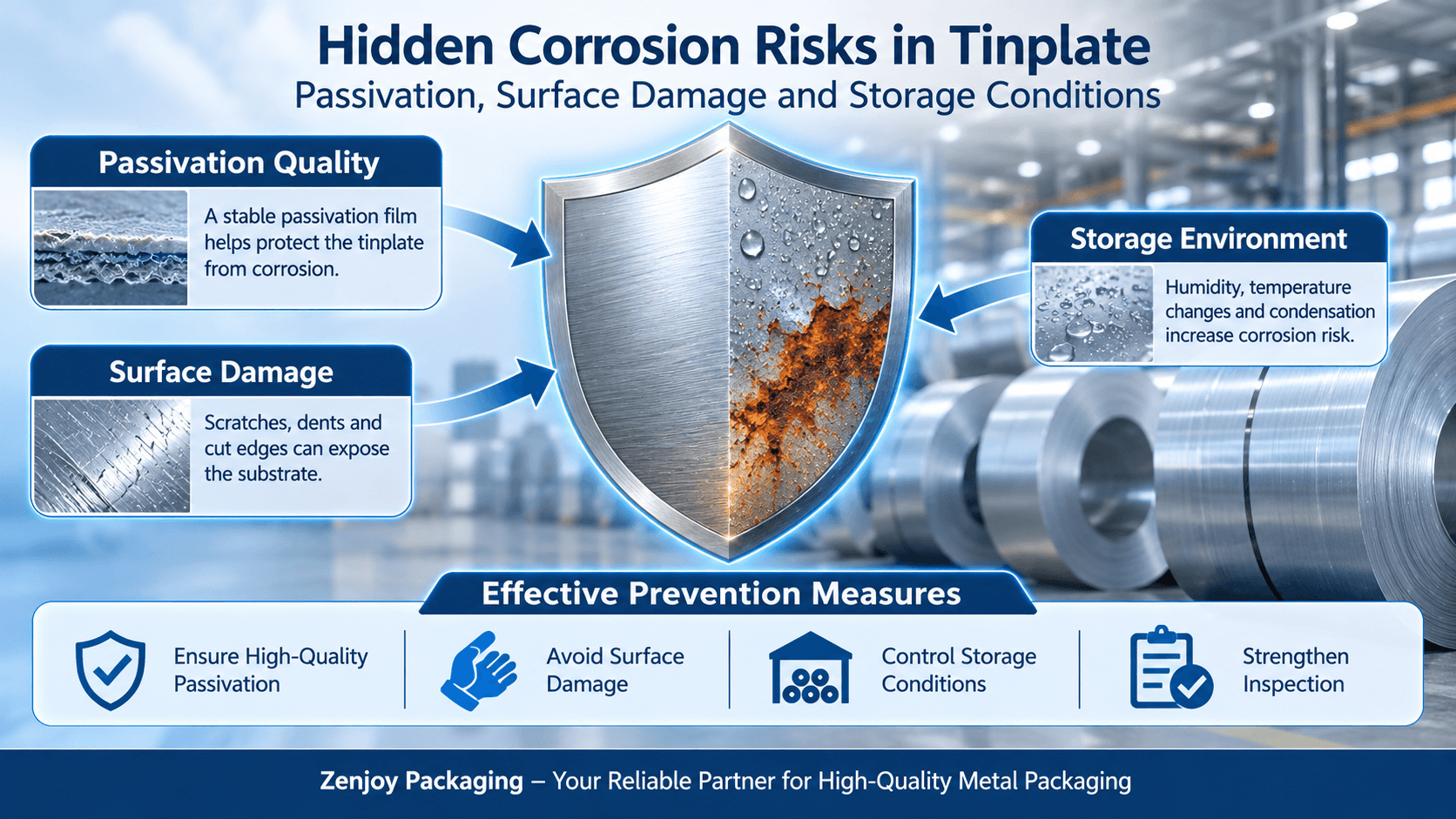
Hidden Corrosion Risks in Tinplate
Corrosion risks in tinplate are influenced not only by the tin coating itself, but also by passivation quality, surface damage, and storage and transportation conditions. This article explores how passivation failure, scratches, and moisture condensation can interact to trigger corrosion. It also outlines practical inspection and prevention measures to help metal packaging professionals reduce material risks and maintain consistent processing quality and packaging performance.
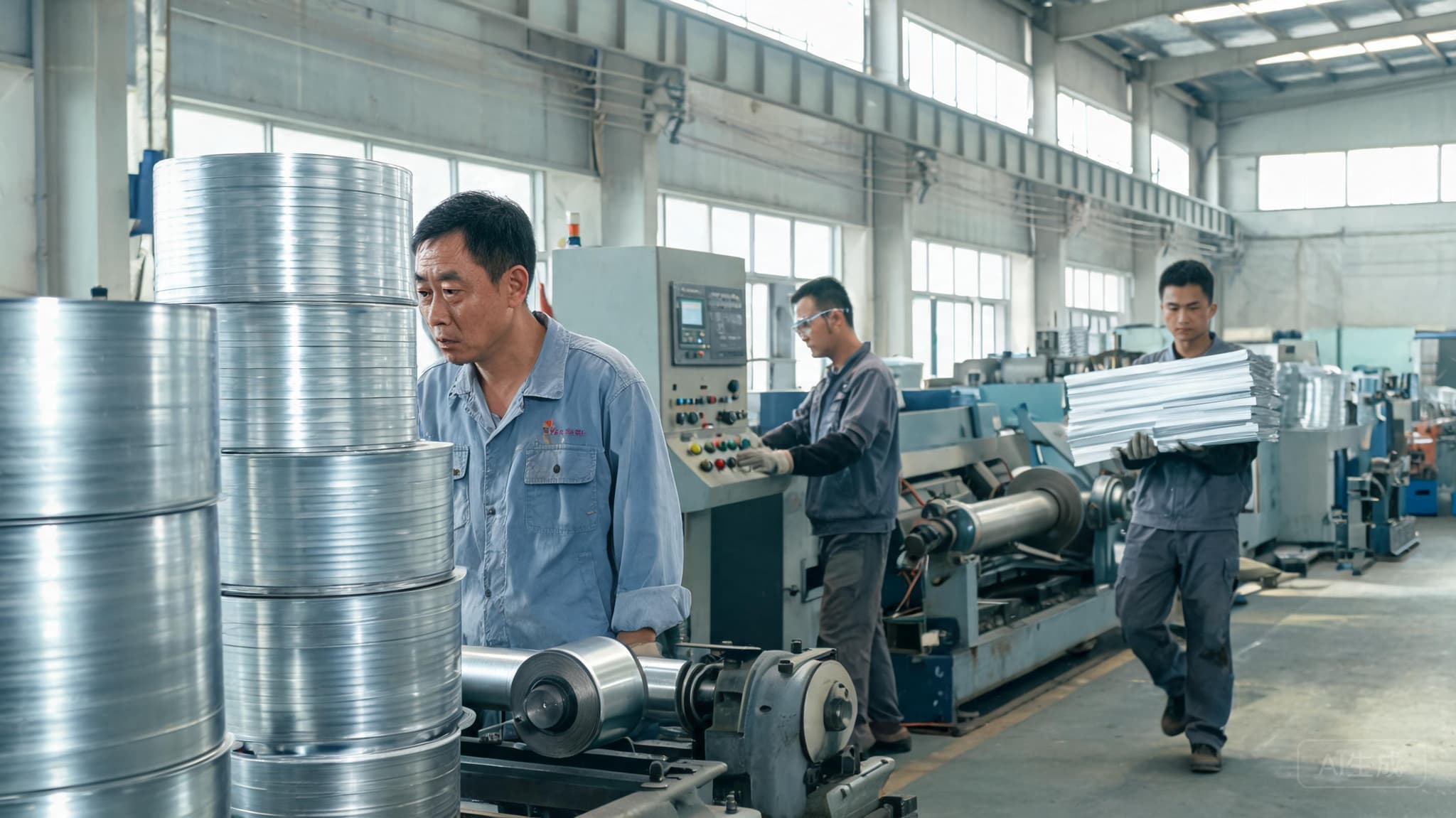
Streamlining Your Metal Packaging Supply Chain: From Coil to Custom Cans
Consolidate tinplate, TFS, easy open ends, and finished cans with one supplier to cut costs up to 30%, reduce lead times, and ensure consistent quality from coil to custom cans.
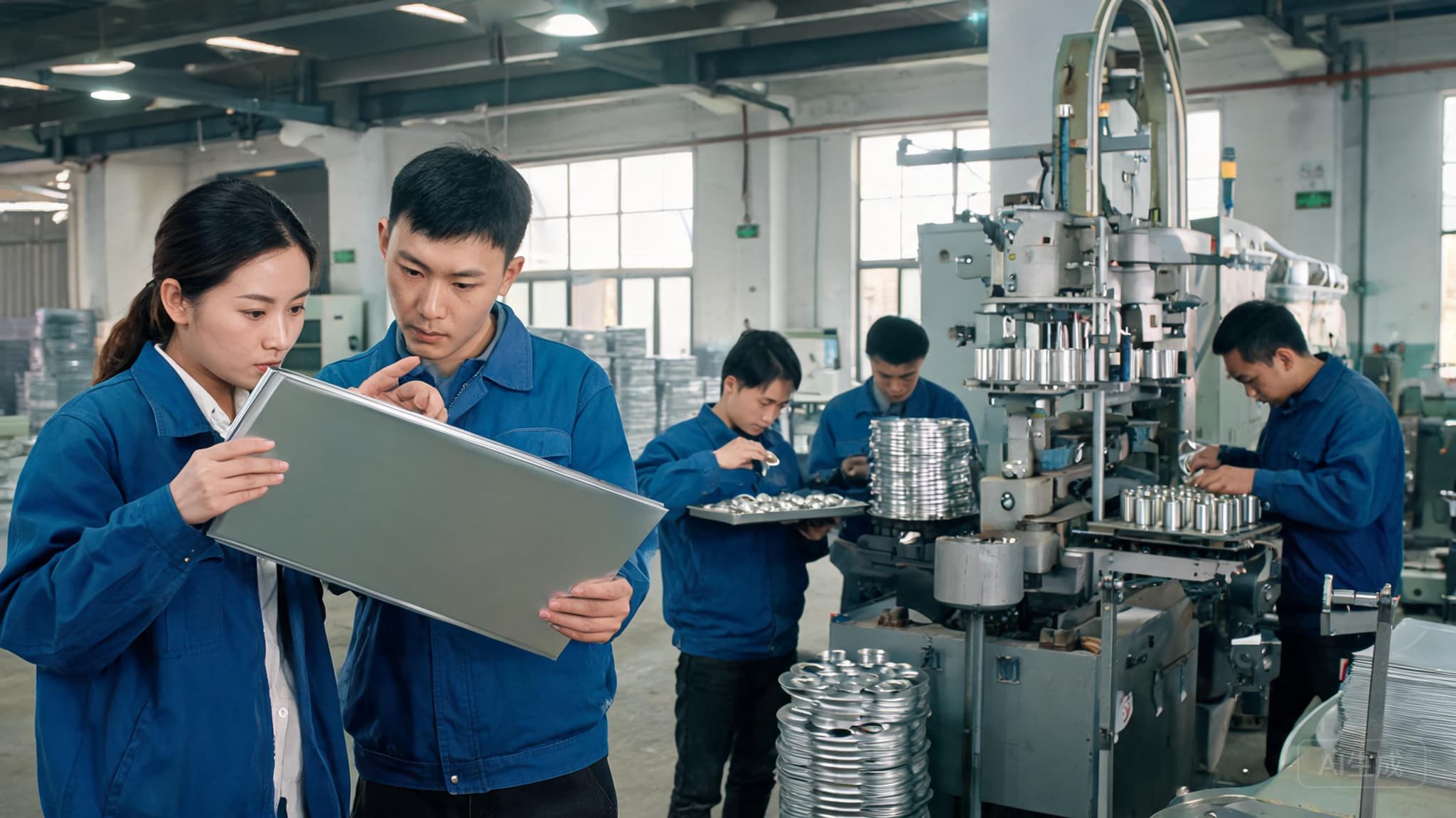
Build a More Reliable Metal Packaging Supply Chain, from Coil to Custom Can
Align materials, can ends, lids, and finished cans with your production needs. Share your specifications and delivery requirements to get a coordinated supply proposal.

How Do Different Contents Affect Lacquer Requirements for Tinplate?
From acidic foods and sulfur-bearing seafood to oils and dry goods: understanding how internal coatings influence protection, processing and storage performance.
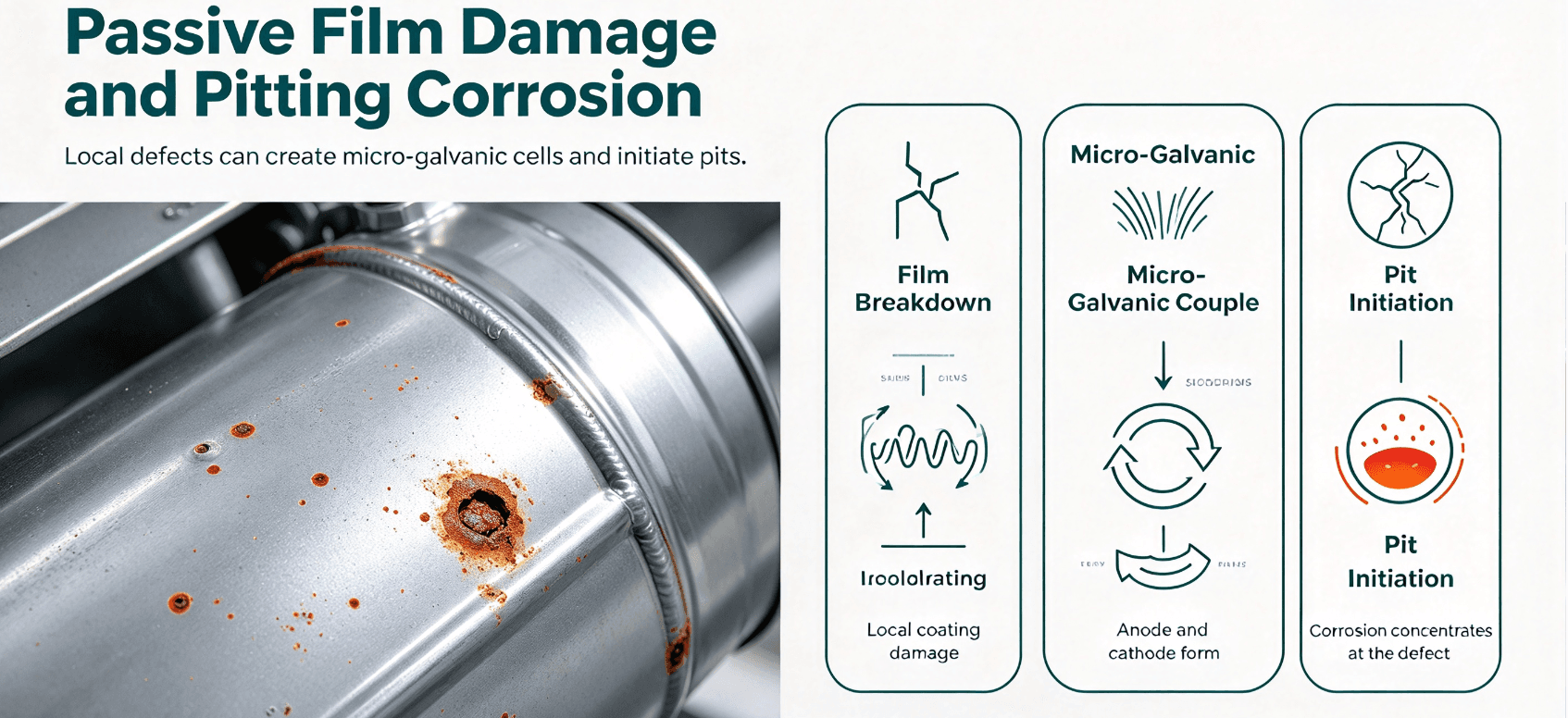
Tinplate Passivation Film Failure: Pre-Existing Material Hazards for Metal Can Rusting During Storage
Rust spots appearing on metal cans after long-term warehouse storage is a common quality headache for can manufacturers. Most teams attribute this failure to poor warehouse humidity control or damaged outer coating, while overlooking the hidden risk originating from tinplate passivation film. The passivation film serves as a critical protective barrier between the tin layer and steel substrate. Inconsistent film weight, film discontinuity, improper passivation formula or edge weak film will weaken anti-corrosion performance. After slitting, forming and storage, moisture and corrosive media penetrate the protective layer and trigger pitting rust. This paper explains the corrosion mechanism caused by passivation film failure, evaluates key passivation quality indicators, and introduces how targeted material screening helps canmakers avoid post-production storage rust risks.